




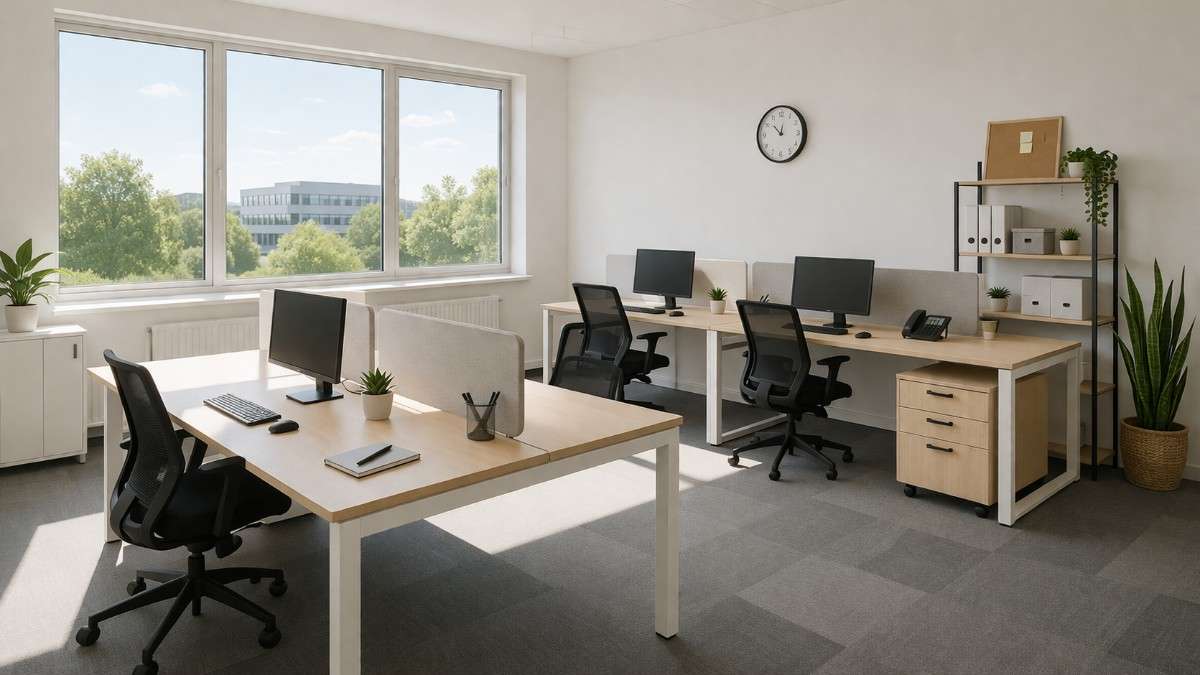
Moving into a new workspace is an exciting milestone for any growing business. It signals expansion, fresh opportunities, and a space tailored entirely to your team’s workflow. But once the lease is signed, the reality of furnishing the space quickly sets in. Desks, chairs, conference tables, and storage units add up fast, often pushing budgets to their absolute limits.
Equipping an office from scratch requires a careful balance between quality and cost. You want a workspace that looks professional and keeps your employees comfortable, yet you also need to protect your company’s bottom line. The good news is that creating an inviting and productive environment does not require draining your capital.
By applying a few strategic purchasing methods, you can significantly reduce your upfront expenses. Here are five practical tips to help you furnish your new office while keeping your budget firmly in check.
1. Assess Your Actual Needs Before Buying
The biggest mistake business owners make when furnishing a new office is buying items they think they will need, rather than what they actually use. Before adding a single item to your cart, take a step back and evaluate your team’s daily operations. List priorities and let the interior designer know.
Do your employees work on hybrid schedules? If your staff is only in the office three days a week, a hot-desking setup might make more sense than purchasing individual workstations for every single employee. Do you really need a massive, formal boardroom table, or would a few smaller, collaborative breakout areas serve your team better?
Map out the physical space and create a strict inventory list categorized into “must-haves” and “nice-to-haves.” Stick to the essential items first to get the office fully operational. You can always purchase the secondary items later as your cash flow allows.
2. Consider High-Quality Used or Refurbished Pieces
Brand-new desks and chairs lose a significant portion of their value the moment they are delivered. Purchasing used or refurbished items is one of the most effective ways to stretch your budget. Many businesses downsize, relocate, or upgrade their decor, leaving behind gently used, commercial-grade pieces that are built to last for decades.
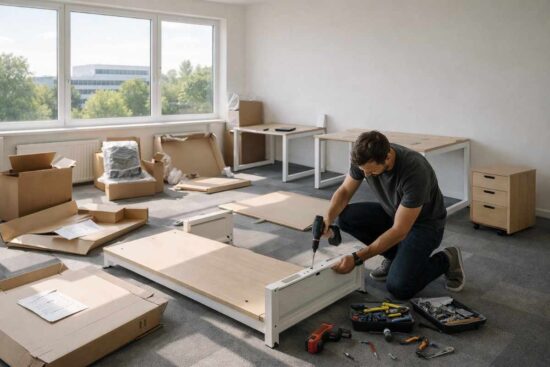
Refurbished items offer an excellent middle ground. These pieces have been inspected, repaired, and often reupholstered to look and function like new, but they come at a fraction of the original retail price. If you happen to be looking for office furniture in Salt Lake City, checking local liquidators and warehouse sales can yield massive discounts on premium brands that would otherwise be entirely out of reach.
3. Buy in Bulk to Secure Discounts
If you decide to purchase new equipment, avoid buying items piece by piece. Retailers and commercial suppliers highly value large orders, and they are usually willing to offer substantial discounts to secure your business.
Bundle your purchases by sourcing your desks, chairs, filing cabinets, and lounge seating from a single vendor. Ask a sales representative directly if they can offer a corporate discount, free delivery, or complimentary assembly for a bulk order. Even if a vendor cannot reduce the sticker price of the items, negotiating free shipping and installation can save your business thousands of dollars in hidden logistical fees.
4. Prioritize Ergonomics to Save Money Long-Term
It might seem counterintuitive to spend more money on ergonomic chairs and height-adjustable desks when trying to cut costs. However, investing in employee health is a financial strategy that pays off immensely over time.
Poor posture and uncomfortable seating lead to back pain, eye strain, and fatigue. These physical ailments directly result in decreased daily productivity and an increase in sick days taken by your staff. Providing a comfortable, supportive workspace minimizes the risk of workplace injuries and keeps morale high.
Instead of buying the cheapest chairs available, allocate a larger portion of your budget specifically to seating. You can offset this cost by saving money on less critical items, such as filing cabinets or reception room decor.
5. Explore Leasing Options
If your business is a fast-growing startup or you have signed a relatively short lease, buying everything outright might not be the smartest financial move. Leasing office furniture is an increasingly popular alternative that allows companies to preserve their working capital.

Leasing breaks a massive upfront capital expenditure into manageable, predictable monthly payments. This approach keeps cash in the bank for core business activities like marketing, product development, or hiring new talent. Furthermore, furniture rental agreements often include maintenance and repair clauses.
If a chair breaks or a desk drawer jams, the leasing company will typically repair or replace the item at no additional cost to you. Once the lease term ends, you can choose to buy the pieces at a depreciated rate, return them, or upgrade to a newer style.
Smart Planning Equals Major Savings
Furnishing a new office requires a significant financial investment, but it does not have to be a source of financial stress. By carefully evaluating your actual needs, exploring refurbished options, negotiating bulk deals, investing in ergonomics, and considering leasing agreements, you can create a beautiful, functional workspace.
Take the time to research your options and plan your purchases strategically. With a little patience and negotiation, you will build an inspiring environment that supports your team’s best work—all while keeping your finances perfectly intact.