




analytics = 833.322.6760, 8448520347, 800 notes, 7168738800, 8005113030, 8662783536, 9525620902, 8333163276, 9133123280, 8558425860, 8777640833, 2567447500, 18669852273, 8559977348, 8775895169, 6123010199, 8777458562, 8447297641, 8556792141, 5018218349, 6468760617, 8559712260, 8557390856, 8339310230, 3106677534, 8339842440, 9547875035, 6163306276, 18004441676, 8558348495, 7864225581, 9094067513, 8602739995, 18339793337, 8553020376, 9513245248, 5164226400, 2675259887, 8339060641, 8139469478, 2486022768, 2064395787, 5595330138, 5127649161, 8163354148, 5165660135, 9723750568, 2085144125, 18559694636, 5028227768, 5104709740, 2107644963, 9513947262, 8772865954, 6266570594, 8442891118, 8008280146, 7714445409, 8664368150, 18006951063, 8779140059, 8017425882, 2245434298, 4234820546, 8442712583, 9547434255, 8445073876, 18662058022, 18004367961, 8445369495, 8448747445, 9513895348, 8017835887, 9136778319, 5095810139, 18005271339, 6178265171, 8338428100, 4699988648, 8337030945, 5132830807, 8669072272, 7027650554, 18003959733, 8882288896, 8007017918, 8882961958, 9164315240, 3134238040, 8333859445, 8885090457, 8008399369, 9183984181, 6125681561, 8555737348, 7035746171, 9804026136, 3392036535, 8014388165, 8339124265, 2484556960, 8652940491, 6788532772, 18002319631, 4432611224, 5174402172, 5166448345, 8574156189, 9208318998, 2814084487, 3237827205, 9035937800, 6147636366, 8886375121, 18667153526, 6156855230, 9133120992, 6027675274, 8326849631, 6363626977, 8014388261, 6163306271, 5128465056, 6164252258, 8008994047, 6506189519, 5133970850, 8006601779, 8668010144, 8555894252, 6163177933, 4079466140, 8655460256, 18884209943, 3464268887, 8442449538, 7043866623, 8444211229, 8102759257, 4345281742, 9493175442, 4123879299, 8382211532, 3309133963, 5109849896, 8556482575, 7072899821, 2014658491, 6032157860, 7628001252, 2082327328, 3522492899, 972-476-8208, +1 (800) 555-0433, 7753840563, 4694890551, 8327349150, 2702971125, 8008545695, 6106006953, 2146516900, 9037651217, 7047058890, 8668219635, 8033391481, 9592307317, 8595594907, 8332685291, 8555710330, 8778334675, 2102440850, 18008778623, 9513387286, 4029339118, 6103444430, 8662222197, 7273618338, 6159840902, 8555154190, 8668418679, 8338780449, 5417666200, 9185121419, 3237160444, 3606338450, 6198259510, 8888570668, 8083399481, 18668404246, 9032130471, 18007457354, 8662900505, 9512277184, 14075830183, 877-613-7414, 8669145806, 8884135452, 8339870385, 5412621272, 4085397900, 4049960554, 9043278492, 8008109337, 3148962604, 2625778200, 2533722173, 7702240355, 2602796153, 8442568097, 4045674598, 8778135595, 6627789116, 8666148679, 432.535.3346, 8552199473, 18008784733, 8656696225, 4172640211, 2694480187, 8004800186, 8728107133, 8554290124, 8445417310, 8088094977, 3854774827, 6149229865, 8558318013, 8886227328, 8669289240, 2162086661, 8449263585, 8656868483, 9126165004, 4342647097, 4698902115, 9738424694, 8009249033, 8662962852, 8004836205, 7637606200, 9549534317, 9085288998, 8665592621, 9097290670, 8885365114, 6282074108, 9515725134, 9725268500, 18886918661, 4028589809, 5135840000, 9542026998, 3606338409, 3392120655, 9375304801, 4699825009, 7158365720, 7133540191, 5176576800, 7015400761, 8007620276, 7314100312, 8133644313, 4014142386, 8556829141, 18003473764, 5163279500, 2177711746, 8338394140, 8008442881, 8442356275, 9737509291, 8053218829, 5138030600, 866.266.1445, 18667066894, 18448302149, 9592998000, 8668518500, 3618257777, 8132108253, 9134285296, 18667331800, 6182062806, 6196931509, 5052530598, 2692313137, 8322632311, 4089635659, 3122340781, 8665270007, 8884315114, 8327010295, 8886230286, 18337632033, 7276978680, 8662847625, 7046297142, 5709082790, 6176829138, 18663243120, 18888447979, 833-793-2634, 3146280822, 2817169800, 8003966861, 2092152027, 8772379648, 8779100501, 6304497394, 6613686626, 7864325077, 8667061341, 8443168434, 18007793351, 2816679193, 6182213001, 8165459795, 800-660-1779, 3865648082, 4057539884, 6304757000, 8665212613, 8339014153, 4018686200, 7177263148, 8446717272, 6026889985, 6122950822, 18775007697, 8727025274, 877-870-8046, 4107533411, 8594902586, 3175548779, 4023164651, 8442409757, 6155909241, 4692706636, 8447089406, 2183167675, 9367097999, 18003239865, 5107750767, 8336411330, 8666136856, 8776137414, 5048420550, 8174924769, 409-761-7631, 8772810415, 6175170000, 6176447300, 516-644-8345, 8014388150, 8014363101, 8446600349, 8445720731, 8446012486, 9529772019, 8004160599, 2105867691, 8174761844, 8777665220, 3606338365, 2159873706, 8126413070, 7578520784, 2155830758, 2133442341, 8014388461, 8556302480, 9013702057, 6467622601, 7083655202, 1-877-870-8046, 2505814253, 8152877145, 2173264646, 7654422019, 8442677109, 844-306-7833, 8775787552, 8624140848, 8555422416, 9544406856, 8009410164, 2193102036, 3237460973, 8332178326, 8133207059, 18003105587, 8178548532, 8772595779, 8044452446, 8336852203, 5136555021, 8042933450, 713-332-2838, 8556769075, 8447100373, 8446180908, 6512551000, 6144058912, 8332891205, 8336370667, 8124350998, 7133537813, 312-653-2073, 7083919045, 5403084012, 9529790948, 2177491008, 4079466142, 8333880562, 6183319022, 8776363716, 8012367598, 2816916103, 5165029686, 6087759139, 9045699303, 5614348400, 9085056898, 9297441323, 18002201614, 844-391-1092, 3364387172, 4708878685, 9803167472, 2093324588, 4052173481, 3055038807, 9044785041, 7137309500, 9513707315, 18002378990, 6232238196, 5026653794, 4057240741, 9543793034, 8884700655, 9512521067, 5703752113, 9299952002, 2565103546, 8134486919, 6266390332, 4049650560, 5303227024, 5106464099, 4075457432, 18663524737, 8887278618, 8084899138, 5082518001, 3183544193, 8037168112, 4807508966, 8586578575, 2095506110, 18008898740, 5416448102, 8666687301, 919.214.5402, 5864987122, 6302429143, 9547459648, 4844836206, 7145099696, 8665838119, 8004439164, 8007082736, 8779949115, 8003280355, 4085982269, 424.385.0597, 4054483292, 4694096508, 18884534330, 4844522185, 3606338412, 7133322838, 8007430511, 4703975724, 8082130841, 18662916365, 8664482002, 5707403282, 4072037536, 8332665655, 8557074599, 18555013051, 8668446972, 5128425148, 8337932634, 8329751010, 6156759252, 7173219013, 5165660134, 6152482618, 888-785-2471, 8553395442, 7204563710, +1 (312) 653-2073, 8339833264, 8555159372, 8448348551, 8665207789, 4072357388, 8883237625, 8014388316, 5622422106, 412-405-6064, 7657513244, 4089773512, 4176225719, 866.376.4584, 8166310333, 4122148544, 5702803018, 8667677603, 5407317304, 8054296716, 9712734028, 5102572527, 18776898870, 2075485013, 8559590200, 9545058434, 9089558128, +1 (320) 207-5189, 8447553258, 8662261020, 7135568949, 6303879597, 4149558701, 7209152170, 8008298374, 8558078675, 8666136857, 8669972488, 2014623980, 8013365041, 7083164009, 6622553743, 4158519136, 8339721292, 18008994047, 201-462-3963, 8887852471, 7702823288, 18007450572, 2672232367, 8333425412, 8008423225, 6516034340, 9044210685, 3032423254, 8777708065, 8043123644, 5138600470, 4073030519, 18009359935, 9152453436, 3308355902, 4125577457, 5183636075, 3362525901, 18663902348, 8143590227, 18009145582, 8172104278, +1 (866) 593-3926, 2105201454, 8332316512, 866.914.5806, 866-613-6857, 7819276501, 8332819623, +1 (866) 613-6857, 5135696117, 6506819470, 6147320721, 866-702-4725, 6266577222, 4055638384, +1 (614) 890-1025, 9036860067, 2816701587, 2487855500, 8442006330, +1 (623) 462-7106, 8666746861, 7158988041, 877 770 8125, 7343485117, 9727530822, 8776380175, +1 (866) 914-5806, 6126721631, 18003653234, 9512237966, 5702771040, 5025155312, 7172515048, 18005303790, 214-226-9139, 8889764904, 4025595100, 8448439155, 8016192557, 6083255121, 2403122052, 8335841371, 4044133261, 8324583317, 6233529406, 5208663325, 8776421554, 8014075254, 877 613 7414, 18005284800, 5135723375, 5034614545, 206-453-2329, 801-413-7200, +1 (855) 283-3957, 8004351415, 18888002527, 8776236765, 5094747159, 6036681119, 4086921193, +1 (877) 647-8551, 8087680000, 8337002510, 7174070772, maxwell and bryant group, 8668594380, 7177896033, 7208481788, 866-914-5806, 18009220204, +1 (888) 994-2320, 18003683110, 8666484519, 2107829213, 8882795504, 662-255-3743, 5052779866, 7172968088, 7756877101, 800-276-3744, 18004321000, 8883731969, +1 (800) 530-3790, 6157471813, 6788062977, 402-220-1248, 9525630843, 8662855312, 8776918086, 877-417-4551, 877-770-8125, 8884640727, 8435820002, 8884141045, 5202263623, 8339901915, 8559731040, 4043853637, 888-991-5696, +1 (877) 770-8125, 6158007010, 888-250-7027, 8889346489, +1 (888) 993-2902, 8003318859, 2252143974, 8442449425, 7144490377, 8014137200, 8333725815, +1 (800) 435-1415, 6097982556, 8155179338, 3158495499, 4014446877, 9472221080, 18009454701, +1 (888) 611-6904, 8553308653, 855-581-1994, 4243459294, 866-716-9062, 6468882001, 866-680-8628, +1 (978) 938-4194, 201-462-3980, 855-419-7365, +1 (847) 426-9203, 7033320600, +1 (800) 988-8019, 8888922253, 888 266 2278, 8003973342, 8884864722, 8009220204, 7205366300, 7136965500, 866-593-3926, 9514254239, 2069220880, 5732452104, +1 (800) 654-8818, 7632743899, 916-545-8389, 888 934 6489, 5627253046, 7175316640, 877-556-9255, +1 (540) 546-0824, 978 444 5700, 8888023080, 4014303033, 8008757159, 206 453 2329, 855-330-8653, 3462149844, 8659469900, 1-800-388-5512, +1 (206) 922-0880, 4433979200, 8667620558, +1 (866) 348-6231, 5712932365, 6786662731, 1-800-432-1000, 5043842543, 8434384166, +1 (888) 899-6650, 8777284206, 6152130831, 8002760901, 8663486231, 2128459525, 8009520270, 8885130708, 18004365657, 888-899-6650, 8005550433, 8338950323, 8559422422, 8009552292, 4845263150, 8595929161, 3602199415, 402 935 7733, 8558998232, 8888426328, 18009398164, 18002818274, 4122676767, 4179900203, +1 (800) 528-4800, 18886166411, 8004517269, 5705590121, 5157353419, 921 area code, +1 (888) 373-1969, 8015260950, 4077322416, 6788532430, 513-831-2600, 888-373-1969, 18003801196, 8442437370, +1 (404) 806-4811, 8886890122, area code 531, +1 (800) 946-0332, 707, 888 373 1969, 6178788190, 8558369705, 248-434-5508, 844 area code, 8552073383, 1111111111, 2257653120, 6189446426, 6292588750, 800-922-0204, 18009346489, 407-732-2416, 5136961920, 18669544405, 9199147004, 8442069035, 480, 18335421564, 6148901025, +1 (800) 608-2581, 800 922 0204, +1 (888) 486-4722, po box 247001, 9043807465, 612-815-5000, 6105462466, 18336421007, 18009228228, 235 area code, 18002823214, +1 (877) 647-8552, 8777335189, 3333, 8009200482, 8552780432, 8332076202, 365 area code, 639 area code, 18666201302, 18003472275, 763-274-3899, 8558590047, 18003047265, 8886116904, 7139369494, 18008887243, 6126722492, 3139607914, 8665160115, area code 639, +1 (800) 955-6600, 8009888019, 18005237020, 8669288598, 3372695110, 18448238902, 8666808628, 8336977328, 8774220763, 5107474557, 9133863627, 8008420588, 8556148530, 8009420854, 8663287946, 8888399638, 18005567677, 2069267485, 1-800-745-7354, 5405460589, 8654706200, 8664683371, 18003973342, 3202075189, 8009200477, 800-528-4800, area code 825, +1 (800) 943-2189, 5095528142, 438, 984, 18662525777, 18002965598, 18003151907, 18887291404, 8005284800, 8003371809, 8008870224, 8779020006, 844-206-9035, 8655237183, 7342320000, 9999999999, 888-611-6904, 18009001361, 18007771681, 8002149506, 999-999-9999, 8009556500, 5039458199, callerescort, 2815176333, 18667465501, 18006347404, 6233529402, 8552296544, 8889942320, 18009556600, 8008693557, 8664548855, 5405460824, 8665933926, 8554197365, 8448268400, area code 204, 8667679323, 8665728798, 8008456167, 6303837266, 9512432271, 866 area code, 8664084070, 8002799032, 888-802-3080, 781-694-9000, 18005328082, 888-934-6489, 8666740156, 8056377243, 1223, 2163489700, 8339342639, 18887106818, 8004633339, 2064532329, 8004321000, 18003145524, 18002045785, 7817966000, 8339140595, 8668586729, 18002763214, 8889417233, 8557077328, 226 area code, 8009460332, 805-637-7243, 866-712-7753, 781-566-8000, 204 area code, 18882662278, 800-845-6167, 8008600644, 877.714.1509, 18003182596, 201, 8776478552, 8008520411, 8009666546, 7816569000, 800-463-3339, 9784445700, 800 955 6600, 1-800-865-9408, 800-966-6546, 8664300311, 844-466-5519, 800-655-2265, 5138312600, 1-800-522-5633, 8556248963, 8665359492, 8882662278, 800-227-4825, 1-800-227-4825, 8882804331, 1-833-275-3287, 800-955-6600, 3343963000, 855-707-7328, 866-858-6729, 8662581104, 18007332767, 3123804033, 800-288-2020, 8337351894, 7815668000, 6174885400, 410-965-1234, 1-800-925-6278, portfoliorecov, 8009432189, 8667127753, 833-267-6094, 888-266-2278, 8883347978, 866-258-1104, 8009505114, 8884694520, 800-292-7508, 877-242-7372, 813 area code, 8662387212, 1-800-955-6600, 8553376884, 609 area code, 8008413000, *86, 1-800-937-8997, 5278, 8009556600, 888-469-4520, 312-380-4033, 8009557070, 470 area code, 800-279-9032, 18003280355, 844-227-5237, 1-800-841-3000, 8167127753, 1-800-528-4800, 1-800-463-3339, 1-800-935-9935, 71924449671, 8882211161, 18007241633, 8008232318, 1-800-837-4966, 402-935-7733, 18002241591, 800-823-2318, 21038516219, 1-877-825-3242, 800-925-6278, 1-833-873-8237

How Next-Gen Digital Infrastructure Drives Enterprise Scaling and Efficiency

The global corporate landscape is moving at a speed that traditional technology frameworks can no longer sustain.As organizations integrate artificial intelligence, automated supply chains, and massive data analytics into their daily routines, the strain on legacy IT systems has reached a breaking point.

Centralized data repositories and outdated network architectures frequently create data processing delays, stall decision-making, and restrict corporate growth.

To remain competitive, forward-thinking organizations are transitioning toward next-generation digital infrastructure. This modern approach to technology infrastructure decouples software from physical hardware limitations, embraces decentralized data processing, and embeds intelligent automation into the core network fabric.

By updating their technology foundations, enterprises can scale operations smoothly while achieving unprecedented operational efficiency.

The Limitations of Legacy Systems

For decades, the standard corporate tech layout relied on centralized data centers or basic cloud architectures. All information gathered from regional offices, retail stores, or field sensors traveled back to a single destination for processing and storage.

While this model initially offered control and simplicity, the sheer volume of modern data has rendered it inefficient.

Relying entirely on distant servers introduces latency, which is the delay that occurs when data travels across a network. For real-time applications like financial trading or automated manufacturing, even a microscopic delay can lead to lost revenue or system errors.

Furthermore, legacy systems require massive financial investments to upgrade, forcing companies to buy expensive hardware that often sits idle outside of peak operational hours.

Embracing Agility with Software-Defined Architecture

Embracing Agility with Software-Defined Architecture

Next-generation digital infrastructure solves these traditional limitations by prioritizing flexibility through virtualization. Instead of relying on specific, physical network switches and storage drives, modern architecture uses software to manage these assets dynamically.

This flexible environment also depends on fostering a strong DevOps culture so development and operations teams can deploy updates faster, automate workflows, and maintain system reliability as the enterprise scales.

Software-defined networks allow IT administrators to allocate bandwidth, adjust security protocols, and spin up new virtual servers in minutes rather than weeks.

This flexibility is essential for business scaling. When an enterprise experiences a sudden surge in demand, the digital framework automatically reallocates processing power to the areas that need it most, preventing system crashes and ensuring a consistent user experience.

Decentralized Processing and High Performance

The core philosophy of next-gen architecture is to process data as close to the source as possible. Rather than forcing every minor piece of operational information to make a round-trip journey to a central server, advanced systems distribute computing power across a network of smaller nodes.

Integrating localized edge solutions allows companies to analyze critical data on-site, filtering out irrelevant noise before sending key insights back to the primary cloud. This reduction in unnecessary data travel significantly lowers network bandwidth costs.

It also ensures that critical local operations, such as inventory tracking or safety monitoring, continue to function smoothly even if the main internet connection experiences a temporary outage.

Powering Intelligent Automation and AI Workloads

Powering Intelligent Automation and AI Workloads

Artificial intelligence and machine learning are no longer futuristic concepts; they are vital tools for everyday business efficiency. However, training models and running automated algorithms requires an immense amount of computing power and rapid data delivery.

This infrastructure is increasingly important as technology is revolutionizing call center services through intelligent routing, real-time analytics, automated assistance, and faster access to customer information.

Next-generation infrastructure is built specifically to handle these intensive workloads. By utilizing automated data pipelines and specialized processing units, modern networks can sort, clean, and analyze complex datasets in real time.

This capability allows businesses to automate repetitive tasks, predict equipment failures before they happen, and provide personalized customer service at a scale that was previously impossible.

Strengthening Enterprise Resilience and Security

Strengthening Enterprise Resilience and Security

As corporate operations expand across multiple digital platforms, the risk of cyber threats increases. Traditional perimeter-based security models, which assume everything inside a corporate network is safe, are no longer sufficient in a decentralized work environment.

Secure digital environments also become especially important during transactions, audits, and data rooms due diligence impressions, where controlled access and reliable document management can influence stakeholder confidence.

Modern digital architecture incorporates advanced security protocols directly into the network framework. Utilizing zero-trust principles, the system continuously verifies the identity and authorization of every user and device attempting to access corporate data.

If a security breach occurs at a single endpoint, the architecture automatically isolates the affected area, preventing the threat from spreading through the entire corporate network.

The Long-Term Competitive Advantage

Investing in next-generation digital infrastructure is not merely about keeping up with technological trends. It is a fundamental business strategy that dictates how effectively an organization can grow.

By eliminating data bottlenecks, reducing operational overhead, and enabling rapid technological adaptation, a modern framework transforms technology from a costly overhead expense into an active engine for corporate growth.


More From Author

Standard vs. Luxury When to Upgrade to Premium Restroom Trailers on Long-Term Builds

Standard vs. Luxury: When to Upgrade to Premium Restroom Trailers on Long-Term Builds

Bathroom Remodeling Trends That Combine Beauty and Functionality

Top 5 Bathroom Remodeling Trends That Combine Beauty and Functionality

Top-Rated Electric Vehicles: Which EV Should You Choose in 2026?

The automotive landscape has undergone a seismic shift, and 2026 stands as a definitive year for electric mobility. Electric vehicles (EVs) are no longer a niche futuristic concept; they have become the smartest choice for everyday drivers due to advancements in battery technology, significantly longer ranges, and faster charging infrastructure.

Whether you are a city commuter, a luxury enthusiast, or a family coordinator, the 2026 market offers a diverse array of options tailored to every lifestyle.

The Performance and Range Leaders

For many buyers, performance remains the primary draw of the electric transition. The 2026 Tesla Model S Plaid continues to set the benchmark for speed, offering acceleration from 0 to 60 mph in under two seconds. This performance does not come at the expense of utility, as the Plaid maintains a top-tier range of approximately 390 miles, making it suitable for both track enthusiasts and long-distance travelers.

If range is your highest priority, the Lucid Air Touring remains a class-leading contender. With a range exceeding 400 miles, it virtually eliminates range anxiety for frequent travelers. It balances this endurance with a premium feel and smooth driving dynamics that cater to those who spend significant time on the road.

Practical and Budget-Friendly Options

Practical and Budget-Friendly Options

Sustainability should be accessible, and the 2026 market reflects this with highly competitive budget-friendly models. The Chevrolet Equinox EV is a standout in this category, offering a practical compact SUV experience with an estimated range of 300 miles.

Its price point makes it an attractive entry for families watching their finances. As you explore these cost-effective options, you might also be looking at financing solutions such as a car loan in Cabazon to help facilitate your transition to a cleaner vehicle.

Another efficient choice for urban environments is the Hyundai Kona Electric. Its compact design is optimized for city maneuverability and tight parking, providing a respectable 260-mile range and lower overall ownership costs. For those who prioritize efficiency and ultra-fast charging, the Hyundai Ioniq 6 offers a sleek, aerodynamic design that can reach an 80% charge in just 18 minutes under ideal conditions.

Family Versatility and Adventure

The SUV segment has seen some of the most impressive electric growth. The Kia EV9 has established itself as the go-to for large families, offering three rows of seating and flexible cargo space. With a range of up to 300 miles and advanced safety systems, it is designed for both daily errands and extended road trips.

For drivers who need rugged capability, the Rivian R1T electric pickup excels in both on-road and off-road scenarios. Featuring a quad-motor all-wheel-drive system and up to 400 miles of range, it is uniquely positioned for outdoor enthusiasts who require towing capacity and innovative storage solutions, like its signature gear tunnel.

Luxury and Innovation

Luxury and Innovation

Luxury automakers have fully embraced electrification by 2026. The Mercedes-Benz EQS Sedan is often cited as the gold standard for refinement, featuring a whisper-quiet cabin and the advanced MBUX Hyperscreen dashboard. With a range exceeding 350 miles, it delivers a first-class driving experience.

The BMW iX also brings a premium SUV experience, combining the brand’s signature driving dynamics with a futuristic cabin and advanced driver-assistance features. These luxury models demonstrate that zero-emission performance can be paired seamlessly with high-end comfort and cutting-edge technology.

While advanced safety systems can provide valuable support on the road, practicing safe driving habits every beginner needs—such as maintaining a safe following distance, staying focused behind the wheel, obeying speed limits, and anticipating potential hazards—remains essential for ensuring a safer and more confident driving experience.

Technological Trends of 2026

The vehicles of 2026 are more than just modes of transport; they are highly integrated tech platforms. Manufacturers are now utilizing AI-assisted driving features and advanced infotainment systems to create more immersive experiences. Furthermore, improvements in manufacturing, such as robotic resistance welding, have increased precision and reduced material waste in the production of these vehicles.

In Conclusion

Choosing the right EV in 2026 depends on balancing your specific needs for range, performance, and budget. From the versatile Tesla Model Y refresh—which remains a market favorite for its balanced performance and access to the Supercharger network—to the specialized capability of the Rivian R1T, there is truly an electric vehicle for everyone. As the charging infrastructure continues to expand, 2026 is an ideal time to invest in a cleaner, more innovative way to drive.

More From Author

How Contractors Can Build Smarter Project Plans

How Contractors Can Build Smarter Project Plans

The Benefits of Having a Reliable Water Supply on Your Property

The Benefits of Having a Reliable Water Supply on Your Property

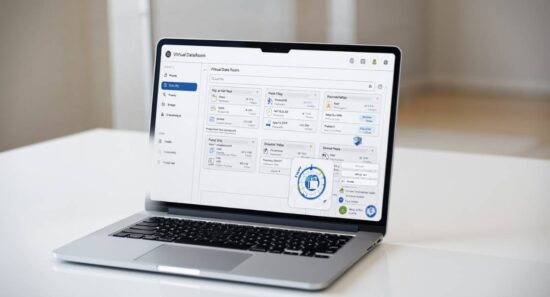
How Data Rooms Influence First Impressions During Due Diligence

Due diligence requires stakeholders to review large volumes of business information. The quality of that review process often depends upon how documents are presented and accessed. A well-organised data room can create a positive impression before detailed assessments begin.

Explore practical factors that influence stakeholder perceptions during due diligence.

For many stakeholders, the first interaction occurs through company records rather than direct conversations. Document organisation, accessibility, and accuracy can shape expectations from the outset. Early impressions formed during this stage frequently influence the tone of subsequent evaluations.

First Encounters With Information Shape Investor Sentiment

A well-structured dataroom influences perceptions from the first review session. Clear folder categories help stakeholders locate essential records without delays. Financial statements, legal documents, and compliance records should remain easy to identify. 

Logical document placement reduces search time during detailed evaluations. Quick access to important materials supports efficient review activities. Positive early experiences encourage greater confidence throughout subsequent assessment stages.

Document Depth Reveals Commitment to Preparation

Document Depth Reveals Commitment to Preparation

The scope and quality of available records reveal preparation levels during due diligence. 

Comprehensive Records Reflect Strategic Planning

Detailed records demonstrate preparation before formal due diligence discussions commence. Historical financial statements provide context for revenue patterns and business performance. Complete documentation reduces repeated information requests during review activities.

Historical Data Supports Narrative Consistency

Records help confirm statements shared during executive presentations. Revenue figures, operational updates, and company milestones should align consistently. Consistent information strengthens credibility throughout each assessment stage.

The Supporting Files Add Context to Key Claims

Supporting documents strengthen important claims contained within primary records. Customer agreements, audit reports, and compliance files provide useful evidence. Relevant materials help stakeholders assess information with greater confidence.

Response Speed Affects Perceived Deal Momentum

Prompt access to requested materials reflects preparation and operational discipline. Review teams frequently request additional documents after initial assessments conclude. Quick responses help maintain scheduled reviews without unnecessary interruptions. 

Delays can postpone discussions and extend important decision timelines. Consistent responsiveness demonstrates respect for stakeholder schedules and priorities. Efficient communication supports smoother progress throughout the evaluation process.

Information Accuracy Establishes Immediate Credibility

Reliable information allows stakeholders to evaluate business performance with greater certainty.  Just like saving tips for freelancers and gig workers depend on clear records and careful planning, due diligence also relies on accurate financial documents, consistent reports, and well-organised supporting details. Clean information helps stakeholders assess the business with greater confidence.

Consistent Figures Strengthen Trust

Accurate financial information creates a reliable foundation for business evaluation. Stakeholders compare figures across reports, disclosures, and supporting records. Consistency supports confidence throughout the assessment process.

Error-Free Records Reflect Professional Standards

Careful document reviews help prevent discrepancies before stakeholder access occurs. Correct figures, dates, and references support efficient evaluation activities. Attention to detail reflects professionalism across important business functions.

Verified Data Supports Confident Assessment

Verified Data Supports Confident Assessment

Independent audits strengthen confidence in financial and operational disclosures. Verified information reduces uncertainty during important review discussions. Reliable records support informed conclusions throughout due diligence.

User Experience Influences Stakeholder Engagement

User Experience Influences Stakeholder Engagement

Simple navigation improves efficiency during extensive document review processes. Intuitive layouts help stakeholders locate materials with minimal effort.

Search tools allow faster access to specific contracts and reports. software error rcsdassk can interrupt digital workflows, poor data room organisation can slow stakeholder reviews and create avoidable confusion.

Secure permissions protect confidential information without limiting necessary access. Search tools allow faster access to specific contracts and reports. 

Secure permissions protect confidential information without limiting necessary access. Convenient platform features support productive reviews across multiple stakeholder groups. Efficient user experiences help maintain focus on business evaluation objectives.

Due diligence depends upon accurate information, efficient access, and consistent documentation. Stakeholders can evaluate records more efficiently when materials remain organised and accessible.

Clear structure and reliable information support faster assessments and more productive discussions. Consider a high-quality dataroom because it can simplify reviews and strengthen stakeholder confidence.

Strong preparation helps maintain momentum throughout important transaction stages. Effective information management can contribute to smoother evaluations and better business outcomes. 

More From Author

The Core Tools and Techniques Every Gold Miner Should Know

The Core Tools and Techniques Every Gold Miner Should Know

The Ultimate Timeline of Women’s Hormonal Aging - What to Expect

The Ultimate Timeline of Women’s Hormonal Aging: What to Expect

The Science Behind High-Performance Materials in Industry

Modern manufacturing relies heavily on the building blocks used to construct heavy machinery, aerospace components, and electronic devices. Standard metals and plastics often fail under extreme stress or high temperatures. This reality drives engineers to develop materials that can withstand intense conditions while maintaining structural integrity.

This post explains the scientific principles behind these advanced elements. You will learn about their unique properties, how molecular structures dictate their function, and why they bring immense value to industrial applications.

What Defines High-Performance Materials

Engineers evaluate industrial materials based on specific operational criteria. Standard construction materials typically offer an average balance of strength and weight. High-performance components push these boundaries significantly. They provide exceptional resistance to heat, chemical corrosion, and physical wear. These enhanced properties allow factories to operate machinery at higher speeds and temperatures without experiencing frequent breakdowns.

Strength and Durability Factors

The secret to durability always lies in atomic bonds. Materials with tightly packed atomic structures resist physical deformation. When factories use these robust compounds, they drastically reduce maintenance costs and extend the lifespan of their expensive equipment.

The initial financial investment in superior components pays off quickly by minimizing unexpected operational downtime and reducing the need for constant part replacements. Manufacturers improve product longevity with stronger atomic structures.

The Role of Carbon in Advanced Manufacturing

Carbon serves as the foundation for some of the most impressive industrial materials available on the market. Its natural ability to form strong covalent bonds with other elements makes it incredibly versatile.

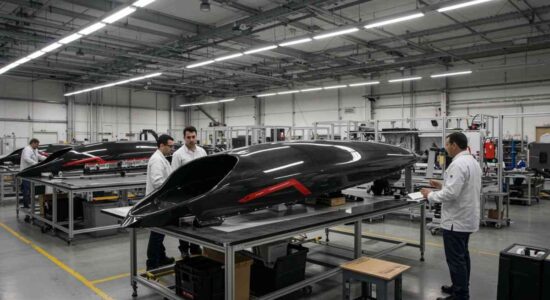
Carbon fibers, for example, offer a significantly higher strength-to-weight ratio than traditional steel. This specific characteristic is important for industries where reducing overall weight directly improves fuel efficiency and travel speed.

The Role of Carbon in Advanced Manufacturing

Understanding Molecular Structures

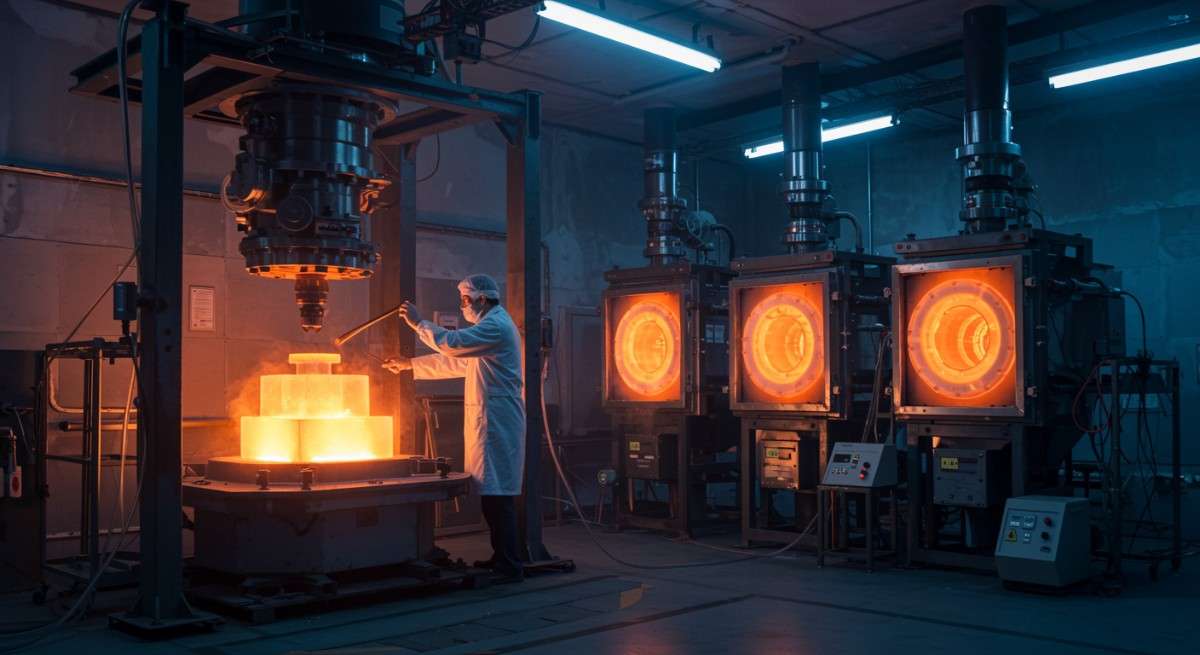
Creating superior carbon components requires specific raw ingredients and highly controlled manufacturing environments. Manufacturers often process heavy petroleum residues to create specialized precursors for carbon fibers. One highly valued precursor is mesophase pitch, which possesses a highly ordered molecular structure.

This orderly arrangement allows the resulting carbon fibers to conduct heat and electricity exceptionally well. By controlling the molecular alignment during production, scientists can dictate exactly how the final product will perform under extreme physical pressure.

Thermal Management and Conductivity

Industrial machinery generates massive amounts of thermal energy. If this heat stays trapped inside an engine or a circuit board, it can easily melt components or cause catastrophic system failures. Advanced materials address this persistent problem by providing superior thermal conductivity. They pull heat away from sensitive areas and distribute it safely into the surrounding environment.

Applications in Extreme Environments

You will find these heat-resistant compounds inside jet engines, power generation plants, and high-speed commercial braking systems. They maintain their physical shape and operational strength even when exposed to temperatures that would quickly liquefy standard commercial metals.

This incredible thermal stability ensures that critical safety systems remain fully functional during intense operations.

The Future of Industrial Efficiency

The Future of Industrial Efficiency

The continuous push for better mechanical efficiency drives material science forward. Researchers constantly experiment with new composite blends to achieve lighter, stronger, and more resilient products. As these advanced materials become easier to produce in large quantities, they will eventually replace conventional options in everyday manufacturing facilities.

Lighter parts require significantly less energy to move. Stronger parts require far fewer replacements over a ten-year cycle. Together, these practical benefits lead to a much more sustainable industrial sector. Factories can produce more commercial goods while using fewer natural resources and generating less physical waste.

Conclusion

Advanced materials form the backbone of modern industrial progress. Their unique atomic structures and incredible physical durability allow machines to operate safely in the most extreme environments imaginable.

Here is a summary of the key points:

  • High-performance materials offer superior resistance to heat, caustic chemicals, and intense physical stress.
  • Tightly packed atomic bonds provide the exceptional strength needed for heavy manufacturing machinery.
  • Carbon-based materials provide an unmatched strength-to-weight ratio for the transportation and aerospace sectors.
  • Proper thermal management prevents massive equipment failure during high-temperature factory operations.
  • Investing in advanced components leads directly to better energy efficiency and greatly reduced maintenance costs.

Understanding the science behind these compounds helps facility managers make smarter engineering choices. The continuous improvement of material properties will keep driving innovation and safety across all manufacturing sectors.

More From Author

How Homeowners Can Benefit From Kitchen Remodeling Done by a Handyman in Coon Rapids

How Homeowners Can Benefit From Kitchen Remodeling Done by a Handyman in Coon Rapids

Effects of Too Much Chocolate

When Sweet Turns Sour: The Effects of Too Much Chocolate

Inside the Armor: How Modern Military Vehicles Are Built

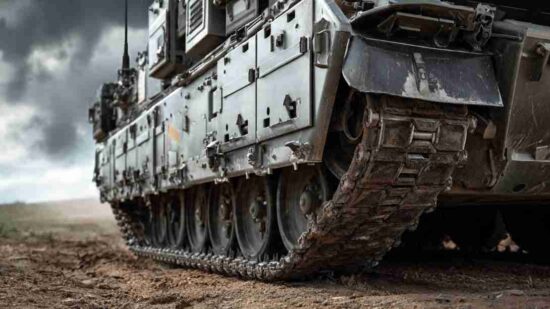
Military vehicles are some of the most advanced and resilient machines in the world. From heavily armored tanks to nimble reconnaissance vehicles, every inch of these machines is designed with one goal in mind: performance and protection under the most extreme conditions.

Modern military vehicle construction is a blend of cutting-edge engineering, specialized material for project demand, and meticulous attention to detail. Let’s take a closer look inside the armor and explore how these incredible machines are built.

The Foundation: Chassis and Frame

The Foundation Chassis and Frame

Every military vehicle begins with a robust chassis and frame. Unlike civilian vehicles, military frames are built to endure high-impact collisions, rough terrain, and even explosive blasts. The frame must support not only the vehicle’s weight but also the additional armor, weaponry, and electronics that modern combat requires.

Engineers often use high-strength steel alloys and reinforced composites to ensure the vehicle maintains structural integrity even under extreme stress.

Suspension systems are equally critical. Advanced shock absorbers and independent suspension designs allow armored vehicles to traverse rocky landscapes, muddy fields, or urban debris without compromising speed or stability. The goal is to create a platform that is both tough and agile, capable of responding to sudden tactical demands.

Armor: Protection Meets Technology

The armor is what most people think of first when imagining a military vehicle. Modern armor is no longer just thick steel plates; it’s a carefully engineered composite designed to resist a variety of threats. Reactive armor panels, ceramic composites, and even specialized Kevlar layers are combined to absorb or deflect the impact of bullets, shrapnel, and explosive devices.

Some vehicles also integrate modular armor systems. These allow damaged panels to be quickly replaced in the field, minimizing downtime and maximizing operational readiness. The interplay between weight, mobility, and protection is a constant balancing act. Too much armor can slow a vehicle down, while too little compromises crew safety.

Power and Mobility

Power and Mobility

No matter how strong the armor, a vehicle is only as effective as its engine and drivetrain. Modern military vehicles often feature high-powered diesel engines or hybrid systems that combine fuel efficiency with immense torque. Advanced transmissions and all-wheel-drive capabilities allow vehicles to navigate challenging environments—from deserts and jungles to snow-covered mountains.

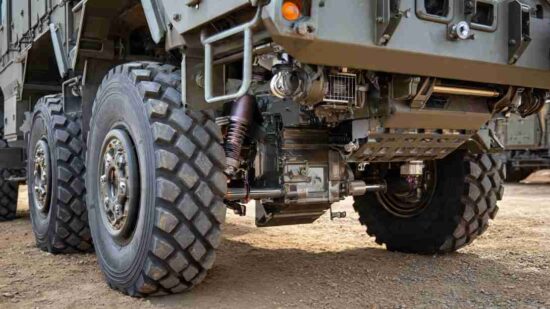
Tires and tracks are also specialized. Run-flat tires and reinforced tracks ensure that vehicles can continue moving even after sustaining damage. Engineers carefully design these systems to handle the vehicle’s heavy weight while maintaining maneuverability and speed.

Electronics and Communication Systems

Modern combat is as much about information as firepower, and military vehicles are now rolling command centers. Advanced electronics, sensors, GPS navigation, and battlefield communication systems are integrated into the vehicle’s core. These systems enable real-time coordination with other units and provide situational awareness critical for survival.

Military cable assemblies play a vital role in connecting these complex electronics reliably, even in extreme heat, vibration, or moisture. Without robust wiring solutions, the vehicle’s communication and operational systems could fail at critical moments.

Armament and Defensive Systems

Weaponry and defensive systems are carefully integrated into the vehicle’s design. Turrets, missile launchers, and automated gun systems are mounted with precision to maintain balance and stability. Some vehicles also feature countermeasure systems like smoke dispensers or active protection systems designed to intercept incoming threats.

Testing and Quality Assurance

Before any military vehicle sees the battlefield, it undergoes rigorous testing. From live-fire exercises to extreme environmental simulations, vehicles are pushed to their limits to ensure they perform under real combat conditions. Engineers constantly monitor performance data to refine designs and improve survivability.

Innovation Drives the Future

The future of military vehicle design is increasingly focused on automation, artificial intelligence, and hybrid-electric powertrains. Engineers are experimenting with unmanned ground vehicles, adaptive armor, and advanced sensor networks that allow vehicles to anticipate threats and react autonomously.

In conclusion, modern military vehicles are marvels of engineering, combining strength, speed, technology, and tactical innovation. Every component, from the chassis and armor to electronics and weaponry, is meticulously designed to meet the demands of modern warfare.

Behind the steel and circuitry lies a dedication to protecting the soldiers who rely on these machines and ensuring dominance on the battlefield.

More From Author

Performance Components for Industrial Machinery

Performance Components for Industrial Machinery

Personalized Care The Hallmark of Private Practice Physical Therapy

Personalized Care: The Hallmark of Private Practice Physical Therapy

Performance Components for Industrial Machinery

Industrial machinery is the backbone of modern manufacturing. From assembly lines in automotive plants to the intricate packaging systems in food processing, these machines are expected to run tirelessly, often around the clock. But a machine is only as good as the sum of its parts.

When one component fails or underperforms, the ripple effect can lead to costly downtime, safety hazards, and lost productivity. Choosing the right performance components isn’t just about fixing what’s broken; it’s about optimizing equipment to handle the rigors of heavy-duty operation.

Whether you are an engineer looking to upgrade existing assets or a procurement manager seeking reliable replacements, understanding the critical role of performance components is essential for maintaining a competitive edge.

This guide explores the vital elements that drive industrial efficiency, why right material selection matters, and how investing in quality components can transform your operational output.

The Heart of the Machine: Critical Performance Components

The Heart of the Machine Critical Performance Components

Every piece of industrial equipment relies on a network of interacting parts. While some are static, others endure high stress, friction, and heat. Identifying these critical components is the first step toward better maintenance and performance strategies.

Bearings and Bushings

Bearings are perhaps the most ubiquitous component in industrial machinery. They facilitate motion, reduce friction, and support loads. High-performance bearings are designed to withstand extreme environments, such as high temperatures or corrosive settings.

Upgrading to sealed or self-lubricating bearings can significantly reduce maintenance intervals and prevent contamination, which is crucial in industries like pharmaceuticals or food and beverage.

Gears and Transmission Systems

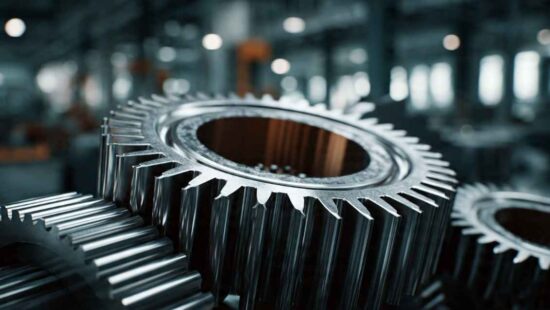
Gears transmit power and motion between machine parts. Precision in gear manufacturing ensures smooth operation and minimizes noise and vibration. In high-torque applications, the material and heat treatment of gears determine their longevity.

Using advanced alloys or surface treatments can prevent premature wear, ensuring that power transmission remains efficient over the machine’s lifespan.

Seals and Gaskets

Often overlooked, seals and gaskets are the gatekeepers of machinery. They prevent fluids from leaking and keep contaminants out. In hydraulic systems, a failed seal leads to pressure loss and system failure.

High-performance materials like Viton or PTFE (Teflon) offer superior resistance to chemicals and heat compared to standard rubber seals, making them indispensable for demanding applications.

Material Selection: The Foundation of Durability

The performance of any component is inextricably linked to the material it is made from. Material science has advanced significantly, offering engineers a broad palette of options tailored to specific stress factors.

Steel and Stainless Steel

Steel remains the standard for strength and durability. However, not all steel is created equal. Stainless steel is essential for environments prone to moisture and rust, while hardened tool steels are necessary for cutting and grinding components. Selecting the right grade can mean the difference between a part that lasts a month and one that lasts a year.

Engineering Plastics

Metals aren’t always the answer. Engineering plastics like PEEK or Nylon offer high strength-to-weight ratios and natural corrosion resistance. They are increasingly used in wear strips, rollers, and gears where noise reduction and lubrication-free operation are desired.

Lightweight Alloys

In applications where speed and energy efficiency are paramount, reducing the weight of moving parts is beneficial. This is where aluminum comes into play. It offers excellent strength-to-weight characteristics and is easy to machine.

Through processes like Aluminum CNC Machining, manufacturers can create complex, lightweight components with tight tolerances that improve the speed and responsiveness of automated machinery without sacrificing structural integrity.

The Role of Precision Manufacturing

The Role of Precision Manufacturing

Having the right design and material is only half the battle; the manufacturing process defines the final quality of the component. Precision manufacturing ensures that parts fit perfectly, operate smoothly, and perform consistently.

Tight Tolerances

In high-speed machinery, even a microscopic deviation can cause vibration and wear. Precision machining ensures that components meet exact specifications. This level of accuracy is critical for interchangeability, allowing maintenance teams to swap out parts quickly without needing extensive adjustments.

Surface Finish

The texture of a component’s surface affects friction and wear. A polished finish on a shaft, for example, extends the life of the seal running against it. Advanced finishing techniques, such as grinding, lapping, or electropolishing, are used to achieve the necessary surface quality for high-performance applications.

Maintenance Strategies for High-Performance Components

Investing in high-quality components is an excellent starting point, but maintaining them is what ensures long-term ROI. Moving from reactive to proactive maintenance strategies can drastically extend the life of your machinery.

Predictive Maintenance

Modern industrial components often integrate with sensors that monitor vibration, temperature, and noise. By analyzing this data, maintenance teams can predict when a bearing or gear is likely to fail and replace it during scheduled downtime rather than reacting to a catastrophic breakdown.

Lubrication Management

Friction is the enemy of efficiency. Using the correct lubricant—and applying it in the right amount at the right time—is critical. Automated lubrication systems ensure that performance components receive consistent protection, reducing the risk of human error and dry running.

Future-Proofing Your Operations

The industrial landscape is shifting toward smarter, faster, and more efficient production methods. As machinery evolves, the components that drive them must also adapt. High-performance parts are no longer a luxury; they are a necessity for businesses aiming to reduce their carbon footprint through energy efficiency and maximize uptime.

By focusing on the quality of critical parts—from the materials selected to the precision of their manufacture—companies can safeguard their investments. It is a holistic approach where every bolt, gear, and seal contributes to the larger goal of operational excellence.

Prioritizing superior components today lays the groundwork for a more resilient and productive tomorrow. Whether you are retrofitting a legacy system or designing a new production line, remember that the reliability of the whole is defined by the quality of the pieces.

More From Author

Affordable Ways To Maintain Oral Health With A Dentist In Maple Ridge

Affordable Ways To Maintain Oral Health With A Dentist In Maple Ridge

Inside the Armor How Modern Military Vehicles Are Built

Inside the Armor: How Modern Military Vehicles Are Built