





Due diligence requires stakeholders to review large volumes of business information. The quality of that review process often depends upon how documents are presented and accessed. A well-organised data room can create a positive impression before detailed assessments begin.
Explore practical factors that influence stakeholder perceptions during due diligence.
For many stakeholders, the first interaction occurs through company records rather than direct conversations. Document organisation, accessibility, and accuracy can shape expectations from the outset. Early impressions formed during this stage frequently influence the tone of subsequent evaluations.
First Encounters With Information Shape Investor Sentiment
A well-structured dataroom influences perceptions from the first review session. Clear folder categories help stakeholders locate essential records without delays. Financial statements, legal documents, and compliance records should remain easy to identify.
Logical document placement reduces search time during detailed evaluations. Quick access to important materials supports efficient review activities. Positive early experiences encourage greater confidence throughout subsequent assessment stages.
Document Depth Reveals Commitment to Preparation

The scope and quality of available records reveal preparation levels during due diligence.
Comprehensive Records Reflect Strategic Planning
Detailed records demonstrate preparation before formal due diligence discussions commence. Historical financial statements provide context for revenue patterns and business performance. Complete documentation reduces repeated information requests during review activities.
Historical Data Supports Narrative Consistency
Records help confirm statements shared during executive presentations. Revenue figures, operational updates, and company milestones should align consistently. Consistent information strengthens credibility throughout each assessment stage.
The Supporting Files Add Context to Key Claims
Supporting documents strengthen important claims contained within primary records. Customer agreements, audit reports, and compliance files provide useful evidence. Relevant materials help stakeholders assess information with greater confidence.
Response Speed Affects Perceived Deal Momentum
Prompt access to requested materials reflects preparation and operational discipline. Review teams frequently request additional documents after initial assessments conclude. Quick responses help maintain scheduled reviews without unnecessary interruptions.
Delays can postpone discussions and extend important decision timelines. Consistent responsiveness demonstrates respect for stakeholder schedules and priorities. Efficient communication supports smoother progress throughout the evaluation process.
Information Accuracy Establishes Immediate Credibility
Reliable information allows stakeholders to evaluate business performance with greater certainty. Just like saving tips for freelancers and gig workers depend on clear records and careful planning, due diligence also relies on accurate financial documents, consistent reports, and well-organised supporting details. Clean information helps stakeholders assess the business with greater confidence.
Consistent Figures Strengthen Trust
Accurate financial information creates a reliable foundation for business evaluation. Stakeholders compare figures across reports, disclosures, and supporting records. Consistency supports confidence throughout the assessment process.
Error-Free Records Reflect Professional Standards
Careful document reviews help prevent discrepancies before stakeholder access occurs. Correct figures, dates, and references support efficient evaluation activities. Attention to detail reflects professionalism across important business functions.
Verified Data Supports Confident Assessment

Independent audits strengthen confidence in financial and operational disclosures. Verified information reduces uncertainty during important review discussions. Reliable records support informed conclusions throughout due diligence.
User Experience Influences Stakeholder Engagement
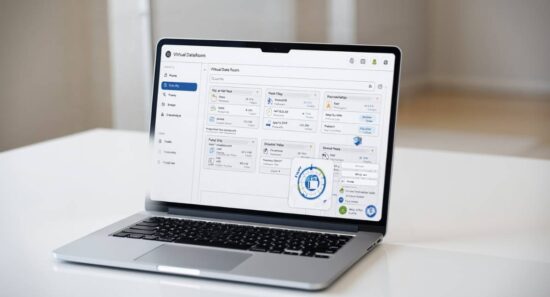
Simple navigation improves efficiency during extensive document review processes. Intuitive layouts help stakeholders locate materials with minimal effort.
Search tools allow faster access to specific contracts and reports. software error rcsdassk can interrupt digital workflows, poor data room organisation can slow stakeholder reviews and create avoidable confusion.
Secure permissions protect confidential information without limiting necessary access. Search tools allow faster access to specific contracts and reports.
Secure permissions protect confidential information without limiting necessary access. Convenient platform features support productive reviews across multiple stakeholder groups. Efficient user experiences help maintain focus on business evaluation objectives.
Due diligence depends upon accurate information, efficient access, and consistent documentation. Stakeholders can evaluate records more efficiently when materials remain organised and accessible.
Clear structure and reliable information support faster assessments and more productive discussions. Consider a high-quality dataroom because it can simplify reviews and strengthen stakeholder confidence.
Strong preparation helps maintain momentum throughout important transaction stages. Effective information management can contribute to smoother evaluations and better business outcomes.