


analytics = 833.322.6760, 8448520347, 800 notes, 7168738800, 8005113030, 8662783536, 9525620902, 8333163276, 9133123280, 8558425860, 8777640833, 2567447500, 18669852273, 8559977348, 8775895169, 6123010199, 8777458562, 8447297641, 8556792141, 5018218349, 6468760617, 8559712260, 8557390856, 8339310230, 3106677534, 8339842440, 9547875035, 6163306276, 18004441676, 8558348495, 7864225581, 9094067513, 8602739995, 18339793337, 8553020376, 9513245248, 5164226400, 2675259887, 8339060641, 8139469478, 2486022768, 2064395787, 5595330138, 5127649161, 8163354148, 5165660135, 9723750568, 2085144125, 18559694636, 5028227768, 5104709740, 2107644963, 9513947262, 8772865954, 6266570594, 8442891118, 8008280146, 7714445409, 8664368150, 18006951063, 8779140059, 8017425882, 2245434298, 4234820546, 8442712583, 9547434255, 8445073876, 18662058022, 18004367961, 8445369495, 8448747445, 9513895348, 8017835887, 9136778319, 5095810139, 18005271339, 6178265171, 8338428100, 4699988648, 8337030945, 5132830807, 8669072272, 7027650554, 18003959733, 8882288896, 8007017918, 8882961958, 9164315240, 3134238040, 8333859445, 8885090457, 8008399369, 9183984181, 6125681561, 8555737348, 7035746171, 9804026136, 3392036535, 8014388165, 8339124265, 2484556960, 8652940491, 6788532772, 18002319631, 4432611224, 5174402172, 5166448345, 8574156189, 9208318998, 2814084487, 3237827205, 9035937800, 6147636366, 8886375121, 18667153526, 6156855230, 9133120992, 6027675274, 8326849631, 6363626977, 8014388261, 6163306271, 5128465056, 6164252258, 8008994047, 6506189519, 5133970850, 8006601779, 8668010144, 8555894252, 6163177933, 4079466140, 8655460256, 18884209943, 3464268887, 8442449538, 7043866623, 8444211229, 8102759257, 4345281742, 9493175442, 4123879299, 8382211532, 3309133963, 5109849896, 8556482575, 7072899821, 2014658491, 6032157860, 7628001252, 2082327328, 3522492899, 972-476-8208, +1 (800) 555-0433, 7753840563, 4694890551, 8327349150, 2702971125, 8008545695, 6106006953, 2146516900, 9037651217, 7047058890, 8668219635, 8033391481, 9592307317, 8595594907, 8332685291, 8555710330, 8778334675, 2102440850, 18008778623, 9513387286, 4029339118, 6103444430, 8662222197, 7273618338, 6159840902, 8555154190, 8668418679, 8338780449, 5417666200, 9185121419, 3237160444, 3606338450, 6198259510, 8888570668, 8083399481, 18668404246, 9032130471, 18007457354, 8662900505, 9512277184, 14075830183, 877-613-7414, 8669145806, 8884135452, 8339870385, 5412621272, 4085397900, 4049960554, 9043278492, 8008109337, 3148962604, 2625778200, 2533722173, 7702240355, 2602796153, 8442568097, 4045674598, 8778135595, 6627789116, 8666148679, 432.535.3346, 8552199473, 18008784733, 8656696225, 4172640211, 2694480187, 8004800186, 8728107133, 8554290124, 8445417310, 8088094977, 3854774827, 6149229865, 8558318013, 8886227328, 8669289240, 2162086661, 8449263585, 8656868483, 9126165004, 4342647097, 4698902115, 9738424694, 8009249033, 8662962852, 8004836205, 7637606200, 9549534317, 9085288998, 8665592621, 9097290670, 8885365114, 6282074108, 9515725134, 9725268500, 18886918661, 4028589809, 5135840000, 9542026998, 3606338409, 3392120655, 9375304801, 4699825009, 7158365720, 7133540191, 5176576800, 7015400761, 8007620276, 7314100312, 8133644313, 4014142386, 8556829141, 18003473764, 5163279500, 2177711746, 8338394140, 8008442881, 8442356275, 9737509291, 8053218829, 5138030600, 866.266.1445, 18667066894, 18448302149, 9592998000, 8668518500, 3618257777, 8132108253, 9134285296, 18667331800, 6182062806, 6196931509, 5052530598, 2692313137, 8322632311, 4089635659, 3122340781, 8665270007, 8884315114, 8327010295, 8886230286, 18337632033, 7276978680, 8662847625, 7046297142, 5709082790, 6176829138, 18663243120, 18888447979, 833-793-2634, 3146280822, 2817169800, 8003966861, 2092152027, 8772379648, 8779100501, 6304497394, 6613686626, 7864325077, 8667061341, 8443168434, 18007793351, 2816679193, 6182213001, 8165459795, 800-660-1779, 3865648082, 4057539884, 6304757000, 8665212613, 8339014153, 4018686200, 7177263148, 8446717272, 6026889985, 6122950822, 18775007697, 8727025274, 877-870-8046, 4107533411, 8594902586, 3175548779, 4023164651, 8442409757, 6155909241, 4692706636, 8447089406, 2183167675, 9367097999, 18003239865, 5107750767, 8336411330, 8666136856, 8776137414, 5048420550, 8174924769, 409-761-7631, 8772810415, 6175170000, 6176447300, 516-644-8345, 8014388150, 8014363101, 8446600349, 8445720731, 8446012486, 9529772019, 8004160599, 2105867691, 8174761844, 8777665220, 3606338365, 2159873706, 8126413070, 7578520784, 2155830758, 2133442341, 8014388461, 8556302480, 9013702057, 6467622601, 7083655202, 1-877-870-8046, 2505814253, 8152877145, 2173264646, 7654422019, 8442677109, 844-306-7833, 8775787552, 8624140848, 8555422416, 9544406856, 8009410164, 2193102036, 3237460973, 8332178326, 8133207059, 18003105587, 8178548532, 8772595779, 8044452446, 8336852203, 5136555021, 8042933450, 713-332-2838, 8556769075, 8447100373, 8446180908, 6512551000, 6144058912, 8332891205, 8336370667, 8124350998, 7133537813, 312-653-2073, 7083919045, 5403084012, 9529790948, 2177491008, 4079466142, 8333880562, 6183319022, 8776363716, 8012367598, 2816916103, 5165029686, 6087759139, 9045699303, 5614348400, 9085056898, 9297441323, 18002201614, 844-391-1092, 3364387172, 4708878685, 9803167472, 2093324588, 4052173481, 3055038807, 9044785041, 7137309500, 9513707315, 18002378990, 6232238196, 5026653794, 4057240741, 9543793034, 8884700655, 9512521067, 5703752113, 9299952002, 2565103546, 8134486919, 6266390332, 4049650560, 5303227024, 5106464099, 4075457432, 18663524737, 8887278618, 8084899138, 5082518001, 3183544193, 8037168112, 4807508966, 8586578575, 2095506110, 18008898740, 5416448102, 8666687301, 919.214.5402, 5864987122, 6302429143, 9547459648, 4844836206, 7145099696, 8665838119, 8004439164, 8007082736, 8779949115, 8003280355, 4085982269, 424.385.0597, 4054483292, 4694096508, 18884534330, 4844522185, 3606338412, 7133322838, 8007430511, 4703975724, 8082130841, 18662916365, 8664482002, 5707403282, 4072037536, 8332665655, 8557074599, 18555013051, 8668446972, 5128425148, 8337932634, 8329751010, 6156759252, 7173219013, 5165660134, 6152482618, 888-785-2471, 8553395442, 7204563710, +1 (312) 653-2073, 8339833264, 8555159372, 8448348551, 8665207789, 4072357388, 8883237625, 8014388316, 5622422106, 412-405-6064, 7657513244, 4089773512, 4176225719, 866.376.4584, 8166310333, 4122148544, 5702803018, 8667677603, 5407317304, 8054296716, 9712734028, 5102572527, 18776898870, 2075485013, 8559590200, 9545058434, 9089558128, +1 (320) 207-5189, 8447553258, 8662261020, 7135568949, 6303879597, 4149558701, 7209152170, 8008298374, 8558078675, 8666136857, 8669972488, 2014623980, 8013365041, 7083164009, 6622553743, 4158519136, 8339721292, 18008994047, 201-462-3963, 8887852471, 7702823288, 18007450572, 2672232367, 8333425412, 8008423225, 6516034340, 9044210685, 3032423254, 8777708065, 8043123644, 5138600470, 4073030519, 18009359935, 9152453436, 3308355902, 4125577457, 5183636075, 3362525901, 18663902348, 8143590227, 18009145582, 8172104278, +1 (866) 593-3926, 2105201454, 8332316512, 866.914.5806, 866-613-6857, 7819276501, 8332819623, +1 (866) 613-6857, 5135696117, 6506819470, 6147320721, 866-702-4725, 6266577222, 4055638384, +1 (614) 890-1025, 9036860067, 2816701587, 2487855500, 8442006330, +1 (623) 462-7106, 8666746861, 7158988041, 877 770 8125, 7343485117, 9727530822, 8776380175, +1 (866) 914-5806, 6126721631, 18003653234, 9512237966, 5702771040, 5025155312, 7172515048, 18005303790, 214-226-9139, 8889764904, 4025595100, 8448439155, 8016192557, 6083255121, 2403122052, 8335841371, 4044133261, 8324583317, 6233529406, 5208663325, 8776421554, 8014075254, 877 613 7414, 18005284800, 5135723375, 5034614545, 206-453-2329, 801-413-7200, +1 (855) 283-3957, 8004351415, 18888002527, 8776236765, 5094747159, 6036681119, 4086921193, +1 (877) 647-8551, 8087680000, 8337002510, 7174070772, maxwell and bryant group, 8668594380, 7177896033, 7208481788, 866-914-5806, 18009220204, +1 (888) 994-2320, 18003683110, 8666484519, 2107829213, 8882795504, 662-255-3743, 5052779866, 7172968088, 7756877101, 800-276-3744, 18004321000, 8883731969, +1 (800) 530-3790, 6157471813, 6788062977, 402-220-1248, 9525630843, 8662855312, 8776918086, 877-417-4551, 877-770-8125, 8884640727, 8435820002, 8884141045, 5202263623, 8339901915, 8559731040, 4043853637, 888-991-5696, +1 (877) 770-8125, 6158007010, 888-250-7027, 8889346489, +1 (888) 993-2902, 8003318859, 2252143974, 8442449425, 7144490377, 8014137200, 8333725815, +1 (800) 435-1415, 6097982556, 8155179338, 3158495499, 4014446877, 9472221080, 18009454701, +1 (888) 611-6904, 8553308653, 855-581-1994, 4243459294, 866-716-9062, 6468882001, 866-680-8628, +1 (978) 938-4194, 201-462-3980, 855-419-7365, +1 (847) 426-9203, 7033320600, +1 (800) 988-8019, 8888922253, 888 266 2278, 8003973342, 8884864722, 8009220204, 7205366300, 7136965500, 866-593-3926, 9514254239, 2069220880, 5732452104, +1 (800) 654-8818, 7632743899, 916-545-8389, 888 934 6489, 5627253046, 7175316640, 877-556-9255, +1 (540) 546-0824, 978 444 5700, 8888023080, 4014303033, 8008757159, 206 453 2329, 855-330-8653, 3462149844, 8659469900, 1-800-388-5512, +1 (206) 922-0880, 4433979200, 8667620558, +1 (866) 348-6231, 5712932365, 6786662731, 1-800-432-1000, 5043842543, 8434384166, +1 (888) 899-6650, 8777284206, 6152130831, 8002760901, 8663486231, 2128459525, 8009520270, 8885130708, 18004365657, 888-899-6650, 8005550433, 8338950323, 8559422422, 8009552292, 4845263150, 8595929161, 3602199415, 402 935 7733, 8558998232, 8888426328, 18009398164, 18002818274, 4122676767, 4179900203, +1 (800) 528-4800, 18886166411, 8004517269, 5705590121, 5157353419, 921 area code, +1 (888) 373-1969, 8015260950, 4077322416, 6788532430, 513-831-2600, 888-373-1969, 18003801196, 8442437370, +1 (404) 806-4811, 8886890122, area code 531, +1 (800) 946-0332, 707, 888 373 1969, 6178788190, 8558369705, 248-434-5508, 844 area code, 8552073383, 1111111111, 2257653120, 6189446426, 6292588750, 800-922-0204, 18009346489, 407-732-2416, 5136961920, 18669544405, 9199147004, 8442069035, 480, 18335421564, 6148901025, +1 (800) 608-2581, 800 922 0204, +1 (888) 486-4722, po box 247001, 9043807465, 612-815-5000, 6105462466, 18336421007, 18009228228, 235 area code, 18002823214, +1 (877) 647-8552, 8777335189, 3333, 8009200482, 8552780432, 8332076202, 365 area code, 639 area code, 18666201302, 18003472275, 763-274-3899, 8558590047, 18003047265, 8886116904, 7139369494, 18008887243, 6126722492, 3139607914, 8665160115, area code 639, +1 (800) 955-6600, 8009888019, 18005237020, 8669288598, 3372695110, 18448238902, 8666808628, 8336977328, 8774220763, 5107474557, 9133863627, 8008420588, 8556148530, 8009420854, 8663287946, 8888399638, 18005567677, 2069267485, 1-800-745-7354, 5405460589, 8654706200, 8664683371, 18003973342, 3202075189, 8009200477, 800-528-4800, area code 825, +1 (800) 943-2189, 5095528142, 438, 984, 18662525777, 18002965598, 18003151907, 18887291404, 8005284800, 8003371809, 8008870224, 8779020006, 844-206-9035, 8655237183, 7342320000, 9999999999, 888-611-6904, 18009001361, 18007771681, 8002149506, 999-999-9999, 8009556500, 5039458199, callerescort, 2815176333, 18667465501, 18006347404, 6233529402, 8552296544, 8889942320, 18009556600, 8008693557, 8664548855, 5405460824, 8665933926, 8554197365, 8448268400, area code 204, 8667679323, 8665728798, 8008456167, 6303837266, 9512432271, 866 area code, 8664084070, 8002799032, 888-802-3080, 781-694-9000, 18005328082, 888-934-6489, 8666740156, 8056377243, 1223, 2163489700, 8339342639, 18887106818, 8004633339, 2064532329, 8004321000, 18003145524, 18002045785, 7817966000, 8339140595, 8668586729, 18002763214, 8889417233, 8557077328, 226 area code, 8009460332, 805-637-7243, 866-712-7753, 781-566-8000, 204 area code, 18882662278, 800-845-6167, 8008600644, 877.714.1509, 18003182596, 201, 8776478552, 8008520411, 8009666546, 7816569000, 800-463-3339, 9784445700, 800 955 6600, 1-800-865-9408, 800-966-6546, 8664300311, 844-466-5519, 800-655-2265, 5138312600, 1-800-522-5633, 8556248963, 8665359492, 8882662278, 800-227-4825, 1-800-227-4825, 8882804331, 1-833-275-3287, 800-955-6600, 3343963000, 855-707-7328, 866-858-6729, 8662581104, 18007332767, 3123804033, 800-288-2020, 8337351894, 7815668000, 6174885400, 410-965-1234, 1-800-925-6278, portfoliorecov, 8009432189, 8667127753, 833-267-6094, 888-266-2278, 8883347978, 866-258-1104, 8009505114, 8884694520, 800-292-7508, 877-242-7372, 813 area code, 8662387212, 1-800-955-6600, 8553376884, 609 area code, 8008413000, *86, 1-800-937-8997, 5278, 8009556600, 888-469-4520, 312-380-4033, 8009557070, 470 area code, 800-279-9032, 18003280355, 844-227-5237, 1-800-841-3000, 8167127753, 1-800-528-4800, 1-800-463-3339, 1-800-935-9935, 71924449671, 8882211161, 18007241633, 8008232318, 1-800-837-4966, 402-935-7733, 18002241591, 800-823-2318, 21038516219, 1-877-825-3242, 800-925-6278, 1-833-873-8237

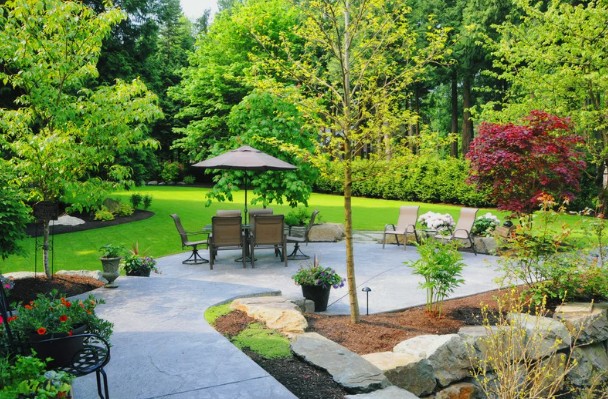
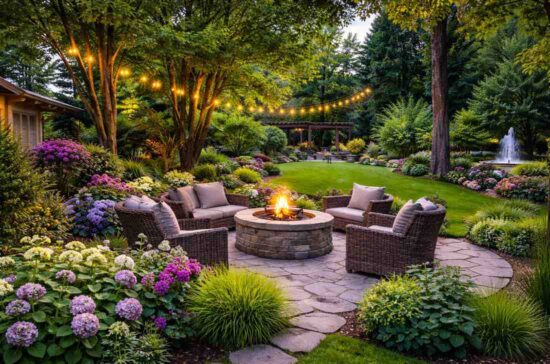
Cultivating a Serene, Low-Maintenance Outdoor Sanctuary

Embrace the joy of a beautiful outdoor living area without the constant upkeep. Finding time for relaxation is precious, and your outdoor space should be a haven, not a chore.

This guide walks you through innovative strategies and design choices to transform your garden or patio into an effortlessly elegant retreat. Discover how to create an appealing environment for peaceful escapes.

Strategic Plant Selection for Minimal Effort
Strategic Plant Selection for Minimal Effort

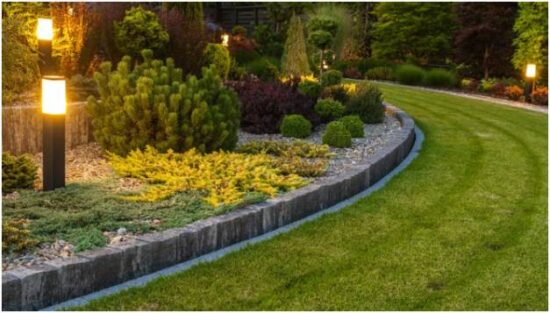
Selecting the right vegetation is the foundation of any easy-care landscape. By making informed choices about what you plant, you can drastically reduce the amount of time spent watering, pruning, and fertilizing throughout the year.

Opting for Native and Drought-Tolerant Species

Native plants are uniquely adapted to your local climate and soil conditions, which means they require significantly less intervention to thrive.

Drought-tolerant species go a step further by minimizing your watering needs. Once established, these hardy plants can survive long dry spells, reducing your water bill and saving you from the daily chore of dragging a hose around the yard.

Incorporating Perennials and Shrubs

Unlike annuals that need to be replanted every single year, perennials return season after season, offering long-term beauty for a one-time effort. Shrubs provide excellent structure and greenery with minimal upkeep.

For instance, planting resilient shrubs from stores in Salt Lake City requires selecting varieties that can handle both the snowy winters and dry summers. Choosing the right regional shrubs ensures your landscape looks robust year-round without constant tending.

The Benefits of Container Gardening

Container gardening is a highly manageable way to add color and texture to your patio or balcony. Pots restrict weed growth and make it incredibly easy to control soil quality.

If a plant is struggling, you can simply move the container to a more suitable location for better sun or shade. This method keeps your gardening tasks centralized and highly accessible, preventing back strain and saving time.

Smart Hardscaping Choices
Smart Hardscaping Choices

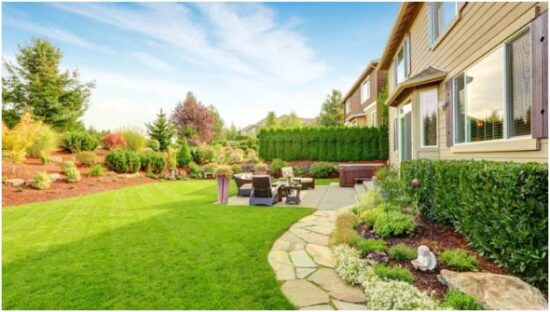
Hardscaping refers to the non-living elements of your landscaping. Homeowners should know before they remodel or design by integrating more hard surfaces reduces the total area dedicated to lawns and demanding garden beds, instantly cutting down on mowing and weeding.

Paving and Pathways: Durability and Aesthetics

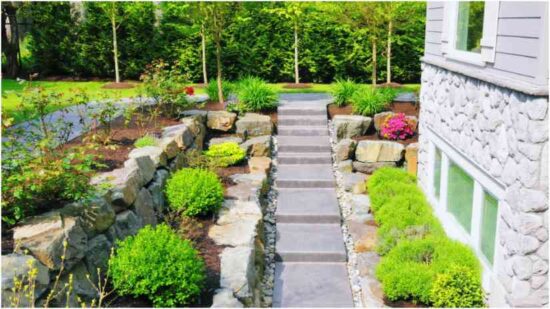
Gravel, natural stone, and concrete pavers offer long-lasting durability with virtually zero upkeep. A well-designed stone pathway not only guides guests through your sanctuary but also replaces high-maintenance grass. Pavers can be arranged in intricate patterns to add visual interest, proving that you do not have to sacrifice aesthetics for the sake of practicality.

Decking Materials: Low-Upkeep Options

Traditional wood decks are beautiful but demand regular staining, sealing, and repairs. Composite decking materials provide the aesthetic appeal of natural wood without the intense maintenance schedule. These modern alternatives resist rotting, splintering, and fading. A simple occasional wash with soap and water is typically all that is needed to keep a composite deck looking brand new for decades.

Raised Beds for Easier Gardening

Raised beds elevate your plants, providing better drainage and warming the soil faster in the spring. More importantly, they save your back and knees from the strain of bending over. By filling raised beds with high-quality soil and compost from the start, you create an ideal growing environment that requires less weeding and tilling compared to traditional ground-level garden plots.

Efficient Irrigation Systems

Watering by hand is one of the most time-consuming gardening chores. Automating this process ensures your plants get exactly what they need while freeing up your schedule.

Drip Irrigation for Water Conservation

A drip irrigation system delivers water directly to the base of your plants, minimizing evaporation and runoff. This targeted approach prevents weeds from getting unnecessary hydration and keeps plant leaves dry, which helps prevent fungal diseases. It is a highly efficient way to keep your outdoor sanctuary lush without wasting natural resources.

Smart Timers and Sensors

Connecting your irrigation setup to a modern digital timer removes the guesswork from watering. Advanced systems feature weather sensors that automatically adjust the watering schedule based on recent rainfall or extreme heat. This automated technology guarantees your landscape receives the perfect amount of moisture, allowing you to go on vacation without worrying about returning to withered plants.

Furniture and Decor: Durability and Simplicity

Your choice of outdoor furnishings plays a massive role in how much time you spend cleaning and maintaining your patio area.

All-Weather Furniture Materials

When selecting seating and dining sets, prioritize materials engineered to withstand the elements. Powder-coated aluminum, synthetic wicker, and high-density plastics resist rust, UV damage, and moisture. These materials can be left outside year-round without deteriorating, eliminating the heavy lifting required to store furniture away every time the seasons change.

Minimalist Decor for Easy Cleaning

A cluttered patio requires constant moving, wiping, and organizing. Embracing a minimalist decor style creates a clean, serene environment that is remarkably easy to sweep and wash. Focus on a few bold statement pieces—like a single elegant fire pit or a large, striking planter—rather than dozens of small knick-knacks that collect dirt and debris.

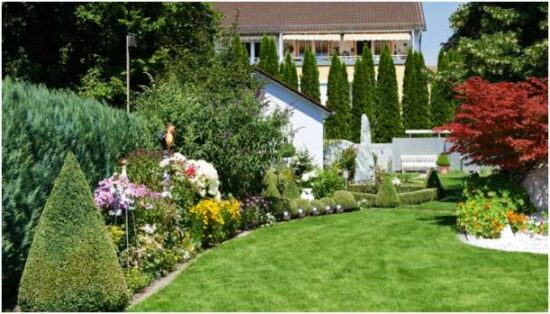
Design Principles for Reduced Maintenance
Design Principles for Reduced Maintenance

Thoughtful layout and planning can stop maintenance issues before they even begin. Applying strategic design principles ensures your garden works with you, not against you.

Grouping Plants with Similar Needs

Hydrozoning is the practice of grouping plants based on their water and sunlight requirements. By keeping thirsty plants together and drought-tolerant varieties in a separate zone, you streamline your watering routine. This prevents overwatering your dry-loving plants and underwatering the moisture-loving ones, resulting in a healthier, more self-sustaining garden.

Utilizing Mulch and Ground Cover

A thick layer of organic mulch is a low-maintenance gardener’s best friend. Mulch suppresses weed growth, retains soil moisture, and regulates soil temperature. As it breaks down, it enriches the earth with valuable nutrients. Alternatively, spreading low-growing ground cover plants forms a living carpet that naturally chokes out weeds and prevents soil erosion.

Creating Defined Zones

Establishing clear boundaries between different areas of your yard keeps maintenance tasks manageable. Using hard edging materials like steel, brick, or stone between your lawn and garden beds stops grass from creeping into your flowers. Defined zones create a neat, organized appearance that requires far less trimming and edging to maintain its crisp architectural lines.

Conclusion

Designing a low-maintenance outdoor space is an investment in your peace of mind and leisure time. By thoughtfully choosing plants, materials every beginner landscaper should know, and design elements, you reduce the effort required to keep your outdoor area looking its best. The goal is to create a harmonious extension of your home where you can relax without the burden of endless chores. Start your transformation today.


More From Author

Essential Materials Every Beginner Landscaper Should Know

Essential Materials Every Beginner Landscaper Should Know

From Rent to Revenue How to Pick a Profitable Business Location

From Rent to Revenue: How to Pick a Profitable Business Location

Approve Your Curb Appeal: Affordable Tips for a Stunning Exterior

Your home’s exterior is the first impression anyone has of your property, and nothing communicates care and pride more than a well-maintained façade. Whether you’re planning to sell, welcome guests, or simply enjoy a beautiful home environment, improving your curb appeal doesn’t have to drain your wallet.

With a few smart strategies, you can elevate your home’s exterior and create a stunning look that lasts. Here’s how to approve your curb appeal affordably and effectively.

1. Start With a Clean Slate

Before investing in new decorations or landscaping, start with a thorough cleaning. Power-wash driveways, sidewalks, and siding to remove dirt, grime, and mildew. Clean windows inside and out for a sparkling finish. A tidy, clean exterior instantly boosts your home’s appearance and makes any additional improvements more impactful.

2. Refresh Paint and Accents

Refresh Paint and Accents

One of the most cost-effective ways to improve your home’s exterior is with paint. Consider painting your front door a bold, inviting color that complements your house style. Trim work, shutters, and fences can also benefit from a fresh coat of paint. Even minor touch-ups can make a significant difference, giving your home a polished and cared-for look without the cost of major renovations for maximizing the land value.

3. Upgrade Landscaping Smartly

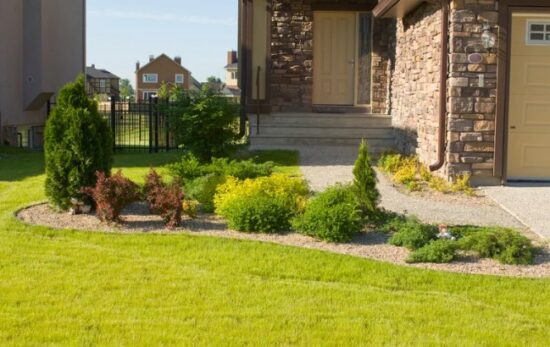
Landscaping plays a huge role in curb appeal. Start with easy wins like trimming overgrown bushes, removing dead plants, and mowing the lawn regularly. Adding colorful, seasonal flowers in pots or flower beds can brighten up your entryway instantly.

Mulching garden beds not only looks neat but also improves soil health. For homeowners in Logan, professional lawn care services can make maintaining a lush, vibrant yard hassle-free, giving your exterior an immediate lift.

4. Enhance Your Entryway

Your front entrance sets the tone for your home. Adding small touches like a new welcome mat, updated house numbers, or stylish outdoor lighting can make your entry more inviting. Consider potted plants or a small bench to create a welcoming atmosphere. A well-thought-out entryway is a simple and inexpensive way to make your home feel more polished and approachable.

5. Prioritize Function and Comfort

Prioritize Function and Comfort

Curb appeal isn’t just about aesthetics; it’s also about upkeep. Check for broken gutters, cracked walkways, or peeling siding. Replacing worn-out hardware, like door handles or mailbox numbers, can modernize the look instantly. These small repairs prevent your home from appearing neglected and show that you value maintenance and care.

6. Focus on Lighting

Outdoor lighting not only enhances safety but also highlights your home’s best features. Consider installing solar-powered path lights, lantern-style porch lights, or string lights to illuminate patios and garden areas. Well-placed lighting creates a warm, welcoming ambiance during evening hours and makes your home stand out even after dark.

7. Add Affordable Decorative Touches

You don’t need to spend a fortune to make your home visually appealing. Decorative touches like window boxes, garden statues, or seasonal wreaths can add personality and charm. Rotate decorations seasonally for a fresh, updated look that keeps your exterior interesting and attractive.

8. Maintain Regular Upkeep

The key to lasting curb appeal is consistency. Regularly mowing the lawn, trimming shrubs, and cleaning surfaces will prevent your home from looking neglected. Set a maintenance schedule for tasks like power washing and painting touch-ups. By staying on top of regular upkeep, your home will continue to impress year-round without costly overhauls.

9. Prioritize Function and Comfort

Prioritize Function and Comfort

Remember, curb appeal isn’t just about aesthetics; it’s also about creating a functional outdoor space. Clear pathways, comfortable seating, and organized gardens improve usability while boosting visual appeal. A space that looks great and functions well reflects thoughtful design and care.

10. DIY vs. Professional Help

Many improvements can be handled DIY, but some tasks, like landscaping or major repairs, may benefit from professional expertise. In addition to Logan lawn care services, consider hiring professionals for tasks like tree trimming, exterior painting, or pressure washing for a flawless finish. Combining your own efforts with expert help is a smart way to achieve maximum impact affordably.

Final Thoughts

Approving your curb appeal doesn’t have to be expensive or overwhelming. By starting with a clean slate, refreshing paint and accents, enhancing landscaping, and paying attention to small details, you can create a stunning exterior that makes your home a standout on the street.

Regular upkeep and strategic improvements ensure that your investment continues to pay off, both in beauty and in value. With these affordable tips, your home will impress visitors and neighbors alike, reflecting the care and pride you put into your property.

More From Author

Maximizing Land Value Smart Development Strategies

Maximizing Land Value: Smart Development Strategies

What Your Interior Designer Needs to Know Before Starting

What Your Interior Designer Needs to Know Before Starting

Reclaim Your Weekend: The Ultimate Guide to Low-Maintenance Landscaping

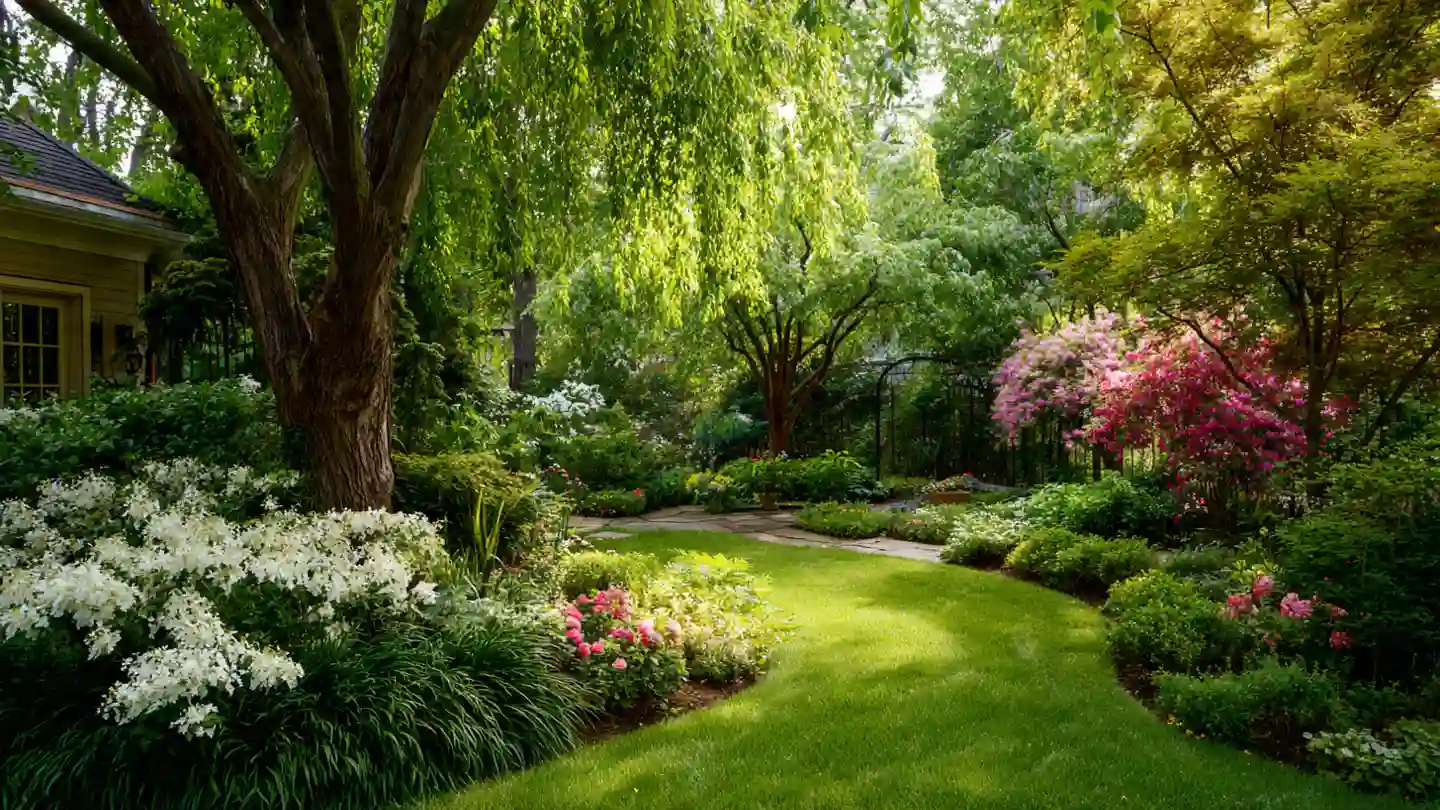
Many homeowners desire a beautiful yard but are overwhelmed by the constant upkeep. Low-maintenance landscaping offers a practical solution to save time, water, and effort while enhancing curb appeal. Through strategic design choices, such as selecting appropriate plants, redesigning the layout, and utilizing technology, it’s possible to create a yard that requires minimal care. This guide will explain how to create a more effortless outdoor space.

Understanding Your Local Climate and Soil

The first rule of low-maintenance gardening is working with nature rather than against it. Trying to grow tropical ferns in a desert or sun-loving succulents in a shady, damp forest is a recipe for constant struggle. To create a self-sustaining landscape, you must first understand the specific conditions of your property.

Start by identifying your USDA Plant Hardiness Zone. This standard tells you which plants are most likely to survive the winter temperatures in your area. However, you also need to consider microclimates within your own yard. Do you have a spot that gets scorched by the afternoon sun? Is there a low-lying area that stays boggy after a rainstorm? Mapping these out helps you place plants where they will be happiest.

Soil health is equally critical. Is your soil sandy and fast-draining, or is it heavy clay that holds water? A simple soil test can reveal your pH balance and nutrient levels. Amending your soil to suit a specific exotic plant is labor-intensive and rarely sustainable long-term. Instead, choose plants that love the soil you already have. When plants are in their preferred environment, they grow stronger, resist pests better, and require fewer fertilizers and interventions.

Plant Selection: Native and Drought-Resistant Options

Plant Selection: Native and Drought-Resistant Options

Once you know your site conditions, the fun part begins: choosing your greenery. For a garden that essentially takes care of itself, native plants are the gold standard.

Native plants have evolved over thousands of years to thrive in your specific region’s climate and soil. They are accustomed to local rainfall patterns and have developed natural defenses against local pests. This means you can say goodbye to frequent watering and harsh chemical pesticides.

Here are a few categories of plants to consider for a hands-off approach:

Perennials over Annuals

Annuals, like petunias and marigolds, provide a burst of color but die after one season, requiring you to replant every year. Perennials, on the other hand, come back year after year. Plants like cone-flowers, hostas, and daylilies are robust, spreading to fill gaps and effectively crowding out weeds.

Drought-Tolerant Varieties

Xeriscaping isn’t just for desert dwellers. Incorporating drought-resistant plants like lavender, sedum, and ornamental grasses can drastically cut down your water bill and your time spent holding a hose. These plants have deep root systems or water-retaining foliage that allow them to survive dry spells with ease.

Evergreens for Structure

Deciduous shrubs drop leaves that need raking. Evergreens keep their foliage year-round, providing constant structure and color without the autumnal mess. Dwarf varieties of boxwood or juniper grow slowly, meaning they won’t need constant pruning to keep them in check.

Hardscaping: The Backbone of Low-Maintenance Design

Hardscaping The Backbone of Low-Maintenance Design

One of the most effective ways to reduce yard work is to reduce the amount of “yard” you actually have. Lawns are notoriously high-maintenance, often requiring weekly mowing, watering, fertilizing, and aeration. Hardscaping offers a stylish and functional alternative.

Hardscaping refers to the non-living elements of your landscape: patios, walkways, retaining walls, and decks. By expanding these areas, you create more usable living space while simultaneously shrinking the green space that needs tending.

Consider replacing a struggling patch of grass with a gravel courtyard or a flagstone patio. Permeable pavers are an excellent choice as they allow rainwater to soak into the ground, reducing runoff and watering needs for nearby plants.

If you aren’t ready to give up greenery entirely, consider “soft” hardscaping options like clover lawns or moss pathways. These alternatives stay low to the ground, require no mowing, and stay green even when water is scarce.

Irrigation Strategies: Efficient Watering Techniques

If you are still dragging a hose and sprinkler around the yard, it’s time for an upgrade. Inefficient watering is not only bad for the environment; it’s a major time sink.

Drip Irrigation

Drip systems deliver water directly to the base of the plant where it’s needed most. Unlike overhead sprinklers, which lose a significant amount of water to evaporation and wind, drip lines soak the root zone slowly. This keeps foliage dry, reducing the risk of fungal diseases, and discourages weeds by not watering the empty spaces between plants.

Smart Controllers

Modern technology has revolutionized garden care. Smart irrigation controllers connect to local weather stations via Wi-Fi. If rain is in the forecast, the system will automatically skip a watering cycle. If a heatwave is coming, it can adjust to give your plants a little extra drink. This “set it and forget it” approach ensures your plants get exactly what they need without you lifting a finger.

Maintenance Tips: Seasonal Tasks and Long-Term Care

Even a low-maintenance landscape requires some attention, but the goal is to work smarter, not harder. By staying on top of a few seasonal tasks, you can prevent small chores from turning into weekend-long projects.

Mulch is Magic: Applying a layer of organic mulch (like wood chips or shredded bark) is the single best thing you can do for your garden. It suppresses weeds by blocking sunlight, retains soil moisture, and adds nutrients to the soil as it breaks down. A 2-3 inch layer applied in spring can save you hours of weeding and watering in summer.

Pruning: Choose plants that don’t need constant shaping. If you do have shrubs, prune them at the right time of year (usually late winter or early spring) to encourage healthy growth.

Weed Control: Tackle weeds early in the season when they are small and roots are shallow. A quick 10-minute walk-through once a week is far easier than trying to clear a jungle in August.

Case Studies: Examples of Successful Low-Maintenance Landscapes

To visualize how these principles come together, let’s look at two distinct approaches to low-maintenance design.

The Modern Minimalist

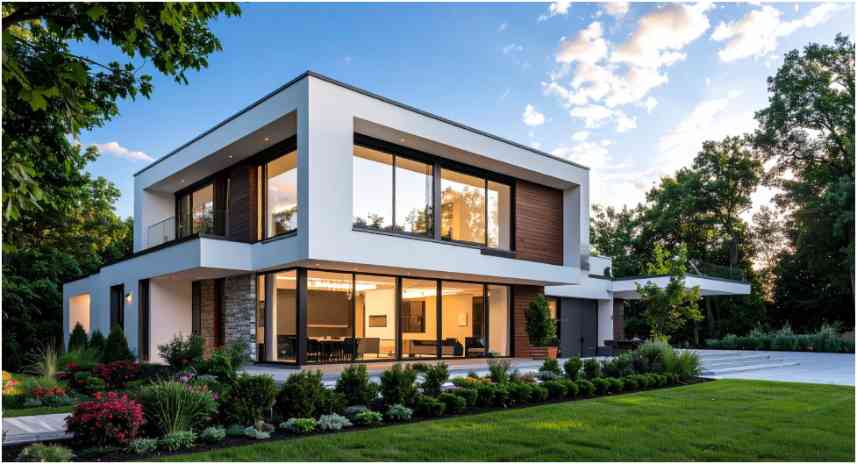
This design replaces the front lawn with a geometric layout of river rocks and large concrete pavers leading to the front door. Architectural succulents like agave and yucca are planted in strategic clusters, requiring water only once a month. The result is a sleek, contemporary look that requires virtually zero maintenance aside from blowing leaves off the stones in autumn.

The Wildflower Meadow

The Wildflower Meadow

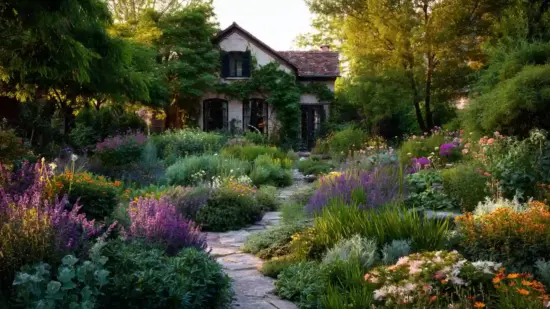
For a softer, more cottage-style look, this approach utilizes a mix of native wildflowers and ornamental grasses. Instead of defined beds that need edging, the plants are allowed to grow together in drifts. This density prevents weeds from taking hold. The diverse mix of plants attracts pollinators and provides visual interest through all four seasons with minimal intervention.

Whether you live in a temperate coastal town or a high-altitude mountain region, the principles remain the same. Homeowners dealing with particularly challenging environments—such as heavy snowfall or rocky terrain—often find that consulting professionals helps bridge the gap between vision and reality. For instance, seeking out landscape design services in Park City can provide specialized insights into high-altitude native plants that survive harsh winters, but the foundational concept of “right plant, right place” applies universally.

Conclusion

Creating a low-maintenance landscape is an investment in your quality of life. It shifts the focus from obligation to enjoyment. By understanding your local environment, choosing resilient plants, and embracing hardscaping, you can build an outdoor space that serves you, rather than the other way around.

More From Author

paint protection film

What Paint Protection Film Really Does for Your Car

Your Child's First Dental Visit Explained

Creating Healthy Smiles: Your Child’s First Dental Visit Explained

Backyard vs. Business Park: Landscaping Strategies Compared

Landscaping is often viewed through a single lens: planting grass, trimming hedges, and making an outdoor space look green. However, the intent behind that greenery changes drastically depending on who owns the property. A cozy backyard retreat serves a completely different purpose than a corporate headquarters or a retail shopping center.

The Heart of Residential Landscaping: Your Personal Sanctuary

Residential landscaping is deeply personal. It is an extension of the living space, designed to reflect the personality, lifestyle, and needs of the people who live there. The primary goal is usually to create a private oasis that serves the family, rather than the public.

Personalization and Lifestyle

In a home setting, the “client” is the family. Design choices are subjective. One homeowner might want a sprawling vegetable garden and a compost system, while another prefers a sleek, minimalist patio with zero-maintenance succulents. The design is tailored to how the residents want to live. Do they entertain often? Do they have pets? Do they need a play area for children? These questions dictate the flow and function of the yard.

Creating a Relaxing Environment

Creating a Relaxing Environment

For many, the backyard is a place to decompress. Residential designs often prioritize intimacy and comfort. Privacy hedges, sound-absorbing water features, and cozy fire pits are common elements. The goal is to shut out the noise of the outside world and create a space that feels safe and secluded.

Curb Appeal and Property Value

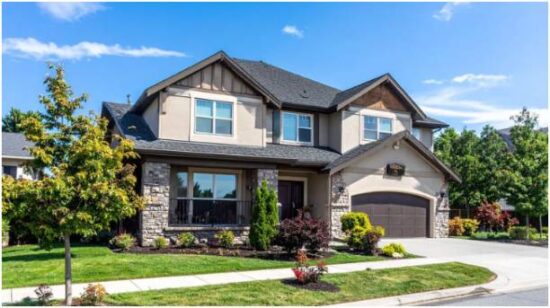
While the backyard is for the resident, the front yard is often for the neighborhood—and future buyers. Curb appeal plays a massive role in residential design. A well-maintained front garden invites guests in and signals pride of ownership. When it comes time to sell, a strategic landscape design can significantly increase the property’s market value, offering a high return on investment for the homeowner.

Commercial Landscaping: Function Meets Brand Identity

Commercial landscaping operates on a larger, more public scale. The focus shifts from personal preference to business objectives. The landscape must attract customers, keep employees happy, and mitigate liability risks, all while reinforcing the company’s brand.

Functionality and Flow

Commercial spaces are high-traffic zones. The landscaping must direct movement. Walkways need to be wide enough for crowds, and clear visual cues should guide visitors from the parking lot to the entrance. Functionality is paramount; if a beautiful planter blocks the view of the main signage, the design has failed.

Safety and Liability

Safety is a much higher priority in commercial settings due to liability concerns. Business owners must ensure that overgrown shrubs don’t create hiding spots or block sightlines for security cameras. Pathways must remain lit and free of tripping hazards like tree roots or uneven pavers. Additionally, plant choices often exclude anything toxic or thorny that could injure a passerby.

Brand Image and Professionalism

The exterior of a business is the first thing a client sees

The exterior of a business is the first thing a client sees. It sets the tone before they even walk through the door. A sleek, modern tech company might opt for geometric hardscaping and architectural grasses, while a boutique hotel might choose lush, colorful flower beds to evoke luxury. The landscape is a marketing tool that communicates the company’s values and attention to detail.

Comparing Design Elements

When getting down to the specifics, the choice of materials and layout differs significantly between the two sectors.

Plant Selection

In a residential garden, a homeowner might plant a high-maintenance rose bush simply because they love roses. They are willing to put in the labor of love.

In commercial landscaping, “hardiness” is the watchword. Plants must be durable enough to withstand pollution, heat from pavement, and neglect. Commercial designers often favor native plants and drought-tolerant species that look good year-round with minimal intervention. There is rarely room for delicate flowers that require daily deadheading.

Hardscaping and Infrastructure

Residential hardscaping is often decorative and intimate—think flagstone paths or wooden decks. Commercial hardscaping is heavy-duty. It involves retaining walls, concrete plazas, and vast parking lots. These structures must handle heavy foot traffic and the weight of delivery vehicles, requiring thicker base materials and industrial-grade pavers.

Water Features

A homeowner might install a small koi pond for meditation. A commercial property, however, deals with water on a macro scale. While they might have a grand fountain for aesthetics, they are also likely dealing with large retention ponds and bioswales designed to manage stormwater runoff from large roofs and parking lots, ensuring the property meets municipal drainage codes.

The Maintenance Factor

How these spaces are cared for is perhaps the biggest operational difference.

Residential maintenance is often a mix of DIY enthusiasm and professional help. A homeowner might enjoy mowing the lawn on a Saturday but hire a service for aeration. There is an emotional connection to the work.

Commercial maintenance is strictly business. It is handled by contracted crews who work on a tight schedule, often early in the morning to avoid disrupting business hours. Efficiency is key. For example, homeowners might enjoy browsing for lawn mowers for sale in Midvale on a Saturday morning, but a commercial facility manager simply wants a contract that guarantees the grass is cut before the first employee arrives. Commercial contracts cover everything from snow removal to seasonal color changes, ensuring a uniform appearance 365 days a year.

Cost Considerations and Budgeting

Budgeting strategies for these two categories are distinct.

Residential:

  • Budgets are often flexible and project-based.
  • Homeowners may phase projects over several years (e.g., do the patio this year, the pool next year).
  • Spending is driven by disposable income and emotional desire.

Commercial:

  • Budgets are rigid and part of the overall operational expenditure (OpEx) or capital expenditure (CapEx).
  • There is a higher upfront cost for materials because durability is non-negotiable.
  • The focus is on long-term value and lowering ongoing maintenance costs. A cheaper installation that requires expensive weekly maintenance is considered a bad business decision.

Conclusion

Whether designing a space for a family barbecue or a corporate lunch break, the environment must suit the user. Residential landscaping allows for whimsy, personal touches, and a focus on private leisure. Commercial landscaping demands rigorous attention to safety, brand consistency, and durability.

More From Author

Quick Service Designed to Reduce Jail Time

Quick Service Designed to Reduce Jail Time

OSHA’s Guide to Bloodborne Pathogen Standards

OSHA’s Guide to Bloodborne Pathogen Standards

How to Choose the Best Plants for Your Backyard Space

Transforming your backyard into a vibrant oasis begins with selecting the right plants. The perfect choices can create a beautiful, functional, and enjoyable outdoor space. However, with countless options available, the process can feel overwhelming. Successful gardening is less about luck and more about matching the right plant to the right place. By understanding your specific environment and goals, you can create a thriving landscape that brings you joy for years.

This guide will walk you through the key factors to consider when choosing plants, ensuring your backyard flourishes.

Assess Your Backyard’s Environment

Assess Your Backyard's Environment

Before you purchase a single plant, take the time to analyze your yard’s unique conditions. A plant that thrives in one location may struggle in another, so understanding your environment is the first step toward success.

Understand Your Climate Zone

Plants have different levels of tolerance for cold and heat. The first thing to identify is your hardiness zone, which defines the coldest winter temperatures your area typically experiences. Most plants sold at local nurseries will be labeled with the zones they are suited for. Choosing plants appropriate for your zone is critical for their long-term survival, especially for perennials, shrubs, and trees.

Map Your Sunlight

Observe your backyard at different times of the day to determine how much sun each area receives. This will help you map out distinct light conditions:

  • Full Sun: Six or more hours of direct sunlight per day.
  • Partial Sun/Shade: Four to six hours of direct sunlight.
  • Full Shade: Less than four hours of direct sunlight.

Most plant tags will specify the light requirements. Placing a sun-loving plant in a shady corner will lead to poor growth and few flowers, while a shade-loving plant will scorch in direct sun.

Analyze Your Soil

Soil is the foundation of your garden. You can determine your soil type by feeling its texture. Sandy soil feels gritty and drains quickly. Clay soil is dense and holds moisture. Loamy soil is the ideal combination of both. You can also perform a simple soil test to check the pH level, which tells you if your soil is acidic or alkaline. While you can amend your soil over time, it’s often easier to choose plants that are naturally suited to what you already have.

Define Your Gardening Goals

Define Your Gardening Goals

Once you understand your environment, think about what you want to achieve with your backyard space. Your goals will help you narrow down your plant choices.

Balancing Aesthetics and Function

Consider the overall look you want to create. Do you prefer a formal, structured garden or a more natural, cottage-style landscape? Think about creating visual interest with a variety of heights, textures, and colors.

  • Trees and Shrubs: These form the backbone of your garden, providing structure and year-round interest.
  • Perennials: These plants return each year and offer consistent blooms or foliage.
  • Annuals: These live for one season and are perfect for adding bursts of vibrant color to containers and flowerbeds. If you are planting a large area, buying bulk flower seeds can be a cost-effective way to fill the space with color.

Incorporating Edible Plants

A backyard garden can be both beautiful and productive. Consider integrating edible plants like vegetables, herbs, and fruit trees. Many herbs, such as rosemary and lavender, are attractive and can be mixed into flowerbeds. Raised beds are an excellent option for growing vegetables if your soil is not ideal.

Consider Maintenance Needs

Be realistic about the amount of time and effort you are willing to dedicate to your garden.

Low-Maintenance Options

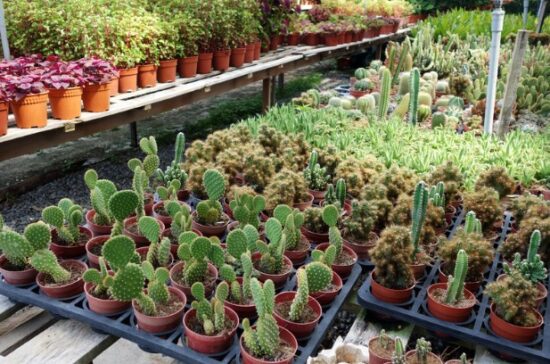
If you have a busy schedule, look for plants that require minimal care. Native plants are often an excellent choice because they are already adapted to your local climate and soil, meaning they typically need less water and fertilizer. Drought-tolerant species like succulents or ornamental grasses are also great low-maintenance options that add texture and modern appeal.

High-Maintenance Choices

Some plants, like certain types of roses or exotic flowers, may require more frequent pruning, fertilizing, and pest control. While these can be very rewarding, make sure you are prepared for the commitment before you plant them.

By carefully evaluating your space, defining your vision, and choosing plants that match your lifestyle, you can create a beautiful and sustainable backyard. A well-planned garden not only enhances your home’s curb appeal but also provides a personal retreat for relaxation and enjoyment.

More From Author

Regular Car Maintenance Can Extend Your Vehicle’s Lifespan

How Regular Car Maintenance Can Extend Your Vehicle’s Lifespan

Ideal for Limited Editions and Reproductions

Why Artists Choose Fine Art Printing for Their Work

How to Start a Vegetable Garden: A Beginner’s Guide

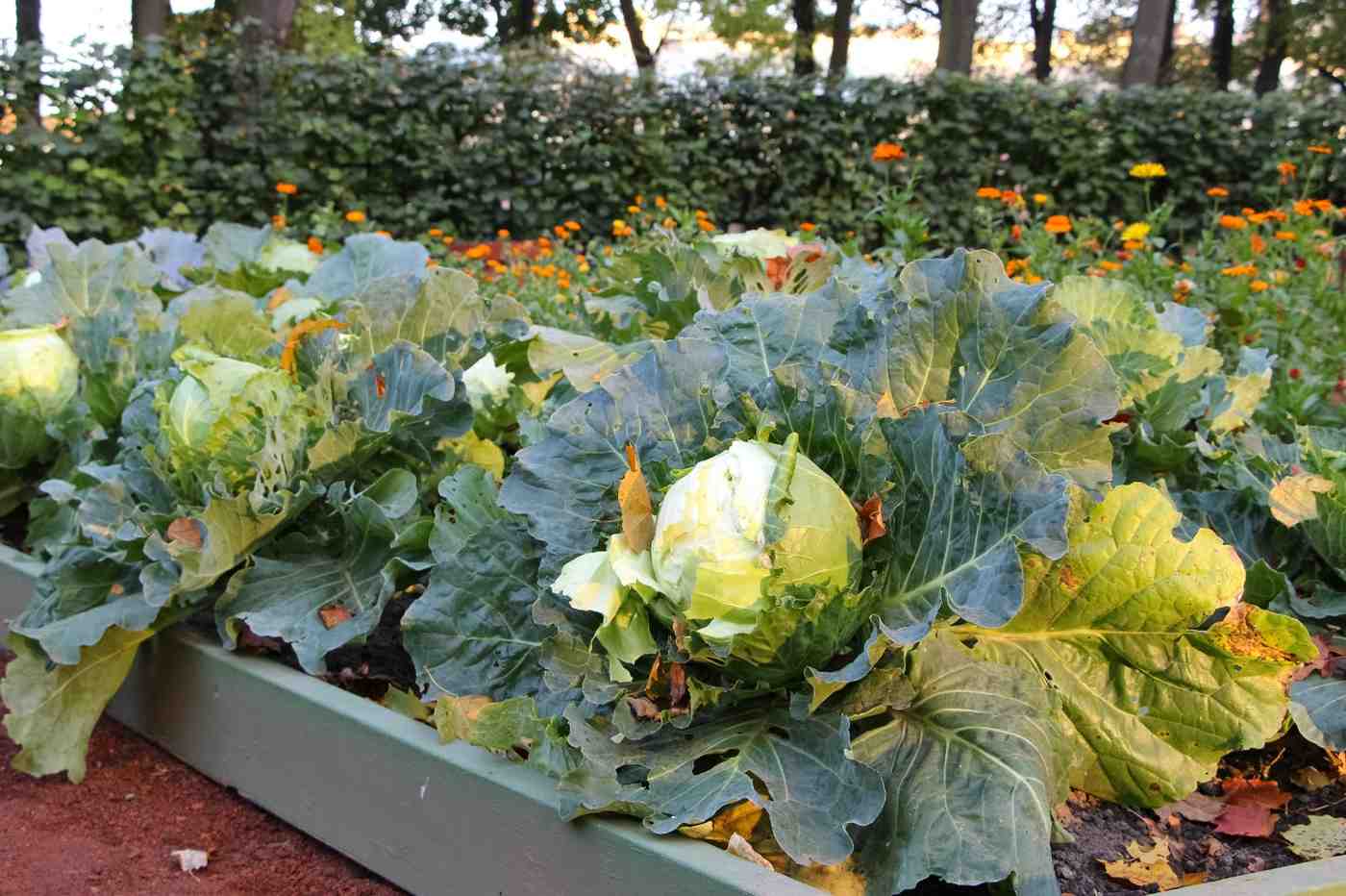
There’s something deeply satisfying about stepping outside, picking a sun-warmed tomato, or pulling up a crisp carrot you grew yourself. Whether you’re looking to eat healthier, save money, or simply enjoy a rewarding hobby, learning how to start a vegetable garden is one of the most fulfilling projects you can undertake.

I’ve helped countless first-time gardeners turn small backyard patches into productive, thriving spaces. The process isn’t as hard as it might seem — it’s about understanding a few key principles and building from there. This guide will walk you through every step, from choosing the right spot to harvesting your first crop.

1. Choose the Perfect Spot for Your Vegetable Garden

The location you choose will have the biggest impact on your garden’s success. Most vegetables need at least 6–8 hours of direct sunlight every day to grow well.

Here’s what you should keep in mind:

  • Sunlight: Pick a sunny area where plants won’t be shaded by trees, fences, or buildings.
  • Drainage: Good drainage is essential. Avoid low spots where water collects after rain — soggy soil can rot roots.
  • Wind Protection: Choose a place sheltered from strong winds, which can damage plants or dry them out quickly.
  • Accessibility: Keep your garden close to a water source. If watering becomes a hassle, consistency will suffer.

Tip: Spend a day observing how sunlight moves through your yard. The sunniest area often makes the best garden location.

2. Raised Beds vs. In-Ground Gardening

2. Raised Beds vs. In-Ground Gardening

Once you’ve chosen your spot, decide whether to plant directly in the ground or build raised beds. Both methods work, but each has pros and cons.

Here’s a quick comparison:

Feature In-Ground Garden Raised Bed Garden
Cost Low – just soil prep Moderate – cost of lumber or kits
Soil Control Limited to native soil Full control with custom soil mix
Drainage Depends on natural soil Excellent drainage
Ease of Access Requires bending/kneeling Easier on the back and knees
Weed Control More weeding required Fewer weeds if built properly
Setup Time Faster setup Slightly more time and effort

Expert tip: For beginners, raised beds often offer a smoother start. They warm up faster in spring, drain well, and make soil improvement easy. But if cost is a concern, in-ground gardening with added compost works just as well.

3. Prepare Your Soil for Healthy Growth

Healthy soil is the foundation of any successful vegetable garden. Whether you’re planting in raised beds or directly in the ground, enriching your soil is key.

For In-Ground Gardens:

  • Clear the area: Remove grass, weeds, and debris.
  • Loosen the soil: Dig or till to a depth of about 12–18 inches.
  • Add compost: Mix in 2–3 inches of organic compost to boost fertility and improve texture.
  • Test the soil: If possible, get a simple soil test kit. It tells you the pH and nutrient levels so you can amend accordingly.

For Raised Beds:

  • No digging required: Simply line the bottom with plain cardboard to suppress weeds.
  • Fill with quality mix: Combine garden soil, compost, and a bit of coarse sand or perlite for drainage.
  • Top off annually: Each growing season, add a fresh layer of compost to replenish nutrients.

Healthy soil should be loose, rich, and crumbly — a place where roots can spread easily and water drains well without drying too quickly.

4. Choose Vegetables That Thrive in Your Climate

Choose Vegetables That Thrive in Your Climate

Selecting the right vegetables is where gardening becomes personal. Choose plants that you and your family love to eat, and match them to your local growing conditions.

Easy Vegetables for Beginners:

  • Cool-Season Crops: Lettuce, spinach, carrots, radishes, peas
  • Warm-Season Crops: Tomatoes, peppers, cucumbers, zucchini, beans

Check your USDA Hardiness Zone (or your region’s equivalent) to see which vegetables grow best in your climate and when to plant them. Planting too early or too late is one of the most common beginner mistakes.

5. Planting: Seeds or Seedlings?

When learning how to start a vegetable garden, one decision is whether to start from seeds or buy seedlings (young plants).

  • Seeds: More affordable and offer a wider variety. Great for root vegetables like carrots or quick growers like lettuce.
  • Seedlings: Provide a head start, especially useful for long-season crops like tomatoes and peppers.

Follow spacing and depth instructions on seed packets or plant tags carefully — overcrowding can lead to poor air circulation and disease.

Pro tip: Group vegetables with similar water and sunlight needs together to simplify care.

6. Watering and Maintenance: Consistency Is Key

Water is life for your garden, but too much or too little can cause problems. Most vegetables need about 1 inch of water per week, either from rainfall or irrigation.

Best Practices for Watering:

  • Deep, infrequent watering is better than frequent light watering. It encourages deeper root growth.
  • Water early in the morning to reduce evaporation and prevent fungal diseases.
  • Use mulch like straw or shredded leaves to retain moisture and suppress weeds.

Ongoing Care:

  • Weed regularly: Pull weeds when they’re small before they compete with vegetables for nutrients.
  • Monitor for pests: Look under leaves and along stems. Catching infestations early makes control easier.
  • Support taller plants: Use stakes or cages for tomatoes, beans, and peas.

Remember: consistency is everything. A neglected garden can go downhill quickly, but regular attention pays off with healthy plants and abundant harvests.

7. Harvesting: The Reward for Your Efforts

The most rewarding part of learning how to start a vegetable garden is harvesting. Timing is important — vegetables taste best when picked at their peak.

  • Leafy greens: Harvest outer leaves first so plants keep producing.
  • Root crops: Gently loosen soil before pulling to avoid breaking roots.
  • Fruiting plants: Pick tomatoes, peppers, and cucumbers regularly to encourage continuous production.

Use a clean knife or pruning shears for harvesting to avoid damaging plants.

8. Troubleshooting Common Beginner Mistakes

Even the most seasoned gardeners run into challenges. Here are a few common ones and how to fix them:

  • Slow growth: Usually a sign of poor soil fertility — add compost or a balanced organic fertilizer.
  • Yellow leaves: Often due to overwatering or poor drainage. Adjust your watering schedule.
  • Pests chewing leaves: Introduce beneficial insects like ladybugs or use organic pest sprays.

Every garden teaches you something new each season — mistakes are part of the learning process.

Also Read: how to make money with your garden

FAQs About Starting a Vegetable Garden

1. How much space do I need to start a vegetable garden?

You don’t need a huge yard. Even a 4×4 foot raised bed can produce plenty of fresh vegetables. Start small, then expand as you gain confidence.

2. How often should I water my vegetable garden?

Most gardens need about 1 inch of water per week, but this can vary based on soil type and weather. Check moisture by sticking your finger an inch into the soil — if it’s dry, it’s time to water.

3. Can I grow vegetables in containers instead of a garden bed?

Yes. Container gardening works well for small spaces like patios or balconies. Choose pots with drainage holes and use high-quality potting soil.

4. What’s the best time of year to start planting?

Spring is ideal for most regions, but the exact timing depends on your local climate and frost dates. Check a planting calendar for your area.

Growing Your Own Food Is Easier Than You Think

Learning how to start a vegetable garden isn’t about perfection — it’s about progress. Start small, focus on a few vegetables you love, and give them consistent care. Over time, you’ll develop an intuitive feel for soil, weather, and plant needs.

And when you finally serve a salad made from lettuce, tomatoes, and cucumbers you grew yourself, you’ll understand why so many gardeners say this is one of life’s simplest and greatest joys.

More From Author

Death by Cupcakes The Ultimate Chocolate Experience You’ll Never Forget

Death by Cupcakes: The Ultimate Chocolate Experience You’ll Never Forget

Homemade Nachos with Leftover Roast Beef Recipe

Homemade Nachos with Leftover Roast Beef Recipe