



Embrace the joy of a beautiful outdoor living area without the constant upkeep. Finding time for relaxation is precious, and your outdoor space should be a haven, not a chore.
This guide walks you through innovative strategies and design choices to transform your garden or patio into an effortlessly elegant retreat. Discover how to create an appealing environment for peaceful escapes.
Strategic Plant Selection for Minimal Effort
Selecting the right vegetation is the foundation of any easy-care landscape. By making informed choices about what you plant, you can drastically reduce the amount of time spent watering, pruning, and fertilizing throughout the year.
Opting for Native and Drought-Tolerant Species
Native plants are uniquely adapted to your local climate and soil conditions, which means they require significantly less intervention to thrive.
Drought-tolerant species go a step further by minimizing your watering needs. Once established, these hardy plants can survive long dry spells, reducing your water bill and saving you from the daily chore of dragging a hose around the yard.
Incorporating Perennials and Shrubs
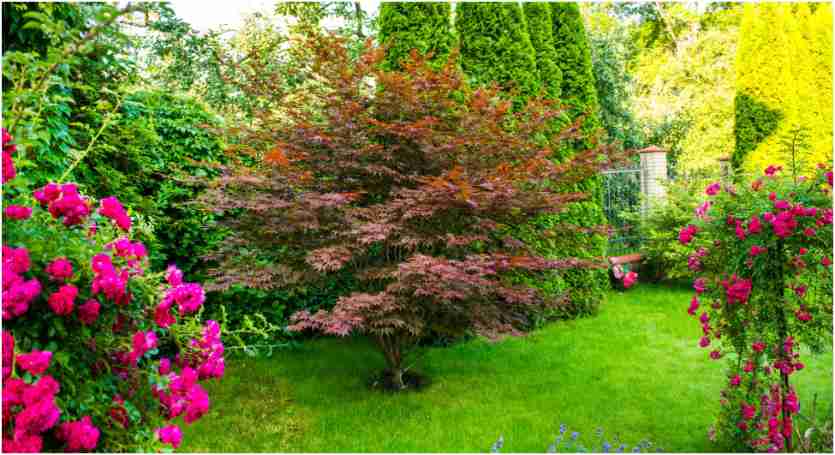
Unlike annuals that need to be replanted every single year, perennials return season after season, offering long-term beauty for a one-time effort. Shrubs provide excellent structure and greenery with minimal upkeep.
For instance, planting resilient shrubs from stores in Salt Lake City requires selecting varieties that can handle both the snowy winters and dry summers. Choosing the right regional shrubs ensures your landscape looks robust year-round without constant tending.
The Benefits of Container Gardening
Container gardening is a highly manageable way to add color and texture to your patio or balcony. Pots restrict weed growth and make it incredibly easy to control soil quality.
If a plant is struggling, you can simply move the container to a more suitable location for better sun or shade. This method keeps your gardening tasks centralized and highly accessible, preventing back strain and saving time.
Smart Hardscaping Choices
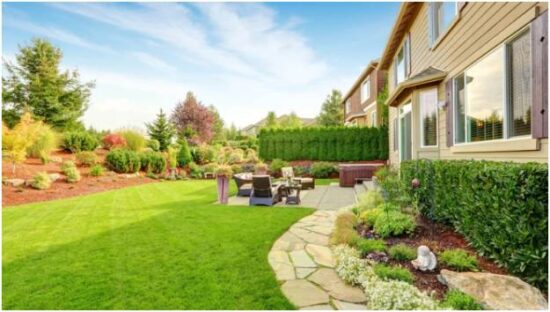
Hardscaping refers to the non-living elements of your landscaping. Homeowners should know before they remodel or design by integrating more hard surfaces reduces the total area dedicated to lawns and demanding garden beds, instantly cutting down on mowing and weeding.
Paving and Pathways: Durability and Aesthetics
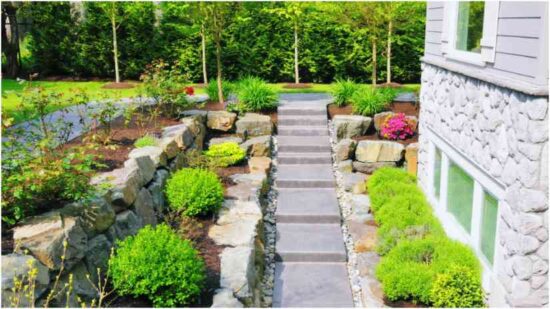
Gravel, natural stone, and concrete pavers offer long-lasting durability with virtually zero upkeep. A well-designed stone pathway not only guides guests through your sanctuary but also replaces high-maintenance grass. Pavers can be arranged in intricate patterns to add visual interest, proving that you do not have to sacrifice aesthetics for the sake of practicality.
Decking Materials: Low-Upkeep Options
Traditional wood decks are beautiful but demand regular staining, sealing, and repairs. Composite decking materials provide the aesthetic appeal of natural wood without the intense maintenance schedule. These modern alternatives resist rotting, splintering, and fading. A simple occasional wash with soap and water is typically all that is needed to keep a composite deck looking brand new for decades.
Raised Beds for Easier Gardening
Raised beds elevate your plants, providing better drainage and warming the soil faster in the spring. More importantly, they save your back and knees from the strain of bending over. By filling raised beds with high-quality soil and compost from the start, you create an ideal growing environment that requires less weeding and tilling compared to traditional ground-level garden plots.
Efficient Irrigation Systems
Watering by hand is one of the most time-consuming gardening chores. Automating this process ensures your plants get exactly what they need while freeing up your schedule.
Drip Irrigation for Water Conservation
A drip irrigation system delivers water directly to the base of your plants, minimizing evaporation and runoff. This targeted approach prevents weeds from getting unnecessary hydration and keeps plant leaves dry, which helps prevent fungal diseases. It is a highly efficient way to keep your outdoor sanctuary lush without wasting natural resources.
Smart Timers and Sensors
Connecting your irrigation setup to a modern digital timer removes the guesswork from watering. Advanced systems feature weather sensors that automatically adjust the watering schedule based on recent rainfall or extreme heat. This automated technology guarantees your landscape receives the perfect amount of moisture, allowing you to go on vacation without worrying about returning to withered plants.
Furniture and Decor: Durability and Simplicity
Your choice of outdoor furnishings plays a massive role in how much time you spend cleaning and maintaining your patio area.
All-Weather Furniture Materials
When selecting seating and dining sets, prioritize materials engineered to withstand the elements. Powder-coated aluminum, synthetic wicker, and high-density plastics resist rust, UV damage, and moisture. These materials can be left outside year-round without deteriorating, eliminating the heavy lifting required to store furniture away every time the seasons change.
Minimalist Decor for Easy Cleaning
A cluttered patio requires constant moving, wiping, and organizing. Embracing a minimalist decor style creates a clean, serene environment that is remarkably easy to sweep and wash. Focus on a few bold statement pieces—like a single elegant fire pit or a large, striking planter—rather than dozens of small knick-knacks that collect dirt and debris.
Design Principles for Reduced Maintenance
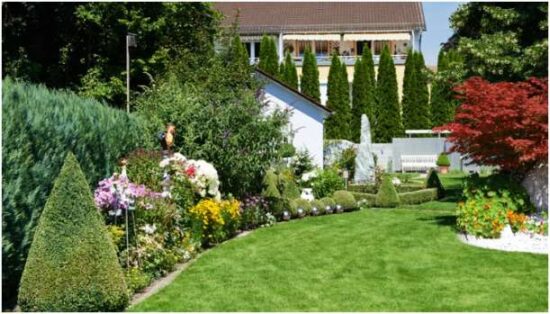
Thoughtful layout and planning can stop maintenance issues before they even begin. Applying strategic design principles ensures your garden works with you, not against you.
Grouping Plants with Similar Needs
Hydrozoning is the practice of grouping plants based on their water and sunlight requirements. By keeping thirsty plants together and drought-tolerant varieties in a separate zone, you streamline your watering routine. This prevents overwatering your dry-loving plants and underwatering the moisture-loving ones, resulting in a healthier, more self-sustaining garden.
Utilizing Mulch and Ground Cover
A thick layer of organic mulch is a low-maintenance gardener’s best friend. Mulch suppresses weed growth, retains soil moisture, and regulates soil temperature. As it breaks down, it enriches the earth with valuable nutrients. Alternatively, spreading low-growing ground cover plants forms a living carpet that naturally chokes out weeds and prevents soil erosion.
Creating Defined Zones
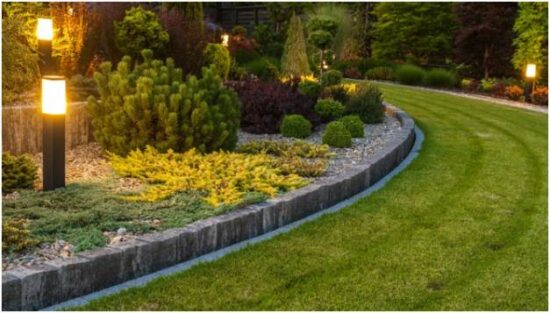
Establishing clear boundaries between different areas of your yard keeps maintenance tasks manageable. Using hard edging materials like steel, brick, or stone between your lawn and garden beds stops grass from creeping into your flowers. Defined zones create a neat, organized appearance that requires far less trimming and edging to maintain its crisp architectural lines.
Conclusion
Designing a low-maintenance outdoor space is an investment in your peace of mind and leisure time. By thoughtfully choosing plants, materials every beginner landscaper should know, and design elements, you reduce the effort required to keep your outdoor area looking its best. The goal is to create a harmonious extension of your home where you can relax without the burden of endless chores. Start your transformation today.