




analytics = 833.322.6760, 8448520347, 800 notes, 7168738800, 8005113030, 8662783536, 9525620902, 8333163276, 9133123280, 8558425860, 8777640833, 2567447500, 18669852273, 8559977348, 8775895169, 6123010199, 8777458562, 8447297641, 8556792141, 5018218349, 6468760617, 8559712260, 8557390856, 8339310230, 3106677534, 8339842440, 9547875035, 6163306276, 18004441676, 8558348495, 7864225581, 9094067513, 8602739995, 18339793337, 8553020376, 9513245248, 5164226400, 2675259887, 8339060641, 8139469478, 2486022768, 2064395787, 5595330138, 5127649161, 8163354148, 5165660135, 9723750568, 2085144125, 18559694636, 5028227768, 5104709740, 2107644963, 9513947262, 8772865954, 6266570594, 8442891118, 8008280146, 7714445409, 8664368150, 18006951063, 8779140059, 8017425882, 2245434298, 4234820546, 8442712583, 9547434255, 8445073876, 18662058022, 18004367961, 8445369495, 8448747445, 9513895348, 8017835887, 9136778319, 5095810139, 18005271339, 6178265171, 8338428100, 4699988648, 8337030945, 5132830807, 8669072272, 7027650554, 18003959733, 8882288896, 8007017918, 8882961958, 9164315240, 3134238040, 8333859445, 8885090457, 8008399369, 9183984181, 6125681561, 8555737348, 7035746171, 9804026136, 3392036535, 8014388165, 8339124265, 2484556960, 8652940491, 6788532772, 18002319631, 4432611224, 5174402172, 5166448345, 8574156189, 9208318998, 2814084487, 3237827205, 9035937800, 6147636366, 8886375121, 18667153526, 6156855230, 9133120992, 6027675274, 8326849631, 6363626977, 8014388261, 6163306271, 5128465056, 6164252258, 8008994047, 6506189519, 5133970850, 8006601779, 8668010144, 8555894252, 6163177933, 4079466140, 8655460256, 18884209943, 3464268887, 8442449538, 7043866623, 8444211229, 8102759257, 4345281742, 9493175442, 4123879299, 8382211532, 3309133963, 5109849896, 8556482575, 7072899821, 2014658491, 6032157860, 7628001252, 2082327328, 3522492899, 972-476-8208, +1 (800) 555-0433, 7753840563, 4694890551, 8327349150, 2702971125, 8008545695, 6106006953, 2146516900, 9037651217, 7047058890, 8668219635, 8033391481, 9592307317, 8595594907, 8332685291, 8555710330, 8778334675, 2102440850, 18008778623, 9513387286, 4029339118, 6103444430, 8662222197, 7273618338, 6159840902, 8555154190, 8668418679, 8338780449, 5417666200, 9185121419, 3237160444, 3606338450, 6198259510, 8888570668, 8083399481, 18668404246, 9032130471, 18007457354, 8662900505, 9512277184, 14075830183, 877-613-7414, 8669145806, 8884135452, 8339870385, 5412621272, 4085397900, 4049960554, 9043278492, 8008109337, 3148962604, 2625778200, 2533722173, 7702240355, 2602796153, 8442568097, 4045674598, 8778135595, 6627789116, 8666148679, 432.535.3346, 8552199473, 18008784733, 8656696225, 4172640211, 2694480187, 8004800186, 8728107133, 8554290124, 8445417310, 8088094977, 3854774827, 6149229865, 8558318013, 8886227328, 8669289240, 2162086661, 8449263585, 8656868483, 9126165004, 4342647097, 4698902115, 9738424694, 8009249033, 8662962852, 8004836205, 7637606200, 9549534317, 9085288998, 8665592621, 9097290670, 8885365114, 6282074108, 9515725134, 9725268500, 18886918661, 4028589809, 5135840000, 9542026998, 3606338409, 3392120655, 9375304801, 4699825009, 7158365720, 7133540191, 5176576800, 7015400761, 8007620276, 7314100312, 8133644313, 4014142386, 8556829141, 18003473764, 5163279500, 2177711746, 8338394140, 8008442881, 8442356275, 9737509291, 8053218829, 5138030600, 866.266.1445, 18667066894, 18448302149, 9592998000, 8668518500, 3618257777, 8132108253, 9134285296, 18667331800, 6182062806, 6196931509, 5052530598, 2692313137, 8322632311, 4089635659, 3122340781, 8665270007, 8884315114, 8327010295, 8886230286, 18337632033, 7276978680, 8662847625, 7046297142, 5709082790, 6176829138, 18663243120, 18888447979, 833-793-2634, 3146280822, 2817169800, 8003966861, 2092152027, 8772379648, 8779100501, 6304497394, 6613686626, 7864325077, 8667061341, 8443168434, 18007793351, 2816679193, 6182213001, 8165459795, 800-660-1779, 3865648082, 4057539884, 6304757000, 8665212613, 8339014153, 4018686200, 7177263148, 8446717272, 6026889985, 6122950822, 18775007697, 8727025274, 877-870-8046, 4107533411, 8594902586, 3175548779, 4023164651, 8442409757, 6155909241, 4692706636, 8447089406, 2183167675, 9367097999, 18003239865, 5107750767, 8336411330, 8666136856, 8776137414, 5048420550, 8174924769, 409-761-7631, 8772810415, 6175170000, 6176447300, 516-644-8345, 8014388150, 8014363101, 8446600349, 8445720731, 8446012486, 9529772019, 8004160599, 2105867691, 8174761844, 8777665220, 3606338365, 2159873706, 8126413070, 7578520784, 2155830758, 2133442341, 8014388461, 8556302480, 9013702057, 6467622601, 7083655202, 1-877-870-8046, 2505814253, 8152877145, 2173264646, 7654422019, 8442677109, 844-306-7833, 8775787552, 8624140848, 8555422416, 9544406856, 8009410164, 2193102036, 3237460973, 8332178326, 8133207059, 18003105587, 8178548532, 8772595779, 8044452446, 8336852203, 5136555021, 8042933450, 713-332-2838, 8556769075, 8447100373, 8446180908, 6512551000, 6144058912, 8332891205, 8336370667, 8124350998, 7133537813, 312-653-2073, 7083919045, 5403084012, 9529790948, 2177491008, 4079466142, 8333880562, 6183319022, 8776363716, 8012367598, 2816916103, 5165029686, 6087759139, 9045699303, 5614348400, 9085056898, 9297441323, 18002201614, 844-391-1092, 3364387172, 4708878685, 9803167472, 2093324588, 4052173481, 3055038807, 9044785041, 7137309500, 9513707315, 18002378990, 6232238196, 5026653794, 4057240741, 9543793034, 8884700655, 9512521067, 5703752113, 9299952002, 2565103546, 8134486919, 6266390332, 4049650560, 5303227024, 5106464099, 4075457432, 18663524737, 8887278618, 8084899138, 5082518001, 3183544193, 8037168112, 4807508966, 8586578575, 2095506110, 18008898740, 5416448102, 8666687301, 919.214.5402, 5864987122, 6302429143, 9547459648, 4844836206, 7145099696, 8665838119, 8004439164, 8007082736, 8779949115, 8003280355, 4085982269, 424.385.0597, 4054483292, 4694096508, 18884534330, 4844522185, 3606338412, 7133322838, 8007430511, 4703975724, 8082130841, 18662916365, 8664482002, 5707403282, 4072037536, 8332665655, 8557074599, 18555013051, 8668446972, 5128425148, 8337932634, 8329751010, 6156759252, 7173219013, 5165660134, 6152482618, 888-785-2471, 8553395442, 7204563710, +1 (312) 653-2073, 8339833264, 8555159372, 8448348551, 8665207789, 4072357388, 8883237625, 8014388316, 5622422106, 412-405-6064, 7657513244, 4089773512, 4176225719, 866.376.4584, 8166310333, 4122148544, 5702803018, 8667677603, 5407317304, 8054296716, 9712734028, 5102572527, 18776898870, 2075485013, 8559590200, 9545058434, 9089558128, +1 (320) 207-5189, 8447553258, 8662261020, 7135568949, 6303879597, 4149558701, 7209152170, 8008298374, 8558078675, 8666136857, 8669972488, 2014623980, 8013365041, 7083164009, 6622553743, 4158519136, 8339721292, 18008994047, 201-462-3963, 8887852471, 7702823288, 18007450572, 2672232367, 8333425412, 8008423225, 6516034340, 9044210685, 3032423254, 8777708065, 8043123644, 5138600470, 4073030519, 18009359935, 9152453436, 3308355902, 4125577457, 5183636075, 3362525901, 18663902348, 8143590227, 18009145582, 8172104278, +1 (866) 593-3926, 2105201454, 8332316512, 866.914.5806, 866-613-6857, 7819276501, 8332819623, +1 (866) 613-6857, 5135696117, 6506819470, 6147320721, 866-702-4725, 6266577222, 4055638384, +1 (614) 890-1025, 9036860067, 2816701587, 2487855500, 8442006330, +1 (623) 462-7106, 8666746861, 7158988041, 877 770 8125, 7343485117, 9727530822, 8776380175, +1 (866) 914-5806, 6126721631, 18003653234, 9512237966, 5702771040, 5025155312, 7172515048, 18005303790, 214-226-9139, 8889764904, 4025595100, 8448439155, 8016192557, 6083255121, 2403122052, 8335841371, 4044133261, 8324583317, 6233529406, 5208663325, 8776421554, 8014075254, 877 613 7414, 18005284800, 5135723375, 5034614545, 206-453-2329, 801-413-7200, +1 (855) 283-3957, 8004351415, 18888002527, 8776236765, 5094747159, 6036681119, 4086921193, +1 (877) 647-8551, 8087680000, 8337002510, 7174070772, maxwell and bryant group, 8668594380, 7177896033, 7208481788, 866-914-5806, 18009220204, +1 (888) 994-2320, 18003683110, 8666484519, 2107829213, 8882795504, 662-255-3743, 5052779866, 7172968088, 7756877101, 800-276-3744, 18004321000, 8883731969, +1 (800) 530-3790, 6157471813, 6788062977, 402-220-1248, 9525630843, 8662855312, 8776918086, 877-417-4551, 877-770-8125, 8884640727, 8435820002, 8884141045, 5202263623, 8339901915, 8559731040, 4043853637, 888-991-5696, +1 (877) 770-8125, 6158007010, 888-250-7027, 8889346489, +1 (888) 993-2902, 8003318859, 2252143974, 8442449425, 7144490377, 8014137200, 8333725815, +1 (800) 435-1415, 6097982556, 8155179338, 3158495499, 4014446877, 9472221080, 18009454701, +1 (888) 611-6904, 8553308653, 855-581-1994, 4243459294, 866-716-9062, 6468882001, 866-680-8628, +1 (978) 938-4194, 201-462-3980, 855-419-7365, +1 (847) 426-9203, 7033320600, +1 (800) 988-8019, 8888922253, 888 266 2278, 8003973342, 8884864722, 8009220204, 7205366300, 7136965500, 866-593-3926, 9514254239, 2069220880, 5732452104, +1 (800) 654-8818, 7632743899, 916-545-8389, 888 934 6489, 5627253046, 7175316640, 877-556-9255, +1 (540) 546-0824, 978 444 5700, 8888023080, 4014303033, 8008757159, 206 453 2329, 855-330-8653, 3462149844, 8659469900, 1-800-388-5512, +1 (206) 922-0880, 4433979200, 8667620558, +1 (866) 348-6231, 5712932365, 6786662731, 1-800-432-1000, 5043842543, 8434384166, +1 (888) 899-6650, 8777284206, 6152130831, 8002760901, 8663486231, 2128459525, 8009520270, 8885130708, 18004365657, 888-899-6650, 8005550433, 8338950323, 8559422422, 8009552292, 4845263150, 8595929161, 3602199415, 402 935 7733, 8558998232, 8888426328, 18009398164, 18002818274, 4122676767, 4179900203, +1 (800) 528-4800, 18886166411, 8004517269, 5705590121, 5157353419, 921 area code, +1 (888) 373-1969, 8015260950, 4077322416, 6788532430, 513-831-2600, 888-373-1969, 18003801196, 8442437370, +1 (404) 806-4811, 8886890122, area code 531, +1 (800) 946-0332, 707, 888 373 1969, 6178788190, 8558369705, 248-434-5508, 844 area code, 8552073383, 1111111111, 2257653120, 6189446426, 6292588750, 800-922-0204, 18009346489, 407-732-2416, 5136961920, 18669544405, 9199147004, 8442069035, 480, 18335421564, 6148901025, +1 (800) 608-2581, 800 922 0204, +1 (888) 486-4722, po box 247001, 9043807465, 612-815-5000, 6105462466, 18336421007, 18009228228, 235 area code, 18002823214, +1 (877) 647-8552, 8777335189, 3333, 8009200482, 8552780432, 8332076202, 365 area code, 639 area code, 18666201302, 18003472275, 763-274-3899, 8558590047, 18003047265, 8886116904, 7139369494, 18008887243, 6126722492, 3139607914, 8665160115, area code 639, +1 (800) 955-6600, 8009888019, 18005237020, 8669288598, 3372695110, 18448238902, 8666808628, 8336977328, 8774220763, 5107474557, 9133863627, 8008420588, 8556148530, 8009420854, 8663287946, 8888399638, 18005567677, 2069267485, 1-800-745-7354, 5405460589, 8654706200, 8664683371, 18003973342, 3202075189, 8009200477, 800-528-4800, area code 825, +1 (800) 943-2189, 5095528142, 438, 984, 18662525777, 18002965598, 18003151907, 18887291404, 8005284800, 8003371809, 8008870224, 8779020006, 844-206-9035, 8655237183, 7342320000, 9999999999, 888-611-6904, 18009001361, 18007771681, 8002149506, 999-999-9999, 8009556500, 5039458199, callerescort, 2815176333, 18667465501, 18006347404, 6233529402, 8552296544, 8889942320, 18009556600, 8008693557, 8664548855, 5405460824, 8665933926, 8554197365, 8448268400, area code 204, 8667679323, 8665728798, 8008456167, 6303837266, 9512432271, 866 area code, 8664084070, 8002799032, 888-802-3080, 781-694-9000, 18005328082, 888-934-6489, 8666740156, 8056377243, 1223, 2163489700, 8339342639, 18887106818, 8004633339, 2064532329, 8004321000, 18003145524, 18002045785, 7817966000, 8339140595, 8668586729, 18002763214, 8889417233, 8557077328, 226 area code, 8009460332, 805-637-7243, 866-712-7753, 781-566-8000, 204 area code, 18882662278, 800-845-6167, 8008600644, 877.714.1509, 18003182596, 201, 8776478552, 8008520411, 8009666546, 7816569000, 800-463-3339, 9784445700, 800 955 6600, 1-800-865-9408, 800-966-6546, 8664300311, 844-466-5519, 800-655-2265, 5138312600, 1-800-522-5633, 8556248963, 8665359492, 8882662278, 800-227-4825, 1-800-227-4825, 8882804331, 1-833-275-3287, 800-955-6600, 3343963000, 855-707-7328, 866-858-6729, 8662581104, 18007332767, 3123804033, 800-288-2020, 8337351894, 7815668000, 6174885400, 410-965-1234, 1-800-925-6278, portfoliorecov, 8009432189, 8667127753, 833-267-6094, 888-266-2278, 8883347978, 866-258-1104, 8009505114, 8884694520, 800-292-7508, 877-242-7372, 813 area code, 8662387212, 1-800-955-6600, 8553376884, 609 area code, 8008413000, *86, 1-800-937-8997, 5278, 8009556600, 888-469-4520, 312-380-4033, 8009557070, 470 area code, 800-279-9032, 18003280355, 844-227-5237, 1-800-841-3000, 8167127753, 1-800-528-4800, 1-800-463-3339, 1-800-935-9935, 71924449671, 8882211161, 18007241633, 8008232318, 1-800-837-4966, 402-935-7733, 18002241591, 800-823-2318, 21038516219, 1-877-825-3242, 800-925-6278, 1-833-873-8237

Don’t Panic, Pivot: How to Navigate Major Changes in Your Business

Market conditions never remain static for long. Whether driven by rapid advancements in technology, sudden shifts in consumer behavior, or broader macroeconomic fluctuations, change is an inevitable part of the corporate lifespan. When a major disruption hits, the natural human reaction is anxiety.

However, in the commercial world, panic clouds judgment and delays critical decision-making. The alternative is a strategic pivot, which involves a structured, deliberate redirection of company resources to capitalize on new realities.

Successfully guiding an organization through a significant transformation requires a mixture of analytical objectivity, operational agility, and transparent leadership. By treating disruption as a catalyst for innovation rather than a threat to survival, companies can discover entirely new pathways to sustainable growth.

Evaluating the Catalyst for Change

Before altering any operational processes, leadership must accurately diagnose the nature of the disruption. Not all market movements require a complete overhaul of the business model. Some changes are temporary fluctuations that merely require short-term cost management, while others are structural shifts that render old methods obsolete.

Conducting a thorough internal audit alongside an external market analysis helps clarify the scope of the required adaptation. Leaders need to look at data indicators such as declining customer acquisition numbers, compressed profit margins, or the emergence of alternative products.

This evaluation process must be entirely decoupled from emotional attachment to past successes. What worked perfectly for the last decade may simply no longer align with current consumer demands.

Designing a Flexible Adaptation Strategy

Designing a Flexible Adaptation Strategy

Once the need for transformation is established, the next phase involves crafting a flexible roadmap. A successful pivot does not mean abandoning the core competencies of the firm. Instead, it means applying existing strengths to a new market segment, delivery method, or product line. 

Protecting Core Financial Health

Every business pivot requires financial runway and there are ways to exit a small business without losing its people.  During times of structural transformation, cash preservation becomes the top priority. Organizations should scrutinize non-essential expenditures, renegotiate vendor contracts where possible, and ensure that debt obligations are structured sustainably. This financial discipline provides the stability needed to fund new initiatives without putting daily operations at risk.

Testing and Iteration

Rather than committing all corporate capital to an unproven new direction, agile companies utilize iterative testing. Developing a minimal viable offering allows the firm to gather real-world customer feedback with minimal financial exposure. If the initial data is positive, investment can be scaled up incrementally. If the market reacts poorly, the strategy can be refined quickly without causing catastrophic financial strain.

Aligning Internal Culture and Team Dynamics

Aligning Internal Culture and Team Dynamics

The structural components of a business transformation are only as effective as the people executing them. Employees naturally experience discomfort when familiar routines, software systems, or departmental goals shift unexpectedly. Managing this internal friction is critical to keeping productivity steady.

Leadership should prioritize extreme clarity regarding the reasons behind the shift. Workers are much more likely to embrace new operational methods when they understand the data driving the decision. Providing comprehensive training programs helps ease the transition, ensuring that staff members feel competent and supported as their roles evolve.

Furthermore, incentives and performance metrics should be updated immediately to reflect the new corporate direction. When employee success is directly tied to the new objectives, organizational alignment happens much faster.

Capitalizing on External Opportunities

Capitalizing on External Opportunities

Major industry shifts frequently cause a reshuffling of market share. While some companies struggle to adapt, forward-thinking organizations can capture entirely new demographics. This may involve shifting a physical retail footprint toward a robust e-commerce framework, or transitioning from a transactional service model to a recurring subscription framework.

In some instances, adapting to a changing market involves strategic consolidation or geographic relocation to regions with stronger economic fundamentals. For example, business owners seeking a resilient environment might research an established business for sale in Utah to leverage the state robust labor market and steady population growth.

Exploring existing operations in thriving regions allows companies to bypass the initial hurdles of market entry and immediately plug into a supportive consumer base. Regardless of location, the goal remains identical: positioning the enterprise where market demand is growing rather than contracting.

Embracing Agility as a Permanent Function

A corporate pivot should not be viewed as a single, painful event that concludes with a return to permanent stability. In the modern economic landscape, agility must become a core component of organizational culture.

Building continuous feedback loops into client relations, staying informed on emerging technological tools, and fostering an environment where calculated risk-taking is encouraged will protect the company from future shocks. Organizations that remain perpetually willing to learn, adapt, and evolve are the ones that ultimately achieve long-term industry leadership.


More From Author

Preventive Maintenance Tasks Every Homeowner Should Prioritize

Preventive Maintenance Tasks Every Homeowner Should Prioritize

How Cavities Start - A Simple Guide to Tooth Decay

How Cavities Start: A Simple Guide to Tooth Decay

From Rent to Revenue: How to Pick a Profitable Business Location

Choosing the right location for a new business is one of the most critical decisions an entrepreneur will ever make. It is far more than just finding a physical space to house operations; it is about strategically aligning business goals with a site that maximizes customer reach, operational efficiency, and long-term profitability.

While a poorly chosen location can stifle even the most innovative ideas, the right spot acts as a foundation for sustained growth. In a thriving economy like Utah’s, where the business climate is exceptionally friendly and the population is growing rapidly, the stakes—and the potential rewards—are higher than ever.

Understanding Your Primary Audience

Understanding Your Primary Audience

The journey from paying rent to generating substantial revenue begins with a deep understanding of your target audience. You must identify who your customers are and where they spend their time. Retail stores and restaurants, for example, rely heavily on being easily accessible to their primary clientele.

A coffee shop might thrive near office buildings to capture morning commuters, whereas a boutique focusing on young families would be better suited for a residential neighborhood with high foot traffic.

Demographic research is essential during this phase. Investors and business owners should examine population density, average income levels, and age distribution in potential areas. Ensuring that your location aligns with your customer base improves the likelihood of steady sales and brand loyalty.

Visibility, Accessibility, and the Competitive Landscape

A location that is easy to find and well-lit can significantly enhance your marketing efforts by attracting spontaneous passersby. Accessibility is equally important; you must consider the convenience of parking, proximity to public transportation, and pedestrian access. Customers are naturally more inclined to visit businesses that can be reached without logistical hassle.

Furthermore, you must analyze the local competition. Being near competitors is not inherently negative, as it can increase overall foot traffic in a commercial hub as customers compare their options. However, an oversaturated market can make it difficult for a new business to stand out. Evaluate the strengths and weaknesses of nearby businesses to ensure your offerings provide something unique to the area.

Navigating Development and Construction

Navigating Development and Construction

Once a potential site is identified, the transition from a vision to a physical reality often involves significant site preparation and building. For those looking to build from the ground up or undergo major renovations, understanding the complexities of commercial construction in Utah is vital for maintaining timelines and budgets.

Successful commercial projects begin by identifying gaps in the local economy and ensuring the project is viable before capital is committed. This phase involves acquiring land, securing financing, and delivering a property that meets specific market demands.

Because the stakes are higher and timelines are longer than in residential real estate, investors must conduct thorough due diligence, including zoning verification, environmental assessments, and regulatory compliance checks.

Financial Strategy and Long-Term Potential

Cost is always a major factor. Beyond monthly rent, business owners must account for utilities, property taxes, and potential renovation expenses. While a prime location with heavy traffic is tempting, it must fit within a realistic budget to avoid straining cash flow. This is where the benefits business owners gain from professional financial planning services become valuable, helping them evaluate costs, manage budgets, and make informed decisions that support long-term growth.

Fortunately, Utah offers various business lending options and state-backed programs to help entrepreneurs secure the right location without compromising other operational needs. Understanding key ways smart accounting boosts cash flow for small businesses can also help owners manage expenses effectively and make more confident financial decisions.

It is also important to think beyond immediate needs. A location that works today might not be ideal in five years. Look for areas with high growth potential, upcoming infrastructure improvements, or planned economic revitalization. Neighborhoods experiencing growth can offer increased traffic and higher property values over time.

Conclusion: Setting the Foundation for Success

Selecting a business location requires a balance of data-driven research and strategic intuition. By carefully analyzing customer demographics, visibility, competition, and long-term development trends, you can make a choice that sets your business on the path to success. In a vibrant state like Utah, the right location isn’t just a spot on a map—it is the very foundation of your future revenue.

More From Author

Cultivating a Serene, Low-Maintenance Outdoor Sanctuary

Cultivating a Serene, Low-Maintenance Outdoor Sanctuary

10 Smart Ways to Secure Your Home from Break-Ins

10 Smart Ways to Secure Your Home from Break-Ins

The Silent Danger of Weak Pressure in Warehouse Lifts

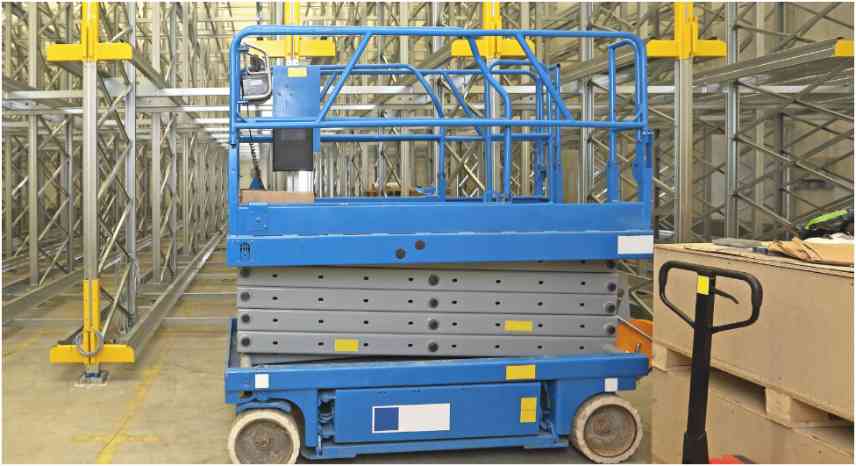
In a fast-paced warehouse environment, heavy machinery is the lifeblood of daily operations. Forklifts, pallet jacks, scissor lifts, and order pickers move thousands of pounds of inventory continuously across expansive concrete floors. Because these machines are built to endure grueling, high-capacity shifts, operators tend to trust their structural stability implicitly. If a lift turns on and moves forward, it is generally assumed to be safe for operation.

This assumption overlooks a critical, internal vulnerability: weak hydraulic pressure. Unlike a broken tire or a smoking engine, low hydraulic pressure is often a quiet, invisible malfunction. It doesn’t always cause an immediate, dramatic machine shutdown.

Instead, it degrades the system subtly over time, introducing a margin of instability that places operators, inventory, and facility infrastructure at extreme risk. Understanding the underlying physics of pressure loss is vital to keeping warehouse operations secure.

1. The Phenomenon of Subtle Load Drifting

The Phenomenon of Subtle Load Drifting

Hydraulic lift systems function by pushing specialized fluid into a sealed cylinder, forcing a piston to extend and raise the platform or forks. Once the desired height is achieved, a series of check valves lock the fluid in place, maintaining constant pressure to keep the load suspended safely.

When a system suffers from weak pressure—whether due to an internal valve leak, a failing pump, or fluid degradation—the system can no longer maintain that rigid volumetric hold. This leads to a dangerous condition known as load drifting. A pallet raised twenty feet in the air may begin to sink a fraction of an inch every minute.

To a busy operator focused on matching a rack coordinate, this slow descent is almost impossible to notice visually until the center of gravity shifts, causing the load to tilt, destabilize, and potentially cascade down into the aisle below.

2. Erratic Command Response and Operator Compensation

A properly pressurized hydraulic system delivers instant, predictable feedback. When an operator moves a control lever, the lift should react smoothly and proportionally. Low pressure disrupts this direct relationship between input and mechanical execution.

When system pressure drops below nominal operational levels, the lift may experience delayed responses or sudden, jerky movements as the weak pump struggles to build the threshold energy required to move the load. Operators frequently attempt to compensate for this sluggish behavior by over-correcting—pushing control levers harder or holding them down longer.

This erratic cycle of delayed movement followed by a sudden surge of power makes precision maneuvering near high-density storage racks incredibly difficult, dramatically increasing the risk of accidental structural impacts.

3. Cavitation and Internal Component Erosion

Cavitation and Internal Component Erosion

Weak pressure is rarely a localized issue; it is typically a symptom of an underlying systemic failure that actively destroys the machinery from the inside out. One of the primary drivers of low pressure is fluid aeration or system restriction, which leads directly to a destructive process known as cavitation.

When a hydraulic pump cannot draw fluid efficiently due to a low reservoir level or an internal blockage, it creates a partial vacuum. This low-pressure void causes vapor bubbles to form within the hydraulic oil. As these bubbles travel into high-pressure zones within the pump and cylinders, they violently collapse.

Each microscopic explosion releases intense shockwaves and localized heat, physically tearing away tiny particles of metal from the interior walls of your components. Over time, this internal erosion contaminates the fluid and permanently destroys the machine’s lifting capacity.

4. Accelerated Structural Strain and Seal Fatigue

When a warehouse lift operates with inadequate hydraulic pressure, the physical physics of the load don’t disappear—they are simply redistributed to places they don’t belong. Instead of being supported by a stable column of pressurized fluid, the weight of the cargo places uneven mechanical stress on the lift’s structural framework.

The mast, chains, guide rails, and scissor linkages are forced to absorb the vibrations and uneven forces generated by a struggling, low-pressure system. Furthermore, the remaining hydraulic seals are subjected to irregular friction profiles as the piston rods hitch and shudder during extension.

For facilities experiencing these systemic malfunctions, waiting to address the issue is a high-liability gamble. Securing expert heavy equipment repair in Utah or your local industrial hub is necessary to evaluate the hydraulic integrity before the combination of structural strain and seal fatigue results in a total mechanical failure.

5. Unintended Safety Brake Engagement

Unintended Safety Brake Engagement

Modern warehouse lifts are engineered with redundant, fail-safe mechanical braking systems designed to lock the lift structure in place if a catastrophic loss of control occurs. Many of these emergency brakes are held open continuously by active hydraulic pressure.

When the primary system pressure drops below a specific engineering threshold, the safety mechanisms can become confused. The drop in pressure can cause the emergency brakes to partially engage or drag while the vehicle is in motion or actively lifting.

This unintended friction generates extreme heat, rapidly wears down the braking materials, and can cause the machine to stop abruptly mid-shift. A sudden, uncommanded halt while carrying a heavy load at height creates an immediate pendulum effect, threatening to tip the entire machine over.

Conclusion

Weak hydraulic pressure is a silent hazard precisely because it allows a machine to keep working while progressively steering it toward a catastrophic failure point. The loss of a few hundred pounds per square inch of pressure transforms a precise piece of warehouse machinery into an unpredictable liability capable of dropping inventory, ignoring operator inputs, or collapsing entirely.

Preventing these workplace disasters requires a strict culture of proactive maintenance, including daily pre-shift inspections, regular fluid analysis, and immediate suspension of any equipment exhibiting signs of slow lifting or load drift. In the world of industrial material handling with core tools and techniques, pressure is not just an operational metric—it is the foundational boundary that separates a safe, efficient warehouse from a high-risk hazard zone.

More From Author

How to Stop Chasing Missing Paperwork Every Tax Season

How to Stop Chasing Missing Paperwork Every Tax Season

Essential Materials Every Beginner Landscaper Should Know

Essential Materials Every Beginner Landscaper Should Know

The Core Tools and Techniques Every Gold Miner Should Know

For millennia, the allure of gold has driven explorers and entrepreneurs to the farthest corners of the Earth. Whether you are an artisanal prospector searching riverbeds or a large-scale operator developing a deep-seated deposit, the path to success is defined by precision, efficiency, and the right equipment. The pursuit of this glittering treasure begins with selecting the right gold mining equipment to match the specific geological environment.

The Essential Kit for Small-Scale Prospecting

The Essential Kit for Small-Scale Prospecting

Successful gold hunting often begins with low-impact, high-efficiency tools. For those working in artisanal or small-scale mining (ASM), the goal is to process as much material as possible while maintaining a high recovery rate.

  • Gold Pans: The most iconic tool in the industry, used to manually swirl sediment and reveal heavy minerals like gold.
  • Sluice Boxes: These are vital for filtering large amounts of sediment quickly by using flowing water to catch heavy particles in specialized riffles.
  • Classifiers and Sieves: These help separate larger rocks from finer material, ensuring that only the most promising sediment reaches the pan or sluice.
  • Maintenance: To prevent the loss of fine flakes, it is essential to rinse tools after every use to remove sediment build-up.

Industrial Extraction and Heavy Machinery

Industrial Extraction and Heavy Machinery

When a deposit is deemed economically viable through exploration and test drilling, the operation transitions to heavy machinery. These machines form the backbone of any large-scale extraction project.

  • Drilling Rigs: Used for both exploration and the creation of blast holes, these rigs vary by rock type, including rotary drills for hard rock and percussion drills for softer formations.
  • Excavators: These heavy-duty machines are indispensable for moving large volumes of earth (overburden) to reach the mineral-rich ore beneath.
  • Haul Trucks: Large-capacity trucks transport the extracted ore from the site to the processing facility. Rigid dump trucks are favored for high-capacity, long-haul operations.

Core Mining Techniques

The method of extraction is determined by the location and depth of the gold deposit.

Placer Mining

This technique involves extracting gold from loose sediments in riverbeds and streams. It relies on gravity, as gold is significantly heavier than the surrounding sand and gravel. Tools like dredges and sluices are common here.

Hard Rock and Underground Mining

When gold is trapped within solid rock, hard rock mining is required. This often involves underground operations where miners create tunnels and shafts to reach the ore. Modern underground mining employs advanced stages: exploration, development of infrastructure (like ventilation), production, and eventual reclamation. Businesses are looking for smart outsourcing solutions for every stage emplyees.

The Recovery and Refining Process

Extraction is only the beginning. Once the ore reaches the surface, it must undergo beneficiation to separate the gold from waste rock.

  1. Crushing and Grinding: The ore is broken down into tiny particles to liberate the gold.
  2. Concentration: Techniques such as gravity separation or flotation are used to isolate the target minerals.
  3. Chemical Processing: In many operations, cyanidation is used, where a cyanide solution separates gold from other minerals.
  4. Refining: The final step involves melting the gold to remove any remaining impurities, reaching up to 24-karat purity.

Prioritizing Safety and Sustainability

Prioritizing Safety and Sustainability

Mining is inherently hazardous, making safety a moral and operational imperative. Proper training is the first line of defense, ensuring that every worker understands the correct operation of machinery and emergency protocols. Consistent use of personal protective equipment (PPE)—including hard hats, steel-toed boots, and respiratory masks—is non-negotiable.

Furthermore, modern mining must embrace environmental responsibility. Sustainable practices, such as recycling water, managing tailings carefully to prevent contamination, and reclaiming mined land, help preserve ecosystems for future generations.

In Conclusion

Success in gold mining is not merely a product of luck; it is the result of thorough preparation, the right technical knowledge, and a commitment to safety and right to have a workers’ compensation attorney. By understanding these core tools and techniques, miners can navigate the complexities of the earth to unearth the treasures within while maintaining a sustainable and profitable operation.

More From Author

5 Lifestyle Changes That Improve Daily Comfort

5 Lifestyle Changes That Improve Daily Comfort

How Data Rooms Influence First Impressions During Due Diligence

How Data Rooms Influence First Impressions During Due Diligence

Smart Outsourcing Solutions for Busy Businesses

Running a growing business often means juggling countless responsibilities, leaving leadership teams stretched thin. Smart outsourcing offers a strategic lifeline, allowing organizations to delegate specialized tasks and focus entirely on their primary goals. By leveraging external talent and dedicated services, companies can unlock new levels of efficiency and scale seamlessly.

Identifying Core and Non-Core Business Functions

Identifying Core and Non-Core Business Functions

The first step in implementing a successful outsourcing strategy involves distinguishing between core and non-core functions. Core functions are the primary activities that directly contribute to your competitive advantage and define your business identity. Non-core functions, on the other hand, are the essential but routine tasks that support the business but do not differentiate it in the market.

Strategic Alignment

To achieve strategic alignment, organizational leaders must rigorously evaluate every department and workflow. Ask whether a specific task directly improves the product or service you offer to your customers. For example, if you run a software development firm, writing code and designing user interfaces are core functions.

Conversely, managing payroll, processing human resources paperwork, or handling basic IT support are non-core tasks. Outsourcing these secondary activities ensures that your internal team remains laser-focused on innovation and customer satisfaction, aligning everyday operations with long-term strategic objectives.

Resource Allocation

Once core functions are identified, resource allocation becomes significantly more straightforward. Keeping non-core tasks in-house often drains valuable resources, pulling top talent away from high-impact projects. 

By moving these responsibilities to capable external providers, businesses can redistribute their financial and human capital.

This optimized allocation allows internal staff to dedicate their energy to revenue-generating activities while also highlighting the benefits business owners gain from professional financial planning services through stronger budgeting and long-term financial stability, ultimately improving workplace morale and overall productivity.

The Key Benefits of Smart Outsourcing

The Key Benefits of Smart Outsourcing

When executed correctly, smart outsourcing fundamentally transforms how a business operates. Organizations that partner with the right external providers experience a multitude of operational and financial advantages.

Cost Efficiency

Cost reduction remains one of the most compelling reasons to outsource. Maintaining full-time, in-house staff for specialized, non-core tasks requires significant investment in salaries, benefits, office space, and ongoing training, which is why many companies also explore how businesses can optimise their distribution for cost savings through more efficient operations and resource management.

Outsourcing converts these fixed overhead costs into variable costs. You only pay for the services you need when you need them. This lean approach protects the bottom line, freeing up capital that can be reinvested into product development, marketing campaigns, or market expansion.

Access to Specialized Expertise

No business can be an expert in everything. Outsourcing opens the door to a global talent pool and specialized agencies that possess deep industry knowledge. These external partners stay up-to-date with the latest trends, technologies, and regulatory requirements in their respective fields.

Whether it is a sophisticated digital marketing campaign, complex accounting procedures, or advanced cybersecurity protocols, outsourcing allows your business to benefit from top-tier expertise without the steep learning curve, including key ways smart accounting boosts cash flow for small businesses through better financial planning and expense management.

.

Enhanced Flexibility and Scalability

Business environments fluctuate constantly. Demand can spike during specific seasons or drop during economic downturns. Smart outsourcing provides the flexibility to scale operations up or down rapidly.

Instead of navigating the time-consuming process of hiring and firing internal staff, a business can simply adjust the scope of its agreement with an outsourcing partner. This agility is crucial for modern businesses looking to maintain steady growth without overextending their internal infrastructure.

Essential Considerations for Successful Outsourcing

Essential Considerations for Successful Outsourcing

While the benefits are substantial, outsourcing requires careful planning and management to mitigate potential risks. A poorly managed outsourcing arrangement can lead to quality control issues and operational bottlenecks.

Vendor Selection and Due Diligence

Choosing the right partner is the foundation of any successful outsourcing initiative. Organizations must look beyond pricing and evaluate potential vendors based on their track record, industry experience, and technological capabilities. Thorough due diligence includes checking references, reviewing past performance, and ensuring cultural alignment.

For instance, a hospitality business seeking catering services must carefully vet food suppliers, while also coordinating with a uniform rental company in Lansing to ensure staff consistently maintain a professional appearance. Evaluating every third-party vendor with strict criteria ensures seamless integration into your daily operations.

Establishing Clear Communication Channels

Effective communication bridges the gap between your internal team and external partners. From the outset, both parties must agree on the preferred methods and frequency of communication.

Setting up weekly check-ins, utilizing shared project management dashboards, and clearly defining the escalation process for urgent issues prevents misunderstandings. When an external partner feels like an extension of your internal team rather than a distant entity, collaboration thrives, and project outcomes improve.

Contract Management and Performance Monitoring

A well-structured contract protects both the business and the service provider. Contracts must clearly outline service level agreements, key performance indicators, delivery timelines, and confidentiality clauses. However, signing the contract is only the beginning.

Continuous performance monitoring is necessary to ensure the vendor consistently meets agreed-upon standards. Regular performance reviews help identify areas for improvement, allowing both parties to refine their processes and build a stronger, more productive partnership over time.

Common Outsourcing Models and Their Applications

Common Outsourcing Models and Their Applications

Outsourcing is not a one-size-fits-all solution. Different business needs require different engagement models. Understanding these models helps organizations choose the most effective approach for their specific challenges.

Project-Based Outsourcing

Project-based outsourcing involves hiring an external partner to complete a specific, well-defined project from start to finish.

This model is ideal for tasks with clear deliverables and distinct timelines, such as redesigning a corporate website or conducting a one-time market research study. It allows businesses to execute specialized projects efficiently without committing to a long-term operational relationship.

Staff Augmentation

Sometimes, a business has strong internal leadership and processes but lacks the manpower to meet a sudden surge in workload. Staff augmentation solves this problem by integrating external professionals directly into the internal team temporarily.

These outsourced workers operate under the direction of internal managers. This model works exceptionally well for software development teams or customer service centers that need to ramp up capacity quickly for a new product launch.

Managed Services

For ongoing operational needs, the managed services model is highly effective. Under this arrangement, a business delegates the complete management and execution of a specific function to an external provider.

The provider takes full responsibility for the strategy, technology, and day-to-day operations of that department. This is commonly seen in IT infrastructure management, payroll processing, and comprehensive facility maintenance, allowing the business leadership to step away from daily administrative oversight completely.

Conclusion

Adopting smart outsourcing solutions empowers busy businesses to navigate growth with agility and confidence. By carefully selecting external partners and delegating non-core functions, leaders can reclaim valuable time and drive sustainable success. Begin evaluating your daily operations today to identify the areas where external support can make the most significant impact.

More From Author

Living Aids That Boost Independence for Mobility-Impaired Adults

7 Daily Living Aids That Instantly Boost Independence for Mobility-Impaired Adults

5 Lifestyle Changes That Improve Daily Comfort

5 Lifestyle Changes That Improve Daily Comfort

Boost Your Online Sales: Traffic-Driving Tactics That Work

Building a beautiful e-commerce website represents just the first step in your retail journey. Your digital storefront means very little if shoppers cannot find it. Generating consistent traffic requires a strategic approach that combines technical optimization with compelling content.

This guide outlines actionable methods to attract targeted visitors to your online business. You will learn how to improve search visibility, create engaging content, and optimize the overall shopping experience.

Optimizing for Search Engines

Search visibility dictates the success of most online retail operations. Shoppers rely heavily on search engines to discover new products and solutions.

Mastering Keyword Research

Effective optimization begins with understanding exactly what your potential buyers type into search bars. You must identify the specific terms and phrases associated with your inventory. Long-tail keywords often provide the highest conversion rates.

These longer phrases show a clear intent to purchase rather than just a casual interest. For instance, a search for a specific waterproof running shoe or top-tending products to sell online indicates a ready buyer. Integrate these terms naturally into your page titles, meta descriptions, and image text.

Enhancing Product Descriptions

Basic manufacturer descriptions rarely convince a visitor to complete a purchase. You need unique, detailed product copy that highlights benefits rather than just listing features. Proper optimization requires strategic keyword placement throughout your product pages.

If you sell across multiple platforms, utilizing an Amazon SEO service can help improve your marketplace rankings specifically. For your independent site, ensure every product description answers common buyer questions directly. This approach builds trust and helps search algorithms understand your page context.

Leveraging Content Marketing

Leveraging Content Marketing

Consumers want to buy from authorities in their respective industries. Producing high-quality content establishes this authority and gives people a reason to visit your site repeatedly.

Creating Valuable Articles

A dedicated blog serves as a powerful magnet for organic traffic. Write comprehensive guides that solve specific problems related to your inventory. If you sell outdoor gear, publish detailed tutorials on campsite preparation or equipment maintenance.

Educational articles capture potential buyers early in their shopping journey. They also encourage other websites to link to your content, which improves your overall domain authority. Once visitors land on your helpful guide, you can seamlessly direct them toward relevant product categories.

Utilizing Video Content

Visual media captures attention much faster than plain text. Shoppers want to see products in action before committing their money. Create short demonstration videos highlighting the practical applications of your best-selling items.

Host these videos on your website to increase the average time visitors spend on your pages. Longer dwell times signal to search algorithms that your site provides genuine value.

Maximizing Social Engagement

Maximizing Social Engagement

Social platforms provide direct access to highly targeted demographic groups. Building a strong presence requires consistent interaction and value creation.

Building Community Connections

Do not treat social channels simply as broadcasting platforms for your sales pitches. Engage directly with your audience by asking questions and responding to comments. Share behind-the-scenes glimpses of your daily operations.

This transparency humanizes your business and builds incredible loyalty. Customers who feel connected to your mission are far more likely to visit your store and share your links with their peers.

Strategic Advertising

Organic growth takes time to materialize. Paid social advertising helps bridge this gap by driving immediate traffic to your landing pages. Modern advertising platforms allow you to target users based on very specific interests and browsing behaviors.

Start with a modest budget to test different ad formats and images. Analyze the performance data carefully to see which campaigns generate the most profitable website clicks.

Improving User Experience

Improving User Experience

Driving visitors to your site only matters if they stay long enough to browse. The technical performance of your digital storefront directly impacts your traffic retention.

Speed and Mobile Design

Modern consumers abandon slow websites almost instantly. Compress your product images and minimize complex background scripts to ensure your pages load within three seconds. Fast loading times also contribute positively to your search engine rankings.

Furthermore, the majority of online shopping now happens on mobile devices. Your site must adapt flawlessly to smaller screens. Buttons should be easy to tap, and the checkout process must require minimal typing. Streamlining navigation menus helps mobile users find exactly what they need without excessive scrolling.

Next Steps for Consistent Growth

Generating website traffic requires persistent effort and regular adjustments. Start by auditing your current product descriptions and identifying areas for keyword improvement. Choose one social platform to focus your community-building efforts on this month.

Monitor your website analytics weekly to understand which tactics bring in the most engaged visitors. Applying these strategies consistently will steadily grow your audience and increase your overall sales volume.

More From Author

5 Ways Virtual Data Rooms Improve Founder–Investor Collaboration

5 Ways Virtual Data Rooms Improve Founder–Investor Collaboration

What Services Should You Expect from an HVAC Company in Lancaster

What Services Should You Expect from an HVAC Company in Lancaster?