





Home security isn’t what it used to be. Gone are the days when a simple lock and a porch light were enough to deter intruders. Today’s homeowners face a variety of sophisticated threats, ranging from traditional physical break-ins to digital vulnerabilities.
Securing your property requires a proactive, layered strategy that combines physical reinforcements, technological integration, and consistent daily habits. Here are ten smart ways to fortify your sanctuary and protect your peace of mind.
1. Reinforce Your Entry Points
Your first line of defense is your doors. Ensure all exterior doors are made of solid-core material or are metal-reinforced, as hollow-core doors can be easily kicked in. Beyond the material, hardware matters.
Install high-quality deadbolt locks with at least a one-inch throw to maximize strength. You can further secure these points by adding reinforced steel strike plates with longer screws that penetrate deep into the wall studs, making forced entry significantly more difficult.
2. Strengthen Windows and Sliding Doors
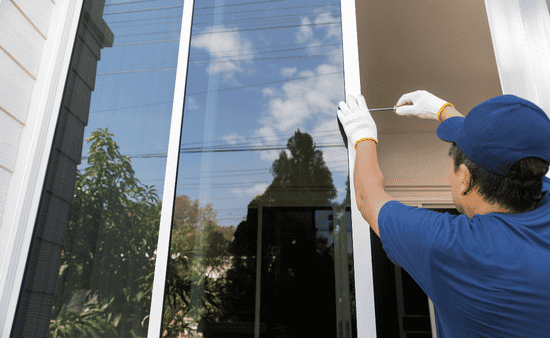
Windows and sliding glass doors are often seen as “soft” targets. Always keep them locked, even when you are at home. To enhance security, consider applying a shatter-resistant security film to the glass. This film holds the glass together even if it is struck, slowing down an intruder’s progress.
For sliding doors, placing a metal or wooden security bar in the track is an effective way to prevent the door from being forced open from the outside. Security upgrades like these are among the important considerations in what homeowners should know before they remodel, as renovation projects provide an ideal opportunity to strengthen vulnerable entry points, improve safety features, and incorporate modern security solutions into the home’s overall design.
3. Invest in Smart Security Technology
Modern technology has made professional-grade monitoring accessible to everyone. Smart doorbells with integrated cameras allow you to see and speak to visitors without opening the door, even when you are away. High-definition surveillance cameras placed around the perimeter can provide real-time alerts to your smartphone. These systems not only deter potential intruders but also provide valuable evidence if an incident occurs.
4. Upgrade to Smart Locks
Smart locks offer a higher level of security compared to traditional keys. They allow for keyless entry via PIN codes or apps, which eliminates the risk of someone using a stolen or duplicated key. You can also assign temporary access codes to guests or service providers and monitor exactly who enters and exits your home in real time.
5. Illuminate Your Property
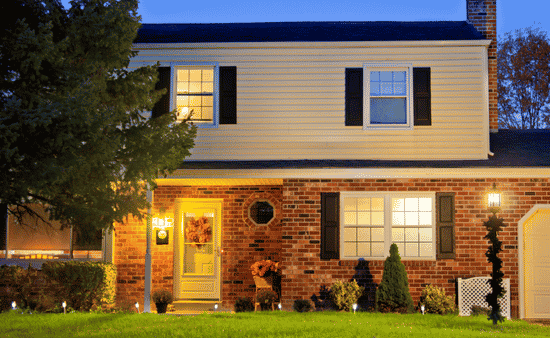
Intruders generally avoid well-lit areas where they can be easily seen. Install motion-activated lights around entryways, driveways, and dark corners of your yard. The sudden activation of light can startle an intruder and draw immediate attention to their presence. Solar-powered path lights are also a great eco-friendly option to eliminate hiding spots and tripping hazards.
6. Secure the Garage
Many homeowners neglect the garage, yet it often provides direct access to the main house. Ensure your garage door is sturdy and that the locking mechanism is functioning correctly. If you notice any mechanical issues or vulnerabilities, seeking professional garage door repair in Boise can ensure this critical entry point remains a solid barrier against intrusion. Additionally, smart garage openers can notify you if the door is left open, providing an extra layer of awareness.
7. Landscape for Visibility
Your landscaping can either invite or deter criminals. Keep trees, bushes, and shrubs near windows and doors trimmed to eliminate potential hiding spots. For an added layer of deterrence, plant thorny bushes like holly or roses beneath ground-floor windows.
The goal is to keep sightlines open from the street while still maintaining your home’s curb appeal. These landscaping efforts also align with preventive maintenance tasks every homeowner should prioritize, as regular trimming, pruning, and property inspections help improve security, protect the home’s exterior, and prevent small issues from becoming costly repairs over time.
8. Secure Your Wi-Fi Network
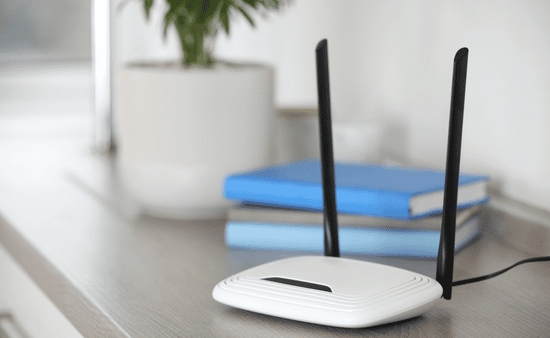
In a smart home, cybersecurity is just as important as physical security. A weak Wi-Fi network can provide a gateway for hackers to access your security cameras or digital door locks. Always use strong, unique passwords, enable encryption, and change the default settings on your router. Consider creating a separate guest network to keep your main security devices isolated and protected.
9. Create the Illusion of Occupancy
An empty house is a prime target. Use smart timers to turn lights, TVs, or radios on and off at varying intervals to simulate life inside while you are away. Avoid advertising your absence on social media; wait until you return from a trip to post vacation photos. You can also ask a trusted neighbor to park in your driveway or collect your mail to maintain the appearance that someone is home.
10. Foster Neighborhood Awareness
A watchful community is often faster at noticing suspicious activity than any electronic device. Get to know your neighbors and consider joining or forming a neighborhood watch program. When neighbors look out for one another, it creates a collective defense that makes the entire area less attractive to burglars.
Securing your home is about consistency and preparation. By combining these smart strategies, you can turn your house into a true fortress, ensuring the safety of your loved ones and your most valuable assets.