




analytics = 833.322.6760, 8448520347, 800 notes, 7168738800, 8005113030, 8662783536, 9525620902, 8333163276, 9133123280, 8558425860, 8777640833, 2567447500, 18669852273, 8559977348, 8775895169, 6123010199, 8777458562, 8447297641, 8556792141, 5018218349, 6468760617, 8559712260, 8557390856, 8339310230, 3106677534, 8339842440, 9547875035, 6163306276, 18004441676, 8558348495, 7864225581, 9094067513, 8602739995, 18339793337, 8553020376, 9513245248, 5164226400, 2675259887, 8339060641, 8139469478, 2486022768, 2064395787, 5595330138, 5127649161, 8163354148, 5165660135, 9723750568, 2085144125, 18559694636, 5028227768, 5104709740, 2107644963, 9513947262, 8772865954, 6266570594, 8442891118, 8008280146, 7714445409, 8664368150, 18006951063, 8779140059, 8017425882, 2245434298, 4234820546, 8442712583, 9547434255, 8445073876, 18662058022, 18004367961, 8445369495, 8448747445, 9513895348, 8017835887, 9136778319, 5095810139, 18005271339, 6178265171, 8338428100, 4699988648, 8337030945, 5132830807, 8669072272, 7027650554, 18003959733, 8882288896, 8007017918, 8882961958, 9164315240, 3134238040, 8333859445, 8885090457, 8008399369, 9183984181, 6125681561, 8555737348, 7035746171, 9804026136, 3392036535, 8014388165, 8339124265, 2484556960, 8652940491, 6788532772, 18002319631, 4432611224, 5174402172, 5166448345, 8574156189, 9208318998, 2814084487, 3237827205, 9035937800, 6147636366, 8886375121, 18667153526, 6156855230, 9133120992, 6027675274, 8326849631, 6363626977, 8014388261, 6163306271, 5128465056, 6164252258, 8008994047, 6506189519, 5133970850, 8006601779, 8668010144, 8555894252, 6163177933, 4079466140, 8655460256, 18884209943, 3464268887, 8442449538, 7043866623, 8444211229, 8102759257, 4345281742, 9493175442, 4123879299, 8382211532, 3309133963, 5109849896, 8556482575, 7072899821, 2014658491, 6032157860, 7628001252, 2082327328, 3522492899, 972-476-8208, +1 (800) 555-0433, 7753840563, 4694890551, 8327349150, 2702971125, 8008545695, 6106006953, 2146516900, 9037651217, 7047058890, 8668219635, 8033391481, 9592307317, 8595594907, 8332685291, 8555710330, 8778334675, 2102440850, 18008778623, 9513387286, 4029339118, 6103444430, 8662222197, 7273618338, 6159840902, 8555154190, 8668418679, 8338780449, 5417666200, 9185121419, 3237160444, 3606338450, 6198259510, 8888570668, 8083399481, 18668404246, 9032130471, 18007457354, 8662900505, 9512277184, 14075830183, 877-613-7414, 8669145806, 8884135452, 8339870385, 5412621272, 4085397900, 4049960554, 9043278492, 8008109337, 3148962604, 2625778200, 2533722173, 7702240355, 2602796153, 8442568097, 4045674598, 8778135595, 6627789116, 8666148679, 432.535.3346, 8552199473, 18008784733, 8656696225, 4172640211, 2694480187, 8004800186, 8728107133, 8554290124, 8445417310, 8088094977, 3854774827, 6149229865, 8558318013, 8886227328, 8669289240, 2162086661, 8449263585, 8656868483, 9126165004, 4342647097, 4698902115, 9738424694, 8009249033, 8662962852, 8004836205, 7637606200, 9549534317, 9085288998, 8665592621, 9097290670, 8885365114, 6282074108, 9515725134, 9725268500, 18886918661, 4028589809, 5135840000, 9542026998, 3606338409, 3392120655, 9375304801, 4699825009, 7158365720, 7133540191, 5176576800, 7015400761, 8007620276, 7314100312, 8133644313, 4014142386, 8556829141, 18003473764, 5163279500, 2177711746, 8338394140, 8008442881, 8442356275, 9737509291, 8053218829, 5138030600, 866.266.1445, 18667066894, 18448302149, 9592998000, 8668518500, 3618257777, 8132108253, 9134285296, 18667331800, 6182062806, 6196931509, 5052530598, 2692313137, 8322632311, 4089635659, 3122340781, 8665270007, 8884315114, 8327010295, 8886230286, 18337632033, 7276978680, 8662847625, 7046297142, 5709082790, 6176829138, 18663243120, 18888447979, 833-793-2634, 3146280822, 2817169800, 8003966861, 2092152027, 8772379648, 8779100501, 6304497394, 6613686626, 7864325077, 8667061341, 8443168434, 18007793351, 2816679193, 6182213001, 8165459795, 800-660-1779, 3865648082, 4057539884, 6304757000, 8665212613, 8339014153, 4018686200, 7177263148, 8446717272, 6026889985, 6122950822, 18775007697, 8727025274, 877-870-8046, 4107533411, 8594902586, 3175548779, 4023164651, 8442409757, 6155909241, 4692706636, 8447089406, 2183167675, 9367097999, 18003239865, 5107750767, 8336411330, 8666136856, 8776137414, 5048420550, 8174924769, 409-761-7631, 8772810415, 6175170000, 6176447300, 516-644-8345, 8014388150, 8014363101, 8446600349, 8445720731, 8446012486, 9529772019, 8004160599, 2105867691, 8174761844, 8777665220, 3606338365, 2159873706, 8126413070, 7578520784, 2155830758, 2133442341, 8014388461, 8556302480, 9013702057, 6467622601, 7083655202, 1-877-870-8046, 2505814253, 8152877145, 2173264646, 7654422019, 8442677109, 844-306-7833, 8775787552, 8624140848, 8555422416, 9544406856, 8009410164, 2193102036, 3237460973, 8332178326, 8133207059, 18003105587, 8178548532, 8772595779, 8044452446, 8336852203, 5136555021, 8042933450, 713-332-2838, 8556769075, 8447100373, 8446180908, 6512551000, 6144058912, 8332891205, 8336370667, 8124350998, 7133537813, 312-653-2073, 7083919045, 5403084012, 9529790948, 2177491008, 4079466142, 8333880562, 6183319022, 8776363716, 8012367598, 2816916103, 5165029686, 6087759139, 9045699303, 5614348400, 9085056898, 9297441323, 18002201614, 844-391-1092, 3364387172, 4708878685, 9803167472, 2093324588, 4052173481, 3055038807, 9044785041, 7137309500, 9513707315, 18002378990, 6232238196, 5026653794, 4057240741, 9543793034, 8884700655, 9512521067, 5703752113, 9299952002, 2565103546, 8134486919, 6266390332, 4049650560, 5303227024, 5106464099, 4075457432, 18663524737, 8887278618, 8084899138, 5082518001, 3183544193, 8037168112, 4807508966, 8586578575, 2095506110, 18008898740, 5416448102, 8666687301, 919.214.5402, 5864987122, 6302429143, 9547459648, 4844836206, 7145099696, 8665838119, 8004439164, 8007082736, 8779949115, 8003280355, 4085982269, 424.385.0597, 4054483292, 4694096508, 18884534330, 4844522185, 3606338412, 7133322838, 8007430511, 4703975724, 8082130841, 18662916365, 8664482002, 5707403282, 4072037536, 8332665655, 8557074599, 18555013051, 8668446972, 5128425148, 8337932634, 8329751010, 6156759252, 7173219013, 5165660134, 6152482618, 888-785-2471, 8553395442, 7204563710, +1 (312) 653-2073, 8339833264, 8555159372, 8448348551, 8665207789, 4072357388, 8883237625, 8014388316, 5622422106, 412-405-6064, 7657513244, 4089773512, 4176225719, 866.376.4584, 8166310333, 4122148544, 5702803018, 8667677603, 5407317304, 8054296716, 9712734028, 5102572527, 18776898870, 2075485013, 8559590200, 9545058434, 9089558128, +1 (320) 207-5189, 8447553258, 8662261020, 7135568949, 6303879597, 4149558701, 7209152170, 8008298374, 8558078675, 8666136857, 8669972488, 2014623980, 8013365041, 7083164009, 6622553743, 4158519136, 8339721292, 18008994047, 201-462-3963, 8887852471, 7702823288, 18007450572, 2672232367, 8333425412, 8008423225, 6516034340, 9044210685, 3032423254, 8777708065, 8043123644, 5138600470, 4073030519, 18009359935, 9152453436, 3308355902, 4125577457, 5183636075, 3362525901, 18663902348, 8143590227, 18009145582, 8172104278, +1 (866) 593-3926, 2105201454, 8332316512, 866.914.5806, 866-613-6857, 7819276501, 8332819623, +1 (866) 613-6857, 5135696117, 6506819470, 6147320721, 866-702-4725, 6266577222, 4055638384, +1 (614) 890-1025, 9036860067, 2816701587, 2487855500, 8442006330, +1 (623) 462-7106, 8666746861, 7158988041, 877 770 8125, 7343485117, 9727530822, 8776380175, +1 (866) 914-5806, 6126721631, 18003653234, 9512237966, 5702771040, 5025155312, 7172515048, 18005303790, 214-226-9139, 8889764904, 4025595100, 8448439155, 8016192557, 6083255121, 2403122052, 8335841371, 4044133261, 8324583317, 6233529406, 5208663325, 8776421554, 8014075254, 877 613 7414, 18005284800, 5135723375, 5034614545, 206-453-2329, 801-413-7200, +1 (855) 283-3957, 8004351415, 18888002527, 8776236765, 5094747159, 6036681119, 4086921193, +1 (877) 647-8551, 8087680000, 8337002510, 7174070772, maxwell and bryant group, 8668594380, 7177896033, 7208481788, 866-914-5806, 18009220204, +1 (888) 994-2320, 18003683110, 8666484519, 2107829213, 8882795504, 662-255-3743, 5052779866, 7172968088, 7756877101, 800-276-3744, 18004321000, 8883731969, +1 (800) 530-3790, 6157471813, 6788062977, 402-220-1248, 9525630843, 8662855312, 8776918086, 877-417-4551, 877-770-8125, 8884640727, 8435820002, 8884141045, 5202263623, 8339901915, 8559731040, 4043853637, 888-991-5696, +1 (877) 770-8125, 6158007010, 888-250-7027, 8889346489, +1 (888) 993-2902, 8003318859, 2252143974, 8442449425, 7144490377, 8014137200, 8333725815, +1 (800) 435-1415, 6097982556, 8155179338, 3158495499, 4014446877, 9472221080, 18009454701, +1 (888) 611-6904, 8553308653, 855-581-1994, 4243459294, 866-716-9062, 6468882001, 866-680-8628, +1 (978) 938-4194, 201-462-3980, 855-419-7365, +1 (847) 426-9203, 7033320600, +1 (800) 988-8019, 8888922253, 888 266 2278, 8003973342, 8884864722, 8009220204, 7205366300, 7136965500, 866-593-3926, 9514254239, 2069220880, 5732452104, +1 (800) 654-8818, 7632743899, 916-545-8389, 888 934 6489, 5627253046, 7175316640, 877-556-9255, +1 (540) 546-0824, 978 444 5700, 8888023080, 4014303033, 8008757159, 206 453 2329, 855-330-8653, 3462149844, 8659469900, 1-800-388-5512, +1 (206) 922-0880, 4433979200, 8667620558, +1 (866) 348-6231, 5712932365, 6786662731, 1-800-432-1000, 5043842543, 8434384166, +1 (888) 899-6650, 8777284206, 6152130831, 8002760901, 8663486231, 2128459525, 8009520270, 8885130708, 18004365657, 888-899-6650, 8005550433, 8338950323, 8559422422, 8009552292, 4845263150, 8595929161, 3602199415, 402 935 7733, 8558998232, 8888426328, 18009398164, 18002818274, 4122676767, 4179900203, +1 (800) 528-4800, 18886166411, 8004517269, 5705590121, 5157353419, 921 area code, +1 (888) 373-1969, 8015260950, 4077322416, 6788532430, 513-831-2600, 888-373-1969, 18003801196, 8442437370, +1 (404) 806-4811, 8886890122, area code 531, +1 (800) 946-0332, 707, 888 373 1969, 6178788190, 8558369705, 248-434-5508, 844 area code, 8552073383, 1111111111, 2257653120, 6189446426, 6292588750, 800-922-0204, 18009346489, 407-732-2416, 5136961920, 18669544405, 9199147004, 8442069035, 480, 18335421564, 6148901025, +1 (800) 608-2581, 800 922 0204, +1 (888) 486-4722, po box 247001, 9043807465, 612-815-5000, 6105462466, 18336421007, 18009228228, 235 area code, 18002823214, +1 (877) 647-8552, 8777335189, 3333, 8009200482, 8552780432, 8332076202, 365 area code, 639 area code, 18666201302, 18003472275, 763-274-3899, 8558590047, 18003047265, 8886116904, 7139369494, 18008887243, 6126722492, 3139607914, 8665160115, area code 639, +1 (800) 955-6600, 8009888019, 18005237020, 8669288598, 3372695110, 18448238902, 8666808628, 8336977328, 8774220763, 5107474557, 9133863627, 8008420588, 8556148530, 8009420854, 8663287946, 8888399638, 18005567677, 2069267485, 1-800-745-7354, 5405460589, 8654706200, 8664683371, 18003973342, 3202075189, 8009200477, 800-528-4800, area code 825, +1 (800) 943-2189, 5095528142, 438, 984, 18662525777, 18002965598, 18003151907, 18887291404, 8005284800, 8003371809, 8008870224, 8779020006, 844-206-9035, 8655237183, 7342320000, 9999999999, 888-611-6904, 18009001361, 18007771681, 8002149506, 999-999-9999, 8009556500, 5039458199, callerescort, 2815176333, 18667465501, 18006347404, 6233529402, 8552296544, 8889942320, 18009556600, 8008693557, 8664548855, 5405460824, 8665933926, 8554197365, 8448268400, area code 204, 8667679323, 8665728798, 8008456167, 6303837266, 9512432271, 866 area code, 8664084070, 8002799032, 888-802-3080, 781-694-9000, 18005328082, 888-934-6489, 8666740156, 8056377243, 1223, 2163489700, 8339342639, 18887106818, 8004633339, 2064532329, 8004321000, 18003145524, 18002045785, 7817966000, 8339140595, 8668586729, 18002763214, 8889417233, 8557077328, 226 area code, 8009460332, 805-637-7243, 866-712-7753, 781-566-8000, 204 area code, 18882662278, 800-845-6167, 8008600644, 877.714.1509, 18003182596, 201, 8776478552, 8008520411, 8009666546, 7816569000, 800-463-3339, 9784445700, 800 955 6600, 1-800-865-9408, 800-966-6546, 8664300311, 844-466-5519, 800-655-2265, 5138312600, 1-800-522-5633, 8556248963, 8665359492, 8882662278, 800-227-4825, 1-800-227-4825, 8882804331, 1-833-275-3287, 800-955-6600, 3343963000, 855-707-7328, 866-858-6729, 8662581104, 18007332767, 3123804033, 800-288-2020, 8337351894, 7815668000, 6174885400, 410-965-1234, 1-800-925-6278, portfoliorecov, 8009432189, 8667127753, 833-267-6094, 888-266-2278, 8883347978, 866-258-1104, 8009505114, 8884694520, 800-292-7508, 877-242-7372, 813 area code, 8662387212, 1-800-955-6600, 8553376884, 609 area code, 8008413000, *86, 1-800-937-8997, 5278, 8009556600, 888-469-4520, 312-380-4033, 8009557070, 470 area code, 800-279-9032, 18003280355, 844-227-5237, 1-800-841-3000, 8167127753, 1-800-528-4800, 1-800-463-3339, 1-800-935-9935, 71924449671, 8882211161, 18007241633, 8008232318, 1-800-837-4966, 402-935-7733, 18002241591, 800-823-2318, 21038516219, 1-877-825-3242, 800-925-6278, 1-833-873-8237

Preventive Maintenance Tasks Every Homeowner Should Prioritize

Owning a home is one of the most significant investments you’ll ever make, and protecting it requires consistent, proactive effort. Regular preventive maintenance keeps minor issues from snowballing into costly repairs, extends the life of your home’s systems, and helps maintain your property’s value over time. This guide covers the essential upkeep tasks every homeowner should build into their routine.

Seasonal Exterior Care

Seasonal Exterior Care

Your home’s exterior takes the brunt of weather year-round, which is why seasonal maintenance is so important.

Spring Preparations

After winter, inspect your home’s foundation, siding, and walkways for cracks or damage caused by freezing and thawing. Repaint or reseal any exposed wood surfaces before moisture has the chance to cause rot. Check window and door seals and replace any weatherstripping that has worn down.

Summer Checks

Summer heat can stress your home in different ways. Inspect your deck or patio for loose boards, rust, or structural weakness. Check exterior paint for blistering or peeling, and trim any trees or shrubs that have grown close to the house—these can cause moisture buildup or physical damage during storms.

Fall Winterizing

Prepare your home before temperatures drop. Drain and shut off outdoor faucets to prevent pipes from bursting. Seal gaps around windows and doors, test your heating system early, and stock up on supplies before the first freeze arrives. A few hours of preparation in the fall can prevent thousands of dollars in winter damage.

Maintaining HVAC Systems

Your heating, ventilation, and air conditioning system works hard throughout the year. Neglecting it leads to higher energy bills, reduced comfort, and expensive breakdowns.

Filter Replacement

Replacing HVAC filters is one of the simplest and most impactful maintenance tasks you can do. Dirty filters restrict airflow, strain the system, and reduce indoor air quality. Most standard filters should be replaced every one to three months, depending on usage and the type of filter installed.

Professional Servicing

Schedule a professional HVAC inspection at least once a year—ideally before the heating or cooling season begins. A technician can check refrigerant levels, clean coils, calibrate thermostats, and identify worn components before they fail.

Ductwork Inspection

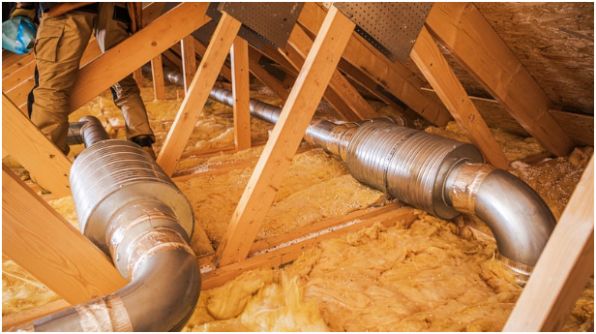
Leaky or poorly insulated ducts can reduce your HVAC system’s efficiency by up to 30%. Inspect visible ductwork for gaps, disconnected sections, or buildup of dust and debris. Sealing and insulating ducts properly can lead to noticeable savings on your energy bills.

Plumbing and Water Management
Plumbing and Water Management

Water damage is among the most expensive problems a homeowner can face. Proactive plumbing maintenance reduces the risk significantly.

Leak Detection

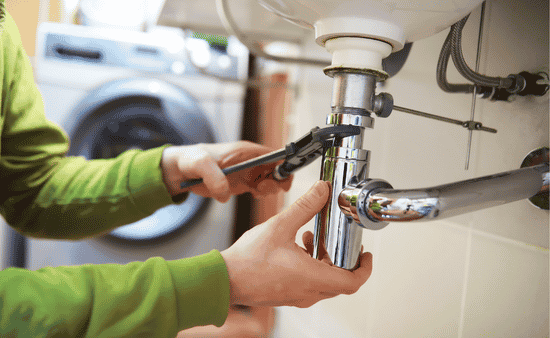
Inspect under sinks, around toilets, and near appliances regularly for signs of moisture or water staining. Even a slow drip can cause mold growth and structural damage over time. Check your water meter when no water is in use—if it’s still moving, you likely have a hidden leak.

Drainage Solutions

Poor drainage around your home’s foundation can lead to basement flooding and soil erosion. Keep gutters and downspouts clear and direct water away from the foundation. For persistent drainage issues, consider consulting a plumbing contractor in Murray, Utah, or a local specialist in your area who can assess and address the problem professionally.

Water Heater Maintenance

Flush your water heater annually to remove sediment buildup, which reduces efficiency and shortens the unit’s lifespan. Check the pressure relief valve to ensure it’s functioning correctly, and inspect the anode rod every few years—replacing it when needed can add years to the unit’s life.

Electrical System Safety

Electrical problems are a leading cause of house fires, making routine checks a non-negotiable part of home maintenance.

Panel Inspection

Have a licensed electrician inspect your electrical panel every three to five years. Look for signs of corrosion, tripped breakers, or breakers that feel warm to the touch. If your home is older and still uses fuse boxes or has outdated wiring, upgrading should be a priority.

Outlet and Switch Checks

Test all outlets periodically, especially ground fault circuit interrupter (GFCI) outlets in kitchens, bathrooms, and outdoor areas. These outlets protect against electric shock and should be tested monthly by pressing the test and reset buttons. Replace any outlets or switches that feel warm, make crackling sounds, or show scorch marks.

Appliance Cord Care

Inspect power cords on major appliances for fraying, cracking, or damage. Never run cords under rugs or furniture where heat can build up undetected. Damaged cords should be replaced immediately—never taped over or ignored.

Roof and Gutter Protection

Roof and Gutter Protection

Your roof is your home’s first line of defense against the elements. Keeping it in good condition prevents water intrusion and structural damage. Understanding why roof lifespans vary for homes in Brockton can also help homeowners make informed maintenance decisions, as factors such as weather exposure, roofing materials, and installation quality all influence how long a roof will last.

Regular Cleaning

Clear gutters and downspouts at least twice a year—once in late spring and again in fall after leaves have dropped. Clogged gutters cause water to back up under shingles and along the fascia, leading to rot and leaks.

Damage Inspection

After major storms, visually inspect your roof from the ground for missing, curling, or cracked shingles. Inside the attic, look for daylight coming through the roof boards or signs of water staining on the insulation and rafters.

Professional Roof Review

Even if your roof looks fine from the ground, a professional inspection every three to five years is worth the investment. Roofers can identify issues that aren’t visible from below and recommend repairs before they escalate to a full replacement.

Appliance Lifespan Extension

Well-maintained appliances run more efficiently, break down less often, and last significantly longer.

Kitchen Appliance Care

Clean refrigerator coils once or twice a year to maintain cooling efficiency. Replace the water filter in your refrigerator on schedule. Keep your oven and stovetop clean to prevent grease buildup that can become a fire hazard. Inspect dishwasher door seals for wear and clean the filter regularly. Using natural kitchen cleaners for routine maintenance can also help remove grease, food residue, and odors while reducing exposure to harsh chemicals.

Laundry Unit Maintenance

Clean the lint trap in your dryer after every load, and have the dryer vent duct cleaned annually—lint buildup in the vent is a common cause of house fires. For washing machines, inspect hoses for bulging or cracking every year and replace them every five years as a precaution.

Other Household Appliances

Don’t overlook smaller appliances and systems. Test smoke and carbon monoxide detectors monthly and replace batteries at least once a year. Clean or replace range hood filters regularly. Check sump pumps before the rainy season to ensure they’re operating correctly.

Conclusion

Preventive maintenance is about anticipating problems before they become emergencies. By committing to a regular schedule of inspections and upkeep across your home’s exterior, HVAC, plumbing, electrical systems, roof, and appliances, you’re actively protecting the value and safety of your property.

These efforts reduce the likelihood of costly emergency repairs, improve energy efficiency, and extend the life of your home’s most important systems. A proactive approach to home care doesn’t require a large investment of time or money—it requires consistency. Build a simple maintenance calendar, tackle tasks season by season, and your home will reward you with fewer surprises and greater long-term comfort.


More From Author

Functional & Wild How to Design a Home for the Adventurous Family

Functional & Wild: How to Design a Home for the Adventurous Family

How to Navigate Major Changes in Your Business

Don’t Panic, Pivot: How to Navigate Major Changes in Your Business

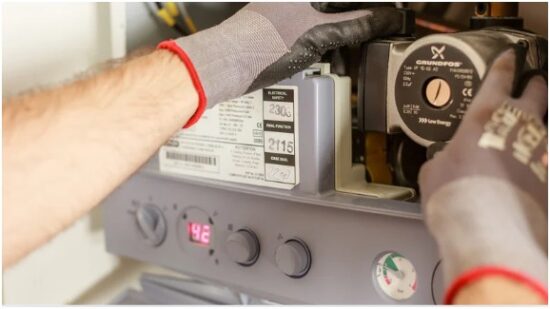
Restore Indoor Warmth With Trusted Boiler Experts

There is a distinct kind of silence that falls over a house when the heating goes out in the middle of winter. It isn’t peaceful; it is heavy and cold. You might notice it first as a chill in the air that your sweater can’t quite fend off, or perhaps you wake up to find the bedroom unnervingly brisk. In regions where winter temperatures drop well below freezing, a functioning boiler isn’t a luxury—it is a necessity for survival and basic comfort.

When your heating system falters, the instinct is often to panic or, conversely, to ignore the problem in hopes that it will resolve itself. However, a boiler is a complex machine that requires precise calibration to function safely and efficiently.

Restoring indoor warmth isn’t just about twisting a valve or resetting a thermostat; it is about ensuring the heart of your home is pumping heat effectively to every room. Understanding when to call in a professional can save you money, time, and the discomfort of a freezing living room.

The Subtle Whispers of a Failing System

The Subtle Whispers of a Failing System

Boilers rarely quit without warning. Long before the heat stops completely, your system will usually try to tell you that something is wrong. Unfortunately, many homeowners tune out these distress signals until it is too late.

One of the most common indicators is sound. A healthy boiler should be relatively quiet, producing a gentle hum in the background. If you start to hear banging, whistling, or gurgling noises, your system is struggling.

This phenomenon, often called “kettling,” can be caused by a buildup of limescale on the heat exchanger. This restricts water flow, causing the water to boil and steam within the unit, which places immense pressure on the system.

Another sign is inconsistency. If one room is a sauna while another is an icebox, your boiler may be having trouble circulating hot water evenly. This could be due to issues with the pump or trapped air in the radiators.

Furthermore, if you notice your energy bills climbing despite your usage remaining the same, it is a clear sign that efficiency has plummeted. The system is working overtime just to maintain the status quo, burning through fuel and your wallet simultaneously.

Safety First: Why DIY is Dangerous

Safety First: Why DIY is Dangerous

In the age of online tutorials, it is tempting to try and fix household appliances yourself. However, boiler repair falls into a different category entirely. These systems often operate using natural gas, high electrical voltage, and scalding hot water. The margin for error is non-existent.

A small mistake during a DIY attempt can lead to gas leaks, which pose a severe risk of fire or explosion. Even more insidious is the threat of carbon monoxide (CO). This colorless, odorless gas can leak from a faulty or improperly repaired boiler, causing serious health issues or even fatalities.

Professional technicians are trained to handle these hazardous elements safely. They possess the tools to detect leaks that the human senses cannot pick up and the knowledge to ensure that ventilation is working correctly.

Beyond safety, there is the matter of the warranty. Many boiler manufacturers include clauses that void the warranty if unauthorized personnel attempt repairs. By trying to save a few dollars on a service call, you might inadvertently cost yourself the price of a full system replacement down the line.

The Value of Local Expertise

The Value of Local Expertise

When the temperature drops, you need reliability. This is where the importance of hiring a trusted, specialized technician comes into play. General handymen are great for fixing drywall or a leaky faucet, but a boiler specialist understands the intricate thermodynamics and mechanics of hydronic heating systems.

Finding the right help depends heavily on where you live. Climate and altitude can affect how heating systems perform. For example, systems in high-altitude mountain towns face different stressors than those in sea-level cities.

If you are seeking boiler repair in Park City, you need a technician who understands the specific demands a harsh mountain winter places on residential heating infrastructure. Local experts are not only familiar with the common brands and models used in the area, but they are also typically faster to respond when a blizzard makes travel difficult.

Benefits of Professional Restoration

Benefits of Professional Restoration

Bringing in an expert to restore your boiler does more than just turn the heat back on. It resets the energy efficiency of your home. A professional clean and repair can significantly improve the unit’s fuel-to-heat conversion rate. This means that for every dollar you spend on gas or electricity, you are getting more actual warmth in your home.

Longevity is another major benefit. Think of your boiler like a car; if you drive it into the ground without ever changing the oil or fixing the alignment, the engine will fail prematurely.

Regular professional attention resolves small wear-and-tear issues before they become catastrophic failures. This extends the lifespan of your unit, delaying the expensive prospect of a full replacement for years.

Furthermore, professional experts provide peace of mind. When a licensed technician signs off on a repair, you know the system has been tested for safety. You can sleep soundly knowing that the CO detectors are checked, the gas lines are secure, and the pressure valves are calibrated correctly.

Keeping the Warmth for Good

Once your warmth is restored, the goal is to keep it that way. The best way to avoid emergency repairs is through preventative maintenance. Most experts recommend an annual service check, ideally scheduled in the late summer or early autumn before the heavy frost sets in.

During these checks, a technician will clean the internal components, check the flue for obstructions, bleed the radiators to remove trapped air, and ensure all seals are tight. It is a small investment of time and money that pays dividends when the temperature outside hits zero.

Your Comfort is Non-Negotiable

Winter should be a time of cozy evenings and warm blankets, not shivering in your own kitchen. Your boiler works hard to keep the elements at bay, and it deserves expert care when it falters. Ignoring the signs of a struggling system puts your comfort, your wallet, and your safety at risk.

By partnering with trusted boiler experts, you ensure that your home remains a sanctuary against the cold. Don’t wait for the system to fail completely on the coldest night of the year. Listen to your home, prioritize safety over DIY savings, and call in the professionals to keep the warmth flowing.

More From Author

Debt Management Guide to Financial Freedom

Debt Management 101: A Beginner’s Guide to Financial Freedom

paint protection film

What Paint Protection Film Really Does for Your Car

How to Keep Your Home Clean and Organized Year-Round

Maintaining a clean and organized home can feel like a constant battle against clutter and dust. Many people perform a deep spring cleaning but find that the tidiness fades within a few weeks. The key to a consistently clean home is not about massive, infrequent efforts, but about establishing sustainable habits and routines. By integrating simple practices into your daily life, you can enjoy a fresh and orderly living space throughout the entire year.

Creating a Sustainable Cleaning Schedule

A structured plan takes the guesswork out of cleaning and prevents tasks from piling up. Instead of waiting until every room is a mess, a schedule helps you tackle small jobs regularly, making the overall workload feel much more manageable.

Daily Tidying Habits

Daily Tidying Habits

The most effective way to keep your home clean is through small, daily actions. These tasks take only a few minutes but prevent clutter and dirt from accumulating.

  • Make Your Bed: It instantly makes a room look more put-together.
  • Wipe Down Surfaces: After cooking, wipe down kitchen counters. In the bathroom, give the sink a quick wipe after your morning routine.
  • Handle Dishes Promptly: Wash dishes after each meal or load them directly into the dishwasher.
  • Put Things Away: Designate a home for every item and return things to their spot after use.

Weekly Cleaning Tasks

Dedicate a specific day or a couple of hours each week to more involved cleaning tasks. You can either tackle the whole house at once or break it up by room.

  • Bathrooms: Clean toilets, showers, tubs, and mirrors.
  • Kitchen: Wipe down appliances, clean the stovetop, and mop the floor.
  • General Areas: Dust furniture, vacuum carpets and rugs, and change bed linens.

The Power of Regular Decluttering

Clutter is the enemy of a clean home. No matter how much you scrub and polish, a space filled with unnecessary items will always look messy. Regular decluttering is essential for maintaining order.

The “One In, One Out” Rule

To prevent an accumulation of new items, adopt a simple rule: every time you bring something new into your home, something old must go out. This is especially effective for clothes, books, and toys.

Schedule Decluttering Sessions

Set aside 15 minutes each week to go through a specific area, like a drawer, a shelf, or a cabinet. This “micro-decluttering” is less overwhelming than trying to sort through an entire room. Ask yourself if an item is useful, beautiful, or sentimental. If not, consider donating, selling, or discarding it.

Tackling Seasonal and Deep Cleaning

While daily and weekly routines handle the basics, your home will still need a deeper clean a few times a year. Seasonal cleaning allows you to address the tasks that are often overlooked.

A Seasonal Checklist

A Seasonal Checklist

  • Spring: Clean windows and screens, wash curtains, and deep clean carpets. This is also a great time to declutter closets and storage areas.
  • Summer: Clean outdoor furniture, wash exterior windows, and inspect and clean grills.
  • Autumn: Clear gutters, test smoke detectors, and have your heating system inspected.
  • Winter: Organize pantries and closets, clean light fixtures, and dust hard-to-reach areas like behind appliances.

When to Call for Support

Life can get busy, and sometimes staying on top of a rigorous cleaning schedule is not feasible. For those moments when you need a reset or help with a deep clean, professional assistance can be a valuable resource. Using a maid service in Ogden can help you get your home back to a baseline of cleanliness, making your daily and weekly maintenance routines easier to manage.

Conclusion

Keeping your home clean and organized year-round does not require you to spend all your free time scrubbing floors. It is about building smart habits, creating a manageable schedule, and being consistent. By integrating daily tidying, weekly chores, and regular decluttering, you can create a system that works for your lifestyle. The result is a home that feels peaceful, orderly, and welcoming every single day of the year.

More From Author

Refined Body Aesthetics for Modeling and Beauty Careers

Refined Body Aesthetics for Modeling and Beauty Careers

Businesses Re-Evaluating Traditional Health Plans

Why Businesses Are Re-Evaluating Traditional Health Plans

Clear the Chaos: Easy Ways to Declutter Your Space

A cluttered home can easily make everyday life feel overwhelming. Piles of papers, overflowing closets, and crowded countertops don’t just take up physical space—they also occupy valuable mental space. The good news? Decluttering doesn’t have to be stressful, expensive, or time-consuming.

With a few simple strategies and a steady approach, you can transform your home into a calming, organized environment that supports your lifestyle instead of working against it. Here are practical, easy ways to clear the chaos and reclaim your space.

Start With a Purpose

Start With a Purpose

Before you dive into sorting and organizing, take a moment to reflect on why you want to declutter. Maybe you want a more peaceful home, easier cleaning routines, or simply more room to breathe. Defining your purpose helps guide your decisions and keeps you motivated when the process gets tough.

Make sure your goals are realistic. You don’t need to create a picture-perfect, magazine-worthy home—just one that feels good to you. A strong intention will help you let go of items more easily because you’ll be working toward a space that truly supports your mind and emotions.

Begin Small to Build Momentum

One of the biggest roadblocks to decluttering is feeling overwhelmed before you even begin. That’s why starting small is essential. Choose a single drawer, a nightstand, or a small section of your closet. Completing a small area gives you a quick win and boosts your confidence to tackle larger spaces.

Set a timer for 10–15 minutes and see how much you can get done. Short, focused bursts often lead to surprising progress. Plus, they’re easy to fit into your daily routine without feeling like a major commitment.

Use the Four-Box Method

Use the Four-Box Method

To make decisions easier, try the four-box method. Label four boxes: Keep, Donate, Trash, and Relocate. As you sort through your belongings, place each item into one of these categories. This simple structure eliminates guesswork and helps you make quicker decisions.

Be honest with yourself. If you haven’t used something in a year, it’s usually a sign that it’s time to let it go. Items that carry emotional weight can be trickier, but remember—memories don’t live in objects. Keeping a few meaningful items is fine, but avoid letting sentimentality create clutter.

Declutter by Category, Not by Room

Sometimes working by room makes you move clutter from one space to another. To avoid this, try decluttering by category. For example, gather all your books from around the house and sort them at once. Do the same with clothing, kitchen gadgets, or office supplies.

This method gives you a full picture of what you actually own, helping you avoid duplicates and making it easier to decide what to keep. It also encourages mindful consumption so you’re less likely to accumulate unnecessary items in the future.

Optimize Every Inch of Storage

Once you’ve pared down your belongings, maximizing your storage solutions makes staying organized much easier. Use shelves, baskets, drawer organizers, and vertical space to keep everything in its place. Your storage doesn’t have to be fancy—just functional.

When it comes to closets, investing in a quality system can make a huge difference in both organization and aesthetics. For example, closet systems in Park City are designed to help homeowners create customized, efficient storage spaces that make daily routines smoother and more enjoyable.

Adopt a “One In, One Out” Rule

Adopt a “One In, One Out” Rule

To maintain your newly decluttered space, adopt a simple rule: for every new item you bring into your home, remove one you no longer need. This helps prevent clutter from building up again and encourages thoughtful purchases.

You can also designate a donation box in your home. Whenever you come across something you no longer use, drop it in the box. Donate the contents once it’s full. This keeps clutter from creeping back in and makes parting with items easier.

Make Decluttering a Habit

Make Decluttering a Habit

Decluttering isn’t just a one-time event—it’s an ongoing lifestyle shift. Spend a few minutes each day putting things back where they belong. Do a quick sweep of countertops every evening. Sort mail as soon as it comes in. Small habits like these keep clutter from piling up.

Consider doing a seasonal refresh every few months. As life changes, your belongings should evolve with you. Seasonal decluttering keeps your home aligned with your current needs and helps you maintain long-term balance.

Enjoy Your New, Peaceful Space

Decluttering your home is a powerful step toward creating a calmer, more comfortable environment. By starting small, staying intentional, and adopting simple habits, you can create a space that feels lighter, more welcoming, and easier to manage.

Clearing the chaos doesn’t have to be complicated—just take it one step at a time. Your future, clutter-free self will thank you.

More From Author

Thriving as a private enterprise

Behind Closed Doors: Best Practices for Thriving as a Private Enterprise

Commercial Parking Lot Safety

Safe Spaces: Key Tips for Commercial Parking Lot Safety

How Proper Insulation Can Help You Save on Energy Bills

Insulation isn’t just padding in your walls—it’s essential for energy efficiency in your home. It acts as a barrier to regulate temperature, improve comfort, and lower the energy needed for heating or cooling. Without proper insulation, your HVAC system works harder, leading to higher utility bills and wasted energy.

As seasonal temperature changes become more noticeable, many homeowners are recognizing the long-term benefits of upgrading insulation. Choosing trusted insulation services can significantly enhance both comfort and cost savings.

Reducing Energy Loss Through Proper Sealing

Reducing Energy Loss Through Proper Sealing

Insulation significantly reduces energy loss, helping you save on energy bills. During winter, heat escapes from your home, while in summer, it enters. Insulation slows this process, keeping your home’s temperature stable longer.

Gaps or weak spots in areas like attics, walls, floors, and basements can lead to higher energy costs by allowing conditioned air to escape. A local insulation expert can identify and seal these problem areas, making your home more energy-efficient and cost-effective.

Improving HVAC System Efficiency

A properly insulated home doesn’t force its heating or cooling systems to work overtime. With quality insulation, your home’s temperature remains more stable, so your HVAC unit runs less often. This not only lowers energy usage but also extends the lifespan of your system.

Since both cold winters and hot summers strain HVAC units, good insulation is critical for managing monthly energy expenses. Investing in professional insulation services will help ensure your system runs efficiently all year.

Lowering Monthly Utility Bills

Lowering Monthly Utility Bills

Good insulation offers a clear benefit: lower energy bills. Studies show that homeowners can cut heating and cooling costs by up to 15% by insulating key areas like the attic, crawl space, and exterior walls.

Even small upgrades can lead to significant yearly savings. If your energy bills are unusually high, it may be a sign your home isn’t properly insulated. Insulation specialists can assess your home and recommend effective improvements to help you save.

Year-Round Comfort and Consistency

Proper insulation not only saves money but also enhances comfort. It prevents drafts in winter and hot spots in summer, creating a more enjoyable living environment year-round. Consistent temperatures across all rooms reduce the need for space heaters, fans, or constant thermostat adjustments. Many homeowners face discomfort from poor insulation without realizing it. Uneven heating or rooms that never stay cool are clear signs your home could benefit from professional insulation services.

Preventing Moisture and Mold Issues

Preventing Moisture and Mold Issues

Proper insulation, combined with air sealing, also helps control moisture. It stops warm, moist air from getting into cooler spaces, which reduces condensation and the risk of mold growth. This protects your home’s structure and contributes to a healthier indoor environment. Homes without adequate insulation, particularly in basements and attics, often develop moisture problems. Insulation experts can install the right type of material to guard against these hazards and improve energy efficiency.

Long-Term Return on Investment

While upgrading your insulation involves an initial cost, the long-term financial benefits make it a wise investment. The energy savings can quickly outweigh the installation expense. Additionally, a well-insulated home often has a higher market value, appealing to energy-conscious buyers should you decide to sell. Homeowners looking to cut energy costs and add value to their property will find that hiring insulation services in West Haven can deliver both short-term savings and long-term gains.

Conclusion

Properly insulating your home is one of the smartest ways to lower energy bills, improve comfort, and protect your property. Whether you’re building a new house or upgrading an existing one, ensuring your insulation meets current standards is essential. Partnering with experienced insulation providers will ensure that every area of your home is protected and energy-efficient. With professional help, you can enjoy year-round comfort and significant savings for years to come.

More From Author

slow and steady weight loss

Why Slow and Steady Wins the Weight Loss Race

Thriving as a private enterprise

Behind Closed Doors: Best Practices for Thriving as a Private Enterprise

Natural Counter Cleaner: Safer, Greener Surfaces

I’ll be honest — the first time I swapped my store-bought spray for a homemade solution, I wasn’t expecting much. Could a mix of vinegar, water, and a few drops of essential oil really stand up to the chemical-packed cleaners I’d relied on for years? To my surprise, not only did it leave my counters spotless, but my kitchen smelled fresh and I felt better knowing I wasn’t spraying harsh chemicals when I prepare food.

That experiment launched a deeper dive into the world of natural counter cleaner — and what I learned completely changed how I care for my home. If you’re curious about making the switch, this guide walks you through everything you need to know: how natural cleaners work, how to make your own, the best store-bought options, and how they compare.

Why Choose a Natural Counter Cleaner?

Most traditional cleaning sprays rely on synthetic chemicals to dissolve grease and kill germs. While they work, they can also introduce unwanted residues, volatile organic compounds (VOCs), and potential irritants into your home. For families with children, pets, or sensitive skin, that’s not ideal.

Natural counter cleaners, on the other hand, use plant-based ingredients and household staples to achieve the same results — without compromising safety or sustainability. They’re biodegradable, eco-friendly, and often cost-effective. Plus, when you make your own, you know exactly what’s in them.

DIY Natural Counter Cleaner Recipes You Can Trust

DIY Natural Counter Cleaner Recipes You Can Trust

Creating your own natural counter cleaner at home is surprisingly simple. Most recipes rely on pantry staples you likely already have. Here’s how to make some of the most effective and versatile cleaners:

1. Vinegar and Water All-Purpose Spray

Best for: Disinfecting and cutting through grime on non-stone surfaces.

  • Ingredients:
    • 1 cup distilled white vinegar
    • 1 cup water
    • Optional: citrus peels or 10–15 drops of essential oil (lemon, lavender, or tea tree)
  • How to use: Combine the ingredients in a spray bottle, shake well, and spray directly onto counters. Wipe clean with a soft cloth. 
  • Why it works: Vinegar’s acetic acid content kills common bacteria like E. coli and Salmonella, while essential oils boost antimicrobial power and leave a pleasant scent. 
  • Caution: Avoid using vinegar on granite, marble, or other natural stone, as the acidity can damage the surface.


2. Baking Soda Paste for Stubborn Stains

Best for: Lifting oil-based stains and tackling tough spots.

  • Ingredients:
    • 3 tablespoons baking soda
    • Water (enough to form a paste)
  • How to use: Apply the paste to stained areas, let it sit for 5–10 minutes, then gently scrub and wipe clean.
  • Why it works: Baking soda is a gentle abrasive that loosens grime without scratching. It’s safe for most surfaces when used lightly.

    Dish Soap and Water Gentle Cleaner

3. Dish Soap and Water Gentle Cleaner

Best for: Daily cleaning on most countertop materials, including stone.

  • Ingredients:
    • 2 cups warm water
    • 1 teaspoon mild liquid dish soap
  • How to use: Mix and pour into a spray bottle. Spray onto surfaces, then wipe with a damp cloth.
  • Why it works: Dish soap cuts through grease effectively and is safe for a wide range of materials, including quartz, laminate, granite, and wood.

4. Essential Oil Antimicrobial Boost

Best for: Adding extra cleaning power and fragrance.

  • How to use: Add 10–15 drops of tea tree, lemon, or grapefruit essential oil to any DIY cleaner.
  • Why it works: Many essential oils have natural antimicrobial properties. Tea tree oil, for example, is known for its ability to fight bacteria and mold.

Top Store-Bought Natural Counter Cleaners

Top Store-Bought Natural Counter Cleaners

If DIY isn’t your style or you’re looking for a ready-made solution for busy days, there are excellent plant-based natural counter cleaner options available. These products combine eco-friendly formulations with proven cleaning power.

Koparo Natural Kitchen Degreaser & Cleaner

A powerful plant-based spray designed to cut through grease and grime. It’s safe for food preparation areas, making it ideal for kitchen use, and it’s non-toxic for children and pets.

Ecocrest Natural Kitchen Cleaner

Formulated with USDA BioPreferred ingredients, this chemical-free spray claims to kill 99.9% of germs. It’s excellent for everyday cleaning of countertops, cabinets, and kitchen islands.

Happi Planet Kitchen Cleaner

This foaming cleaner excels at removing heavy grease and oil stains. It’s a versatile choice that works on multiple kitchen surfaces, not just counters.

Tazo Multi-Surface Kitchen Cleaner

Using proprietary “PhytoActiv Technology,” this biodegradable, plant-based cleaner tackles tough stains like grease and grime while eliminating germs.

DIY vs. Store-Bought: A Quick Comparison

Here’s a side-by-side look at how homemade and commercial natural cleaners stack up:

Feature DIY Natural Counter Cleaner Store-Bought Natural Counter Cleaner
Cost Low – uses household items Moderate to high – varies by brand
Ingredients Control Full control over every ingredient Limited – check labels for transparency
Convenience Requires preparation Ready to use
Effectiveness Highly effective for daily cleaning Often stronger against heavy grease and bacteria
Customization Easy to adjust scent and strength Usually fixed formula
Surface Safety Must choose ingredients carefully (e.g., avoid vinegar on stone) Pre-formulated for broad surface safety


Safety Tips for Using Natural Cleaners

Even though natural cleaners are generally safer than chemical ones, a few precautions will help you get the best results without damaging your surfaces:

  • Know your countertop material: Avoid acidic cleaners like vinegar on marble or granite. Use dish soap or specialized stone-safe cleaners instead.
  • Test first: Always test a new cleaner on a small, inconspicuous area before using it widely.
  • Label your DIY solutions: Homemade cleaners should be clearly labeled and stored out of reach of children and pets.
  • Don’t mix random ingredients: Some combinations, like vinegar and hydrogen peroxide, can be hazardous.

Environmental and Health Benefits

Environmental and Health Benefits

Switching to a natural counter cleaner is more than a cleaning choice — it’s a lifestyle shift. By reducing reliance on synthetic chemicals, you lower indoor air pollution and minimize exposure to irritants. Natural cleaners are biodegradable, meaning they break down harmlessly in the environment. They also reduce plastic waste if you reuse spray bottles for homemade solutions.

And if you’re someone who prepares meals directly on your counters, natural cleaners give you peace of mind knowing there’s no chemical residue near your food.

Also Read: Safe DIY toilet cleaner

Frequently Asked Questions

1. Is vinegar safe for all countertops?

No. While vinegar is excellent on laminate, quartz, and ceramic surfaces, it’s too acidic for natural stone like granite or marble. For those surfaces, use dish soap and water or a stone-safe commercial cleaner.

2. How long can I store a homemade natural counter cleaner?

Most DIY cleaners last about 2–4 weeks when stored in a sealed spray bottle at room temperature. If you add fresh citrus peels or other organic materials, refrigerate and use within two weeks.

3. Do natural cleaners really kill germs?

Yes, many do. Vinegar, essential oils like tea tree, and even certain store-bought natural cleaners have antimicrobial properties. However, they may not kill all pathogens as quickly as chemical disinfectants, so they’re best for routine cleaning rather than hospital-grade sanitizing.

4. Are store-bought natural cleaners worth the cost?

If convenience and strong performance against heavy grease or tough bacteria are priorities, store-bought cleaners are often worth it. They’re ready to use and thoroughly tested for effectiveness, making them a good choice for busy households.

Clean Surfaces, Clear Conscience

The journey toward a cleaner, greener home often starts with small changes — and switching to a natural counter cleaner is one of the most impactful steps you can take. Whether you enjoy mixing your own solutions from vinegar and baking soda or prefer the convenience of plant-based sprays like Koparo and Tazo, you’re making a choice that’s better for your family and the planet.

And if you’re already diving into DIY cleaning, why stop there? Try whipping up a batch of Nutella vanilla cheesecake cups for a sweet kitchen reward after your cleaning session — because a spotless kitchen always deserves a delicious finish.

More From Author

Understanding the Eviction Process Timeline in the US Without the Legal Jargon

Understanding the Eviction Process Timeline in the US Without the Legal Jargon

Edge Shave Gel as Low as 20 at Target with Coupon Stack — Is It Real & How Do You Do It

Edge Shave Gel as Low as 20 at Target with Coupon Stack — Is It Real & How Do You Do It?