



analytics = 833.322.6760, 8448520347, 800 notes, 7168738800, 8005113030, 8662783536, 9525620902, 8333163276, 9133123280, 8558425860, 8777640833, 2567447500, 18669852273, 8559977348, 8775895169, 6123010199, 8777458562, 8447297641, 8556792141, 5018218349, 6468760617, 8559712260, 8557390856, 8339310230, 3106677534, 8339842440, 9547875035, 6163306276, 18004441676, 8558348495, 7864225581, 9094067513, 8602739995, 18339793337, 8553020376, 9513245248, 5164226400, 2675259887, 8339060641, 8139469478, 2486022768, 2064395787, 5595330138, 5127649161, 8163354148, 5165660135, 9723750568, 2085144125, 18559694636, 5028227768, 5104709740, 2107644963, 9513947262, 8772865954, 6266570594, 8442891118, 8008280146, 7714445409, 8664368150, 18006951063, 8779140059, 8017425882, 2245434298, 4234820546, 8442712583, 9547434255, 8445073876, 18662058022, 18004367961, 8445369495, 8448747445, 9513895348, 8017835887, 9136778319, 5095810139, 18005271339, 6178265171, 8338428100, 4699988648, 8337030945, 5132830807, 8669072272, 7027650554, 18003959733, 8882288896, 8007017918, 8882961958, 9164315240, 3134238040, 8333859445, 8885090457, 8008399369, 9183984181, 6125681561, 8555737348, 7035746171, 9804026136, 3392036535, 8014388165, 8339124265, 2484556960, 8652940491, 6788532772, 18002319631, 4432611224, 5174402172, 5166448345, 8574156189, 9208318998, 2814084487, 3237827205, 9035937800, 6147636366, 8886375121, 18667153526, 6156855230, 9133120992, 6027675274, 8326849631, 6363626977, 8014388261, 6163306271, 5128465056, 6164252258, 8008994047, 6506189519, 5133970850, 8006601779, 8668010144, 8555894252, 6163177933, 4079466140, 8655460256, 18884209943, 3464268887, 8442449538, 7043866623, 8444211229, 8102759257, 4345281742, 9493175442, 4123879299, 8382211532, 3309133963, 5109849896, 8556482575, 7072899821, 2014658491, 6032157860, 7628001252, 2082327328, 3522492899, 972-476-8208, +1 (800) 555-0433, 7753840563, 4694890551, 8327349150, 2702971125, 8008545695, 6106006953, 2146516900, 9037651217, 7047058890, 8668219635, 8033391481, 9592307317, 8595594907, 8332685291, 8555710330, 8778334675, 2102440850, 18008778623, 9513387286, 4029339118, 6103444430, 8662222197, 7273618338, 6159840902, 8555154190, 8668418679, 8338780449, 5417666200, 9185121419, 3237160444, 3606338450, 6198259510, 8888570668, 8083399481, 18668404246, 9032130471, 18007457354, 8662900505, 9512277184, 14075830183, 877-613-7414, 8669145806, 8884135452, 8339870385, 5412621272, 4085397900, 4049960554, 9043278492, 8008109337, 3148962604, 2625778200, 2533722173, 7702240355, 2602796153, 8442568097, 4045674598, 8778135595, 6627789116, 8666148679, 432.535.3346, 8552199473, 18008784733, 8656696225, 4172640211, 2694480187, 8004800186, 8728107133, 8554290124, 8445417310, 8088094977, 3854774827, 6149229865, 8558318013, 8886227328, 8669289240, 2162086661, 8449263585, 8656868483, 9126165004, 4342647097, 4698902115, 9738424694, 8009249033, 8662962852, 8004836205, 7637606200, 9549534317, 9085288998, 8665592621, 9097290670, 8885365114, 6282074108, 9515725134, 9725268500, 18886918661, 4028589809, 5135840000, 9542026998, 3606338409, 3392120655, 9375304801, 4699825009, 7158365720, 7133540191, 5176576800, 7015400761, 8007620276, 7314100312, 8133644313, 4014142386, 8556829141, 18003473764, 5163279500, 2177711746, 8338394140, 8008442881, 8442356275, 9737509291, 8053218829, 5138030600, 866.266.1445, 18667066894, 18448302149, 9592998000, 8668518500, 3618257777, 8132108253, 9134285296, 18667331800, 6182062806, 6196931509, 5052530598, 2692313137, 8322632311, 4089635659, 3122340781, 8665270007, 8884315114, 8327010295, 8886230286, 18337632033, 7276978680, 8662847625, 7046297142, 5709082790, 6176829138, 18663243120, 18888447979, 833-793-2634, 3146280822, 2817169800, 8003966861, 2092152027, 8772379648, 8779100501, 6304497394, 6613686626, 7864325077, 8667061341, 8443168434, 18007793351, 2816679193, 6182213001, 8165459795, 800-660-1779, 3865648082, 4057539884, 6304757000, 8665212613, 8339014153, 4018686200, 7177263148, 8446717272, 6026889985, 6122950822, 18775007697, 8727025274, 877-870-8046, 4107533411, 8594902586, 3175548779, 4023164651, 8442409757, 6155909241, 4692706636, 8447089406, 2183167675, 9367097999, 18003239865, 5107750767, 8336411330, 8666136856, 8776137414, 5048420550, 8174924769, 409-761-7631, 8772810415, 6175170000, 6176447300, 516-644-8345, 8014388150, 8014363101, 8446600349, 8445720731, 8446012486, 9529772019, 8004160599, 2105867691, 8174761844, 8777665220, 3606338365, 2159873706, 8126413070, 7578520784, 2155830758, 2133442341, 8014388461, 8556302480, 9013702057, 6467622601, 7083655202, 1-877-870-8046, 2505814253, 8152877145, 2173264646, 7654422019, 8442677109, 844-306-7833, 8775787552, 8624140848, 8555422416, 9544406856, 8009410164, 2193102036, 3237460973, 8332178326, 8133207059, 18003105587, 8178548532, 8772595779, 8044452446, 8336852203, 5136555021, 8042933450, 713-332-2838, 8556769075, 8447100373, 8446180908, 6512551000, 6144058912, 8332891205, 8336370667, 8124350998, 7133537813, 312-653-2073, 7083919045, 5403084012, 9529790948, 2177491008, 4079466142, 8333880562, 6183319022, 8776363716, 8012367598, 2816916103, 5165029686, 6087759139, 9045699303, 5614348400, 9085056898, 9297441323, 18002201614, 844-391-1092, 3364387172, 4708878685, 9803167472, 2093324588, 4052173481, 3055038807, 9044785041, 7137309500, 9513707315, 18002378990, 6232238196, 5026653794, 4057240741, 9543793034, 8884700655, 9512521067, 5703752113, 9299952002, 2565103546, 8134486919, 6266390332, 4049650560, 5303227024, 5106464099, 4075457432, 18663524737, 8887278618, 8084899138, 5082518001, 3183544193, 8037168112, 4807508966, 8586578575, 2095506110, 18008898740, 5416448102, 8666687301, 919.214.5402, 5864987122, 6302429143, 9547459648, 4844836206, 7145099696, 8665838119, 8004439164, 8007082736, 8779949115, 8003280355, 4085982269, 424.385.0597, 4054483292, 4694096508, 18884534330, 4844522185, 3606338412, 7133322838, 8007430511, 4703975724, 8082130841, 18662916365, 8664482002, 5707403282, 4072037536, 8332665655, 8557074599, 18555013051, 8668446972, 5128425148, 8337932634, 8329751010, 6156759252, 7173219013, 5165660134, 6152482618, 888-785-2471, 8553395442, 7204563710, +1 (312) 653-2073, 8339833264, 8555159372, 8448348551, 8665207789, 4072357388, 8883237625, 8014388316, 5622422106, 412-405-6064, 7657513244, 4089773512, 4176225719, 866.376.4584, 8166310333, 4122148544, 5702803018, 8667677603, 5407317304, 8054296716, 9712734028, 5102572527, 18776898870, 2075485013, 8559590200, 9545058434, 9089558128, +1 (320) 207-5189, 8447553258, 8662261020, 7135568949, 6303879597, 4149558701, 7209152170, 8008298374, 8558078675, 8666136857, 8669972488, 2014623980, 8013365041, 7083164009, 6622553743, 4158519136, 8339721292, 18008994047, 201-462-3963, 8887852471, 7702823288, 18007450572, 2672232367, 8333425412, 8008423225, 6516034340, 9044210685, 3032423254, 8777708065, 8043123644, 5138600470, 4073030519, 18009359935, 9152453436, 3308355902, 4125577457, 5183636075, 3362525901, 18663902348, 8143590227, 18009145582, 8172104278, +1 (866) 593-3926, 2105201454, 8332316512, 866.914.5806, 866-613-6857, 7819276501, 8332819623, +1 (866) 613-6857, 5135696117, 6506819470, 6147320721, 866-702-4725, 6266577222, 4055638384, +1 (614) 890-1025, 9036860067, 2816701587, 2487855500, 8442006330, +1 (623) 462-7106, 8666746861, 7158988041, 877 770 8125, 7343485117, 9727530822, 8776380175, +1 (866) 914-5806, 6126721631, 18003653234, 9512237966, 5702771040, 5025155312, 7172515048, 18005303790, 214-226-9139, 8889764904, 4025595100, 8448439155, 8016192557, 6083255121, 2403122052, 8335841371, 4044133261, 8324583317, 6233529406, 5208663325, 8776421554, 8014075254, 877 613 7414, 18005284800, 5135723375, 5034614545, 206-453-2329, 801-413-7200, +1 (855) 283-3957, 8004351415, 18888002527, 8776236765, 5094747159, 6036681119, 4086921193, +1 (877) 647-8551, 8087680000, 8337002510, 7174070772, maxwell and bryant group, 8668594380, 7177896033, 7208481788, 866-914-5806, 18009220204, +1 (888) 994-2320, 18003683110, 8666484519, 2107829213, 8882795504, 662-255-3743, 5052779866, 7172968088, 7756877101, 800-276-3744, 18004321000, 8883731969, +1 (800) 530-3790, 6157471813, 6788062977, 402-220-1248, 9525630843, 8662855312, 8776918086, 877-417-4551, 877-770-8125, 8884640727, 8435820002, 8884141045, 5202263623, 8339901915, 8559731040, 4043853637, 888-991-5696, +1 (877) 770-8125, 6158007010, 888-250-7027, 8889346489, +1 (888) 993-2902, 8003318859, 2252143974, 8442449425, 7144490377, 8014137200, 8333725815, +1 (800) 435-1415, 6097982556, 8155179338, 3158495499, 4014446877, 9472221080, 18009454701, +1 (888) 611-6904, 8553308653, 855-581-1994, 4243459294, 866-716-9062, 6468882001, 866-680-8628, +1 (978) 938-4194, 201-462-3980, 855-419-7365, +1 (847) 426-9203, 7033320600, +1 (800) 988-8019, 8888922253, 888 266 2278, 8003973342, 8884864722, 8009220204, 7205366300, 7136965500, 866-593-3926, 9514254239, 2069220880, 5732452104, +1 (800) 654-8818, 7632743899, 916-545-8389, 888 934 6489, 5627253046, 7175316640, 877-556-9255, +1 (540) 546-0824, 978 444 5700, 8888023080, 4014303033, 8008757159, 206 453 2329, 855-330-8653, 3462149844, 8659469900, 1-800-388-5512, +1 (206) 922-0880, 4433979200, 8667620558, +1 (866) 348-6231, 5712932365, 6786662731, 1-800-432-1000, 5043842543, 8434384166, +1 (888) 899-6650, 8777284206, 6152130831, 8002760901, 8663486231, 2128459525, 8009520270, 8885130708, 18004365657, 888-899-6650, 8005550433, 8338950323, 8559422422, 8009552292, 4845263150, 8595929161, 3602199415, 402 935 7733, 8558998232, 8888426328, 18009398164, 18002818274, 4122676767, 4179900203, +1 (800) 528-4800, 18886166411, 8004517269, 5705590121, 5157353419, 921 area code, +1 (888) 373-1969, 8015260950, 4077322416, 6788532430, 513-831-2600, 888-373-1969, 18003801196, 8442437370, +1 (404) 806-4811, 8886890122, area code 531, +1 (800) 946-0332, 707, 888 373 1969, 6178788190, 8558369705, 248-434-5508, 844 area code, 8552073383, 1111111111, 2257653120, 6189446426, 6292588750, 800-922-0204, 18009346489, 407-732-2416, 5136961920, 18669544405, 9199147004, 8442069035, 480, 18335421564, 6148901025, +1 (800) 608-2581, 800 922 0204, +1 (888) 486-4722, po box 247001, 9043807465, 612-815-5000, 6105462466, 18336421007, 18009228228, 235 area code, 18002823214, +1 (877) 647-8552, 8777335189, 3333, 8009200482, 8552780432, 8332076202, 365 area code, 639 area code, 18666201302, 18003472275, 763-274-3899, 8558590047, 18003047265, 8886116904, 7139369494, 18008887243, 6126722492, 3139607914, 8665160115, area code 639, +1 (800) 955-6600, 8009888019, 18005237020, 8669288598, 3372695110, 18448238902, 8666808628, 8336977328, 8774220763, 5107474557, 9133863627, 8008420588, 8556148530, 8009420854, 8663287946, 8888399638, 18005567677, 2069267485, 1-800-745-7354, 5405460589, 8654706200, 8664683371, 18003973342, 3202075189, 8009200477, 800-528-4800, area code 825, +1 (800) 943-2189, 5095528142, 438, 984, 18662525777, 18002965598, 18003151907, 18887291404, 8005284800, 8003371809, 8008870224, 8779020006, 844-206-9035, 8655237183, 7342320000, 9999999999, 888-611-6904, 18009001361, 18007771681, 8002149506, 999-999-9999, 8009556500, 5039458199, callerescort, 2815176333, 18667465501, 18006347404, 6233529402, 8552296544, 8889942320, 18009556600, 8008693557, 8664548855, 5405460824, 8665933926, 8554197365, 8448268400, area code 204, 8667679323, 8665728798, 8008456167, 6303837266, 9512432271, 866 area code, 8664084070, 8002799032, 888-802-3080, 781-694-9000, 18005328082, 888-934-6489, 8666740156, 8056377243, 1223, 2163489700, 8339342639, 18887106818, 8004633339, 2064532329, 8004321000, 18003145524, 18002045785, 7817966000, 8339140595, 8668586729, 18002763214, 8889417233, 8557077328, 226 area code, 8009460332, 805-637-7243, 866-712-7753, 781-566-8000, 204 area code, 18882662278, 800-845-6167, 8008600644, 877.714.1509, 18003182596, 201, 8776478552, 8008520411, 8009666546, 7816569000, 800-463-3339, 9784445700, 800 955 6600, 1-800-865-9408, 800-966-6546, 8664300311, 844-466-5519, 800-655-2265, 5138312600, 1-800-522-5633, 8556248963, 8665359492, 8882662278, 800-227-4825, 1-800-227-4825, 8882804331, 1-833-275-3287, 800-955-6600, 3343963000, 855-707-7328, 866-858-6729, 8662581104, 18007332767, 3123804033, 800-288-2020, 8337351894, 7815668000, 6174885400, 410-965-1234, 1-800-925-6278, portfoliorecov, 8009432189, 8667127753, 833-267-6094, 888-266-2278, 8883347978, 866-258-1104, 8009505114, 8884694520, 800-292-7508, 877-242-7372, 813 area code, 8662387212, 1-800-955-6600, 8553376884, 609 area code, 8008413000, *86, 1-800-937-8997, 5278, 8009556600, 888-469-4520, 312-380-4033, 8009557070, 470 area code, 800-279-9032, 18003280355, 844-227-5237, 1-800-841-3000, 8167127753, 1-800-528-4800, 1-800-463-3339, 1-800-935-9935, 71924449671, 8882211161, 18007241633, 8008232318, 1-800-837-4966, 402-935-7733, 18002241591, 800-823-2318, 21038516219, 1-877-825-3242, 800-925-6278, 1-833-873-8237

How Cavities Start: A Simple Guide to Tooth Decay

A healthy smile is more than just an aesthetic asset; it is a vital component of your overall well-being. However, tooth decay remains one of the most widespread health issues globally, affecting children and adults alike. While many people associate cavities solely with eating too much candy, the biological process is far more nuanced. Understanding how decay begins is the first step toward lifelong prevention.

The Biological Foundation of a Cavity
The Biological Foundation of a Cavity

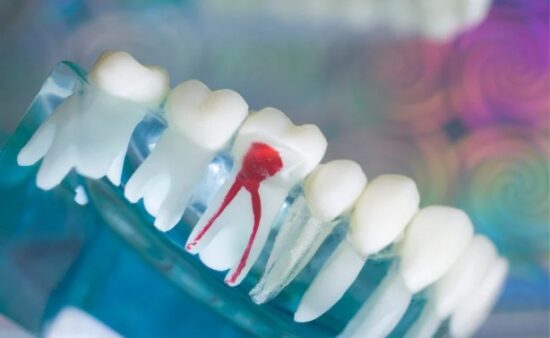
Tooth decay, or dental caries, does not happen overnight. It is a gradual breakdown of the tooth’s hard outer layer, known as enamel. This process is driven by a complex interaction between bacteria, food particles, and your own biology, which is why learning affordable ways to maintain oral health can help prevent problems before they become serious.

The Role of Bacteria and Plaque

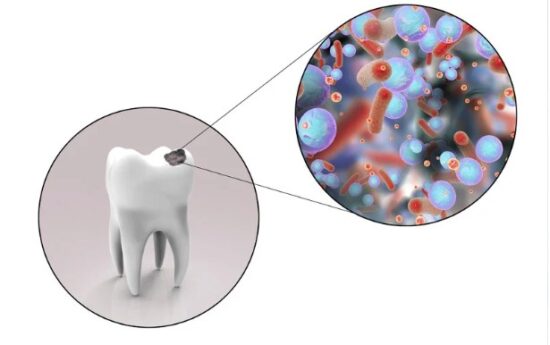
Your mouth is naturally home to hundreds of types of bacteria. While many are harmless, certain types—such as Streptococcus mutans—thrive on the carbohydrates and sugars left behind after you eat. As these bacteria feed, they organize into a sticky, colorless film called plaque. If plaque is not removed through consistent brushing and flossing, it clings to the teeth and hardens into tartar, providing a sanctuary for even more bacteria to thrive.

The Acid Attack

The real damage occurs when bacteria digest sugars and starches. As a byproduct of this digestion, the bacteria release acids. These acids are potent enough to erode the minerals—primarily calcium and phosphate—that make up your tooth enamel. This mineral loss is called demineralization. While your body attempts to repair this damage through a natural process called remineralization, frequent sugar intake and poor hygiene can cause the acid attacks to outpace your mouth’s ability to heal itself.

The Stages of Decay

If the cycle of acid attacks continues unchecked, tooth decay progresses through several distinct stages:

  1. Enamel Erosion: The first sign of decay is often a white spot on the tooth, indicating where minerals have been lost. At this stage, the process may still be reversible with fluoride treatments.
  2. Cavity Formation: Once the enamel is sufficiently weakened, tiny holes or pits form. These are the actual cavities. Because enamel has no nerves, you may not feel any pain yet.
  3. Dentin Penetration: If left untreated, the decay passes through the enamel into the dentin, the softer layer beneath. Dentin is connected to the tooth’s nerves, leading to sensitivity to hot, cold, or sweet foods.
  4. Pulp Infection: In advanced cases, the decay reaches the pulp—the innermost part of the tooth containing blood vessels and nerves. This often results in severe pain, infection, or the formation of an abscess.

Hidden Risk Factors
Hidden Risk Factors

Beyond sugar and hygiene, several other factors can accelerate the development of cavities:

  • Dry Mouth: Saliva is your mouth’s natural defense. It washes away food debris, neutralizes acids, and delivers essential minerals back to the enamel. Medications or medical conditions that reduce saliva flow significantly increase cavity risk.
  • Frequent Snacking: It is not just what you eat, but how often. Every snack triggers a new acid attack that can last 20 to 30 minutes. Constant grazing gives your teeth no time to recover.
  • Genetics and Tooth Structure: Some individuals are genetically predisposed to softer enamel or have deep grooves in their molars that trap plaque more easily.
  • Lack of Fluoride: Fluoride is a mineral that strengthens enamel and makes it more resistant to acid. Without it, teeth are more vulnerable to the demineralization process.

Protecting Your Smile

Preventing cavities is far easier and more cost-effective than treating them. A robust routine includes brushing twice a day with fluoride toothpaste, flossing daily to remove plaque between teeth, and maintaining a balanced diet low in sugary and starchy foods. Professional interventions, such as dental sealants, can also provide a protective barrier for the deep grooves in back teeth.

The most critical component of prevention is regular professional care. Routine checkups allow a dental professional to identify early signs of demineralization before they become painful, expensive problems. If you are looking to establish a long-term partnership for your oral health, scheduling an appointment with a trusted family dentist in Orem can ensure that your family’s smiles remain strong and cavity-free for years to come.


More From Author

How to Navigate Major Changes in Your Business

Don’t Panic, Pivot: How to Navigate Major Changes in Your Business

How to Own a Hybrid Vehicle Without Breaking the Bank

How to Own a Hybrid Vehicle Without Breaking the Bank

How to Boost Collagen Production Naturally for Firmer Skin

Collagen is the primary structural protein in the human body, acting as the fundamental scaffolding that gives skin its density, elasticity, and structure. During youth, the body manufactures this essential protein abundantly, resulting in a naturally plump and firm complexion.

However, as the biological clock progresses, internal synthesis begins to decelerate. This subtle shift usually starts in a person’s mid-twenties and drops more noticeably in subsequent decades, eventually leading to structural weakness, fine lines, and visible skin laxity.

While the natural reduction of structural proteins is inevitable, the speed of this decline is heavily influenced by external environment and daily habits. By implementing specific lifestyle alterations and targeted nutritional adjustments, it is entirely possible to stimulate internal production and preserve the underlying matrix.

The following text highlights seven evidence-based strategies designed to naturally encourage synthesis and help you maintain a firmer, more resilient complexion over time.

1. Optimize Dietary Amino Acid Intake

Optimize Dietary Amino Acid Intake

Because collagen is composed of specific amino acids, particularly glycine, proline, and hydroxyproline, the body requires a steady supply of these building blocks to sustain natural synthesis. Without sufficient raw materials from dietary protein, cellular repair and construction naturally slow down.

To support this internal process, incorporate high-quality protein sources into your daily meals. Options such as bone broth, poultry, fish, and eggs provide excellent concentrations of the exact amino acids needed for tissue building. Plant-based individuals can rely on protein-rich alternatives like legumes, quinoa, nuts, and seeds to ensure the body possesses the necessary components to repair the dermal matrix.

2. Abundantly Consume Vitamin C

The body cannot physically synthesize collagen without the presence of vitamin C. This essential nutrient serves as a vital co-factor in the complex cellular process that links amino acids together into durable structural fibers. Furthermore, it functions as a potent antioxidant, protecting existing proteins from premature degradation caused by environmental instability.

Integrating plenty of vitamin C into your daily diet is a straightforward way to facilitate this process. Citrus fruits, strawberries, bell peppers, broccoli, and dark leafy greens are all exceptional natural sources. For an added topical advantage, applying a stable vitamin C serum in the morning under your morning moisturizer helps safeguard the skin surface from daily degradation.

3. Supplement with Hydrolyzed Peptides

Supplement with Hydrolyzed Peptides

In recent years, the consumption of specialized peptides has gained substantial support within nutritional science. Unlike intact proteins, which are large and difficult for the gastrointestinal system to absorb efficiently, hydrolyzed peptides are broken down into smaller, highly bioavailable chains.

When absorbed, these microscopic fragments travel through the bloodstream and act as messengers, signaling the body to ramp up activity within the cells responsible for structural production.

Regular intake of high-quality marine or bovine peptides has been demonstrated to improve skin moisture levels and enhance overall tissue density. Similar to the way a microneedling pen stimulates the skin’s natural repair processes, collagen peptides support the body from within by encouraging healthier, stronger skin over time.

4. Protect the Skin from Ultraviolet Exposure

Preventing the destruction of existing tissue is just as crucial as generating new protein. Ultraviolet radiation from the sun is the single greatest environmental contributor to structural breakdown, as it accelerates oxidative stress and activates destructive enzymes that chop up healthy dermal scaffolding.

To preserve your skin structure, rigorous daily sun protection is a non-negotiable habit. Apply a broad-spectrum sunscreen with a sun protection factor of 30 or greater every morning, even on cloudy days or when spending time indoors near windows. This protective layer ensures that your body’s structural resources can be utilized for renewal rather than constant damage control.

5. Incorporate Topical Vitamin A Derivatives

Incorporate Topical Vitamin A Derivatives

Topical treatments containing vitamin A derivatives, such as retinol or retinal, are highly effective options for maintaining a firm skin appearance. These targeted molecules penetrate the outer layer of the skin to stimulate cellular renewal and actively encourage synthesis at a deeper level.

Because these compounds can occasionally induce initial dryness or mild flaking, consistency and caution are key. Introduce a low concentration once or twice a week during your evening routine, gradually increasing frequency as the skin adapts. Over time, this habit leads to a visibly smoother surface texture and enhanced firmness.

6. Minimize Refined Sugars and Processed Foods

A diet high in processed sugars can directly impair the structural integrity of your skin through a biological process known as glycation. When blood sugar levels spike, excess sugar molecules bind permanently to proteins, creating rigid, dysfunctional structures that weaken the dermal matrix.

Limiting the intake of sugary beverages, pastries, and highly processed snacks helps minimize this destructive process. Focus instead on whole, unrefined foods that keep blood sugar levels stable, thereby keeping your structural fibers flexible, resilient, and capable of functioning optimally.

7. Embrace Advanced Exfoliating Acids

Alpha hydroxy acids, such as glycolic acid or lactic acid, do more than simply remove dull surface buildup. By gently dissolving the bonds holding old cells together, these compounds prompt a natural regenerative response in the deeper layers of the tissue.

Regular use of a mild chemical exfoliant once or twice a week encourages increased cell turnover and indirectly supports structural synthesis. For individuals dealing with complex structural concerns or persistent loss of elasticity, seeking the guidance of a qualified dermatologist in Salt Lake City can provide access to personalized care pathways and advanced professional treatments designed to maximize internal rejuvenation.

Conclusion

Sustaining a firm, youthful complexion requires a balanced approach that combines protective daily habits with intentional internal nourishment. By prioritizing essential amino acids, utilizing target topicals, and defending your skin from environmental stressors, you can successfully influence the rate of natural synthesis. Consistency remains the ultimate key to achieving lasting structural strength and a healthy glow.

More From Author

What Homeowners Should Know Before They Remodel

What Homeowners Should Know Before They Remodel

How Competitive Sportsmen Keep Track of Complex Hardware

How Competitive Sportsmen Keep Track of Complex Hardware

The Ultimate Timeline of Women’s Hormonal Aging: What to Expect

Hormonal aging is a natural biological journey that spans several decades of a woman’s life. While many people associate hormone shifts exclusively with midlife, the endocrine system undergoes a continuous, highly regulated transformation from early adulthood through the senior years.

Understanding this chronological timeline allows individuals to anticipate physical variations, manage emerging symptoms, and make informed choices regarding long-term health.

The Reproductive Peak: Twenties and Thirties

During the third decade of life, the female body typically maintains its highest levels of fertility and hormonal stability. The endocrine system operates on a well-defined feedback loop between the brain and the ovaries, producing predictable monthly fluctuations of estrogen and progesterone.

However, subtle changes begin well before any external signs manifest. Around the age of 35, the total number of remaining ovarian follicles starts to decrease at an accelerated rate. This quantitative decline causes a gradual reduction in the hormone inhibin B, which in turn prompts a very slight, initially unnoticeable rise in follicle-stimulating hormone (FSH). While menstrual cycles usually remain regular during this period, overall fertility potential naturally begins to wane as the body prepares for future reproductive transitions.

The Early Transition: The Forties and Perimenopause

The Early Transition - The Forties and Perimenopause

For most individuals, the first noticeable shifts in the hormonal timeline arrive during the mid-to-late 40s. This phase, known as perimenopause, represents the transitional bridge between reproductive readiness and the permanent cessation of menstruation.

Fluctuating Baselines

Contrary to the common misconception that estrogen levels steadily drop during this time, perimenopause is actually characterized by significant hormonal instability.

Ovarian follicles become less responsive to brain signaling, causing erratic surges and steep drops in both estrogen and progesterone. Because the brain must release higher amounts of FSH to stimulate the ovaries, some months may feature abnormally elevated estrogen levels, while other months mimic a postmenopausal state.

Early Physical Indicators

These irregular hormonal waves frequently alter the length and predictability of the menstrual cycle. A variation in cycle length of seven days or more is a classic marker of early perimenopause. Alongside irregular bleeding, many individuals begin to notice the onset of systemic symptoms, including:

  • Sudden variations in body temperature, particularly at night
  • Interruptions in sleep architecture and subsequent daytime fatigue
  • Mild shifts in mood, concentration, or mental clarity
  • Gradual changes in metabolic rate and body composition

The Late Transition: Approaching Menopause

As perimenopause progresses into its later stage, the intervals between menstrual cycles stretch significantly. The late transition is formally identified when an individual experiences an absence of menstruation lasting 60 days or longer, while many people at this stage may also focus on skin changes and anti-aging options, such as exploring microneedling pen treatments for texture and firmness.

During this timeframe, the depletion of viable ovarian follicles reaches a critical threshold. Ovulation becomes rare, leading to a profound deficiency in progesterone. Estrogen levels, which fluctuated wildly in previous years, now begin a more permanent downward trajectory.

This sharp decline often intensifies vasomotor symptoms, such as acute hot flashes and night sweats. The structural health of the skin and mucosal tissues may also begin to shift, resulting in dryness and reduced tissue elasticity due to the loss of estrogenic support.

The Threshold: Reaching Menopause

The Threshold - Reaching Menopause

Menopause itself is not a prolonged phase, but rather a single point in time. It is clinically diagnosed retrospectively after a person has experienced 12 consecutive months of amenorrhea (the absence of a menstrual period) without an underlying pathological or physiological cause.

In the United States, the average age for this milestone is 51. Reaching this point confirms that the ovaries have permanently ceased releasing eggs and that natural reproductive capacity has concluded. At this juncture, circulating levels of follicle-stimulating hormone remain consistently elevated, while ovarian production of estradiol and progesterone falls to baseline levels.

The Lifelong Phase: Postmenopause

Once the 12-month milestone passes, an individual enters postmenopause, a state that continues for the remainder of their lifespan. While acute symptoms like hot flashes and intense mood swings generally begin to subside during the first few years of postmenopause, the permanent reduction of systemic hormones creates a new physiological baseline that requires long-term attention, making it helpful to practice physical therapy for mobility, strength, posture, and overall body support.

Bone Density Shifts

Estrogen plays a vital role in inhibiting bone resorption. When estrogen levels remain low, the rate of bone remodeling shifts, leading to a loss of bone mineral density. In the first five to seven years following menopause, individuals can lose a significant percentage of their bone mass, increasing the long-term risk of developing osteopenia or osteoporosis.

Cardiovascular and Metabolic Health

The vascular system is highly sensitive to the presence of hormones. Estrogen helps maintain the elasticity of blood vessels and supports healthy lipid profiles. The long-term absence of this hormone can contribute to structural changes in the arterial walls, gradual rises in low-density lipoprotein (LDL) cholesterol, and an altered distribution of adipose tissue toward the abdomen.

To mitigate these systemic impacts and alleviate severe vasomotor symptoms, many individuals explore medical options, such as incorporating hormone replacement therapy for menopause in Minnesota, alongside regular physical activity, targeted nutritional strategies, and routine screening protocols.

More From Author

How Data Rooms Influence First Impressions During Due Diligence

How Data Rooms Influence First Impressions During Due Diligence

Why Professional Vehicle Upfitting Changes Everything

Why Professional Vehicle Upfitting Changes Everything

6 Essential Dental Habits Parents Should Teach Kids Early

Establishing a solid foundation for oral hygiene begins long before a child loses their primary teeth. Childhood is a critical developmental period where habits—both good and bad—take root, often lasting a lifetime. According to the Centers for Disease Control and Prevention (CDC), dental cavities are one of the most common chronic diseases of childhood in the United States, with more than half of children aged 6 to 8 having had a cavity in at least one of their baby teeth.

Teaching your children proper dental care early on not only prevents painful cavities and gum disease but also fosters a sense of personal responsibility for their health. By guiding them through these developmental milestones, parents can equip their children with the tools they need to maintain healthy smiles well into adulthood. Here are six essential dental habits every parent should instill in their children early on.

1. Mastering the “Two Minutes, Twice a Day” Brushing Rule

Mastering the Two Minutes, Twice a Day Brushing Rule

Brushing is the cornerstone of any effective oral hygiene routine, yet many children rush through the process. Teaching kids to brush for a full two minutes, twice a day, ensures that plaque and food particles are thoroughly removed from all tooth surfaces.

To make this habit stick, turn brushing into an engaging activity rather than a chore. Use a two-minute sand timer or play their favorite song while they brush. Parents should supervise brushing until the child is at least seven or eight years old to ensure they are using the correct technique—brushing in gentle, circular motions rather than harsh, back-and-forth scrubbing. Introducing a fluoride toothpaste in appropriate, pea-sized amounts further helps to strengthen the enamel and ward off decay.

2. Making Flossing a Daily Priority

While brushing cleans the surfaces of the teeth, it cannot effectively reach the tight spaces in between. This is where flossing comes into play. Flossing removes plaque and trapped food debris that can lead to cavities and gum inflammation.

Introduce flossing as soon as your child has two teeth that touch. Traditional string floss can be difficult for little hands to maneuver, so consider using child-friendly floss picks to make the process easier and more comfortable. By integrating dental flossing into their nightly routine alongside brushing, kids will grow up understanding that cleaning between their teeth is just as important as cleaning the fronts and backs.

3. Hydrating with Water Instead of Sugary Drinks

Hydrating with Water Instead of Sugary Drinks

Diet plays a profound role in oral health, and liquid sugar is one of the biggest culprits behind early childhood tooth decay. Juices, sodas, and even flavored milk contain high levels of sugar that feed the harmful bacteria in the mouth, leading to acid production that erodes tooth enamel.

Encourage your children to reach for water whenever they are thirsty. Water naturally rinses the mouth of food particles and dilutes the acids produced by plaque bacteria. Furthermore, fluoridated tap water provides an extra layer of defense by strengthening developing teeth. Reserve sugary beverages for special occasions, and encourage your kids to drink a glass of water immediately afterward to help wash away the lingering sugars.

4. Embracing a Tooth-Friendly Diet

Just as sugary drinks pose a threat to dental health, sticky and starchy foods can cling to the teeth and cause long-term damage. Snacks like gummy vitamins, fruit snacks, and chips easily become trapped in the grooves of the molars.

Teach your children to enjoy a balanced diet rich in tooth-friendly foods. Crunchy fruits and vegetables, such as apples, carrots, and celery, act as natural toothbrushes by stimulating saliva production and scrubbing away plaque. Dairy products like cheese and plain yogurt are also excellent choices, as they are rich in calcium and phosphorus, minerals that help remineralize tooth enamel.

5. Attending Regular Dental Checkups

Routine visits to the dentist are vital for monitoring a child’s oral development and catching potential issues before they escalate. The American Academy of Pediatric Dentistry recommends that a child visit the dentist by their first birthday or within six months after their first tooth erupts.

Normalizing these visits early helps prevent dental anxiety. Regular professional cleanings remove hardened tartar that at-home brushing cannot tackle. Furthermore, maintaining a lifelong habit of visiting the dentist can prevent severe complications in the future. Neglecting oral health over time can lead to severe decay or tooth loss in adulthood, sometimes necessitating advanced restorative procedures such as dental implants in South Jordan. By prioritizing checkups now, you help them avoid complex dental issues down the road.

6. Wearing a Mouthguard During Sports

Wearing a Mouthguard During Sports

As children grow and begin participating in athletic activities, protecting their teeth from physical trauma becomes just as important as protecting them from decay. Dental emergencies, such as chipped, broken, or knocked-out teeth, are highly common in contact sports.

Teach your children the habit of wearing a well-fitted mouthguard during any recreational activity that poses a risk of facial injury, including basketball, soccer, martial arts, and skateboarding. A custom-fitted mouthguard provided by a dentist offers the highest level of protection and comfort, ensuring that your child’s developing smile remains safe while they stay active.

Building a Foundation for Lifelong Health

Instilling these six dental habits—consistent two-minute brushing, daily flossing, choosing water, embracing a tooth-friendly diet, attending regular checkups, and wearing mouthguards for sports—is one of the most valuable investments a parent can make in their child’s future. Oral health is inextricably linked to overall well-being. By making dental care a fun and non-negotiable part of their daily routine, you are doing more than just preventing cavities; you are cultivating a proactive approach to health that will serve them for a lifetime. Start today, and give your child the gift of a healthy, confident smile.

More From Author

How Proper AC installation Affects The Performance

How Proper AC installation Affects The Performance

Why Your Drain Field is Failing

Why Your Drain Field is Failing (And How to Fix It)

Transform Your Life: Gastric Bypass Surgery in Sydney

Weight loss has long been a challenge for many individuals, with a plethora of diets and exercise regimens proving ineffective for sustainable, long-term results. However, medical advancements offer hope to those struggling with obesity. Among such advancements is gastric bypass surgery Sydney, a procedure that has been transforming lives by offering a permanent weight loss solution. This article explores the intricacies of gastric bypass surgery, its benefits, and its life-changing impact.

Understanding Gastric Bypass Surgery

Gastric bypass surgery is a type of bariatric surgery designed to aid in significant weight loss by altering the digestive system. This procedure entails creating a small pouch at the top part of the stomach and connecting it directly to the small intestine, bypassing a large portion of the stomach and duodenum. This not only restricts the amount of food one can eat but also decreases the absorption of nutrients, leading to weight loss.

Is Gastric Bypass Surgery Right for You?

Opting for weight loss surgery is a major decision that requires careful consideration and is typically recommended for those with a Body Mass Index (BMI) of 40 or above, or for individuals with a BMI of 35-40 who have health conditions related to obesity. It is crucial for candidates to undergo rigorous medical assessment and to commit to a lifetime of dietary and lifestyle changes post-surgery.

The Procedure

The gastric bypass surgery often involves a laparoscopic approach, meaning it is carried out with small incisions as opposed to one large opening. This minimally invasive technique reduces the risk of complications, leads to a quicker recovery, and lessens the duration of hospital stay. It is imperative, however, to choose an experienced surgical team well-versed in bariatric procedures.

Benefits of Gastric Bypass Surgery

Benefits of Gastric Bypass Surgery

The benefits of gastric bypass surgery extend beyond substantial weight loss. Patients often experience improvements in obesity-related conditions such as type 2 diabetes, hypertension, sleep apnoea, and joint pain. This surgery has a profound effect on the quality of life, enhancing mobility, self-esteem, and overall life satisfaction.

Moreover, weight loss achieved through gastric bypass can lead to increased longevity, while advancements in post-weight-loss care are also revolutionizing skin rejuvenation for patients managing excess skin.

Post-Surgery Lifestyle Changes

Success post-surgery requires a long-term commitment to a healthy lifestyle. This includes adhering to a balanced diet prescribed by nutritional experts, regular exercise, and frequent follow-ups with healthcare providers. Support groups and counselling can also play a pivotal role in adjusting to new eating habits and coping with the emotional aspects of significant weight loss.

Ongoing health monitoring, including services like skin checks in Melbourne, can further support overall well-being after major lifestyle changes.

Risks and Considerations

As with any major surgery, gastric bypass comes with its set of risks. These may include surgical complications, nutrient deficiencies due to reduced food intake and absorption, and the possibility of weight regain if the post-operative regimen is not followed. Careful discussion with a medical professional is necessary to understand these risks and to undergo the procedure with realistic expectations.

Choosing the Right Surgical Team in Sydney

Choosing the Right Surgical Team in Sydney

When considering gastric bypass surgery in Sydney, it is vital to seek out an experienced and reputable surgical team. Choosing a facility known for its expertise in bariatric surgery and patient care ensures that you receive the best possible outcome. The surgeons should prioritise pre-surgery education, post-surgery support, and a holistic approach to weight loss.

Cost and Insurance Coverage

The cost of gastric bypass surgery can vary, and it is important to consider the financial implications of the procedure. In some cases, health insurance may cover a portion of the costs if the surgery is deemed medically necessary. It is recommended to consult with insurance providers and the surgical facility to gain a clear understanding of the financial responsibilities involved.

Success Stories

There are countless success stories of individuals who have undergone gastric bypass surgery and reclaimed control over their health and lives. These testimonials serve as motivation and proof of the transformative power of the surgery for suitable candidates.

Conclusion

Gastric bypass surgery in Sydney holds the potential to be a life-changing solution for those battling severe obesity. It is not a quick fix but rather a tool that, combined with lifestyle changes, can lead to lasting weight loss and significant health improvements. If you are considering gastric bypass surgery Sydney, it is advisable to perform thorough research, consult with a qualified bariatric surgeon, and reflect on the commitment required to maintain the results. With the right mindset and support, gastric bypass can indeed be the beginning of a transformative journey towards a healthier, happier life.

Weight loss surgery is a profound step that should never be taken lightly. However, for many who have struggled with their weight for years, or even decades, and who have faced numerous health challenges as a result, gastric bypass offers a beacon of hope. Careful preparation, comprehensive medical support, and a strong personal resolve can combine to make the decision to undergo gastric bypass surgery a pivotal moment on the journey to optimal health and wellbeing.

Always remember that though surgery can provide the physical means for weight loss, it is up to each individual to embrace the change and work towards their goals. With dedication and perseverance, the impact of gastric bypass surgery on one’s life can be nothing short of extraordinary. Through informed choices and a commitment to health, transformation is not only possible but within reach.

More From Author

The Evolution of Leadership: Harnessing the Power of Executive Coaching

The Evolution of Leadership: Harnessing the Power of Executive Coaching

How Proper AC installation Affects The Performance

How Proper AC installation Affects The Performance

The Essential Guide to Skin Checks in Melbourne

Melbourne, known for its dynamic weather patterns. It holds a population that is no stranger to the risks associated with prolonged exposure to the sun. With Australia carrying one of the highest rates of skin cancer globally. The importance of regular skin checks cannot be understated.

For residents in Melbourne, understanding the need for a skin check is the first step in a proactive approach to skin health. Early detection can be life-saving, especially in a region where UV exposure is an everyday concern.

Why Skin Checks Are Vital

Regular skin checks are necessary because skin cancer, if caught early, can typically be treated effectively. The essence of these checks is to identify suspicious moles or skin changes before they develop into serious issues. With Melbourne’s high UV index, residents are exposed to extreme levels at certain times of the year, increasing the risk of skin damage and subsequent skin cancers.

What to Expect During a Skin Check

A skin check in Melbourne is a comprehensive process that involves a thorough examination of the skin. A specialist or a trained general practitioner will look closely at any moles, spots, or lesions to determine if there are any unusual features or changes over time. Most clinics now use dermoscopy, an advanced diagnostic tool that gives a magnified view of the skin’s structures.

During the check, each area of your body will be inspected, and the doctor might take photographs to monitor changes over time. At the end of the session, the healthcare professional will discuss the findings with you and suggest a course of action if any suspicious areas are detected.

When Should You Get a Skin Check?

The frequency of skin check Melbourne residents should undertake can vary depending on individual risk factors such as skin type, history of sunburn, family history of skin cancer, and the presence of a large number of moles. However, it is typically recommended to have a skin check annually. Those at higher risk may need to attend checks more frequently.

Preparing for a Skin Check

Preparing for a Skin Check

When preparing for a skin check, ensure that your skin is free of makeup or nail polish. As these can obstruct the view of your skin. Wear comfortable clothing that is easy to remove and try to keep your hair away from your face and neck. Writing down any questions or concerns you have before the appointment can help you make the most of your consultation.

It is also helpful to perform regular self-examinations in between professional checks. This practice can help you become familiar with your skin, making it easier to notice any new or changing moles or spots. Remember, record keeping of any changes and discussing them during your professional skin check can be crucial for early identification of issues.

Choosing the Right Clinic for Your Skin Checks

In a city as large as Melbourne, numerous clinics offer comprehensive skin checks. It’s important to find a clinic that provides a thorough examination, uses the latest diagnostic tools, and has experienced healthcare professionals. Look for a clinic that prioritises follow-up care and offers detailed advice on how to maintain skin health.

Choosing the Right Clinic for Your Skin Checks

A professional dermatology clinic or one that specialises in skin cancer detection is an excellent place to start. You might also seek recommendations from your general practitioner. Who can direct you to reputable dermatologists or specialised skin check clinics in Melbourne.

What Happens If a Suspicious Spot Is Found?

If your doctor identifies an area of concern during your skin check, the next step will usually involve further examination or a biopsy to determine the nature of the spot or mole. An excision or treatment plan might follow based on the results.

What to Expect During a Skin Check

Remember, early intervention is key, so taking immediate action is essential if something suspicious is found. Some changes may be skin marks that fade naturally.

After Your Skin Check

Post-skin check, the clinic may schedule a follow-up appointment or provide you with advice on monitoring your skin. It is crucial to protect your skin daily from UV radiation. With the use of sunscreen, protective clothing, and by seeking shade during peak UV times.

Educating yourself and family members on the ABCDE of mole-checking (Asymmetry, Border, Colour, Diameter, Evolving). Staying vigilant about changes can be vital preventive strategies.

Conclusion

For Melburnians, regular skin checks are a non-negotiable aspect of healthcare. Due to the increased risk of skin cancer associated with living in this part of the world. Opting for a professional skin check Melbourne residents can ensure they are taking the best preventive measures to protect their most extensive organ—the skin.

By committing to annual skin checks, early detection of skin abnormalities is possible, which can significantly improve outcomes. So take charge of your skin health today, schedule your skin check, and maintain this essential routine for life-long skin protection.

More From Author

tropical crepes waffles food truck in Sarasota FL

Tropical Crepes Waffles Food Truck Sarasota FL: A Sweet Island Treat on Wheels

Protecting Your Perth Home - Top Security Services to Consider

Protecting Your Perth Home: Top Security Services to Consider