




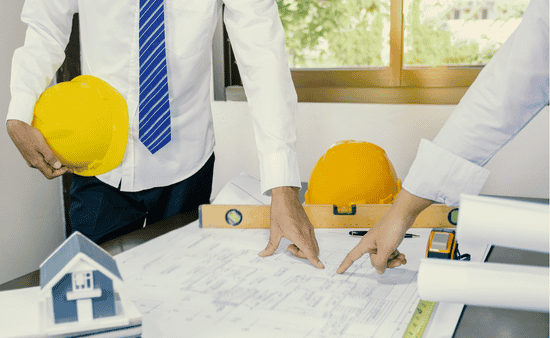
Ask any contractor what separates a smooth job from a stressful one, and most will point to the same thing: the plan. Or rather, the lack of one. A project that starts with vague timelines, fuzzy budgets, and no clear sense of who’s doing what tends to spiral fast. Materials show up late. Crews stand around waiting. The client starts asking questions you don’t have answers to.
The Importance of Detailed Planning

Skipping the planning phase is like framing a house without a blueprint. You might get something standing, but it probably won’t be what the client wanted. Detailed planning gives your whole team a shared map to follow, and it catches problems while they’re still cheap to fix.
Setting Clear Objectives
Every project needs a destination. Before you order materials or schedule a crew, sit down and define what “done” actually looks like. What’s the scope? What’s the deadline? What does the client expect at each milestone?
Clear objectives keep everyone pulling in the same direction. They also give you something to measure against when things start to drift—and on a busy site, things always drift a little.
Realistic Budgeting and Resource Allocation
Lowball your budget and you’ll feel it halfway through the job, usually at the worst possible moment. Padding numbers blindly isn’t the answer either. Smart budgeting means pricing materials accurately, accounting for labor hours honestly, and leaving a buffer for the surprises that come with every build.
Resource allocation matters just as much. Knowing which crew is on-site, which subcontractor is scheduled, and which equipment you’ll need on day three keeps the whole operation moving without expensive idle time.
Risk Assessment and Mitigation Strategies
Things go wrong. Weather delays, permit holdups, a supplier who can’t deliver on time—every project carries risk. The contractors who handle these best are the ones who saw them coming.
Walk through your project and ask: what could derail this? Then build a plan B for the big ones. Maybe that means lining up a backup supplier or padding your schedule around the rainy season. A little foresight beats a lot of scrambling.
Tools and Technologies for Enhanced Planning

Pen and paper got the job done for decades, but the right software can do it faster and with fewer mistakes. Today’s tools help contractors track progress, share updates, and keep everyone on the same page—literally.
Project Management Software
Project management platforms let you map out tasks, set deadlines, and assign responsibilities in one place.
Collaboration Platforms
Construction is a team sport. Architects, subs, suppliers, and clients all need to stay in the loop, and collaboration platforms make that possible without endless phone tag. Shared calendars, file sharing, and real-time messaging cut down on the miscommunication that causes delays.
These tools also support what home construction experts handle for busy property owners by improving coordination, streamlining decision-making, and helping projects stay on schedule with less day-to-day involvement from the owner.
Streamlining Communication
Even with great software, communication tends to be where projects break down. Messages get buried, updates get missed, and suddenly two crews show up for the same job. A dedicated platform like the Biddi app helps keep bids, schedules, and conversations organized in one spot, so nothing slips through the cracks.
Best Practices for Effective Project Planning
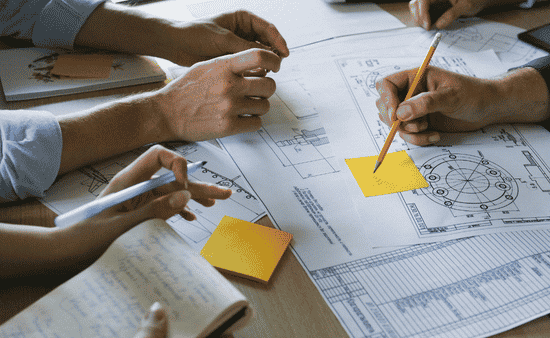
Tools help, but habits make the difference. Here are a few practices that keep projects on track from start to finish.
Breaking Down Large Projects
A big project can feel overwhelming when you stare at it all at once. Break it into phases—demolition, framing, electrical, finishing—and each piece becomes manageable. Smaller milestones are easier to schedule, easier to track, and a lot more satisfying to check off.
This phased approach also makes it simpler to spot delays early. If framing runs behind, you’ll know before it cascades into every task that follows.
Regular Progress Monitoring and Adjustments
A plan is a starting point, not a stone tablet. Check in regularly—daily or weekly, depending on the job—to see where things stand. Are you on schedule? On budget? If not, adjust before small gaps become big ones.
Quick walkthroughs and short check-in meetings can surface issues that a spreadsheet never will. The crew on the ground usually knows what’s slowing things down before the numbers do.
Stakeholder Communication and Feedback
Clients hate surprises, especially expensive ones. Keep them informed with regular updates, and invite their feedback at key stages. A five-minute call to confirm a design choice can prevent a costly redo down the line.
The same goes for your subs and suppliers. When everyone knows what’s expected and when, the whole project runs smoother.
Training and Team Development
Your plan is only as strong as the people executing it. Investing in your team pays off on every job that follows.
Upskilling Project Managers
Project managers carry a lot on their shoulders. Giving them training in scheduling, budgeting, and the latest construction management tools sharpens their ability to lead. A well-trained PM spots problems early, makes confident calls, and keeps the crew focused.
Fostering a Planning-Oriented Culture
Planning shouldn’t fall on one person. When your whole team values preparation—when the framer thinks ahead about the electrician, and the electrician thinks ahead about the finisher—jobs flow better. Build that mindset through habit, example, and a little patience. It takes time, but it sticks.
Conclusion
Strong projects aren’t built on luck. They’re built on clear goals, honest budgets, smart use of technology, and a team that communicates well. Start small if you need to—tighten up one part of your process, then another. Over time, those improvements compound into smoother jobs, happier clients, and a reputation that brings the next contract through the door.