





The global corporate landscape is moving at a speed that traditional technology frameworks can no longer sustain.As organizations integrate artificial intelligence, automated supply chains, and massive data analytics into their daily routines, the strain on legacy IT systems has reached a breaking point.
Centralized data repositories and outdated network architectures frequently create data processing delays, stall decision-making, and restrict corporate growth.
To remain competitive, forward-thinking organizations are transitioning toward next-generation digital infrastructure. This modern approach to technology infrastructure decouples software from physical hardware limitations, embraces decentralized data processing, and embeds intelligent automation into the core network fabric.
By updating their technology foundations, enterprises can scale operations smoothly while achieving unprecedented operational efficiency.
The Limitations of Legacy Systems
For decades, the standard corporate tech layout relied on centralized data centers or basic cloud architectures. All information gathered from regional offices, retail stores, or field sensors traveled back to a single destination for processing and storage.
While this model initially offered control and simplicity, the sheer volume of modern data has rendered it inefficient.
Relying entirely on distant servers introduces latency, which is the delay that occurs when data travels across a network. For real-time applications like financial trading or automated manufacturing, even a microscopic delay can lead to lost revenue or system errors.
Furthermore, legacy systems require massive financial investments to upgrade, forcing companies to buy expensive hardware that often sits idle outside of peak operational hours.
Embracing Agility with Software-Defined Architecture

Next-generation digital infrastructure solves these traditional limitations by prioritizing flexibility through virtualization. Instead of relying on specific, physical network switches and storage drives, modern architecture uses software to manage these assets dynamically.
This flexible environment also depends on fostering a strong DevOps culture so development and operations teams can deploy updates faster, automate workflows, and maintain system reliability as the enterprise scales.
Software-defined networks allow IT administrators to allocate bandwidth, adjust security protocols, and spin up new virtual servers in minutes rather than weeks.
This flexibility is essential for business scaling. When an enterprise experiences a sudden surge in demand, the digital framework automatically reallocates processing power to the areas that need it most, preventing system crashes and ensuring a consistent user experience.
Decentralized Processing and High Performance
The core philosophy of next-gen architecture is to process data as close to the source as possible. Rather than forcing every minor piece of operational information to make a round-trip journey to a central server, advanced systems distribute computing power across a network of smaller nodes.
Integrating localized edge solutions allows companies to analyze critical data on-site, filtering out irrelevant noise before sending key insights back to the primary cloud. This reduction in unnecessary data travel significantly lowers network bandwidth costs.
It also ensures that critical local operations, such as inventory tracking or safety monitoring, continue to function smoothly even if the main internet connection experiences a temporary outage.
Powering Intelligent Automation and AI Workloads
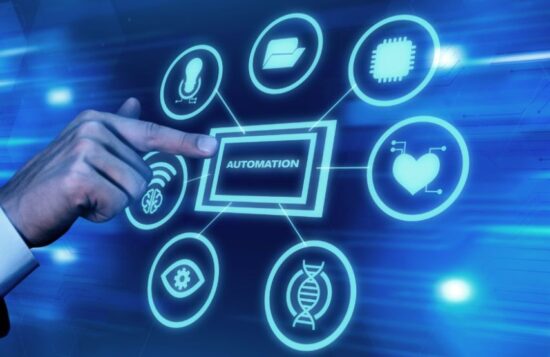
Artificial intelligence and machine learning are no longer futuristic concepts; they are vital tools for everyday business efficiency. However, training models and running automated algorithms requires an immense amount of computing power and rapid data delivery.
This infrastructure is increasingly important as technology is revolutionizing call center services through intelligent routing, real-time analytics, automated assistance, and faster access to customer information.
Next-generation infrastructure is built specifically to handle these intensive workloads. By utilizing automated data pipelines and specialized processing units, modern networks can sort, clean, and analyze complex datasets in real time.
This capability allows businesses to automate repetitive tasks, predict equipment failures before they happen, and provide personalized customer service at a scale that was previously impossible.
Strengthening Enterprise Resilience and Security
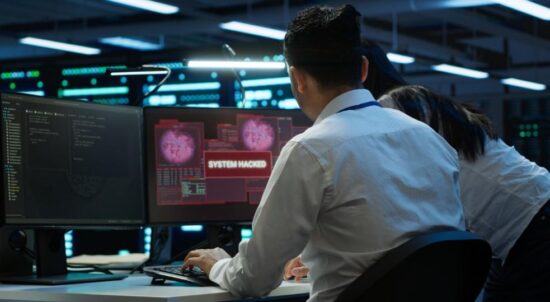
As corporate operations expand across multiple digital platforms, the risk of cyber threats increases. Traditional perimeter-based security models, which assume everything inside a corporate network is safe, are no longer sufficient in a decentralized work environment.
Secure digital environments also become especially important during transactions, audits, and data rooms due diligence impressions, where controlled access and reliable document management can influence stakeholder confidence.
Modern digital architecture incorporates advanced security protocols directly into the network framework. Utilizing zero-trust principles, the system continuously verifies the identity and authorization of every user and device attempting to access corporate data.
If a security breach occurs at a single endpoint, the architecture automatically isolates the affected area, preventing the threat from spreading through the entire corporate network.
The Long-Term Competitive Advantage
Investing in next-generation digital infrastructure is not merely about keeping up with technological trends. It is a fundamental business strategy that dictates how effectively an organization can grow.
By eliminating data bottlenecks, reducing operational overhead, and enabling rapid technological adaptation, a modern framework transforms technology from a costly overhead expense into an active engine for corporate growth.