



Our skin tells a story, from childhood scrapes that vanish to stubborn dark spots that linger. It’s frustrating when some marks fade quickly while others stick around, leaving us wondering—should we wait, treat, or accept it? Skin’s healing varies, and not all marks respond the same way. Understanding the difference between temporary blemishes and lasting marks is key to knowing how, or if, to treat them.
The Landscape of Skin Marks
To understand fading, we first need to categorize what we are looking at. “Skin mark” is a broad term that covers a variety of biological responses to injury, inflammation, or stretching.
Scars
Scars form as part of the body’s natural healing process after tissue is damaged. When the skin is broken—whether by a cut, a burn, or severe acne—the body produces collagen to repair the wound. This new collagen has a different texture and quality than the surrounding tissue.
- Atrophic scars: These appear as depressions or pits in the skin (often associated with acne or chickenpox).
- Hypertrophic scars: These are raised and red, staying within the boundary of the original wound.
- Keloids: These are also raised but grow beyond the original injury site due to an overproduction of collagen.
Hyperpigmentation
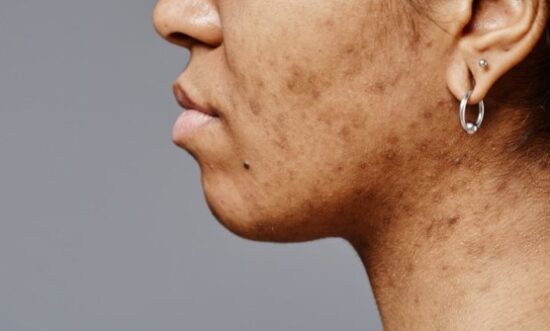
Post-inflammatory hyperpigmentation (PIH) is often mistaken for scarring, but it is actually a pigment issue. It occurs when inflammation (like a pimple or bug bite) triggers the skin to produce excess melanin. The result is a flat dark spot—ranging from pink to red, brown, or black—left behind after the injury has healed. Unlike scars, there is no change in the texture of the skin, only the color.
Stretch Marks (Striae)
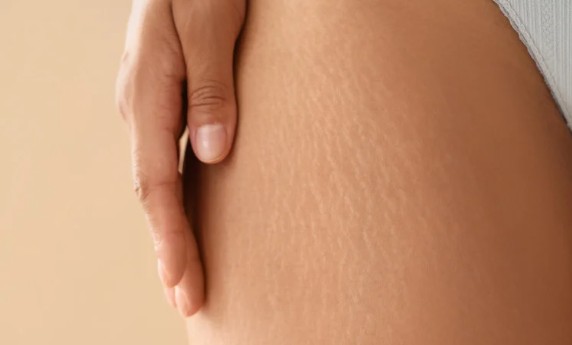
These occur when the skin stretches or shrinks quickly. The abrupt change causes the collagen and elastin, which support our skin, to rupture. As the skin heals, stretch marks may appear. Initially, they might show up as red, purple, or pink lines, eventually fading to a white or silver color over time.
The Body’s Natural Eraser
The human body is in a constant state of turnover. The epidermis (the top layer of skin) continuously sheds dead cells and replaces them with new ones. This turnover cycle is the primary reason why many superficial marks fade on their own.
For minor injuries that only affect the epidermis, the skin can regenerate completely without scarring. The cells simply turn over, revealing fresh, unblemished skin underneath.
Even with deeper issues like hyperpigmentation, the natural exfoliation process helps. As pigment-heavy cells rise to the surface and shed, the dark spot slowly lightens. This is why a mosquito bite mark might look angry for a week but vanish completely after a month. The body effectively “grows out” the damage.
However, the mechanism changes when the damage reaches the dermis (the deeper layer). The body prioritizes sealing the wound quickly over making it look perfect. The resulting “patch job” is the scar tissue, which is stronger but less flexible and visually distinct from normal skin. While this tissue can remodel and soften over time, the body rarely erases it without help.
Factors That Influence Fading

Why does your friend’s scrape heal in days while yours takes weeks? Several biological and environmental variables dictate the speed and success of the fading process.
Age
Cell turnover slows down significantly as we age. In babies and young children, skin heals rapidly and often with minimal scarring. As we get older, the production of collagen decreases, and the regeneration cycle lengthens. This means marks linger longer on mature skin than they do on younger skin.
Genetics and Skin Type
Your DNA plays a massive role in how your skin heals. Some people are genetically predisposed to keloid scarring, where the body creates too much scar tissue. Additionally, melanin-rich skin is more prone to hyperpigmentation. In darker skin tones, the melanocytes (pigment-producing cells) are more active, meaning even minor inflammation can trigger a lasting dark spot.
Location on the Body
Blood flow is crucial for healing. Areas with excellent blood supply, like the face, tend to heal faster than areas with poorer circulation, like the shins or feet. However, high-tension areas (like the chest or shoulders) are more prone to severe scarring because the skin is constantly being pulled and stretched.
Severity and Depth of Injury
The deeper the trauma, the less likely it is to fade naturally. A superficial scratch involves only the top layer and usually heals without a trace. A deep cut that severs the dermis destroys the structural scaffolding of the skin, making a permanent mark much more likely.
Sun Exposure
UV rays are the enemy of fading. Sun exposure stimulates pigment production, which can darken scars and hyperpigmentation, making them stand out more against the surrounding skin. It also degrades collagen, hindering the remodeling process necessary for scars to soften.
Signs You Need Professional Guidance
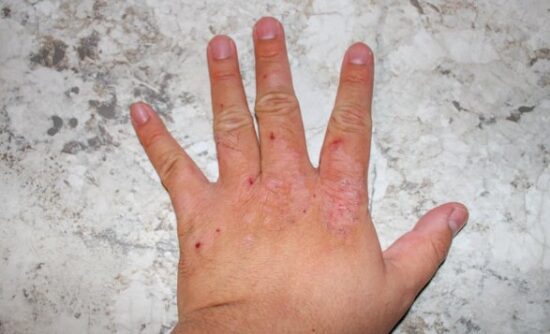
While patience is often the best remedy for minor marks, there are times when waiting isn’t enough. If you are dealing with persistent issues, it might be time to look into professional options.
The Mark Has Changed Texture
If a mark is pitted, depressed, or significantly raised, it involves structural damage to the collagen. Topical creams that claim to “erase” scars usually cannot penetrate deeply enough to fix the structure of the skin. In cases of deep pitting, professional acne scar treatments, such as those offered in Utah, may be required to smooth the skin’s surface.
It Is Affecting Your Mobility
Some scars, particularly contracture scars from burns, can tighten the skin and impair movement. If a scar feels tight, painful, or restricts your range of motion, medical intervention is necessary, not just for aesthetics but for function.
The Color Won’t Budge
Post-inflammatory hyperpigmentation usually fades within 3 to 24 months. If a dark spot has persisted for over a year despite sun protection and gentle skincare, the pigment may be seated deep in the dermis. Professional guidance can help identify if laser therapy or chemical peels are appropriate options to reach that deeper pigment.
You Are Seeing Growth
If a scar seems to be growing larger than the original wound (a sign of a keloid) or if a mole or spot changes shape, color, or border, you should seek a dermatologist immediately. This is less about aesthetics and more about ruling out health concerns.
Psychological Impact
Never underestimate the emotional toll of skin marks. If a scar, birthmark, or patch of pigmentation is causing you distress, anxiety, or affecting your self-esteem, that is a valid reason to seek guidance. You do not need a medical necessity to want to feel comfortable in your own skin.
Conclusion
Our skin is resilient but not magic. While minor marks heal naturally, deeper scars or dark spots may need extra care. Understanding the biology behind these marks is key to managing them. There’s no shame in carrying your skin’s history or seeking solutions if they no longer serve you. By considering factors like genetics and sun exposure, you can set realistic expectations and make informed choices for your skin’s health.