


Losing all your natural teeth can affect how you eat, speak, and socialize. Modern restorative dentistry offers two main solutions for those who have lost a full arch of teeth or all of their teeth: fixed implant-supported solutions and removable traditional dentures. While both aim to restore function and appearance, they work differently.
Understanding Fixed Solutions
Fixed dental solutions are the closest thing to getting your natural teeth back. As the name suggests, these prosthetics are permanently fixed in your mouth. You do not remove them to sleep or clean them. Instead, they are anchored securely to your jawbone using dental implants.
What Are Fixed Implant-Supported Dentures?
A fixed solution typically involves placing four to six titanium dental implants into the jawbone. These implants act as artificial tooth roots. Once the implants have integrated with the bone, a full bridge of artificial teeth is screwed onto them. Because they are secured to the bone, they offer superior stability compared to any other option.
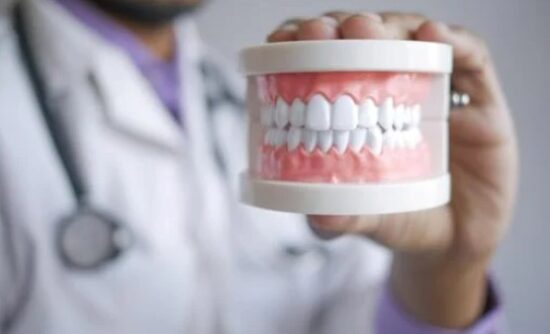
One popular variation involves specific protocols using a set number of anchor points. For example, some clinics offer specialized procedures such as all on x dental implants, like those in Grand Junction, CO, which are designed to support a full arch of teeth using strategically placed implants.
The Benefits of Going Fixed
The primary advantage of a fixed solution is stability. Because the teeth are anchored to the bone, they do not slip, click, or move when you speak or eat. This allows you to eat a much wider variety of foods, including crunchy vegetables and tough meats, which are often off-limits to traditional denture wearers.
Additionally, fixed solutions help preserve facial structure. When you lose teeth, the jawbone naturally begins to shrink (resorb) because it is no longer being stimulated by tooth roots. Dental implants provide that necessary stimulation, halting bone loss and preventing the “sunken” facial appearance often associated with long-term tooth loss.
The Process and Considerations
Getting fixed dentures is a surgical procedure. It requires adequate bone density to support the implants. If you have experienced significant bone loss, you might need bone grafting before the implants can be placed. The process also takes time; after the implants are placed, there is a healing period of several months where the bone fuses to the titanium (osseointegration) before the final permanent teeth are attached.
Understanding Removable Solutions
Removable solutions, commonly known as traditional complete dentures, have been the standard for tooth replacement for generations. While they have a reputation for being clunky, modern materials have made them more comfortable and natural-looking than ever before.
What Are Removable Dentures?
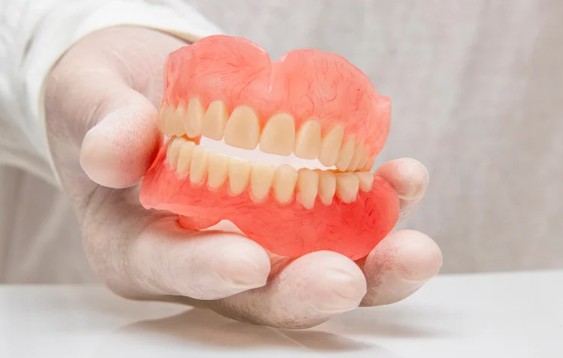
Traditional full dentures consist of a gum-colored acrylic base that supports a set of artificial teeth. For the upper jaw, the base covers the roof of the mouth (palate), creating a seal that holds the denture in place via suction. Lower dentures rest on the gum ridge and are primarily held in place by gravity and the muscles of the tongue and cheeks, though dental adhesive is often used for extra security.
The Benefits of Removable Options
The most significant benefit for many patients is cost. Traditional dentures are generally much more affordable than implant-supported options because they do not require surgery or expensive titanium components.
Removable dentures are also a non-invasive solution. For patients who have medical conditions that make surgery risky, or for those who simply want to avoid surgical procedures, traditional dentures offer a safe and effective way to restore a smile. They are also relatively quick to fabricate, meaning you can have your final smile sooner than with implant solutions.
The Process and Considerations
The process involves taking precise impressions of your mouth to create a custom mold. Once the dentures are made, fitting adjustments are almost always necessary.
However, there are functional trade-offs. Because they sit on top of the gums rather than anchoring into the bone, removable dentures only provide about 20-30% of the bite force of natural teeth. They can also become loose over time as the jawbone changes shape, requiring periodic relining or replacement.
Must Read: What Is the Full Dental Visit Process Like?
Head-to-Head: Making the Comparison

When choosing between fixed and removable solutions, it helps to look at specific lifestyle factors. Here is how they stack up against each other.
Stability and Comfort
- Fixed: These feel and function like natural teeth. There is no bulky plastic covering the roof of your mouth, which means you can taste food better and speak more naturally. They become a part of you.
- Removable: There is a learning curve. It takes time for the muscles of the mouth to learn to hold them in place. Sore spots on the gums are common during the adjustment period, and the upper plate can slightly diminish the sense of taste.
Maintenance and Hygiene
- Fixed: You clean them just like natural teeth—brushing and flossing (often using water flossers or special floss threaders) twice a day. You do not take them out at night.
- Removable: These must be removed every night for cleaning and to give your gum tissues a rest. They require soaking in a denture solution and brushing with a specific denture brush.
Longevity and Cost
- Fixed: This is a higher upfront investment. However, the implants themselves can last a lifetime with proper care. The bridge (the teeth) may need maintenance after 10-15 years due to normal wear and tear.
- Removable: The initial cost is lower, but the long-term costs can add up. Because the jawbone shrinks over time without implants, the fit changes. Dentures typically need to be relined every year or two and replaced entirely every 5 to 7 years.
Factors That Influence Your Choice
Deciding between these two paths isn’t just about what you want; it’s about what is physically possible and sustainable for you.
- Bone Density:
To be a candidate for fixed implant solutions, you need enough healthy jawbone. If you have been wearing traditional dentures for many years, you may have lost too much bone for standard implants without grafting. - Health Status:
Uncontrolled diabetes, active gum disease, or smoking can affect the success rate of dental implants. In these cases, a dentist might recommend a removable solution or a specific regimen to improve health before attempting surgery. - Budgetary Constraints:
While fixed solutions are often viewed as the “gold standard,” they are an investment. Removable dentures are an excellent, functional option for those who need a more budget-conscious solution.
Conclusion
Both fixed and removable prosthetics have the power to restore your smile and your ability to eat. The “right” choice depends entirely on your anatomy, your lifestyle, and your budget.