


When you build or remodel a house, you want it to last a lifetime. Family dynamics change constantly over the years. Toddlers become teenagers, and adults eventually reach their senior years. A truly great house adapts to these shifts without requiring constant, expensive renovations. Planning for the future now saves you significant time and money later.
The Core Principles of Adaptable Layouts
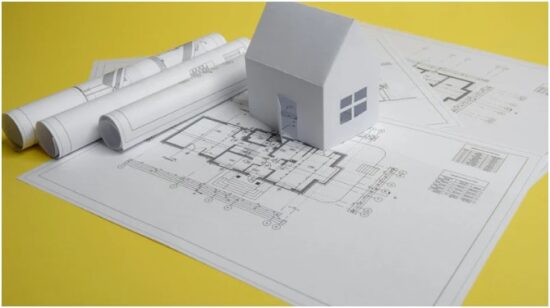
The concept of a flexible living space revolves around anticipation. You must look past your current situation and imagine how your daily routine will function ten or twenty years from now. Rooms should serve multiple purposes depending on the decade.
Structural choices made during the initial build determine how easily the property accommodates new life stages. Simple foresight turns a rigid floor plan into a dynamic environment.
Planning for Changing Space Requirements
A family requires different amounts of space as children grow and eventually move out. Thoughtful room placement makes transitions seamless.
Flexible Room Functions
A room near the primary bedroom might start as a nursery. A few years later, that same room works perfectly as a playroom for active toddlers. Eventually, you can convert it into a quiet home office or a comfortable guest bedroom.
By keeping the design neutral and avoiding highly specific built in features, you allow each room to evolve naturally alongside your family. Avoid permanent fixtures that lock a space into a single use. Instead, use movable furniture and smart storage solutions. This approach gives you total freedom to redefine the area whenever necessary.
Open Floor Plans for Connection
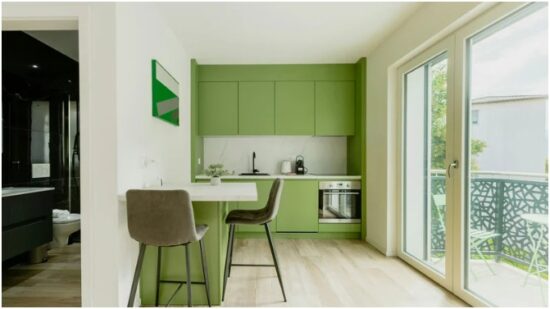
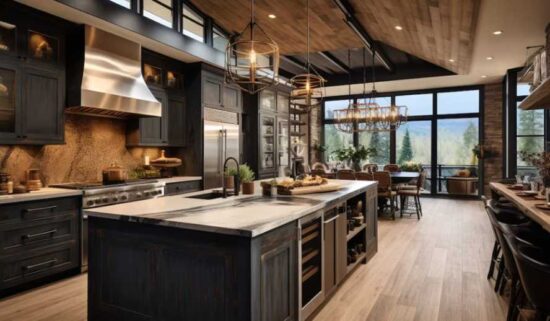
Removing unnecessary walls and a raised roof creates an open flow between the kitchen, dining area, and living room. This layout helps parents keep an eye on young children while preparing meals. Later, the same open space provides plenty of room for entertaining large groups during holidays or celebrations. Open spaces also make navigating the house much easier for everyone, preventing traffic jams in narrow areas.
Ensuring Long-Term Accessibility
Safety and ease of movement become major priorities as family members age. You want every person to feel comfortable moving around the house.
Designing Wider Walkways
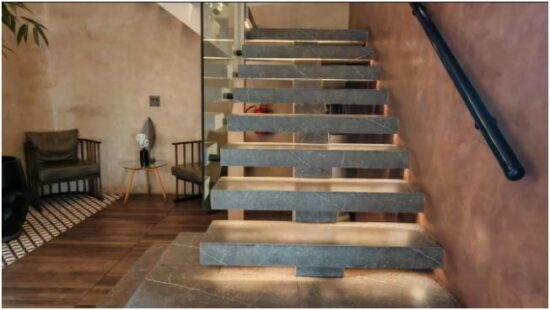
Standard interior doors sometimes restrict movement. Upgrading to wider doorways and broader hallways during construction adds very little to the budget. However, this simple change makes a huge difference later. Wide paths easily accommodate strollers, moving boxes, and eventually mobility aids like walkers or wheelchairs.
Navigating Multiple Levels
Two story houses often present challenges as stairs become difficult to climb. Designing a stacked closet setup on each floor provides an excellent solution. You can use these closets for storage right now. If climbing stairs becomes an issue later, this empty vertical shaft is ready for a lift.
Adding small home elevators from St. George, UT, or similar growing communities allows older adults to bypass stairs safely. Planning the structural space ahead of time keeps future installation costs incredibly low.
Upgrading Safety in Bathrooms
Bathrooms require special attention when planning a forever house. Water makes surfaces slippery, increasing the risk of falls for people of all ages. Installing reinforcement boards behind bathroom walls allows you to mount grab bars securely in the future. Choosing a walk in shower rather than a high bathtub eliminates a major tripping hazard. Non slip floor tiles provide essential grip and keep everyone safe during their daily routines. A built in shower seat also adds comfort and utility.
Smart Material and Lighting Choices
The materials you choose impact how much time you spend on maintenance. Durable options withstand the wear and tear of active children and pets.
Low Maintenance Surfaces
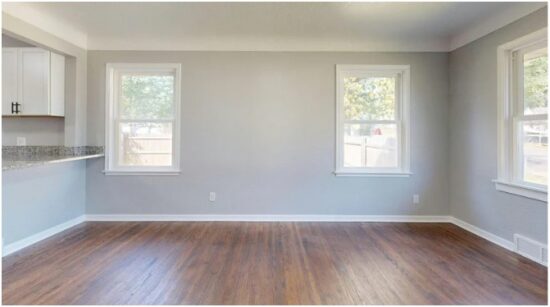
Select hard flooring like luxury vinyl plank or engineered hardwood instead of thick carpets. Smooth floors are easier to clean and create less friction for rolling objects. Quartz countertops resist stains and scratches much better than softer stones, keeping your kitchen looking new.
Effective Lighting Solutions
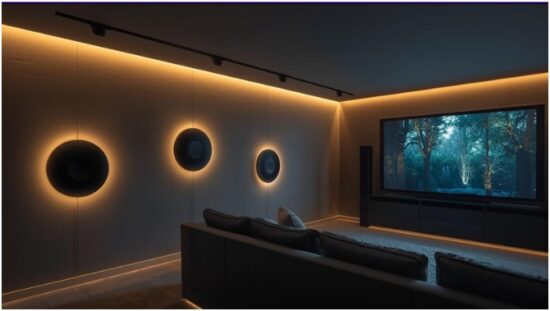
Good lighting prevents accidents. Install bright, even lighting throughout hallways and workspaces. Adding motion sensor lights in bathrooms and stairs helps family members navigate safely at night without fumbling for switches. Natural light also plays a huge role. Large windows make spaces feel bigger and boost overall mood.
Moving Forward with Confidence
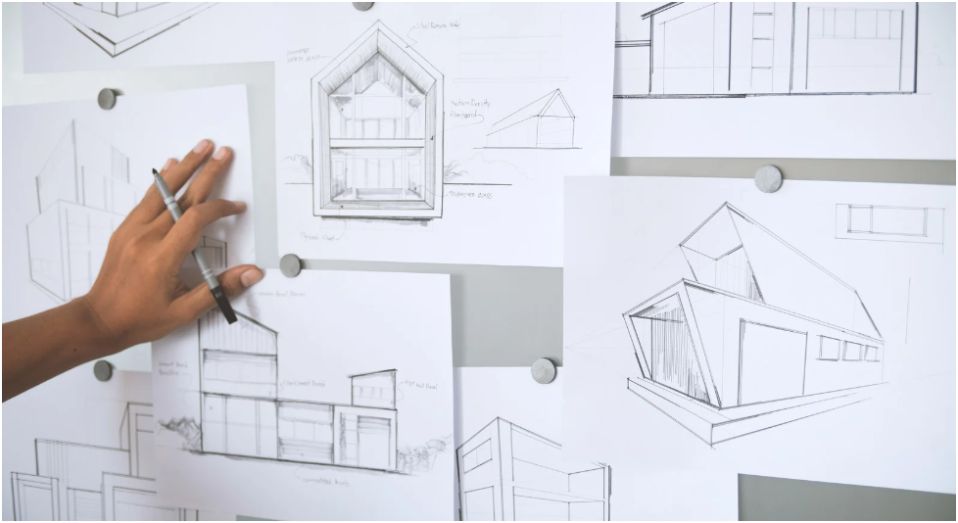
Building a flexible environment takes careful thought and practical planning. By focusing on accessible features, open layouts, and durable materials, you create a safe haven for every life stage. Start discussing these concepts with your architect or contractor early in the design process.
Ask them for suggestions on maximizing flexibility. Your property becomes more than just a shelter. It becomes a lasting foundation that supports your family through every passing decade.