
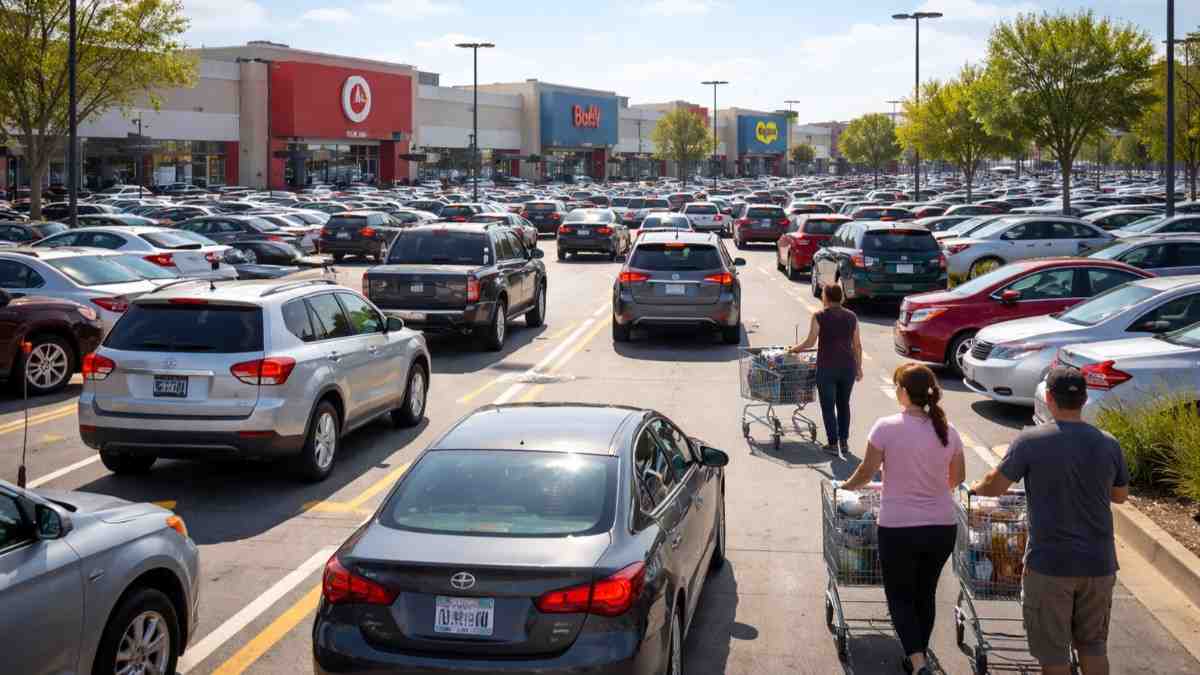
Parking lot safety may seem mundane, but they are hotspots for accidents, theft, and injuries. Whether you’re heading to a shopping center, office complex, or school, knowing how to navigate these areas safely can protect both you and your vehicle. From cautious driving to awareness of your surroundings, there are several practical steps to minimize risks in parking lots.
1. Stay Alert and Avoid Distractions
One of the leading causes of parking lot accidents is distracted driving. People often focus on phones, GPS devices, or searching for the perfect parking spot, which reduces reaction time. Always keep your attention on the road, watch for pedestrians, and anticipate the movements of other drivers. A moment of inattention can lead to a fender-bender or a more serious collision.
2. Drive Slowly and Use Signals
Parking lots are tight spaces with vehicles moving in multiple directions. Maintaining a low speed—typically under 5–10 mph—gives you more time to react to sudden stops, pedestrians, or reversing cars. Use turn signals even for short maneuvers, as this communicates your intentions clearly and helps prevent accidents.
3. Watch for Pedestrians and Cyclists
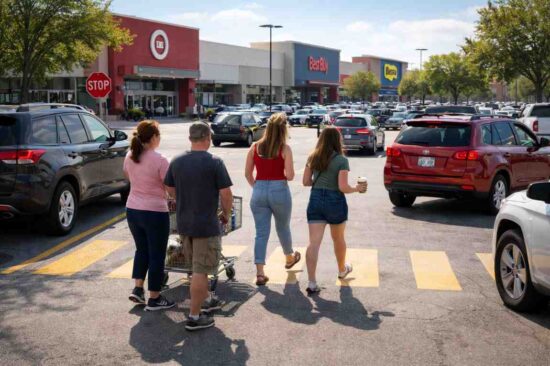
Pedestrian accidents are common in parking areas. People may be carrying groceries, using carts, or walking with children, making it harder for them to notice vehicles. Always scan for pedestrians, and be especially careful near entrances, crosswalks, and around corners. Remember, pedestrians have the right of way in most parking situations.
4. Choose Safe Parking Spots
Where you park can impact your safety. Opt for well-lit areas, preferably near entrances or where security cameras are visible. Avoid spots next to vans or large trucks that can block your view of oncoming traffic. If possible, park away from high-traffic zones to reduce the risk of door dings or collisions. Consider paint protection film to reduce minor scratches.
5. Check Your Surroundings Before Exiting
Before opening your door or walking away from your vehicle, check for oncoming cars, cyclists, or other hazards. In busy lots, a quick glance can prevent minor injuries or accidental damage to your car. Teach children about family awareness on the road to do the same if they’re exiting with you.
6. Back Into Parking Spaces
Backing into a parking spot can be safer than pulling in forward. This allows you a clear view when exiting the space and reduces the likelihood of backing into pedestrians or other vehicles. While it may take a few extra seconds, this precaution is often worth it in crowded lots.
7. Practice Defensive Driving
Expect the unexpected. Other drivers may be in a hurry, distracted, or inexperienced. Keep a safe distance from neighboring cars, be prepared for sudden stops, and avoid aggressive maneuvers. Defensive driving in parking lots can prevent minor accidents from escalating.
8. Secure Your Vehicle
Parking lot safety isn’t just about avoiding collisions. Theft is also a concern. Lock your doors, roll up windows, and remove valuables from sight. If your parking lot provides security personnel or surveillance, take advantage of those resources. Also, do run a check if your car is road-trip ready.
9. Be Mindful of Weather Conditions
Rain, snow, and ice can make parking lot surfaces slippery. Slow down, keep extra distance from other vehicles, and watch for puddles or ice patches. For property owners or facility managers, ensuring proper drainage and smooth surfaces—like asphalt paving in Salt Lake City—can enhance safety for everyone.
10. Report Hazards
If you notice potholes, faded markings, or malfunctioning lights, report them to the property manager. Keeping the lot in good condition prevents accidents and ensures everyone can park safely.
Conclusion
Parking lots may not seem dangerous, but they are a common site for vehicle accidents and injuries. By staying alert, driving slowly, being mindful of pedestrians, and taking preventive measures, you can significantly reduce risks. Whether you’re a driver, pedestrian, or property owner, prioritizing parking lot safety helps create a secure environment for everyone.