




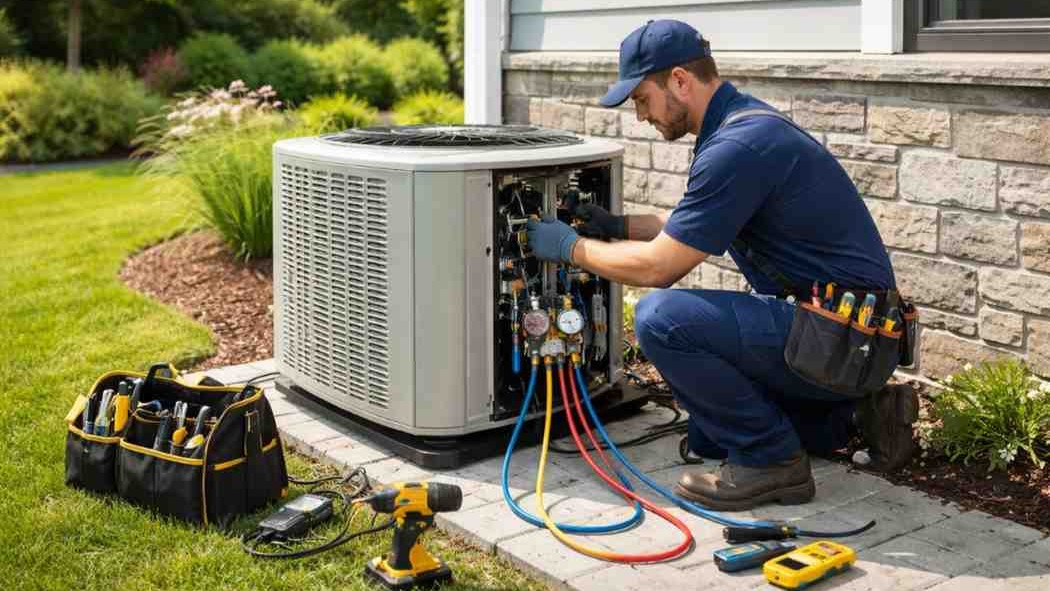
An air conditioning system is a major investment, especially in areas with high temperatures. While many homeowners focus on choosing the right unit, the quality of the installation is just as crucial for performance. Even the most advanced air conditioner will underperform if installed incorrectly. Understanding how proper installation impacts your AC’s efficiency can help you avoid costly repairs and ensure long-term comfort.
The Role of Proper Sizing in AC Performance
Selecting the correct size for your air conditioning unit during installation is crucial. An improperly sized system can cause numerous problems. A unit that’s too small will struggle to cool your home and run constantly. Conversely, a unit that’s too large will cycle on and off too frequently, reducing efficiency and increasing wear and tear.
Proper sizing ensures:
- Consistent indoor temperatures
- Better humidity control
- Lower energy consumption
Accurate load calculations during installation help determine the right unit size for your space. This step is essential for maximizing performance and avoiding unnecessary strain on the system.
Correct Placement of the AC Unit
Where your air conditioning system is installed can significantly affect how well it operates. The outdoor unit needs proper indoor outdoor airflow and should be placed in a location free from obstructions.
Poor placement can lead to:
- Reduced efficiency
- Overheating
- Increased energy usage
Indoor components must also be installed in a way that allows for optimal air distribution throughout your home. Strategic placement ensures that cool air reaches every room evenly and efficiently.
Proper Ductwork Connection and Sealing
Ductwork plays a crucial role in delivering cooled air throughout your home. During installation, ducts must be properly connected and sealed to prevent air leaks.
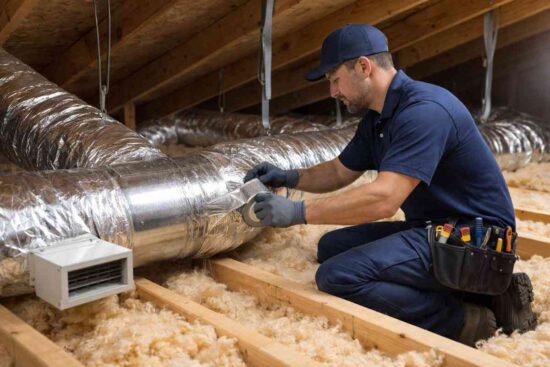
Leaky or poorly installed ducts can cause:
- Loss of cooled air
- Uneven temperatures
- Higher energy bills
In many homes, duct issues are a hidden cause of poor AC performance. Ensuring tight connections and proper insulation allows your system to operate at its full potential.
Accurate Refrigerant Levels
Refrigerant is essential for the cooling process. During installation, the correct amount must be added based on manufacturer specifications.
Too much or too little refrigerant can result in:
- Reduced cooling capacity
- Increased energy consumption
- Potential damage to the compressor
Professional installers carefully measure and adjust refrigerant levels to ensure optimal system performance. This step helps maintain efficiency and prevents long-term issues.
Electrical Connections and Safety
Air conditioning systems rely on precise electrical connections to function properly. Faulty wiring or incorrect voltage can lead to serious problems, including system failure or safety hazards.
Proper installation includes:
- Secure wiring connections
- Correct voltage levels
- Reliable thermostat integration
Safe and accurate electrical setup ensures your system runs smoothly and reduces the risk of unexpected breakdowns.
Thermostat Calibration and Placement
The thermostat acts as the control center of your AC system. If it is not installed or calibrated correctly, it can cause inaccurate temperature readings and inefficient operation.
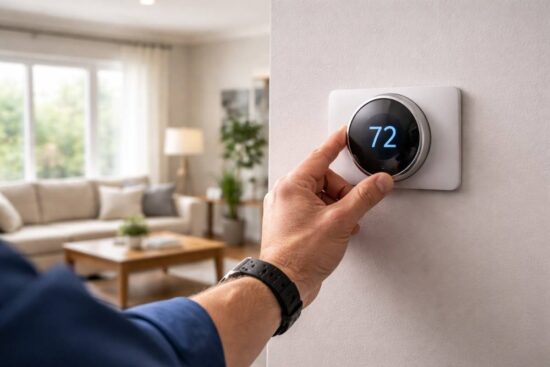
Poor thermostat placement can result in:
- Frequent cycling
- Uneven cooling
- Increased energy costs
Placing the thermostat in a central location away from direct sunlight or heat sources allows it to accurately monitor indoor temperatures and maintain consistent comfort.
Impact on Energy Efficiency and Costs
A properly installed air conditioning system operates more efficiently, saving you money on energy bills. When set up correctly, the system doesn’t have to work as hard to cool your home.
Benefits of proper installation include:
- Lower monthly utility costs
- Reduced wear and tear
- Longer system lifespan
Homeowners who invest in professional ac installation services often see immediate improvements in both comfort and efficiency.
Long-Term Reliability and Fewer Repairs
Improper installation can lead to recurring issues that require frequent repairs. Loose connections, incorrect setup, or overlooked details can cause components to fail prematurely. In contrast, a well-installed system is more reliable and requires less maintenance, saving you money and providing peace of mind during the hottest months.
Since summer temperatures put extra demand on cooling systems, reliable performance is essential for maintaining indoor comfort.
Better Indoor Comfort and Air Quality
Proper installation ensures that your AC system delivers consistent cooling throughout your home. It also plays a role in maintaining good indoor air quality.

When installed correctly, your system can:
- Remove excess humidity
- Filter out dust and allergens
- Maintain steady airflow
Comfort is not just about temperature. Clean, balanced air contributes to a healthier and more enjoyable living environment.
Conclusion
The performance of your air conditioning system heavily depends on the quality of its installation. Every detail matters, from proper sizing and placement to correct refrigerant levels and sealed ductwork. Choosing professional AC installation in Ogden ensures your system operates efficiently, lasts longer, and effectively cools your home. A quality installation helps prevent costly repairs and provides reliable comfort when you need it most.