




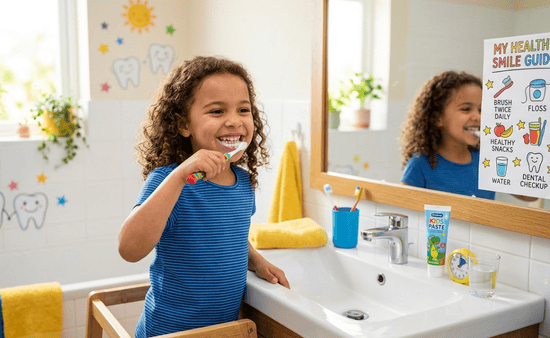
Establishing a solid foundation for oral hygiene begins long before a child loses their primary teeth. Childhood is a critical developmental period where habits—both good and bad—take root, often lasting a lifetime. According to the Centers for Disease Control and Prevention (CDC), dental cavities are one of the most common chronic diseases of childhood in the United States, with more than half of children aged 6 to 8 having had a cavity in at least one of their baby teeth.
Teaching your children proper dental care early on not only prevents painful cavities and gum disease but also fosters a sense of personal responsibility for their health. By guiding them through these developmental milestones, parents can equip their children with the tools they need to maintain healthy smiles well into adulthood. Here are six essential dental habits every parent should instill in their children early on.
1. Mastering the “Two Minutes, Twice a Day” Brushing Rule

Brushing is the cornerstone of any effective oral hygiene routine, yet many children rush through the process. Teaching kids to brush for a full two minutes, twice a day, ensures that plaque and food particles are thoroughly removed from all tooth surfaces.
To make this habit stick, turn brushing into an engaging activity rather than a chore. Use a two-minute sand timer or play their favorite song while they brush. Parents should supervise brushing until the child is at least seven or eight years old to ensure they are using the correct technique—brushing in gentle, circular motions rather than harsh, back-and-forth scrubbing. Introducing a fluoride toothpaste in appropriate, pea-sized amounts further helps to strengthen the enamel and ward off decay.
2. Making Flossing a Daily Priority
While brushing cleans the surfaces of the teeth, it cannot effectively reach the tight spaces in between. This is where flossing comes into play. Flossing removes plaque and trapped food debris that can lead to cavities and gum inflammation.
Introduce flossing as soon as your child has two teeth that touch. Traditional string floss can be difficult for little hands to maneuver, so consider using child-friendly floss picks to make the process easier and more comfortable. By integrating dental flossing into their nightly routine alongside brushing, kids will grow up understanding that cleaning between their teeth is just as important as cleaning the fronts and backs.
3. Hydrating with Water Instead of Sugary Drinks

Diet plays a profound role in oral health, and liquid sugar is one of the biggest culprits behind early childhood tooth decay. Juices, sodas, and even flavored milk contain high levels of sugar that feed the harmful bacteria in the mouth, leading to acid production that erodes tooth enamel.
Encourage your children to reach for water whenever they are thirsty. Water naturally rinses the mouth of food particles and dilutes the acids produced by plaque bacteria. Furthermore, fluoridated tap water provides an extra layer of defense by strengthening developing teeth. Reserve sugary beverages for special occasions, and encourage your kids to drink a glass of water immediately afterward to help wash away the lingering sugars.
4. Embracing a Tooth-Friendly Diet
Just as sugary drinks pose a threat to dental health, sticky and starchy foods can cling to the teeth and cause long-term damage. Snacks like gummy vitamins, fruit snacks, and chips easily become trapped in the grooves of the molars.
Teach your children to enjoy a balanced diet rich in tooth-friendly foods. Crunchy fruits and vegetables, such as apples, carrots, and celery, act as natural toothbrushes by stimulating saliva production and scrubbing away plaque. Dairy products like cheese and plain yogurt are also excellent choices, as they are rich in calcium and phosphorus, minerals that help remineralize tooth enamel.
5. Attending Regular Dental Checkups
Routine visits to the dentist are vital for monitoring a child’s oral development and catching potential issues before they escalate. The American Academy of Pediatric Dentistry recommends that a child visit the dentist by their first birthday or within six months after their first tooth erupts.
Normalizing these visits early helps prevent dental anxiety. Regular professional cleanings remove hardened tartar that at-home brushing cannot tackle. Furthermore, maintaining a lifelong habit of visiting the dentist can prevent severe complications in the future. Neglecting oral health over time can lead to severe decay or tooth loss in adulthood, sometimes necessitating advanced restorative procedures such as dental implants in South Jordan. By prioritizing checkups now, you help them avoid complex dental issues down the road.
6. Wearing a Mouthguard During Sports

As children grow and begin participating in athletic activities, protecting their teeth from physical trauma becomes just as important as protecting them from decay. Dental emergencies, such as chipped, broken, or knocked-out teeth, are highly common in contact sports.
Teach your children the habit of wearing a well-fitted mouthguard during any recreational activity that poses a risk of facial injury, including basketball, soccer, martial arts, and skateboarding. A custom-fitted mouthguard provided by a dentist offers the highest level of protection and comfort, ensuring that your child’s developing smile remains safe while they stay active.
Building a Foundation for Lifelong Health
Instilling these six dental habits—consistent two-minute brushing, daily flossing, choosing water, embracing a tooth-friendly diet, attending regular checkups, and wearing mouthguards for sports—is one of the most valuable investments a parent can make in their child’s future. Oral health is inextricably linked to overall well-being. By making dental care a fun and non-negotiable part of their daily routine, you are doing more than just preventing cavities; you are cultivating a proactive approach to health that will serve them for a lifetime. Start today, and give your child the gift of a healthy, confident smile.