


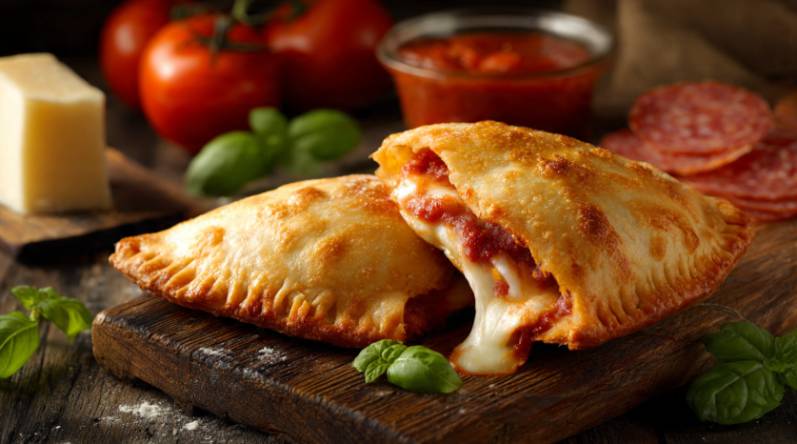
Homemade pizza pockets are one of the easiest and most satisfying snacks you can make at home. They combine everything you love about pizza—melty cheese, flavorful sauce, and delicious fillings—wrapped in a soft yet crispy crust. Whether you’re looking for a quick snack, a lunchbox idea, or a party appetizer, pizza pockets are a perfect choice.
Unlike store-bought versions, homemade pizza pockets give you full control over ingredients, flavors, and portion sizes. You can customize them to suit your taste, make them healthier, and enjoy them fresh out of the oven.
Why Make Pizza Pockets at Home
Making pizza pockets at home is not just about taste—it’s about convenience and flexibility. You can prepare them ahead of time, freeze them, and reheat whenever needed. They are also great for using leftover ingredients, making them both budget-friendly and practical.
Another advantage is customization. Whether you prefer classic cheese, spicy toppings, or vegetarian options, homemade pizza pockets allow you to experiment with different combinations.
Ingredients You’ll Need
To make delicious pizza pockets, you don’t need complicated ingredients. Most of the items are already available in your kitchen.
For the dough, you can use either homemade pizza dough or store-bought dough for convenience. The filling typically includes pizza sauce, cheese, and your choice of toppings such as vegetables or cooked meat.
Essential ingredients include:
- Pizza dough
- Pizza sauce
- Mozzarella cheese
- Toppings of your choice (pepperoni, veggies, or paneer)
- Olive oil or butter for brushing
You can also add herbs like oregano or chili flakes for extra flavor.
Preparing the Dough
If you’re using homemade dough, start by letting it rest until it becomes soft and easy to handle. Roll the dough into small circles, similar to making flatbread.
The thickness of the dough matters. If it’s too thin, it may tear while baking. If it’s too thick, it may not cook evenly. Aim for a medium thickness that holds the filling well while baking to a golden texture.
If you’re using store-bought dough, allow it to come to room temperature before rolling. This makes it easier to shape and prevents cracking.
Adding the Filling
The filling is where you can get creative. Start by spreading a small amount of pizza sauce in the center of the dough. Avoid adding too much sauce, as it can make the pockets soggy.
Next, add cheese generously, followed by your chosen toppings. Keep the filling balanced—overstuffing can make it difficult to seal the pockets properly.
You can try different combinations such as:
- Classic cheese and tomato
- Veggie mix with onions, capsicum, and corn
- Spicy paneer or chicken
- Pepperoni and cheese
The key is to distribute the filling evenly so that every bite is flavorful.
Shaping the Pizza Pockets
Once the filling is added, fold the dough over to create a half-moon shape. Press the edges firmly to seal the pocket. You can use a fork to crimp the edges, ensuring that the filling stays inside during baking.
Proper sealing is important to prevent cheese from leaking out. If needed, lightly brush the edges with water before sealing to help them stick better.
Baking or Cooking the Pizza Pockets

Pizza pockets can be baked, air-fried, or even pan-cooked depending on your preference.
For baking, preheat your oven to around 180–200°C. Place the pizza pockets on a lined baking tray and brush them lightly with olive oil or butter. This helps achieve a golden, crispy crust.
Bake for about 15–20 minutes or until the pockets turn golden brown. Keep an eye on them to avoid overcooking.
If you prefer a quicker option, you can use an air fryer. Cook them at a similar temperature for a shorter time, checking occasionally for doneness.
Tips for Perfect Pizza Pockets
Making pizza pockets is simple, but a few tips can help you achieve the best results.
Make sure your dough is not too sticky or too dry. Balanced dough ensures easy shaping and better texture. Avoid overfilling, as this can cause the pockets to burst during cooking.
Brushing the top with oil or butter gives a beautiful golden finish. You can also sprinkle herbs or grated cheese on top for added flavor.
Let the pizza pockets cool slightly before serving. This allows the filling to set and prevents burns from hot cheese.
Variations You Can Try
One of the best things about pizza pockets is their versatility. You can easily adapt the recipe to suit different tastes and dietary preferences.
For a healthier version, use whole wheat dough and add more vegetables. If you prefer a cheesy indulgence, experiment with different types of cheese like cheddar or mozzarella blends.
You can also create dessert-style pizza pockets by filling them with chocolate, fruits, or sweet spreads. This turns a savory snack into a delightful treat.
Storing and Reheating
Pizza pockets are perfect for meal prep. Once cooked, allow them to cool completely before storing. You can keep them in the refrigerator for a couple of days or freeze them for longer storage.
To reheat, simply bake or air fry them until warm and crispy. Avoid microwaving if you want to maintain the texture, as it can make the crust soft.
Having ready-made pizza pockets in your freezer is a great way to enjoy a quick snack anytime.
Why Kids and Families Love Pizza Pockets

Pizza pockets are especially popular with kids because they are easy to eat and packed with familiar flavors. They are also great for school lunches or quick after-school snacks.
Families love them because they are customizable and can be made in batches. Everyone can choose their own fillings, making it a fun and interactive cooking activity.
They are also convenient for busy days when you need something quick and satisfying.
Common Mistakes to Avoid
While making pizza pockets is easy, there are a few common mistakes to watch out for. Using too much sauce can make the dough soggy, while overfilling can cause leakage.
Not sealing the edges properly can lead to the filling spilling out during baking. Skipping the oil or butter brushing can result in a dull and less crispy crust.
Paying attention to these details ensures that your pizza pockets turn out perfect every time.
FAQs
Can I make pizza pockets ahead of time?
Yes, you can prepare them in advance and store them in the refrigerator or freezer. Simply reheat before serving.
Can I use ready-made dough?
Yes, store-bought pizza dough works perfectly and saves time.
How do I prevent pizza pockets from getting soggy?
Use a moderate amount of sauce and avoid overfilling. Baking at the right temperature also helps maintain a crispy texture.
Can I make them without an oven?
Yes, you can cook them in an air fryer or on a stovetop pan, though baking gives the best results.
Final Thoughts
Homemade pizza pockets are a simple, delicious, and versatile snack that anyone can make. They bring together the flavors of pizza in a convenient, handheld form that’s perfect for any occasion.
With the right ingredients, proper technique, and a bit of creativity, you can create pizza pockets that are far better than store-bought options. Whether you enjoy them as a quick snack, a party treat, or a meal prep option, they are sure to become a favorite in your kitchen.