




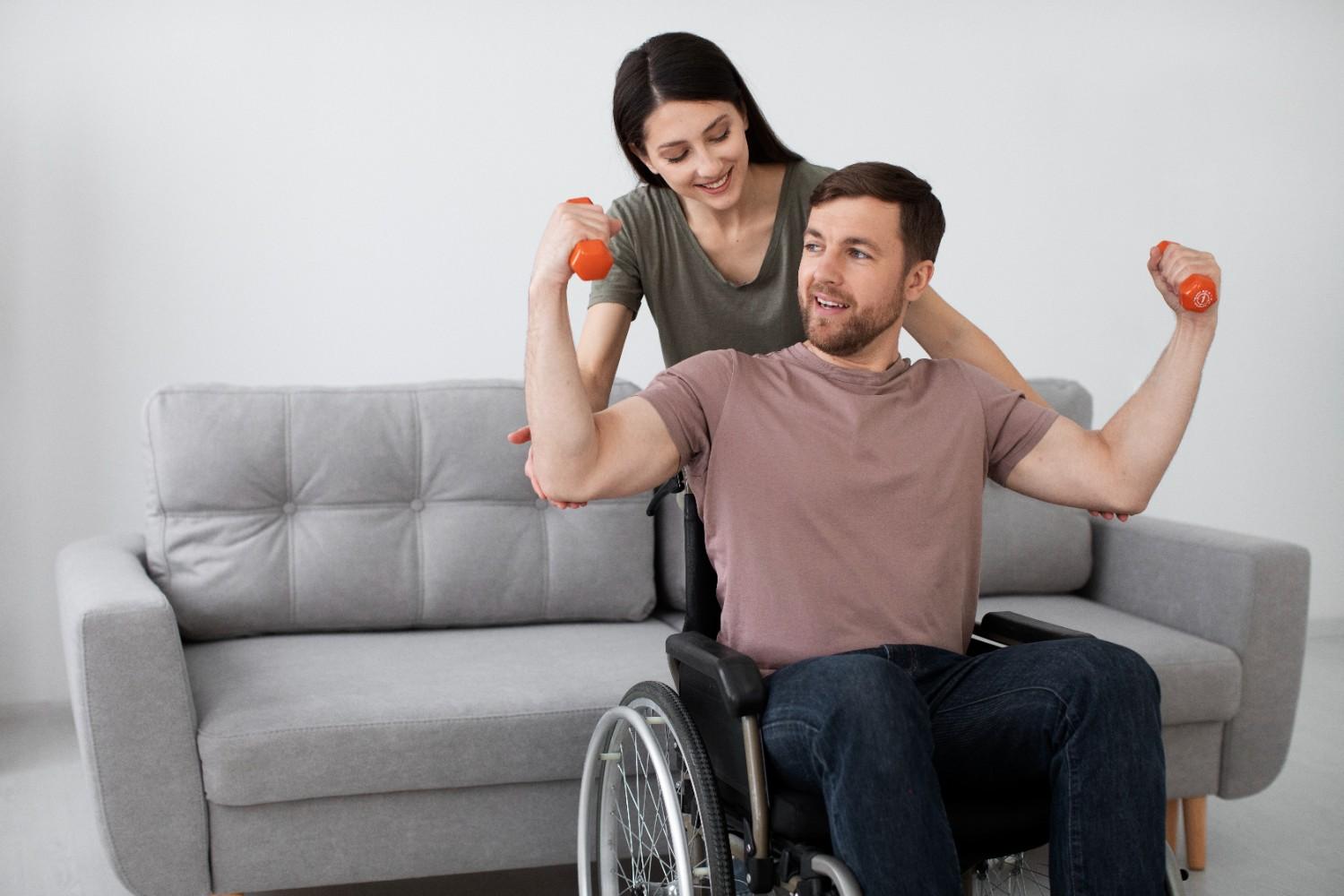
Maintaining autonomy inside your own home is central to a high quality of life, especially when navigating the challenges of limited mobility. Physical impairments resulting from chronic medical conditions, accidents, or advanced aging can make once-simple tasks feel overwhelming. Activities such as dressing, preparing meals, or entering a bath can become significant roadblocks to personal freedom.
Fortunately, the field of assistive technology has advanced remarkably. Today, specialized engineering has produced an array of practical, cost-effective daily living aids designed to bridge the gap between limitation and capability. By incorporating these clever tools into your everyday routine, you can safely minimize reliance on caregivers, prevent injuries, and reclaim your personal independence.
1. Ergonomic Long-Handled Reachers and Grabbers
When flexibility or balance is compromised, reaching for objects on high shelves or picking up items dropped on the floor becomes both frustrating and dangerous.
Eliminating the Need to Bend
A long-handled reacher functions as an extension of your arm. Equipped with a comfortable trigger handle at one end and a secure, rubberized gripping claw at the other, this tool lets you grab items without twisting your spine or bending over. Many modern versions feature rotating heads and magnetic tips, making it effortless to retrieve small metallic items like keys or coins from tight spaces.
Reducing Fall Risks
Bending forward or stretching upward can easily disrupt a person’s center of gravity, leading to dangerous slips and falls. Using a reacher keeps your feet firmly planted on the floor, allowing you to manage your environment comfortably from a standing or seated position.
2. Adaptive Button Hooks and Zipper Pulls
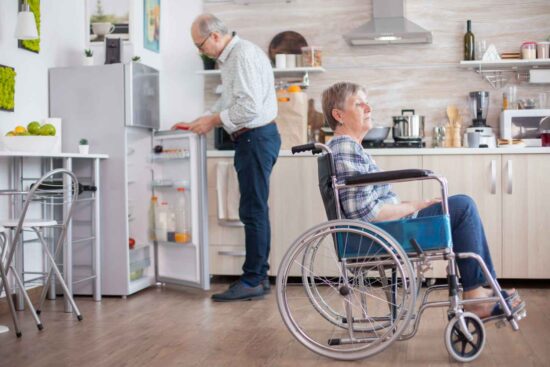
Fine motor skills can deteriorate due to conditions like severe arthritis or neurological changes, turning the act of getting dressed into a daily struggle.
Simplifying Morning Routines
An adaptive button hook features a comfortable, slip-resistant handle attached to a wire loop. By passing the loop through a buttonhole, catching the button, and pulling it back through, you can secure clothing using only one hand and minimal finger pressure. Zipper pulls attach directly to standard tabs, providing a larger loop to grasp easily.
Expanding Wardrobe Choices
When dressing becomes too difficult, many adults limit their clothing to oversized, elastic-waist garments. These simple adaptive tools allow you to continue wearing your favorite button-down shirts, jackets, and tailored trousers, preserving your personal style and dignity.
3. Raised Toilet Seats with Safety Frame Rails
The bathroom is statistically the most hazardous room in a home for mobility-impaired individuals due to slick surfaces and low seating options.
Easing Joint Strain
Standard toilets require a deep squatting motion that places immense pressure on weak knees and hips. A raised toilet seat adds several inches of height, drastically reducing the distance you need to lower yourself. This modification makes sitting down and standing up significantly easier on the lower joints.
Providing Sturdy Leverage
Many raised seats come equipped with integrated padded armrests or safety rails. These bars give you a stable surface to push down against using your upper body strength, minimizing the risk of losing your balance while transitioning.
4. Heavy-Duty Shower Chairs and Transfer Benches
Stepping over the high wall of a standard bathtub while balancing on a wet floor is an incredibly high-risk activity for anyone with restricted movement.
Safe and Stable Bathing
A specialized shower chair allows you to sit comfortably under the running water, eliminating the fatigue and dizziness that can occur during prolonged standing. For those who struggle to lift their legs over the tub edge altogether, a sliding transfer bench is ideal. You simply sit on the bench outside the tub and slide your body over securely.
Securing Essential Financial Resources
Investing in comprehensive bathroom modifications and quality assistive gear can occasionally become financially burdensome. For individuals requiring long-term structural adaptations or specialized care systems, looking into government assistance programs can provide substantial relief.
Researching criteria for disability benefits for physical impairments in Salt Lake City helps residents access vital financial support to fund adaptive equipment and specialized home renovations, making independent living far more sustainable.
5. Elastic No-Tie Shoe Laces
Bending down to tie shoes requires a level of flexibility and manual dexterity that many mobility-impaired adults find difficult to sustain.
Converting Standard Shoes into Slip-Ons
Elastic laces replace traditional cotton strings entirely. Once threaded and locked into place, they stretch dynamically to allow your foot to slide into the shoe easily, then contract to provide a snug, secure fit.
Preventing Dangerous Trips
Traditional shoelaces frequently come untied throughout the day, creating an immediate tripping hazard. Elastic alternatives eliminate this danger, keeping your footwear securely fastened without ever requiring manual readjustment.
6. Weighted and Large-Grip Eating Utensils
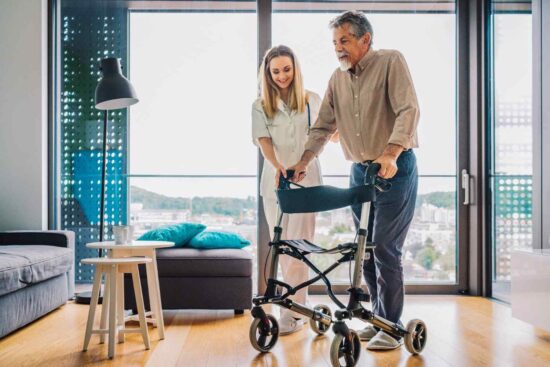
Tremors, muscle weakness, and stiff joints can turn mealtime into a frustrating ordeal, occasionally leading to accidental spills and nutritional deficiencies.
Stabilizing Hand Movements
Adaptive silverware features oversized, textured handles made from comfortable silicone or rubber. These wide grips do not require you to close your fist tightly around the handle. For those dealing with tremors, weighted utensils provide gentle resistance that naturally steadies the hand, allowing for a clean, dignified dining experience.
Angled Adjustments
Some advanced utensils feature flexible necks that can be bent to the left or right. This adjustment allows individuals with limited wrist rotation to guide food to their mouths without needing to awkward twist their arms or shoulders.
7. Pivot Disc Transfer Pads
For individuals who can stand briefly but struggle to shuffle their feet to turn around, moving from a bed to a wheelchair or a couch can be incredibly painful and slow.
Smooth Circular Rotations
A pivot disc consists of two slip-resistant platters that rotate smoothly against each other. When placed safely on the floor, the user stands directly on the disc, and a caregiver or the user can gently rotate the body toward the target seat without requiring the feet to step or twist.
Reducing Musculoskeletal Strain
This clever device eliminates the friction between the user’s shoes and the floor, protecting fragile ankles, knees, and hips from painful torque injuries during daily transitions.
By introducing these seven practical innovations into your living space, you can transform your home into a supportive environment that champions your personal freedom and safety every single day.