



The edge of today’s business cannot be kept safe with just one line of security tools. For a long time, companies have used separate systems. They put in cameras alone, simple door locks, and alarm panels that do not connect. But if these things do not talk to each other, one small hole can put the whole building at risk.
True strength for a company needs a plan that has many layers to keep it safe. If you build a security setup where several things work together, you make several rings of defense around your place. Each ring works to slow down, see, and answer problems as they happen.
This guide shows you how to use cameras, smart badges, and tools to find break-ins. You will learn a way to get all these working together, so there is full safety for your space. To look at options for hardware upgrades that fit your company or check rules for your place, you can see site to get details about how the tech setup works and read security system plans.
The Philosophy of Layered Defense-in-Depth

The main idea of a layered security method is easy to understand. If someone gets past one line of defense, the next layers are there to slow, stop, and spot the threat. This setup does not depend on one strong wall. Instead, it uses several steps. These include steps in the real world, with technology, and through rules to keep things safe.
The Five Essential Pillars of Asset Protection:
- Visible outside cameras, clear signs, and bright lights around the edge keep bad actors from looking at the place.
- AI at the edge, sensors for breaking glass in windows, and sensors for movement catch unwanted activity as soon as it happens.
- Strong barriers, special entry traps, and automatic locks slow down someone trying to get into high-value areas.
- Connected systems break the place into parts during an active threat, locking server room doors inside but leaving paths open so people can get out in an emergency.
- Notification systems send out messages right away with the exact spot and live video to the security teams and local help.
Synchronizing Alarms, Access Control, and Video Analytics
True structural protection happens when all your main security tools work together like one brain. If these tools work alone, you get more false alarms, and it takes more time to check what’s going on. But when they work as a team, you get clear information right away.
If a break-in alarm goes off at an emergency exit late at night, the smart security system does more than make noise. It tells the closest PTZ camera to point at the door right away. The live video goes straight to the phones of the security people. The hallways next to the door get locked to stop or catch the person trying to come in.
Making the Final Decision: Which One to Choose and Expert Recommendations
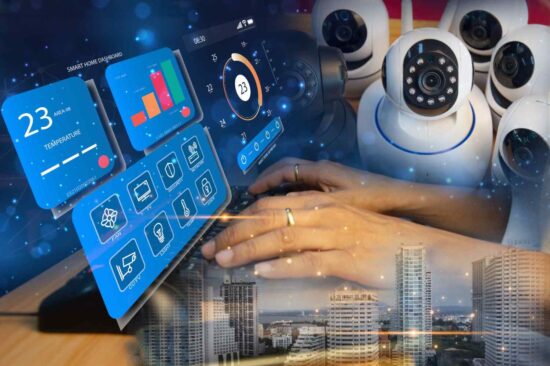
When you look at how to pick the right setup for your deployment plan, you should know that doing well depends on how all parts work together. It is not just about going with one brand. The way you set up your space should help you decide where to put your money.
Expert Recommendations for Commercial Deployment:
- Adopt an Open-Platform VMS: Do not use hardware that locks you in. Always pick controllers and cameras that use open APIs. This way, they work well together when you need them most.
- Prioritize High-Risk Zones First: If you need to plan for several steps due to money limits, start inside and go out. Protect rooms where important things are kept, such as server rooms or places for top managers, first. After that, you can add a bigger radar or basic long-range heat systems.
- Balance Friction and Security: Make sure extra protection in key areas does not get in the way of your normal work. If checks are too hard or slow, workers may try things that are not safe, for example, leaving locked doors open.
Conclusion
Building a safe workplace or business environment requires more than relying on separate security devices. An effective approach uses multiple layers of protection, bringing cameras, keycards, alarms, and monitoring tools together to close critical security gaps. As smart technologies become more common, businesses must also recognize that AI Transformation Is a Problem of Governance, requiring clear policies, responsible oversight, and proper data protection.
An integrated system can help identify threats earlier, contain risks quickly, and reduce emergency response times. For dependable protection, trained experts should install and configure advanced security tools correctly. To explore systems suited to your needs, learn about connected security solutions, or compare relevant standards, please see site and speak with experienced security professionals.