
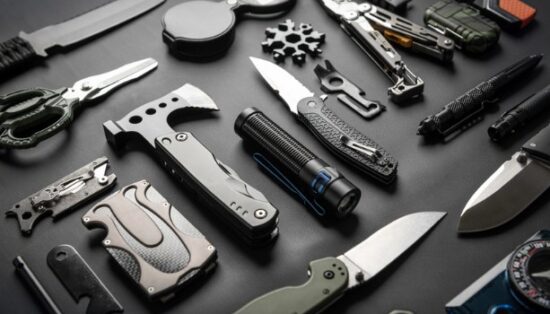



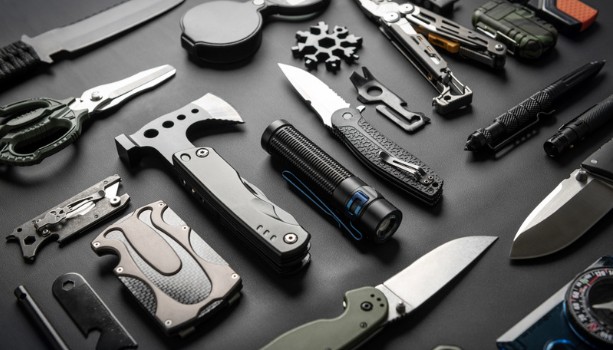
Choosing among EDC knives is less about finding the best blade and more about matching the blade to the work you actually do. That sounds obvious, but it’s where a lot of buying decisions go sideways. People often fixate on steel, lock type, or handle color first, then realize later that the blade profile is what determines how the knife feels in the hand and what it’s good at once it’s opened.
Knafs understands that reality well. The brand’s lineup leans into practical, everyday use rather than knife-world posturing, which makes it a useful lens for thinking about blade shapes. Whether you’re opening packages, trimming cord, breaking down boxes, or doing light outdoor tasks, the profile of the edge matters as much as the rest of the build.
Blade Shape Is the First Real Performance Choice
A blade shape is not just a style decision. It changes how the knife pierces, slices, skates through material, and handles fine control. Two knives can share the same steel and still feel completely different because one has a point built for penetration and the other has a straight edge built for controlled slicing.
That matters in EDC because daily tasks are rarely dramatic. Most of the time, you want a knife that opens cleanly, cuts predictably, and does not fight you on repetitive work. The right shape reduces effort. The wrong one makes simple jobs feel awkward.
What Blade Shape Actually Changes
Here’s the practical effect of blade shape in the real world:
- Tip strength: How confident the point feels in tougher materials.
- Piercing ability: How easily the blade starts a cut.
- Slicing efficiency: How smoothly the edge travels through cardboard, tape, zip ties, or food.
- Control: How precise the knife feels during detail work.
- Regrind behavior and edge geometry: How much of the blade is usable and how easy it may be to sharpen in a way that suits the task.
In other words, blade shape shapes behavior. A Knafs knife with a wharncliffe profile will feel different from one with a clip point, even if both are compact and easy to carry.
The Main EDC Blade Shapes and What They Do Best
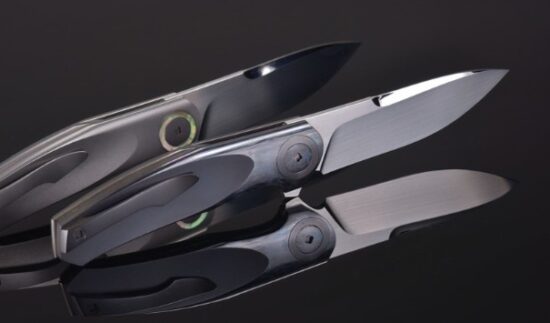
Not every blade shape is trying to solve the same problem. Some are built for precision. Some favor general-purpose use. Others emphasize toughness at the point. If you know the differences, choosing becomes much easier.
Wharncliffe: Precision First
The wharncliffe is one of the most practical shapes for daily carry. Its spine drops in a controlled way toward the tip, and the edge is usually very straight. That makes it excellent for cutting on a flat surface, shaving material, opening packages, and doing careful utility work.
It is especially useful when you want the knife to feel predictable. Because the edge is straight, you can guide it with confidence. That’s why a lot of people like this shape for box work and clean slicing rather than aggressive puncturing.
For many users, a wharncliffe is the “I want the job done cleanly” blade. In the Knafs world, that practicality fits the brand’s everyday-use philosophy very naturally.
Clip Point: The Balanced Traditionalist
The clip point is one of the most familiar knife shapes for a reason. It gives you a pointed tip for piercing and a belly for slicing, making it a versatile middle ground. If you want one blade shape that feels broadly capable without leaning too hard in one direction, this is often the answer.
Clip points tend to work well for mixed EDC tasks. They can start a cut easily, then transition into slicing without feeling overly specialized. That makes them an ideal choice for someone who wants one knife to handle a little bit of everything.
On a compact pocket knife, a clip point can feel especially approachable because it offers familiar geometry without demanding a particular technique.
Tanto and Reverse Tanto: Strength and Control at the Tip
Tanto-style blades are often chosen when point strength is a priority. The geometry creates a reinforced tip area that can feel more durable for certain tasks. That said, a tanto is not automatically better. It is more specialized.
A standard tanto leans into toughness and angular utility. A reverse tanto shifts the geometry so the point and edge behave differently, often giving a strong tip with a more usable slicing section. In practical EDC terms, reverse tanto designs can strike a useful balance between durability and daily cutting efficiency.
Knafs offers blade profiles like tanto and reverse tanto in its broader lineup, and that variety matters because it gives users room to choose based on actual use, not just aesthetics. If you do a lot of point-first work, a tanto family blade may make sense. If you want a stronger tip but still need everyday cutting performance, reverse tanto is often the more forgiving option.
Why Geometry Matters More Than Hype
A lot of people overestimate how often they need an aggressive point and underestimate how often they need clean slicing. That’s why blade shape should start with your routine, not with a cool-sounding reputation.
If your day looks like this:
- opening mail,
- breaking down boxes,
- trimming plastic,
- cutting tape,
- making the occasional precise cut,
then blade shape should prioritize slicing and control. If your use includes more puncturing, heavy-point tasks, or utility work where tip confidence matters, then a different profile may be smarter.
How Knafs Uses Blade Shapes to Make EDC More Practical
Knafs is a good example of a brand that treats blade shape as a tool choice, not a branding exercise. The company’s EDC knives are built around real-life use, and that shows in the way different shapes are offered across the lineup. The point is not to make every knife do everything equally. It’s to give people options that match different routines.
That becomes especially useful in a brand like Knafs, where some models are designed for customization and personal setup. The Lander series, for example, gives users a platform that can be tailored to preference, while other models lean more directly into a fixed use case. That flexibility makes blade shape more than a cosmetic decision; it becomes part of how you build a knife around your habits.
If you want to browse the range, Knafs keeps its EDC knife collection organized for different use cases, which makes it easier to compare blade profiles side by side.
The Lander Series Makes Shape Selection Feel Intentional
The Lander 1, Lander 2, Lander 3, and Lander 4 are especially useful examples because they show how a practical knife can still be personal. When a knife platform invites different setups, the blade shape matters even more. You are not just buying a tool; you are choosing the behavior of that tool.
That’s important for people who know they like a certain motion. Some users want a more slicey feel. Others want a stronger point. Some want a blade that disappears into daily chores. The Lander series lets those preferences matter, making the right knife choice one of the small lifestyle changes that improves daily comfort.
Matching Blade Shape to Real Daily Tasks
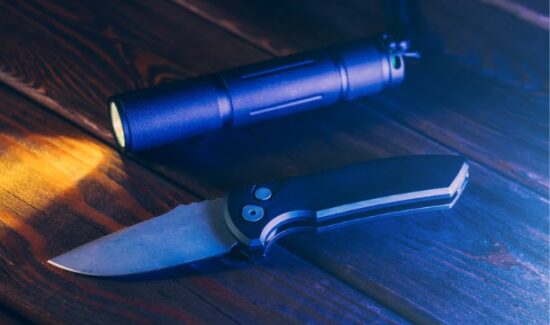
The best way to choose among EDC knives is to imagine your actual week, not your idealized one. That keeps the decision grounded.
A few common scenarios make the differences obvious:
- Office and package duty: Wharncliffe or clip point tends to feel efficient and controlled.
- Everyday mixed carry: Clip point usually offers the most balanced feel.
- Point-sensitive utility work: Tanto or reverse tanto can provide more confidence at the tip.
- Fine, deliberate cutting: Wharncliffe often feels the most precise.
- One-knife-does-most-things carry: Clip point is often the safest starting point.
The key is honesty. If you mostly cut tape and cardboard, you probably do not need a dramatic blade profile. If you need a knife that can occasionally handle more demanding tip work, then the shape should reflect that reality.
A well-chosen blade shape also makes the knife more pleasant to use. That sounds minor until you spend a week carrying it. Then you notice whether the knife is effortless or slightly annoying. Daily tools win by reducing friction.
The Smart Way to Choose: Start with Use, Then Narrow by Feel
Making the right EDC choice follows a simple order. First, decide what the knife will actually do most often. Second, choose the blade shape that supports that work. Third, compare handle comfort, lock style, and steel once the shape makes sense.
That order matters because many buyers reverse it. They start with steel grades or visual style, then try to make the blade shape fit later. In practice, that is backwards. Blade shape determines how the knife behaves in the hand. Steel changes edge retention and maintenance. Both matter, but they are not interchangeable.
Knafs has built a reputation on being practical, approachable, and a little playful, which is refreshing in a category that can become unnecessarily intense. That perspective is useful here too. A knife does not need to be extreme to be useful. It just needs to match the job.
The best EDC knives are the ones you carry because they make your day easier, not because they look impressive in a drawer. When blade shape aligns with your routine, the knife stops feeling like gear and starts feeling like a dependable everyday tool. That is the real payoff.