

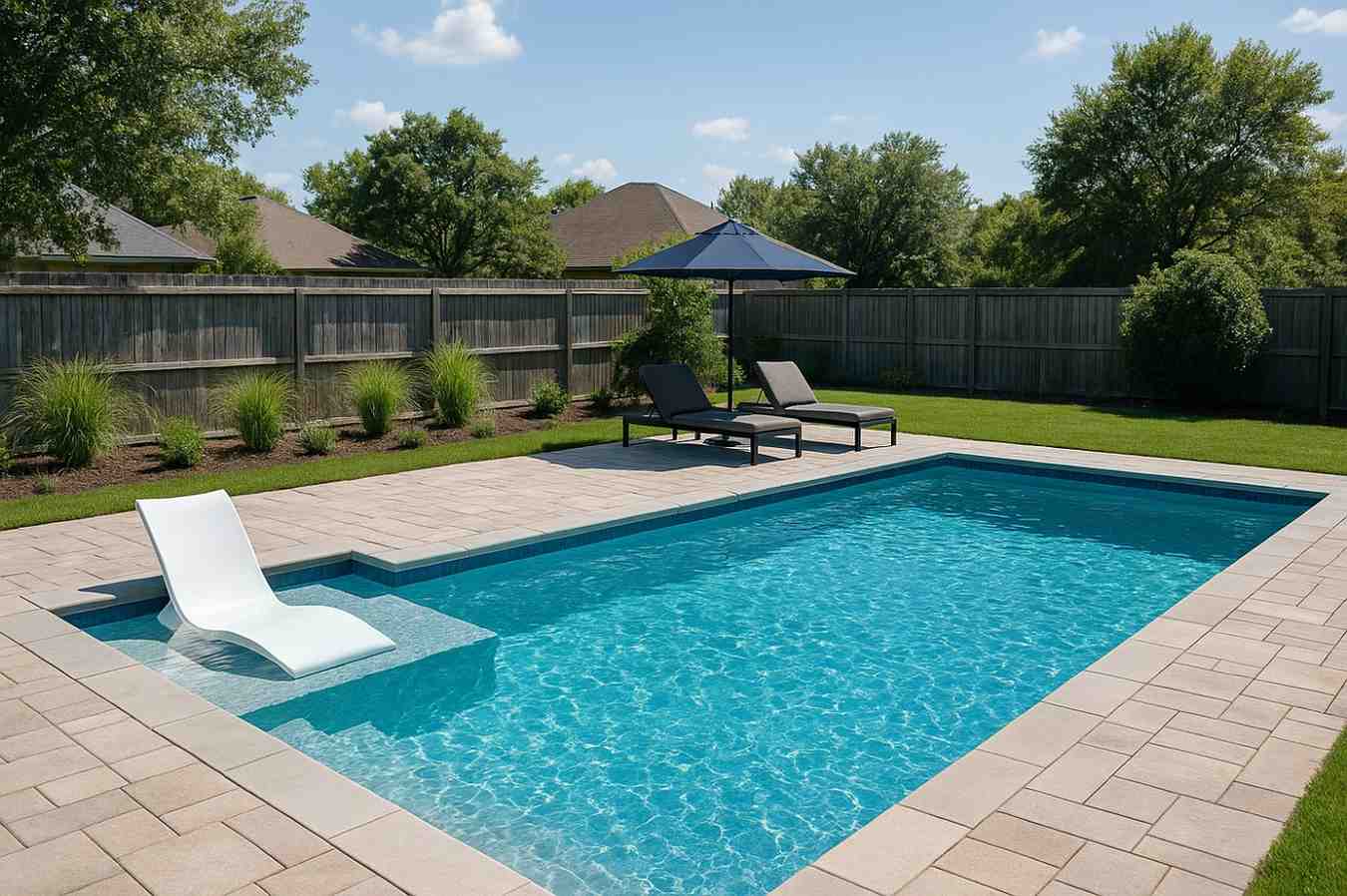
Choosing a new pool is an exciting prospect, but it also comes with many important decisions. From the type of pool to the materials used, each choice will affect the final look, cost, and long-term maintenance of your backyard oasis. Getting it right from the start ensures you’ll have a space you and your family can enjoy for years to come.
This guide explores what pool professionals consider when helping homeowners make these crucial decisions. We’ll cover the key factors to weigh, the different types of pools available, and how to plan a project that fits your lifestyle and budget. By understanding these expert recommendations, you’ll be better equipped to select the perfect pool for your home.
Define Your Purpose and Priorities
Before you look at designs or materials, the first step is to think about how you plan to use your pool. A pool designed for family fun and relaxation will look very different from one built for serious lap swimming or entertaining large groups.

Consider these questions to clarify your vision:
- Who will use the pool most often? Is it for young children, teenagers, adults, or a mix of all ages? This will influence decisions about depth, entry points like beach entries or stairs, and safety features.
- What activities will take place? If you envision a space for exercise, a long, rectangular lap pool might be best. For those who want a place to relax and cool off, a smaller pool with a tanning ledge or built-in seating could be ideal. If entertaining is the goal, you might want to incorporate features like a swim-up bar or an adjoining spa.
- What is your long-term vision? Think about how your needs might change over the next five to ten years. A family with young children today might want a design that remains functional as those children become teenagers.
Having a clear idea of your priorities will guide every subsequent decision and help you communicate your vision effectively to a pool builder.
Understand the Main Types of Inground Pools
Once you know what you want from a pool, the next step is to choose the type that best suits your needs, budget, and property. The three primary types of inground pools are concrete (gunite), fiberglass, and vinyl liner.
Concrete (Gunite) Pools
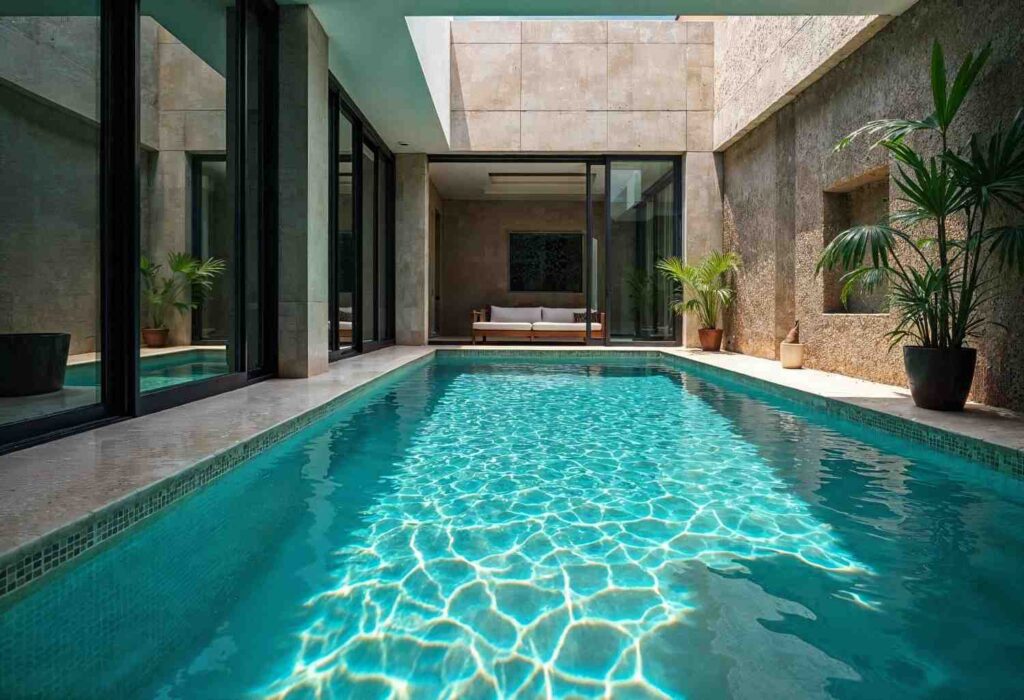
Concrete pools, often called gunite or shotcrete pools, offer the most design flexibility. Because they are built on-site, they can be customized to virtually any shape, size, or depth. This makes them a popular choice for homeowners with unique backyard layouts or specific design ideas.
- Pros: Highly customizable, durable, and can be finished with a variety of materials like plaster, tile, or pebbles for a high-end look.
- Cons: They have the longest installation time (often several months) and are typically the most expensive option upfront. The porous nature of concrete also means they require more intensive chemical maintenance and may need to be resurfaced every 10 to 15 years.
Fiberglass Pools
Fiberglass pools are factory-molded shells that are transported to your home and placed into an excavated hole. They come in a wide range of pre-designed shapes and sizes. The smooth, non-porous surface of a fiberglass pool is a significant advantage, as it inhibits algae growth and requires fewer chemicals than a concrete pool. For homeowners looking for durable and stylish inground pools in Utah, fiberglass is an increasingly popular option due to its resilience in various climates.
- Pros: Quick installation (often just a few weeks), low long-term maintenance, and a durable, smooth surface.
- Cons: Less design flexibility, as you are limited to the manufacturer’s molds. The size is also constrained by transportation limitations.
Vinyl Liner Pools
Vinyl liner pools are built with a metal or polymer frame that is set into the excavated hole. A custom-made vinyl liner is then fitted to the frame, creating the pool’s surface. This is generally the most affordable type of inground pool.
- Pros: Lower initial cost, a smooth, non-porous surface, and the ability to customize the shape and size.
- Cons: The liner is the least durable of the three options and will likely need to be replaced every 5 to 10 years. While the liner itself is smooth, care must be taken to avoid punctures from sharp objects.
Consider Your Site and Landscape
Your property’s specific conditions will play a major role in your pool project. A professional pool builder will conduct a site evaluation to assess factors like:
- Yard Size and Shape: The available space will naturally limit the size and placement of your pool.
- Access: Can heavy machinery and materials easily get to the proposed pool site? Tight access points can increase construction costs.
- Slope: A sloped yard may require retaining walls or extensive grading, adding to the overall cost and complexity of the project.
- Soil Conditions: Rocky or unstable soil can make excavation more difficult and expensive.
- Utilities: The location of underground utility lines for water, gas, and electricity must be identified and worked around.
Local zoning laws and building codes are also critical. These regulations dictate setbacks (how far the pool must be from property lines and your house), fencing requirements, and other safety measures. An experienced local builder will be familiar with these rules and can ensure your project is fully compliant.

Final Thoughts on Your Pool Journey
Choosing a new pool is a significant investment, but with careful planning and research, it can be a rewarding one. By defining your needs, understanding the different pool types, and considering the specifics of your property, you can make informed decisions that lead to a beautiful and functional backyard retreat. Consulting with experienced pool professionals can provide invaluable guidance, helping you navigate the process and bring your vision to life.