


Living in the South comes with many perks, from warm weather to a vibrant culture. However, the unique climate—characterized by high heat, intense humidity, and the occasional severe storm—presents specific challenges when it comes to outdoor storage. A standard shed might not hold up against the persistent moisture or the scorching sun, leading to rot, rust, and damaged belongings. Choosing the right shed is not just about extra space; it’s about investing in a durable structure that can protect your valuables for years to come.
This guide will walk you through the essential factors to consider when selecting a shed for a southern climate. We’ll explore the best materials, ventilation strategies, and foundation types to ensure your outdoor storage is built to last. By making an informed decision, you can have peace of mind knowing your tools, lawn equipment, and other stored items are safe and secure, no matter what the weather brings.
Key Considerations for a Southern Shed
When shopping for a shed in a region known for its demanding climate, several factors are more critical than others. Paying attention to material, ventilation, and foundation will make all the difference in the longevity and functionality of your structure.
Material Matters: Wood, Metal, or Plastic?
The material of your shed is the first line of defense against the elements. Each type has its own set of advantages and disadvantages in a southern climate.
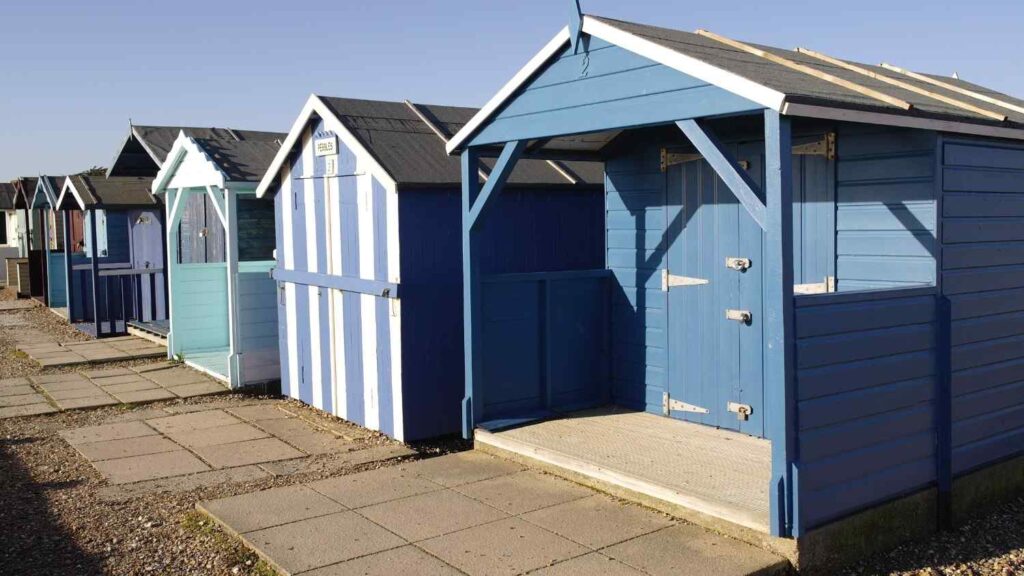
- Wood Sheds: Wooden sheds offer a classic, aesthetically pleasing look that can be easily customized with paint, shelves, and windows. They are also naturally insulating, which can help keep the interior slightly cooler. However, wood is highly susceptible to humidity and pests. Without proper treatment and regular maintenance, a wooden shed can rot, warp, and become a target for termites. If you opt for wood, ensure it’s pressure-treated to resist moisture and decay.
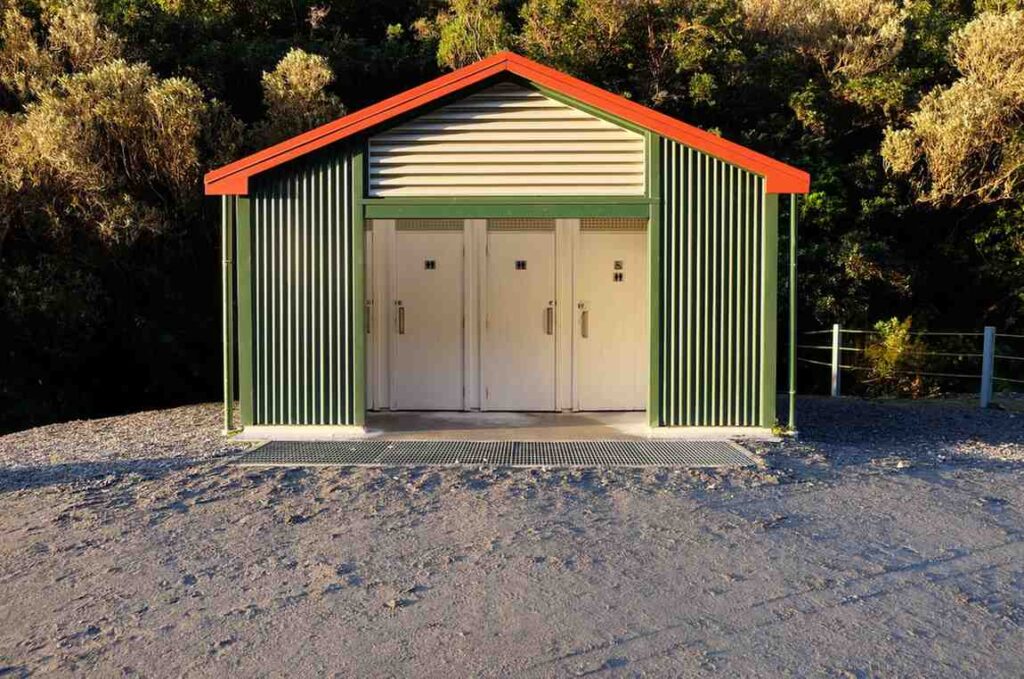
- Metal Sheds: Metal sheds, typically made from galvanized steel or aluminum, are an excellent choice for their durability and resistance to rot and insects. They stand up well to strong winds and heavy rain. A high-quality metal portable building in Lake Charles, LA can provide a secure and long-lasting storage solution. The main drawback of metal sheds is their tendency to heat up in direct sunlight, which can turn the interior into an oven. Proper ventilation and strategic placement in a shaded area can mitigate this issue. They can also be prone to rust if the protective coating is scratched or damaged.
- Plastic (Resin) Sheds: Plastic or resin sheds are becoming increasingly popular due to their low maintenance requirements. They are resistant to rot, rust, and pests, and they are easy to clean. Modern resin sheds often feature double-walled construction for added strength and some level of insulation. While they won’t absorb heat as much as metal, they can become brittle and fade over time with prolonged exposure to intense UV rays.
Beating the Heat with Proper Ventilation
In the sweltering heat of the South, ventilation is not a luxury—it’s a necessity. A poorly ventilated shed will trap hot, moist air, creating a perfect environment for mold, mildew, and rust. This can damage your stored items and make the space unpleasant to be in.
Look for sheds that include built-in ventilation features, such as ridge vents, gable vents, or wall vents. These allow hot air to escape from the top while drawing cooler, fresh air in from below. If a shed doesn’t come with adequate ventilation, consider adding it yourself. Installing a window that can be opened or adding a solar-powered fan can dramatically improve airflow and regulate the interior temperature.
A Solid Foundation is Crucial
A strong foundation does more than just provide a level surface for your shed; it protects it from ground moisture, which is abundant in humid southern regions. Elevating the shed off the ground prevents water from seeping in and causing rot or rust from below.
Common foundation options include:
- Concrete Slab: A concrete slab provides the most stable and permanent base. It’s an excellent choice for larger sheds and offers superior protection against moisture.
- Gravel Base: A gravel foundation is a more affordable and easier-to-install option. It allows for good drainage, which is crucial for preventing water from pooling around and under the shed.
- Deck Blocks or Skids: For smaller, more portable sheds, a foundation of concrete deck blocks or pressure-treated wood skids can be sufficient. This elevates the structure, promoting airflow underneath and preventing direct contact with the damp ground.
Secure Your Southern Storage
Choosing the right shed for a southern climate requires careful consideration of its unique environmental challenges. By prioritizing durable materials, ensuring adequate ventilation, and building on a solid foundation, you can create a reliable storage space that withstands heat, humidity, and storms. Taking the time to select the right features will protect your investment and the valuables you store inside for many years.