



A commercial parking lot is often the first point of contact customers and employees have with a business. Its safety, accessibility, and overall condition can greatly influence perceptions of your establishment. Beyond aesthetics, a well-maintained parking lot ensures the well-being of everyone who uses it. Neglecting this crucial area can lead to accidents, liability issues, and even costly repairs. Here’s a comprehensive guide to maintaining a safe commercial parking space.
1. Proper Lighting

Lighting is one of the simplest yet most effective safety measures. Poorly lit parking lots can increase the risk of accidents and make visitors feel unsafe. Install bright, energy-efficient LED lights strategically throughout the lot, including entrances, exits, pedestrian pathways, and stairwells. Motion-sensor lights can further enhance safety by illuminating areas only when movement is detected, saving energy while keeping the lot secure.
2. Clear Signage and Markings
Clear and visible signage is essential for guiding both drivers and pedestrians. Signs should indicate entrances, exits, handicapped parking, fire lanes, speed limits, and pedestrian crossings. Equally important are painted lines and directional arrows on the pavement. Regularly repaint faded lines and ensure handicapped spaces meet ADA compliance standards. A well-marked parking lot minimizes confusion, prevents collisions, and directs traffic flow safely.
3. Regular Maintenance
Cracks, potholes, and uneven surfaces are common hazards in commercial parking lots. These issues not only damage vehicles but also pose a tripping risk for pedestrians. Regular inspections help identify problems early. For example, in Salt Lake City, businesses often rely on concrete lifting to repair sunken or uneven concrete surfaces without replacing entire sections. This cost-effective solution levels the pavement, eliminating tripping hazards and improving overall safety.
4. Drainage and Slip Prevention
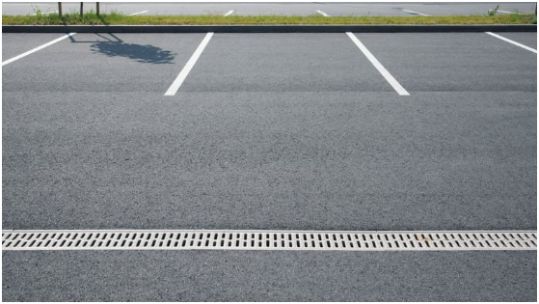
Water accumulation in parking lots can lead to slippery surfaces, ice formation in colder months, and long-term pavement damage. Proper grading, drainage systems, and regular cleaning of storm drains are essential. Additionally, applying slip-resistant coatings on walkways and high-traffic areas can prevent accidents, especially during rainy or snowy seasons.
5. Security Measures
Security is closely tied to safety. Installing surveillance cameras and regular security patrols can deter criminal activity and ensure a safe environment. Clearly visible security cameras not only prevent theft but also give visitors peace of mind. Additionally, consider adding emergency call boxes or integrating a mobile alert system so help is always within reach.
6. Traffic Control Measures
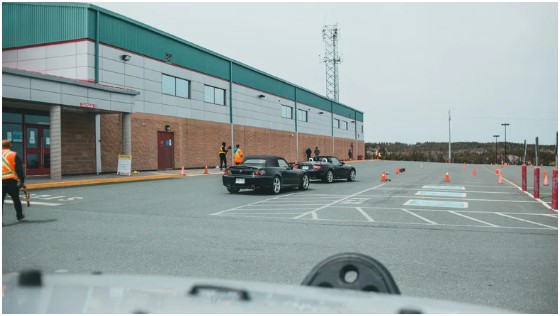
Traffic within commercial parking lots can become chaotic without proper control. Consider speed bumps, designated pedestrian crossings, and curb extensions to slow down vehicles and protect pedestrians. Organizing one-way traffic lanes and using barriers where needed ensures smooth vehicle flow while reducing the likelihood of collisions.
7. Landscaping and Visibility
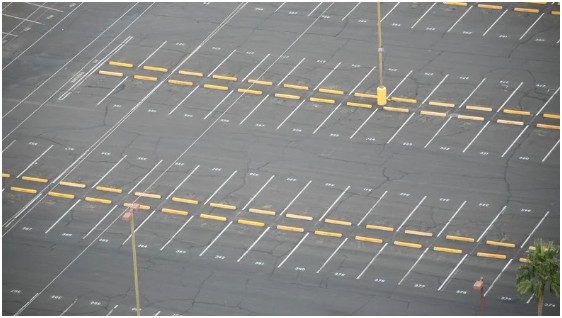
Overgrown bushes, trees, and other landscaping features can obstruct visibility, creating blind spots that increase accident risk. Keep trees and shrubs trimmed and ensure landscaping elements do not block lighting or signage. A well-maintained landscape not only improves aesthetics but also enhances safety.
8. Employee and Customer Education
Safety is a shared responsibility. Educate employees about parking lot hazards and encourage vigilance. Posting reminders about safe driving, proper pedestrian etiquette, and reporting hazards ensures everyone contributes to a secure environment. Hosting occasional safety workshops can reinforce these habits and reduce risks.
9. Seasonal Considerations
Weather-related hazards require additional attention. Snow, ice, and rain can drastically reduce traction, obscure markings, and create puddles. Regular snow removal, salting or sanding, and prompt clean-up of debris are critical during winter months. In warmer months, maintaining clear drainage and checking for heat-related pavement damage keeps the lot safe year-round.
10. Regular Inspections and Professional Assistance

Even with all precautions, professional inspections can identify potential hazards that may be overlooked. Hiring experts for pavement evaluation, lighting audits, and security assessments ensures your parking lot remains safe and compliant with local regulations. Professional services like concrete lifting in Salt Lake City, for instance, offer long-lasting solutions that save both money and time.
Final Thoughts
A commercial parking lot is more than just a space to park—it’s a critical aspect of your business’s safety and reputation. By investing in proper lighting, signage, maintenance, security, and seasonal care, you create a safe environment that protects customers, employees, and your bottom line. Safety should never be an afterthought; it should be an ongoing commitment to creating secure and welcoming spaces for everyone.