





Eviction is one of those things most people hope they never have to deal with, yet many landlords and tenants end up facing it at some point. I’ve seen confusion come not from the law itself, but from how unpredictable the timeline feels. Someone hears “eviction” and assumes it’s either immediate or endless. In reality, it’s usually somewhere in between and heavily shaped by where you are and how the case unfolds.
Across the US, the eviction process follows a similar legal path, but the pace can feel very different depending on the state, the court system, and whether the tenant pushes back. For straightforward cases, the eviction process timeline in the US often runs a few weeks. Once disputes, defenses, or appeals enter the picture, that timeline stretches fast.
The Big Picture: How Long Eviction Usually Takes
In uncontested situations, many evictions wrap up in three to eight weeks. That’s the ideal scenario where notices are valid, paperwork is clean, and no one challenges the case. Once a tenant contests the eviction, asks for a hearing, or files an appeal, delays of several months are common.
What trips people up is assuming there’s one national standard. There isn’t. State laws control notice periods, response deadlines, and enforcement rules. Local courts then add their own scheduling realities, which often matter more than the law on paper.
Step-by-Step Eviction Process Timeline in the US
Written Notice Comes First
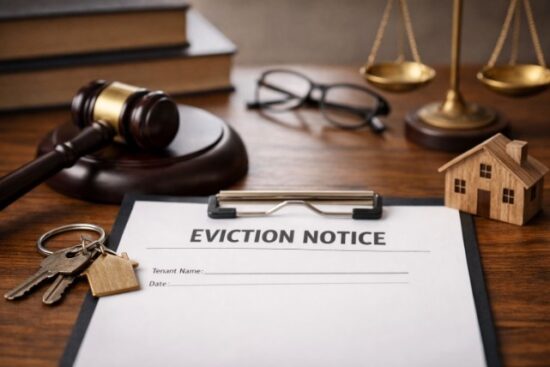
Everything starts with a written notice. Landlords cannot skip this step. For nonpayment of rent, many states allow short notices, sometimes as little as three to five days. Lease violations that aren’t about rent usually require longer notice periods, often 14 to 30 days.
This notice is the landlord’s legal warning. If the tenant fixes the issue by paying rent or correcting the violation, the eviction usually stops here.
Filing the Eviction Lawsuit
If the notice period expires with no compliance, the landlord files a formal eviction case in court. This filing step itself is quick, often done within one to three days. The delay usually comes after the court begins processing the case.
At this stage, the eviction becomes part of the public court system. From here on, everything runs on legal deadlines, not personal timelines.
Serving the Tenant
Court papers must be officially delivered to the tenant. Depending on the jurisdiction, this can be handled by a sheriff, marshal, or licensed process server. Service can be fast, but tracking down a tenant sometimes takes time.
This step typically takes one to ten days, and the clock for the tenant’s response doesn’t start until service is complete.
Tenant Response Window
After service, the tenant gets a limited window to respond. In some states, it’s as short as five days. In others, tenants may have seven to fifteen days to file an answer with the court.
If the tenant doesn’t respond, the landlord may win by default. If the tenant does respond, the case moves toward a hearing, which is where timelines often stretch.
Court Hearing and Judgment

Once the response period ends, courts schedule a hearing. Depending on backlog and location, this can take anywhere from ten to thirty days. At the hearing, the judge reviews evidence, listens to both sides, and decides whether the eviction is legally valid.
If the tenant raises defenses like improper notice or unsafe living conditions, the case can slow down significantly.
Writ of Possession
If the landlord wins, the court issues a writ of possession, authorizing law enforcement to remove the tenant. This doesn’t mean immediate lockout. There’s usually a short waiting period, ranging from 24 hours to two weeks, depending on state law.
This step exists to prevent sudden, unlawful removals.
Physical Removal by Law Enforcement
The final step is handled by the sheriff or marshal. They typically post a final notice giving the tenant 24 to 72 hours before enforcing the eviction. Only law enforcement can carry this out; landlords cannot do it themselves under any circumstances.
What Can Slow the Eviction Timeline Down?
Most delays don’t come from the law itself but from real-world complications. A few common ones show up again and again:
- Contested cases where tenants file defenses or counterclaims
- Court backlogs in busy urban counties
- Improper or defective notices that force landlords to restart
- Appeals filed after judgment
These factors explain why two evictions that look identical on paper can end months apart.
State-Level Differences That Matter
Texas moves relatively fast. Hearings are typically set 10 to 21 days after filing, but tenants get a five-day appeal window after judgment before enforcement can begin.
California gives tenants a five-day response period, but enforcement often takes longer due to scheduling delays. Even after a writ is issued, removal usually happens about five days later.
Massachusetts requires longer notice for nonpayment, commonly 14 days, and includes a ten-day appeal window before execution can proceed.
These differences are why national averages only tell part of the story.
Special Rules That Apply Everywhere

Certain rules apply regardless of state. Self-help evictions, such as changing locks, shutting off utilities, or removing property, are illegal nationwide. Courts take these violations seriously.
Properties tied to federal housing programs follow stricter notice rules. In many cases, landlords must give at least 30 days’ notice before even filing an eviction for nonpayment.
Appeals also exist everywhere. When tenants appeal, the eviction process timeline in the US can extend by weeks or longer, depending on how fast appellate courts move.
FAQs
1. How long does the eviction process timeline in the US usually take?
In straightforward cases, it often takes three to eight weeks. Contested cases or appeals can push the timeline into several months.
2. Can a landlord evict a tenant without going to court?
No. Court involvement is required in every state. Any attempt to bypass the court is illegal.
3. Does paying rent stop the eviction process?
In many states, paying rent during the notice period can stop the eviction. Once a court judgment is entered, payment may no longer be enough.
4. Why does eviction take longer in some states?
Longer notice periods, tenant protections, and court backlogs all play a role. Local court schedules often matter more than state law itself.
Final Thoughts
The eviction process timeline in the US isn’t designed to be fast or slow; it’s designed to be procedural. Each step exists to balance property rights with basic legal protections. When everything lines up cleanly, the process can move quickly. When disputes arise, the timeline stretches because the system prioritizes due process over speed.
Understanding the sequence ahead of time helps both landlords and tenants make better decisions. Knowing what comes next often matters more than knowing the exact number of days.