



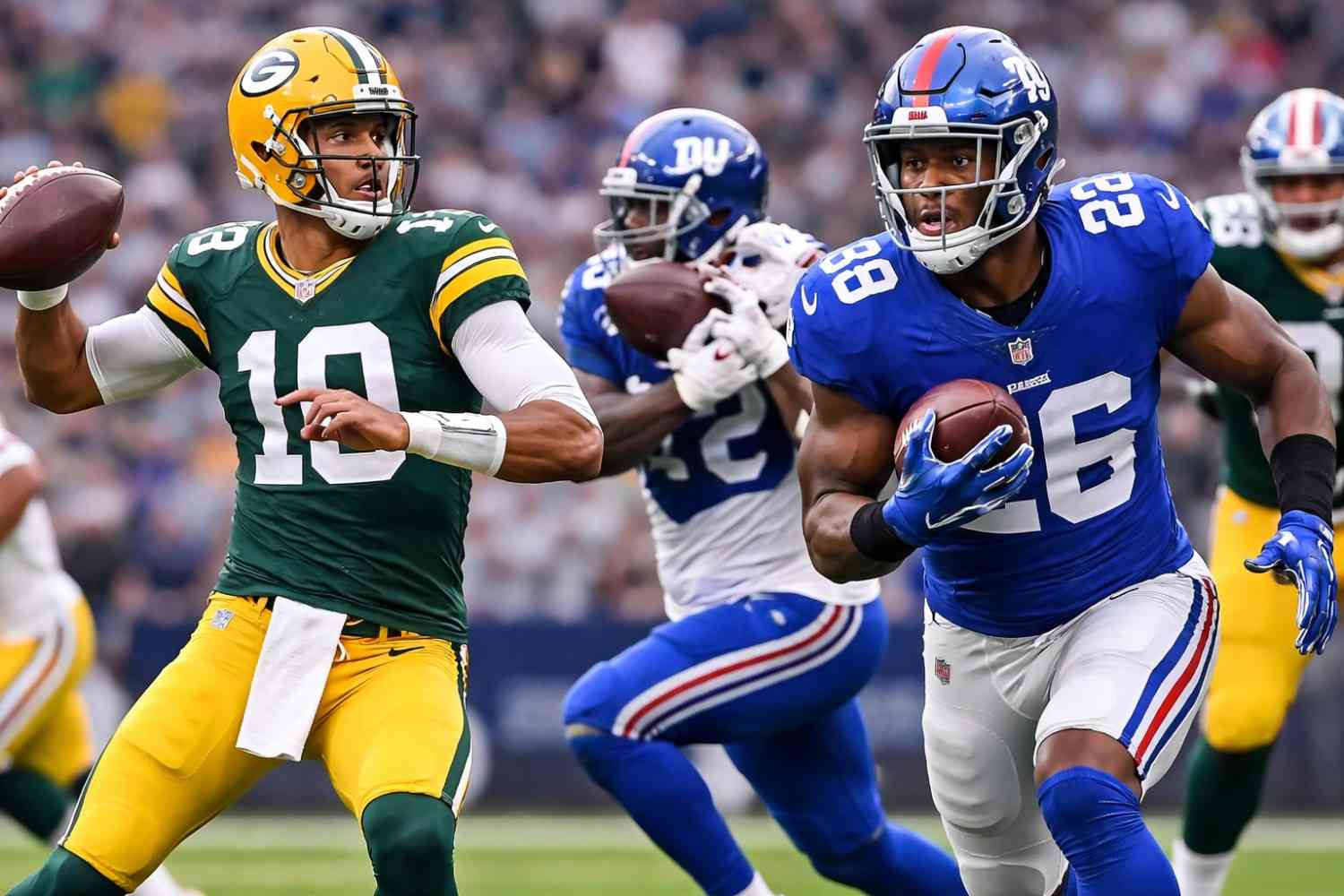
In a must-win battle for both teams, the Green Bay Packers stormed into MetLife Stadium to face the New York Giants in a showdown that had fans on the edge of their seats. With playoff hopes hanging in the balance, the Packers triumphed 27-20, putting an end to their recent slump. But this game wasn’t just about the score — it was about individual moments of brilliance and game-changing stats that defined the outcome.
From Jordan Love’s gritty performance to Christian Watson’s clutch touchdown in the final minutes, and Devin Singletary’s hard-fought rushing for the Giants, the Green Bay Packers vs New York Giants match player stats tell a story of grit, mistakes, and triumph. Let’s dive into the key player performances, critical turnovers, and statistical breakdowns that determined the fate of this thrilling game.
Final Score & Game Summary
Green Bay Packers 27 — New York Giants 20
MetLife Stadium — Sunday, November 16, 2025
The Packers, overcoming a two-game losing streak, secured an important win, improving to 6-3-1, while the Giants, now 2-9, fell to their fifth straight loss. Despite a valiant effort by Jameis Winston and Devin Singletary, it was the Packers’ balanced offense and key turnovers that sealed the win. Let’s break down the key Green Bay Packers vs New York Giants match player stats that contributed to the outcome.
Quarterbacks in Focus: Stats & Performance
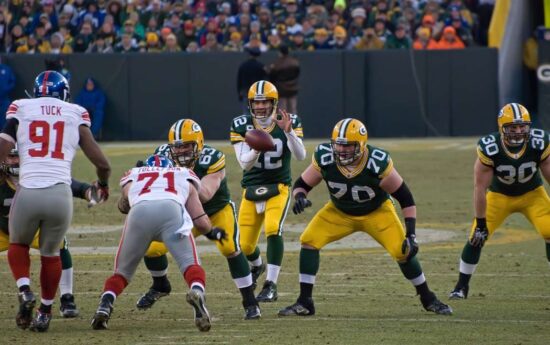
Image Source: Wikipedia
Jordan Love — Packers
- Passing Yards: 174
- Touchdowns: 2
- Completion %: Efficient in crucial moments.
- Key Insight: Love displayed resilience after an early shoulder injury, leading both of the Packers’ touchdown drives. His ability to maintain poise under pressure, especially in the fourth quarter, helped secure the win.
Jameis Winston — Giants
- 24/37, 201 yards
- Passing TDs: 0
- Rushing TD: 1
- Interceptions: 1
- Fumbles: 1
Winston showed flashes of brilliance but struggled with turnovers in key moments. His rushing touchdown provided a spark for the Giants, but the lack of a passing touchdown and his costly turnovers ultimately kept the Giants from mounting a comeback.
Rushing Leaders: Ground Game Breakdown
Giants Rushing
- Devin Singletary: 17 carries, 44 yards, 2 TDs
- Tyrone Tracy Jr.: 19 carries, 88 yards, 4 catches for 51 yards
Singletary was the star of the Giants’ ground attack, scoring twice. Tracy Jr. provided an important yardage boost, but the Giants’ rushing attack couldn’t match the efficiency required to catch up to Green Bay’s multi-faceted offense.
Packers Rushing
- Emmanuel Wilson: 16 carries, 40 yards, 1 TD
- The Packers’ run game was effective enough to keep their offense balanced, complementing their passing attack, and moving the chains on key drives.
Top Receiving Performances
Packers Receiving
- Christian Watson: 4 catches, 46 yards, 2 TDs
- Romeo Doubs: 6 catches, 53 yards
Watson’s two touchdowns were the standout performances from the Packers’ receiving corps. He delivered in high-leverage situations, showing why he’s become a trusted red zone target. Doubs’ 53-yard performance also helped keep the chains moving for the Packers.
Giants Receiving
- Isaiah Hodgins: 5 receptions, 57 yards
- Wan’Dale Robinson: 4 receptions, 36 yards
- Devin Singletary: 2 receptions, 27 yards
While Hodgins topped the Giants’ receiving charts, it was Singletary’s dual-threat role that made him an asset. However, the Giants couldn’t generate explosive plays, especially in the second half when they needed it most.
Defensive Impact: Stats That Shaped the Game
Packers Defense
- A key interception in the end zone by the Packers sealed the victory for Green Bay, preventing a late Giants comeback.
- Micah Parsons’ fumble recovery helped the Packers capitalize on New York’s offensive mistakes, forcing the Giants to play catch-up.
Giants Defense
- Recorded 2 sacks and 5 pass defenses.
- Despite an overall strong effort, missed tackles and poor coverage late in the game allowed Green Bay to convert critical plays that kept the Giants at bay.
Key Statistical Takeaways
Efficiency Wins Games
- The Packers converted 100% of their red zone trips into touchdowns, while the Giants converted only 60% of their red zone opportunities. This discrepancy was one of the key statistical factors that influenced the outcome of the game.
Turnover Differential Matters
- Packers: 0 turnovers
- Giants: 2 turnovers
The Packers’ ability to avoid turnovers and capitalize on New York’s mistakes played a crucial role in their victory. Green Bay’s zero turnovers helped them control the game, while the Giants’ 2 turnovers cost them critical scoring opportunities.
Balanced Offensive Production
- Packers: 168 passing yards, 128 rushing yards
- Giants: 194 passing yards, 142 rushing yards
Both teams had a balanced attack, but the Packers’ ability to efficiently manage the clock and execute in key situations was the difference. Green Bay’s offense was more successful in capitalizing on scoring opportunities.
Advanced Metrics — What the Numbers Don’t Always Show
While the basic stats tell a story, advanced metrics provide a clearer picture of team and player performance:
- Success Rate on Play‑by‑Play: The Packers generated positive plays more consistently on early downs.
- Expected Points Added (EPA): Love’s performance in the fourth quarter significantly boosted Green Bay’s win probability.
- Player Value Over Expectation: Watson and Singletary outperformed their expected yardage based on defensive alignment patterns.
These advanced stats underscore how the Green Bay Packers vs New York Giants match player stats reflect not just individual performances but also how both teams played in high-pressure situations.
How This Matchup Shapes the Season
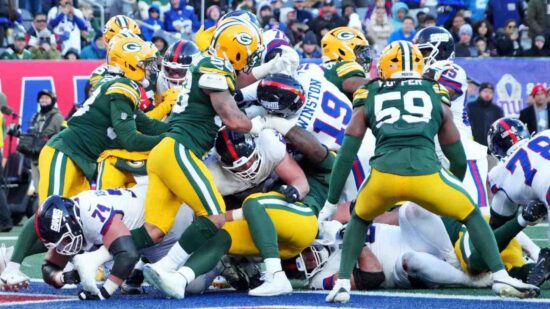
Image Source: ESPN
For Green Bay, this victory was crucial for keeping their playoff hopes alive and snapping a losing streak. For the Giants, the game highlighted offensive promise but also defensive and turnover vulnerabilities that will need to be addressed if they want to turn their season around.
Frequently Asked Questions
1. Who led the Packers in receiving?
Christian Watson, with 2 touchdown catches and a game-winning TD.
2. How did the Giants’ running game perform?
Solid, with Devin Singletary scoring twice and Tyrone Tracy Jr. contributing in both the running and receiving game.
3. Did turnovers affect the outcome?
Yes, the Packers forced 2 turnovers and capitalized on both, while the Giants had no turnovers to mitigate their own mistakes.
4. What was the final score?
Packers 27, Giants 20.
Final Thoughts
This Green Bay Packers vs New York Giants match player stats recap highlights how both teams’ strengths and weaknesses were on full display. From Jordan Love’s resilience to Christian Watson’s clutch touchdowns and Devin Singletary’s strong performance, these player stats were crucial in the final outcome. The Packers’ balance and defensive plays sealed their win, while the Giants’ turnovers and missed opportunities were the downfall.