


I’ve dealt with mold and mildew more times than I’d like to admit, especially in damp areas like kitchens and bathrooms. The biggest mistake I made early on was ignoring it for too long.
Here’s the truth: mold can start growing within 24–48 hours in moist conditions, so acting fast is critical. According to CDC mold cleanup guidelines, early action prevents serious health risks.
Once I learned the right steps, removing it became much easier and far less stressful. In this guide, I’ll show you exactly how I handle mold and mildew safely and effectively at home.
If you’re already dealing with moisture issues, this guide will help you fix the root cause, not just the surface problem.
Key Takeaways
- Mold grows quickly in damp areas and must be removed immediately
- Cleaning alone is not enough—you must fix the moisture source
- Simple household solutions like detergent or bleach can work
- Prevention is the most important long-term solution
What Causes Mold and Mildew in the First Place?
Here is the deal. Mold is not random. It always comes from moisture.
Common causes include:
- Leaky pipes or roofs
- Poor ventilation
- High humidity
- Wet surfaces left untreated
Experts consistently highlight that EPA mold prevention recommendations focus on controlling moisture as the main solution.
Once I understood this, I stopped just cleaning mold and started preventing it.
Signs You Have Mold or Mildew at Home
Before removing it, you need to spot it early.
Look for:
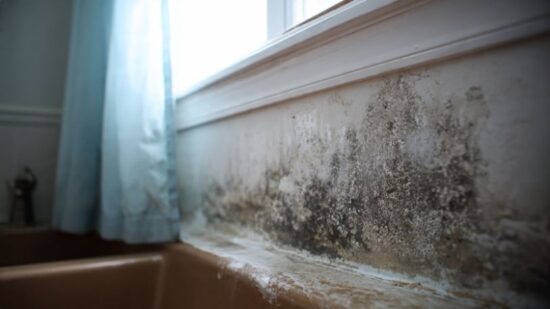
- Black, green, or white patches
- Musty smell
- Peeling paint or damp walls
- Allergy symptoms indoors
If you notice any of these, it’s time to act immediately.
How to Get Rid of Mold Mildew Step by Step
This is the exact process I follow.
Step 1: Protect Yourself First
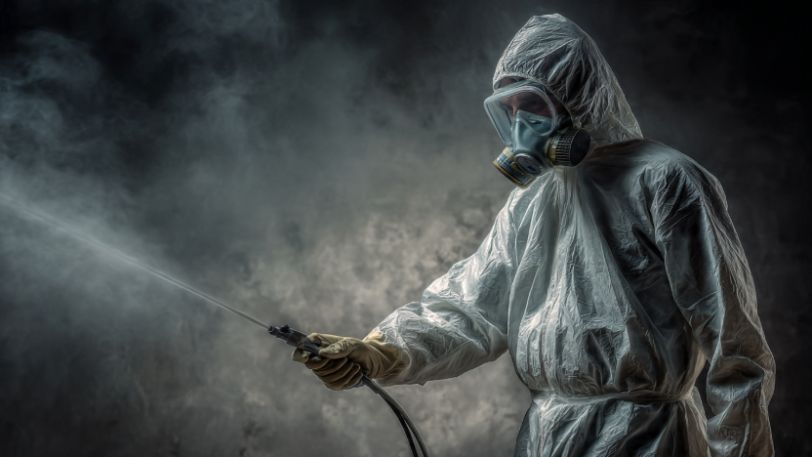
Before cleaning, I always wear:
- Gloves
- Mask (N95 if possible)
- Eye protection
Health experts recommend protective gear to avoid exposure to mold spores, as explained in CDC safety recommendations.
Step 2: Ventilate the Area
Open windows and doors to improve airflow.
This helps:
- Reduce exposure
- Dry out moisture faster
Step 3: Clean the Mold Properly
For hard surfaces, I use:
- Soap and water
- Or a bleach solution (safe ratio)
Cleaning guides suggest using recommended bleach dilution ratio guidelines to remove mold safely.
Scrub thoroughly and remove all visible mold.
Step 4: Dry Everything Immediately
This is where most people fail.
You must dry the area within 24–48 hours to stop regrowth, based on mold remediation timing standards.
I usually use:
- Fans
- Dehumidifiers
- Open ventilation
Step 5: Remove Damaged Materials if Needed
If mold is deep in:
- Carpets
- Ceiling tiles
- Drywall
You may need to throw them away because mold can hide inside porous materials, as noted in home mold removal best practices.
Step 6: Fix the Root Cause
This is the most important step.
If you don’t fix moisture, mold will come back.
I always check for:
- Leaks
- Condensation
- Poor airflow
Common Mistakes to Avoid
I’ve made these mistakes before, and they cost time and effort.
Ignoring small mold patches
Painting over mold instead of removing it
Not drying the area completely
Mixing cleaning chemicals (dangerous)
Important: Never mix bleach with ammonia because it creates toxic fumes, as warned in chemical safety guidelines.
Natural Ways to Remove Mold and Mildew
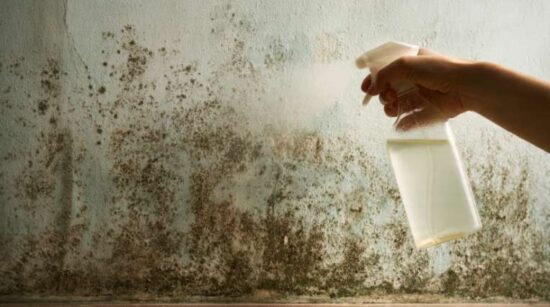
Sometimes I prefer natural solutions.
You can use:
- Vinegar and water solution
- Baking soda
- Hydrogen peroxide
For example, vinegar is often recommended in natural mold removal methods for small areas.
These options work well for light mold problems.
How to Prevent Mold from Coming Back
This is what actually makes a difference long-term.
Here’s what I do consistently:
- Keep humidity below 50%
- Use exhaust fans in bathrooms
- Fix leaks immediately
- Dry wet areas quickly
Even simple habits like wiping surfaces can prevent mold growth.
Areas Where Mold Commonly Grows
From my experience, mold shows up in predictable places.
- Bathroom tiles and ceilings
- Kitchen sinks and cabinets
- Basements
- Around windows
- Laundry areas
If you stay ahead in these areas, you avoid bigger problems later.
How This Connects to a Healthy Home Routine
Keeping mold away is not just about cleaning. It’s part of maintaining a safe home.
When I deep clean my space, I also:
- Manage moisture
- Improve airflow
- Store food properly
And for long-term savings, I rely on the ultimate cheat sheet on saving money to reduce unexpected repair costs.
When Should You Call a Professional?

Sometimes DIY is not enough.
Call a professional if:
- Mold covers a large area (over 10 square feet)
- It keeps coming back
- It’s inside walls or HVAC systems
At that point, professional help is safer and more effective..
FAQs
1. What is the fastest way to remove mold?
Clean it immediately using detergent or bleach solution and dry the area quickly.
2. Can mold come back after cleaning?
Yes, if the moisture problem is not fixed.
3. Is vinegar effective for mold removal?
Yes, vinegar works well for small areas.
4. How dangerous is mold in the house?
It can cause respiratory issues and allergies with long exposure.
5. Can I remove mold myself?
Yes, for small areas. Larger infestations need professional help.
Why I Take Mold and Mildew Seriously Now
Learning how to get rid of mold mildew changed how I manage my home.
It’s not just about cleaning what you see. It’s about controlling moisture, acting quickly, and building habits that prevent it from coming back.
Once I started following this routine, I noticed fewer issues, better air quality, and a much cleaner living space.
If you stay consistent with these steps, you can keep your home safe, healthy, and mold-free.