


Military vehicles are some of the most advanced and resilient machines in the world. From heavily armored tanks to nimble reconnaissance vehicles, every inch of these machines is designed with one goal in mind: performance and protection under the most extreme conditions.
Modern military vehicle construction is a blend of cutting-edge engineering, specialized material for project demand, and meticulous attention to detail. Let’s take a closer look inside the armor and explore how these incredible machines are built.
The Foundation: Chassis and Frame
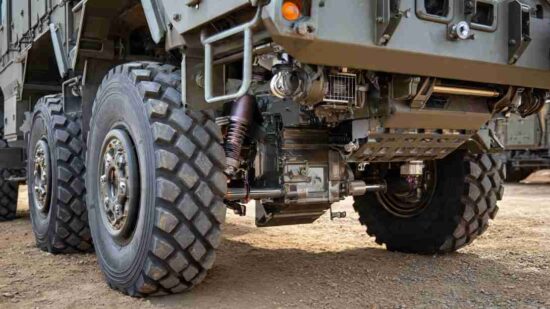
Every military vehicle begins with a robust chassis and frame. Unlike civilian vehicles, military frames are built to endure high-impact collisions, rough terrain, and even explosive blasts. The frame must support not only the vehicle’s weight but also the additional armor, weaponry, and electronics that modern combat requires.
Engineers often use high-strength steel alloys and reinforced composites to ensure the vehicle maintains structural integrity even under extreme stress.
Suspension systems are equally critical. Advanced shock absorbers and independent suspension designs allow armored vehicles to traverse rocky landscapes, muddy fields, or urban debris without compromising speed or stability. The goal is to create a platform that is both tough and agile, capable of responding to sudden tactical demands.
Armor: Protection Meets Technology
The armor is what most people think of first when imagining a military vehicle. Modern armor is no longer just thick steel plates; it’s a carefully engineered composite designed to resist a variety of threats. Reactive armor panels, ceramic composites, and even specialized Kevlar layers are combined to absorb or deflect the impact of bullets, shrapnel, and explosive devices.
Some vehicles also integrate modular armor systems. These allow damaged panels to be quickly replaced in the field, minimizing downtime and maximizing operational readiness. The interplay between weight, mobility, and protection is a constant balancing act. Too much armor can slow a vehicle down, while too little compromises crew safety.
Power and Mobility
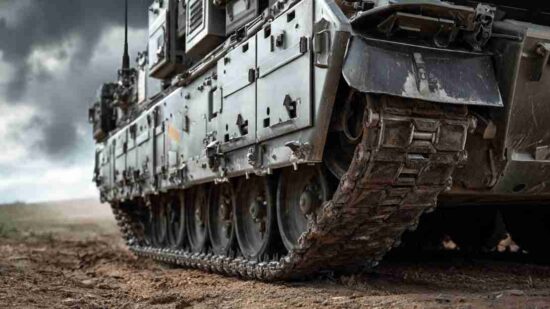
No matter how strong the armor, a vehicle is only as effective as its engine and drivetrain. Modern military vehicles often feature high-powered diesel engines or hybrid systems that combine fuel efficiency with immense torque. Advanced transmissions and all-wheel-drive capabilities allow vehicles to navigate challenging environments—from deserts and jungles to snow-covered mountains.
Tires and tracks are also specialized. Run-flat tires and reinforced tracks ensure that vehicles can continue moving even after sustaining damage. Engineers carefully design these systems to handle the vehicle’s heavy weight while maintaining maneuverability and speed.
Electronics and Communication Systems
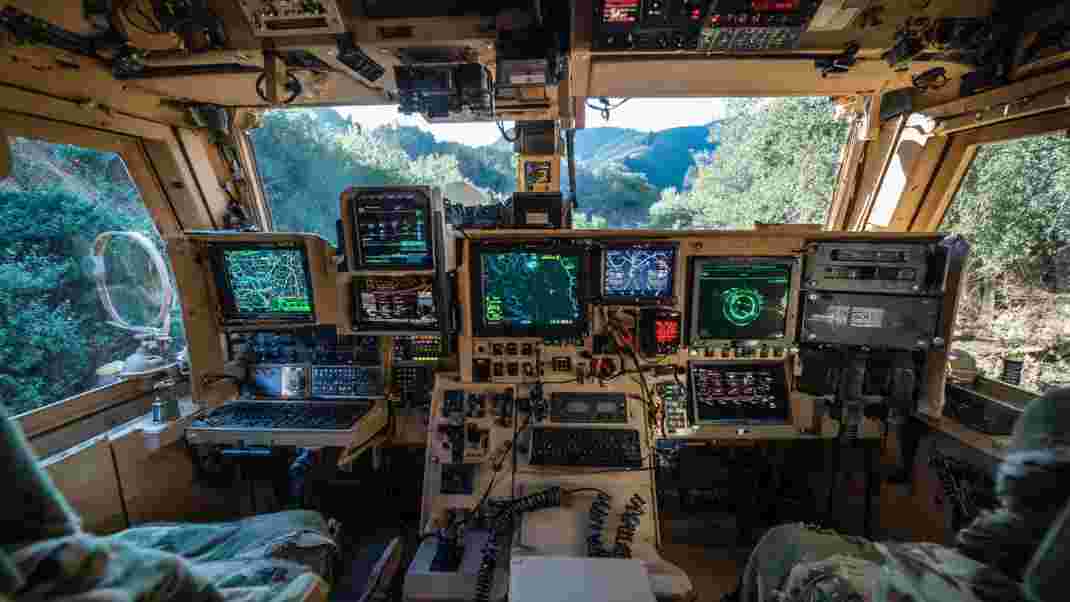
Modern combat is as much about information as firepower, and military vehicles are now rolling command centers. Advanced electronics, sensors, GPS navigation, and battlefield communication systems are integrated into the vehicle’s core. These systems enable real-time coordination with other units and provide situational awareness critical for survival.
Military cable assemblies play a vital role in connecting these complex electronics reliably, even in extreme heat, vibration, or moisture. Without robust wiring solutions, the vehicle’s communication and operational systems could fail at critical moments.
Armament and Defensive Systems
Weaponry and defensive systems are carefully integrated into the vehicle’s design. Turrets, missile launchers, and automated gun systems are mounted with precision to maintain balance and stability. Some vehicles also feature countermeasure systems like smoke dispensers or active protection systems designed to intercept incoming threats.
Testing and Quality Assurance
Before any military vehicle sees the battlefield, it undergoes rigorous testing. From live-fire exercises to extreme environmental simulations, vehicles are pushed to their limits to ensure they perform under real combat conditions. Engineers constantly monitor performance data to refine designs and improve survivability.
Innovation Drives the Future
The future of military vehicle design is increasingly focused on automation, artificial intelligence, and hybrid-electric powertrains. Engineers are experimenting with unmanned ground vehicles, adaptive armor, and advanced sensor networks that allow vehicles to anticipate threats and react autonomously.
In conclusion, modern military vehicles are marvels of engineering, combining strength, speed, technology, and tactical innovation. Every component, from the chassis and armor to electronics and weaponry, is meticulously designed to meet the demands of modern warfare.
Behind the steel and circuitry lies a dedication to protecting the soldiers who rely on these machines and ensuring dominance on the battlefield.