

For many, a vehicle is the second largest investment they will make in their lifetime, trailing only behind purchasing a home. Despite this, the maintenance of a car’s aesthetic condition often falls by the wayside compared to mechanical upkeep like oil changes and tire rotations. Neglecting the interior and exterior cleanliness of a vehicle doesn’t just affect how it looks; it directly impacts the vehicle’s resale value and the longevity of its materials.
Over time, environmental contaminants such as road salt, bird droppings, and UV rays erode the clear coat, while interior surfaces are affected by spills, dust, and sun damage. Implementing a comprehensive care routine is essential for preserving the integrity of the car. Whether you are a DIY enthusiast or simply looking to understand what goes into a proper detail, this guide covers the essential solutions for keeping your vehicle in showroom condition.
1. The Two-Bucket Wash Method
One of the most common mistakes car owners make is inducing “swirl marks” or fine scratches into their paint during a wash. This often happens when a sponge, laden with grit from the car’s surface, is dipped back into a single bucket of soapy water and then applied back to the paint.
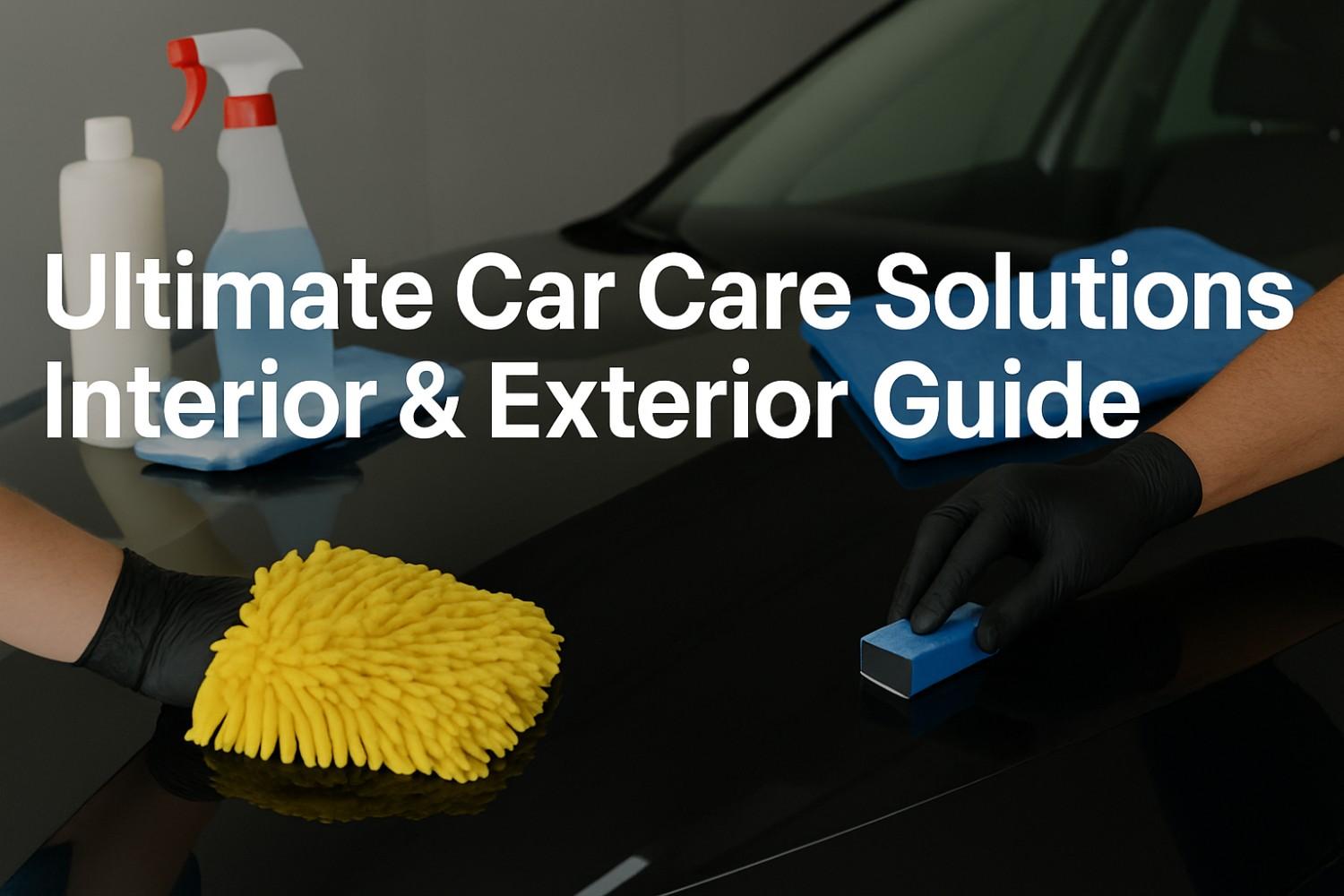
The solution is the two-bucket method. This involves using one bucket for fresh, soapy water and a second bucket filled with plain rinse water. After washing a panel, you rinse the wash mitt in the plain water to dislodge dirt particles before dipping it back into the soap. This ensures you are always applying clean suds to the paint. Using a grit guard at the bottom of the rinse bucket adds an extra layer of safety by trapping heavy dirt at the bottom, preventing it from re-attaching to your mitt.
2. Clay Bar Decontamination
Even after a thorough wash, your car’s paint might feel rough to the touch. This roughness is caused by bonded contaminants—such as industrial fallout, brake dust, and tree sap—that a standard wash cannot remove. If left untreated, these contaminants can eventually oxidize and rust.
A clay bar treatment is the most effective solution for this. By using a lubricated spray and gently gliding a specialized clay bar over the wet surface, you can physically pull these embedded contaminants out of the clear coat. The result is paint that feels as smooth as glass, which is the perfect foundation for applying wax or sealant.
3. Paint Protection: Wax vs. Ceramic Coatings
Once the paint is clean and decontaminated, it requires a sacrificial layer to protect it from the elements. Historically, Carnauba wax was the go-to solution, offering a deep, warm glow. However, wax typically only lasts a few months and offers limited protection against harsh chemicals.
Modern solutions have shifted toward synthetic sealants and ceramic coatings. A ceramic coating is a liquid polymer that chemically bonds with the vehicle’s factory paint, creating a layer of protection that is hydrophobic (water-repellent) and much harder than wax. This helps prevent water spots and makes cleaning significantly easier, as dirt has a harder time sticking to the surface. While applying a ceramic coating is a more involved process, the protection can last for years rather than months.
4. Addressing Environmental Challenges
Different climates pose different risks to vehicle exteriors. For instance, in snowy regions, road salt used to melt ice is a corrosive enemy to the undercarriage and lower panels of a vehicle. In these environments, frequent undercarriage washes are mandatory to prevent rust.
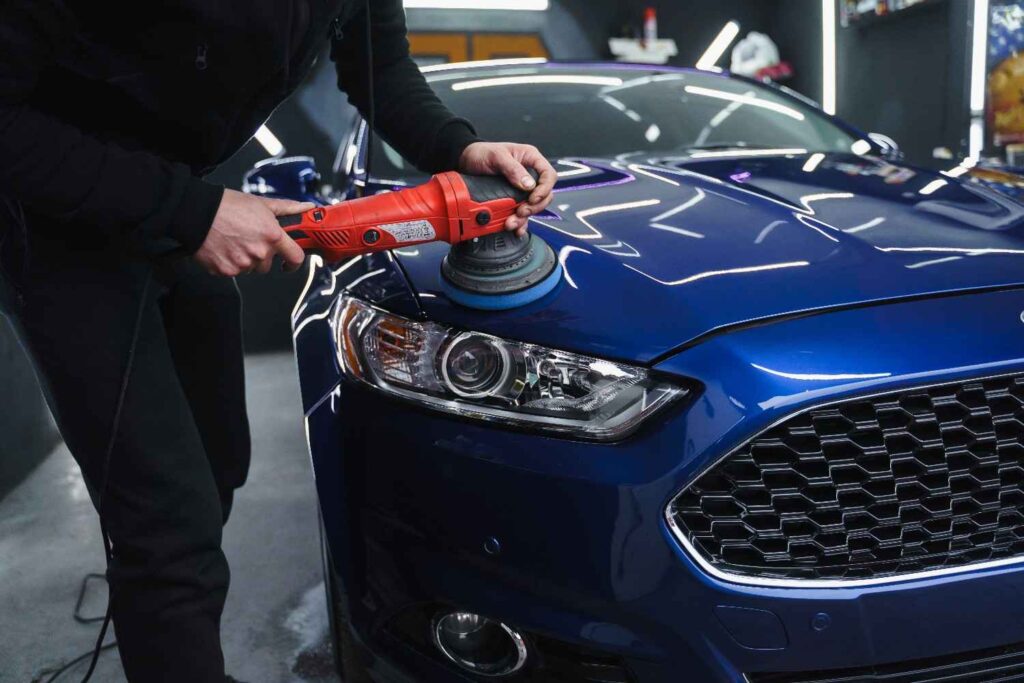
Sometimes, the environmental wear and tear requires equipment that the average homeowner doesn’t possess. For example, removing heavy oxidation or etched water spots often requires machine polishing. In areas with extreme weather variations, relying on professional car detailing services in Salt Lake City can be a prudent choice to address these heavy-duty issues, ensuring that salt corrosion or intense high-altitude UV damage is managed correctly before it becomes permanent.
5. Interior Deep Cleaning and Extraction
Vacuuming removes loose debris, but it does nothing for the oils, sweat, and spills that have soaked into the upholstery fibers over time. These trapped organic materials can lead to unpleasant odors and bacterial growth.
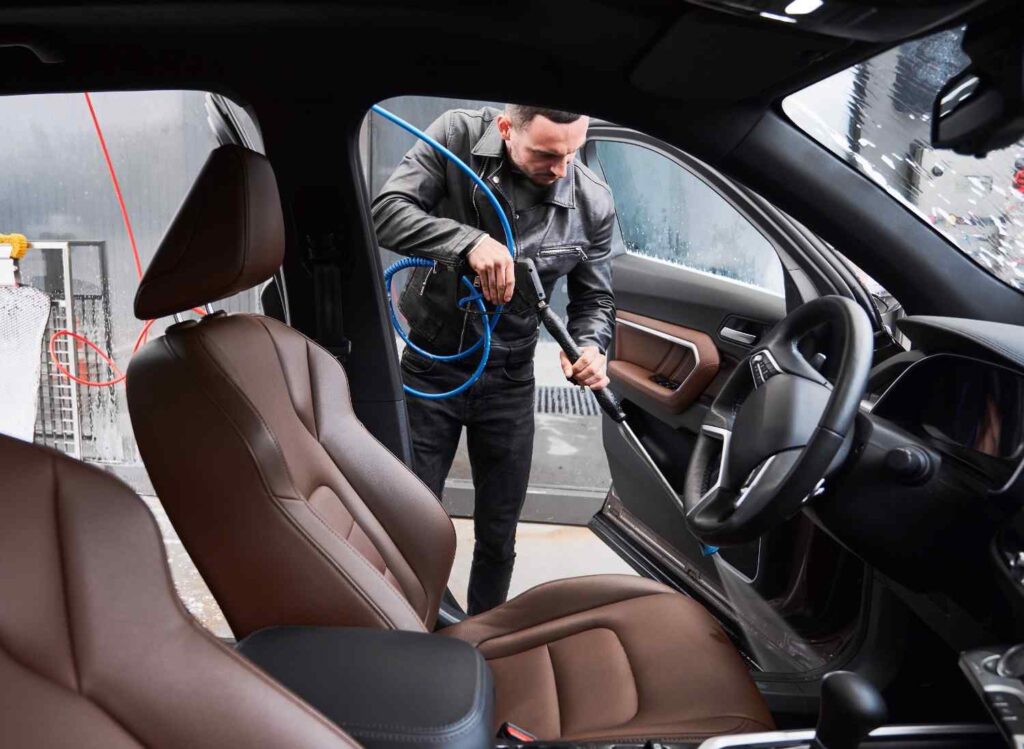
The proper solution for fabric seats and carpets is hot water extraction. This process involves spraying a cleaning solution into the fibers to break down dirt and immediately vacuuming it out with strong suction. For leather seats, a pH-neutral leather cleaner followed by a conditioner is vital. Leather is skin; without moisture (conditioning), it will eventually dry out, harden, and crack under the heat of the sun.
6. UV Protection for Dashboards and Console
The dashboard takes the brunt of solar heat. Over time, UV rays can cause vinyl and plastic dashboards to fade, discolor, and eventually crack. This is often irreversible without expensive replacement.
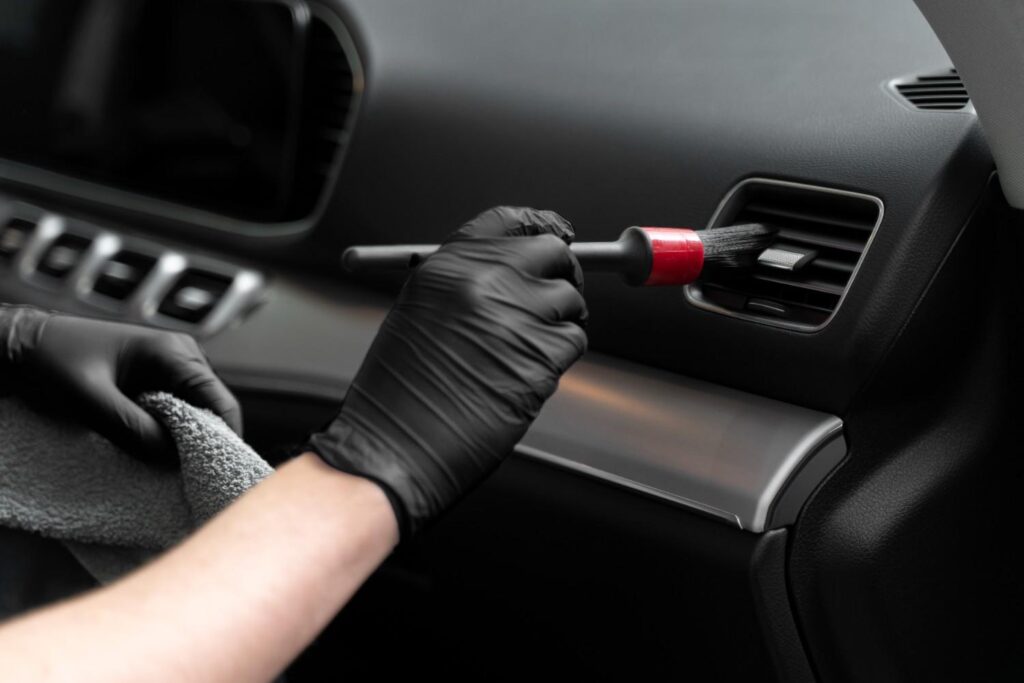
To prevent this, apply a non-greasy interior dressing that contains UV inhibitors. Unlike the oily, shiny products of the past that attracted dust and caused glare, modern interior detailers leave a matte finish that restores the original look of the plastic while providing a sunscreen-like barrier. Treating door panels, consoles, and the dashboard regularly can keep the interior looking new for the life of the car.
7. Crystal Clear Glass Care
Clean glass is a safety necessity, yet it is often the most frustrating part of car care due to streaking. The haze on the inside of the windshield is actually caused by “off-gassing” from the dashboard plastics and vinyls, which creates an oily film.
To solve this, use a dedicated automotive glass cleaner (ammonia-free, to be safe on tinted windows) and two microfiber towels. Use the first towel to wipe away the dirt and cleaner, and the second, dry towel to buff the glass to a streak-free shine. Using a waffle-weave towel can also help absorb liquid more effectively without leaving lint behind.
Maintaining a vehicle requires a holistic approach that addresses both the comfort of the cabin and the resilience of the exterior. By adopting methods such as the two-bucket wash, utilizing clay bars, and ensuring surfaces are protected from UV rays and road salts, you can significantly extend the life of your vehicle. Consistent care not only enhances the driving experience but also preserves the financial value of the asset for years to come.