



A road trip is the ultimate adventure, but before you hit the open road, it’s crucial to make sure your car is up for the journey. Proper preparation is key to a safe and stress-free trip. This checklist will guide you through essential vehicle inspections and maintenance, so you can start your adventure with confidence, knowing your car is in top condition.
Pre-Trip Vehicle Inspection
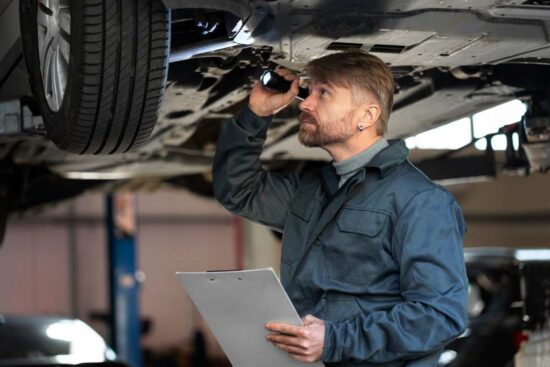
A thorough walk-around inspection is your first line of defense against unexpected car trouble. You don’t need to be a mechanic to spot potential issues. Grab a flashlight and dedicate some time to checking these key components.
Tires
Your tires are the only part of your car that touches the road, so their condition is critical.
- Tire Pressure: Use a quality tire pressure gauge to check that each tire is inflated to the manufacturer’s recommended level, which you can find on a sticker inside the driver’s door jamb. Don’t forget to check the spare tire too!
- Tread Depth: Uneven or low tread can be dangerous, especially in wet conditions. You can use the “penny test” to check your tread. Insert a penny into the tread with Lincoln’s head upside down. If you can see the top of his head, it’s time for new tires.
- Overall Condition: Look for any visible signs of damage, like cracks, bulges, or embedded objects.
Fluids
Your car relies on several fluids to run smoothly. Check them when the engine is cool, and the car is parked on a level surface.
- Engine Oil: Pull out the dipstick, wipe it clean, reinsert it fully, and then pull it out again. The oil level should be between the “Full” and “Add” marks. If the oil is dark and gritty, it might be time for a change.
- Coolant: Look at the see-through coolant reservoir. The level should be between the “Min” and “Max” lines. Low coolant can lead to your engine overheating.
- Brake Fluid: Most cars have a translucent brake fluid reservoir. You should be able to see the fluid level without removing the cap. If it’s low, it could indicate a leak in your brake system.
- Windshield Washer Fluid: This one is simple. Top it off to ensure you can clear away bugs and grime for good visibility.
Brakes
Listen for any unusual noises like squealing, grinding, or clicking when you apply the brakes. If you feel any shuddering or the car pulls to one side when braking, it’s a sign that your brakes need a professional inspection.
Lights and Wipers
Functioning lights are crucial for seeing and being seen.
- Lights: Have a friend help you check all your lights: headlights (both high and low beams), taillights, brake lights, and turn signals.
- Wiper Blades: Check your wiper blades for any signs of cracking or wear. Test them with washer fluid to ensure they clear the windshield effectively without streaking.
Essential Maintenance Tasks
While a visual inspection is helpful, some tasks require a professional touch to ensure your car is truly road-trip ready. Scheduling a service appointment a week or two before your trip is a wise investment.
Oil Change and Filter Replacements
If you’re close to your next scheduled oil change, it’s best to get it done before you leave. Fresh oil is essential for engine health, especially during long hours of highway driving. While you’re at it, have your mechanic check and replace the air and fuel filters if needed.
Clogged filters can reduce fuel efficiency and strain your engine. If you’re expecting complex issues, visiting a dedicated transmission shop in Salt Lake City for a check-up can provide extra peace of mind.
Tune-Ups and Battery Check
A basic tune-up can improve performance and fuel economy. This might include checking spark plugs, belts, and hoses for wear and tear.
Your battery is another critical component. Most auto parts stores can test your battery’s health for free. A weak battery is more likely to fail during a long trip, especially if you’re using electronics to charge devices.
Packing for Safety and Comfort
Once your car is in good shape, it’s time to pack. Beyond your luggage, there are several items you should bring to handle emergencies and make the drive more enjoyable.

Emergency and First-Aid Kits
You can buy a pre-packaged car emergency kit or build your own. Essential items include:
- Jumper cables
- Flashlight with extra batteries
- Basic toolkit (screwdrivers, pliers, adjustable wrench)
- Tire inflator and sealant
- Reflective warning triangles or flares
A well-stocked first-aid kit is also a must-have for any minor injuries.
Navigation and Entertainment
While most smartphones have GPS, it’s smart to have a backup. Download offline maps for your route in case you lose cell service. For entertainment, create playlists, download podcasts, or bring along audiobooks to make the miles fly by. If you have passengers, consider portable chargers and power banks to keep everyone’s devices running.
Safe Driving on the Open Road
Your car isn’t the only thing that needs to be prepared for the journey—so do you. Staying alert and driving defensively will ensure you reach your destination safely.
Drive Defensively and Manage Fatigue
Always be aware of your surroundings. Keep a safe following distance from the vehicle in front of you and be mindful of other drivers’ blind spots. One of the biggest dangers on a road trip is fatigue. Recognize the signs, such as heavy eyelids or frequent yawning. Pull over in a safe location to rest, stretch, or switch drivers. It’s better to arrive a little late than not at all.
Share the Driving Duties
If you’re traveling with another licensed driver, plan to share the driving responsibilities. A good rule of thumb is to switch drivers every two to three hours. This keeps both drivers fresh and alert. Use your breaks to stretch, have a snack, and re-energize before getting back on the road.
Conclusion
Taking the time to prepare your vehicle for a road trip is one of the most important steps in your travel planning. A well-maintained car not only ensures your safety but also provides peace of mind, allowing you to fully immerse yourself in the journey. By following this checklist, you can hit the road with confidence, ready for whatever adventures lie ahead.