



Landscaping is often viewed through a single lens: planting grass, trimming hedges, and making an outdoor space look green. However, the intent behind that greenery changes drastically depending on who owns the property. A cozy backyard retreat serves a completely different purpose than a corporate headquarters or a retail shopping center.
The Heart of Residential Landscaping: Your Personal Sanctuary
Residential landscaping is deeply personal. It is an extension of the living space, designed to reflect the personality, lifestyle, and needs of the people who live there. The primary goal is usually to create a private oasis that serves the family, rather than the public.
Personalization and Lifestyle
In a home setting, the “client” is the family. Design choices are subjective. One homeowner might want a sprawling vegetable garden and a compost system, while another prefers a sleek, minimalist patio with zero-maintenance succulents. The design is tailored to how the residents want to live. Do they entertain often? Do they have pets? Do they need a play area for children? These questions dictate the flow and function of the yard.
Creating a Relaxing Environment
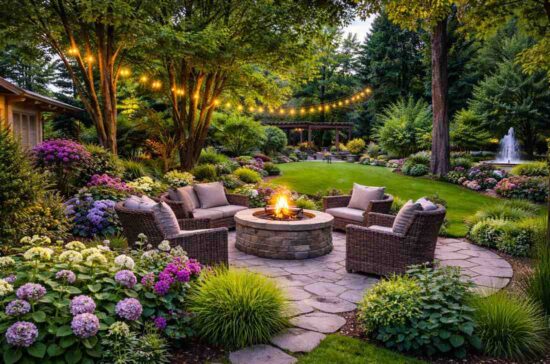
For many, the backyard is a place to decompress. Residential designs often prioritize intimacy and comfort. Privacy hedges, sound-absorbing water features, and cozy fire pits are common elements. The goal is to shut out the noise of the outside world and create a space that feels safe and secluded.
Curb Appeal and Property Value
While the backyard is for the resident, the front yard is often for the neighborhood—and future buyers. Curb appeal plays a massive role in residential design. A well-maintained front garden invites guests in and signals pride of ownership. When it comes time to sell, a strategic landscape design can significantly increase the property’s market value, offering a high return on investment for the homeowner.
Commercial Landscaping: Function Meets Brand Identity
Commercial landscaping operates on a larger, more public scale. The focus shifts from personal preference to business objectives. The landscape must attract customers, keep employees happy, and mitigate liability risks, all while reinforcing the company’s brand.
Functionality and Flow
Commercial spaces are high-traffic zones. The landscaping must direct movement. Walkways need to be wide enough for crowds, and clear visual cues should guide visitors from the parking lot to the entrance. Functionality is paramount; if a beautiful planter blocks the view of the main signage, the design has failed.
Safety and Liability
Safety is a much higher priority in commercial settings due to liability concerns. Business owners must ensure that overgrown shrubs don’t create hiding spots or block sightlines for security cameras. Pathways must remain lit and free of tripping hazards like tree roots or uneven pavers. Additionally, plant choices often exclude anything toxic or thorny that could injure a passerby.
Brand Image and Professionalism
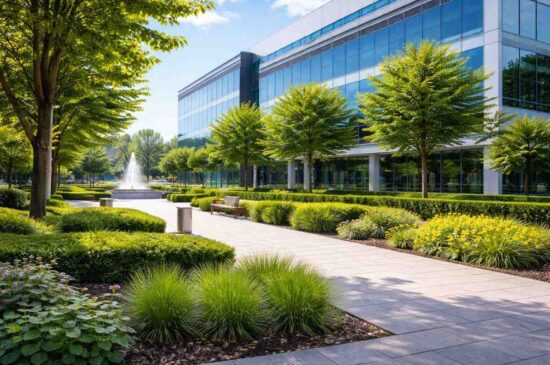
The exterior of a business is the first thing a client sees. It sets the tone before they even walk through the door. A sleek, modern tech company might opt for geometric hardscaping and architectural grasses, while a boutique hotel might choose lush, colorful flower beds to evoke luxury. The landscape is a marketing tool that communicates the company’s values and attention to detail.
Comparing Design Elements
When getting down to the specifics, the choice of materials and layout differs significantly between the two sectors.
Plant Selection
In a residential garden, a homeowner might plant a high-maintenance rose bush simply because they love roses. They are willing to put in the labor of love.
In commercial landscaping, “hardiness” is the watchword. Plants must be durable enough to withstand pollution, heat from pavement, and neglect. Commercial designers often favor native plants and drought-tolerant species that look good year-round with minimal intervention. There is rarely room for delicate flowers that require daily deadheading.
Hardscaping and Infrastructure
Residential hardscaping is often decorative and intimate—think flagstone paths or wooden decks. Commercial hardscaping is heavy-duty. It involves retaining walls, concrete plazas, and vast parking lots. These structures must handle heavy foot traffic and the weight of delivery vehicles, requiring thicker base materials and industrial-grade pavers.
Water Features
A homeowner might install a small koi pond for meditation. A commercial property, however, deals with water on a macro scale. While they might have a grand fountain for aesthetics, they are also likely dealing with large retention ponds and bioswales designed to manage stormwater runoff from large roofs and parking lots, ensuring the property meets municipal drainage codes.
The Maintenance Factor
How these spaces are cared for is perhaps the biggest operational difference.
Residential maintenance is often a mix of DIY enthusiasm and professional help. A homeowner might enjoy mowing the lawn on a Saturday but hire a service for aeration. There is an emotional connection to the work.
Commercial maintenance is strictly business. It is handled by contracted crews who work on a tight schedule, often early in the morning to avoid disrupting business hours. Efficiency is key. For example, homeowners might enjoy browsing for lawn mowers for sale in Midvale on a Saturday morning, but a commercial facility manager simply wants a contract that guarantees the grass is cut before the first employee arrives. Commercial contracts cover everything from snow removal to seasonal color changes, ensuring a uniform appearance 365 days a year.
Cost Considerations and Budgeting
Budgeting strategies for these two categories are distinct.
Residential:
- Budgets are often flexible and project-based.
- Homeowners may phase projects over several years (e.g., do the patio this year, the pool next year).
- Spending is driven by disposable income and emotional desire.
Commercial:
- Budgets are rigid and part of the overall operational expenditure (OpEx) or capital expenditure (CapEx).
- There is a higher upfront cost for materials because durability is non-negotiable.
- The focus is on long-term value and lowering ongoing maintenance costs. A cheaper installation that requires expensive weekly maintenance is considered a bad business decision.
Conclusion
Whether designing a space for a family barbecue or a corporate lunch break, the environment must suit the user. Residential landscaping allows for whimsy, personal touches, and a focus on private leisure. Commercial landscaping demands rigorous attention to safety, brand consistency, and durability.