

When your furnace malfunctions in the middle of winter, you face a simple question: repair or replace? A heating system is a major investment, so making the right choice can save you money and improve your home’s comfort. This guide will help you confidently evaluate your options by outlining the key factors to consider.
Consider the Age of Your Furnace
Your furnace’s age is a crucial factor. With proper maintenance, most furnaces last 15 to 20 years. If your unit is under 10 years old and well-maintained, a repair is often the most cost-effective solution. However, if your furnace is over 15 years old, replacement is likely the smarter long-term choice.
Older systems are less efficient and need more frequent service. Even if one repair fixes the immediate problem, other components may fail soon after. Investing in a new furnace near the end of your old one’s lifespan provides greater reliability and improved energy efficiency.
Evaluate the Cost of Repairs
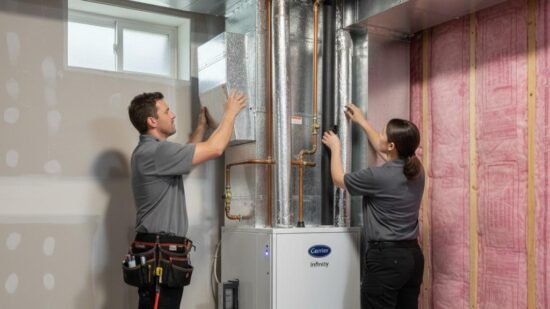
Repair costs vary by issue. Minor problems like a faulty thermostat are usually affordable, making repair a logical choice. However, more serious issues like a cracked heat exchanger can be expensive. Many homeowners follow the “50 percent rule”: if a repair costs more than half the price of a new furnace, replacement is often the better option.
Frequent service calls are another red flag. If you’ve repaired your furnace multiple times in one year, the system may be failing. Comparing these long-term costs can help you avoid spending more on repairs than the furnace is worth.
Energy Efficiency and Utility Bills
Older furnaces are generally less efficient than modern ones. As they age, they have to work harder to generate the same amount of heat, which increases energy consumption and leads to higher utility bills. If your heating costs are rising despite regular maintenance, your furnace may no longer be efficient.
Newer high-efficiency systems convert more fuel into usable heat, reducing energy waste and lowering your monthly bills. Upgrading can lead to long-term savings and also reduces your home’s environmental impact.
Comfort and Performance Issues
Do you have rooms that are too warm while others stay cold? This type of uneven heating can signal declining furnace performance. Older systems often struggle with consistent air distribution, especially when internal components become worn. Other signs of a problem include weak airflow, strange noises, and fluctuating temperatures.
While some issues can be fixed, persistent performance problems suggest that replacement may be the better option. A modern furnace will provide improved airflow, quieter operation, and more consistent temperatures.
Safety Considerations
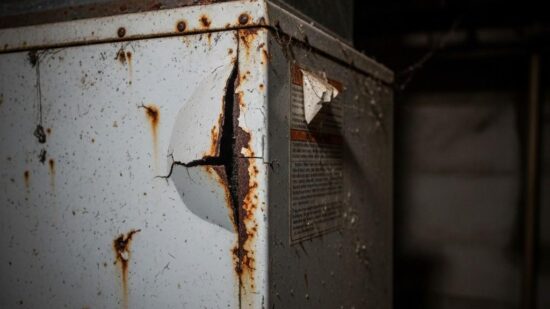
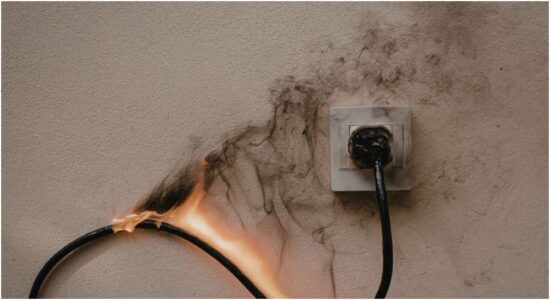
Safety should be a top priority when deciding between furnace repair and replacement. Issues like a cracked heat exchanger, potential carbon monoxide leaks, or electrical malfunctions present serious risks. If a technician finds any safety hazards, replacing the furnace is the safest choice. Modern furnaces come with updated safety features to protect your home and family, offering valuable peace of mind.
Long-Term Plans for Your Home
Your future plans for the home should also influence your decision. If you plan to stay for many years, investing in a new, more efficient, and reliable furnace can provide greater long-term value.
Conversely, if you’re preparing to sell soon, a new furnace can be an attractive feature for potential buyers and boost their confidence. Aligning your choice with your long-term goals ensures you make the most practical decision for your situation.
Professional Evaluation Matters
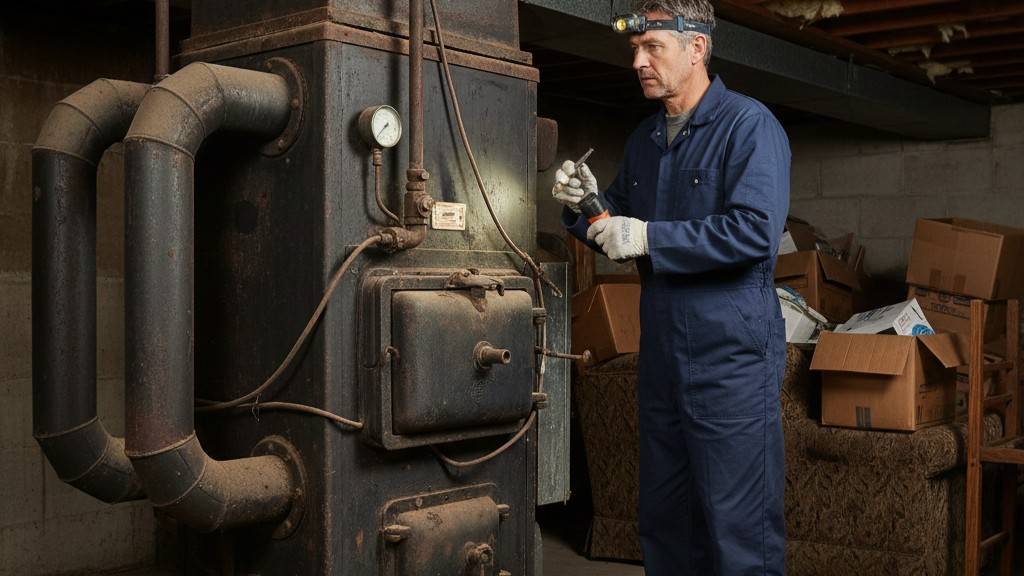
While general guidelines are helpful, every home’s heating needs are different. A qualified HVAC professional can inspect your furnace, assess its condition, and offer recommendations based on its performance, efficiency, and safety. This evaluation will provide a clear understanding of potential repair costs, replacement options, and your system’s expected lifespan.
An expert opinion helps you avoid unnecessary expenses and ensures you have reliable heating throughout the winter. Like an interior designer will know how the heating system affects room design.
Conclusion
Deciding between repairing or replacing your furnace requires a careful look at its age, repair costs, efficiency, safety, and your long-term plans. While minor issues in a newer furnace are often worth repairing, frequent breakdowns and rising energy bills may signal it’s time for a new system.
For homeowners, scheduling furnace repair in Cottonwood Heights at the first sign of trouble can clarify whether a simple fix is enough or if a replacement is the smarter investment. A reliable heating system keeps your home comfortable and safe during the coldest months, and making the right choice today ensures warmth and peace of mind for years to come.