




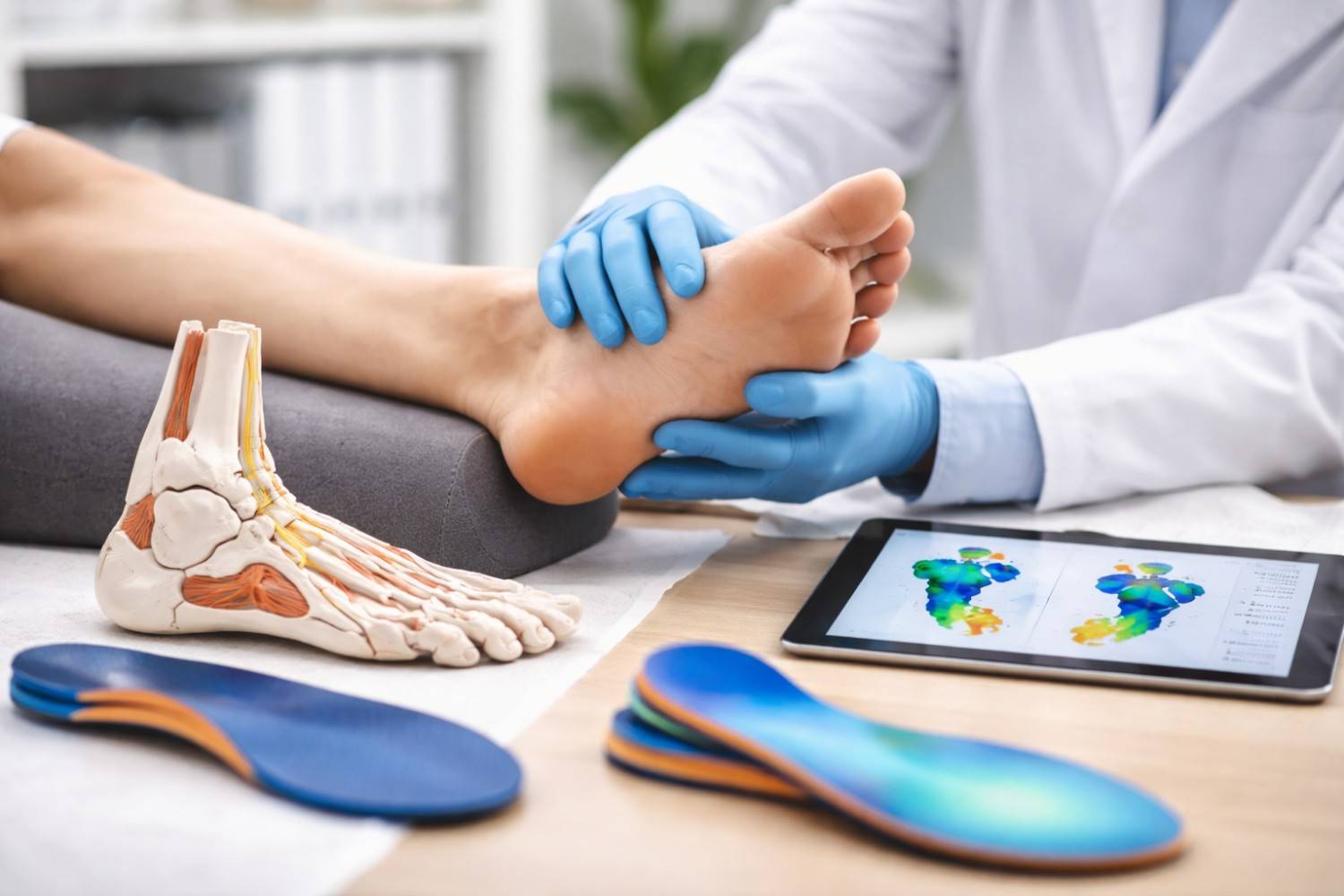
We often take our feet for granted. They carry us through long days, endure rigorous workouts, and squeeze into stylish but sometimes uncomfortable shoes. It’s usually not until pain strikes that we pay them any mind. But by then, a minor annoyance may have already evolved into a chronic issue.
The good news is that foot care has evolved significantly. Gone are the days of generic advice and one-size-fits-all remedies. Today, modern podiatry focuses on precision-driven treatments designed to address the unique biomechanics of your individual feet. This approach not only alleviates pain but also prevents future injuries, ensuring you stay active and mobile for years to come.
Whether you are an athlete looking to improve performance or simply someone who wants to walk without discomfort, understanding the value of precision foot care is the first step toward healthier feet.
The Shift Toward Personalized Foot Care
Historically, treating foot pain often involved broad solutions: rest, ice, or generic shoe inserts bought off the shelf. While these methods can provide temporary relief, they rarely address the root cause of the problem. Every foot is different—arches vary in height, ankles have different ranges of motion, and gait patterns are unique to each individual.
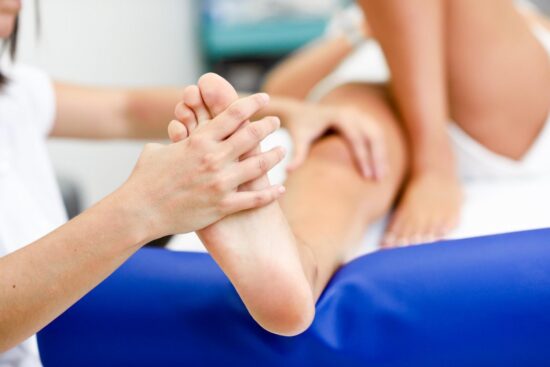
Precision-driven treatments move away from guesswork. By utilizing advanced technology and detailed anatomical assessments, specialists can pinpoint exactly why pain is occurring. Is it a structural imbalance? A gait abnormality? Or perhaps improved footwear is needed?
This targeted approach ensures that the treatment plan is tailored specifically to you. It’s not just about treating the symptom; it’s about correcting the underlying function to promote long-term health.
Advanced Diagnostic Tools
The cornerstone of precision treatment is accurate diagnosis. Modern clinics now employ a range of high-tech tools to get a comprehensive view of your foot health.
Digital Gait Analysis
Walking seems simple, but it is a complex mechanical process. Digital gait analysis uses pressure sensors and high-speed cameras to record exactly how your foot strikes the ground, absorbs shock, and pushes off. This data reveals subtle irregularities in your stride that the naked eye might miss, such as excessive overpronation or supination.
3D Imaging and Scanning
Traditional plaster molds are becoming a thing of the past. 3D scanning technology creates a perfect digital map of your foot in seconds. This allows for the creation of custom orthotics that fit with microscopic accuracy, providing support exactly where your foot needs it most.
Custom Orthotics: More Than Just Arch Support
One of the most common applications of precision foot care is the prescription of custom orthotics. Unlike store-bought insoles, which are designed for the “average” foot, custom orthotics are medical devices manufactured to fit your specific foot contours.
These devices do more than just cushion your step. They can realign the ankle and lower leg, correcting biomechanical faults that cause pain in the knees, hips, and lower back. For runners and active individuals, custom orthotics can improve energy transfer, reducing fatigue and lowering the risk of overuse injuries like plantar fasciitis or shin splints.
Targeted Therapies for Chronic Conditions
Precision medicine isn’t limited to diagnostics and orthotics; it extends to the therapies used to treat ongoing conditions.
Shockwave Therapy
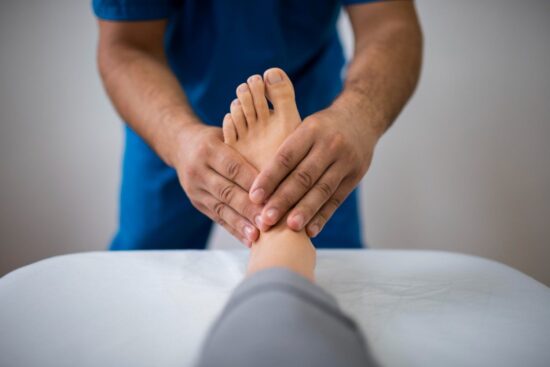
For stubborn soft tissue injuries like Achilles tendonitis or plantar fasciitis, Extracorporeal Shockwave Therapy (ESWT) offers a non-invasive solution. This treatment delivers focused sound waves to the injured area, stimulating blood flow and accelerating the body’s natural healing process. Because the intensity and location can be precisely controlled, it is highly effective for chronic pain that hasn’t responded to conservative treatments.
Laser Therapy
Laser therapy is another precision tool used to treat inflammation and pain. By using specific wavelengths of light, practitioners can target deep tissue layers to reduce swelling and promote cell regeneration. It is particularly useful for arthritis pain and post-surgical recovery.
The Importance of Professional Guidance
While technology plays a massive role in modern foot care, the expertise of a specialist is irreplaceable. Interpreting data from gait analyses and 3D scans requires a deep understanding of human anatomy and biomechanics.
If you are experiencing persistent foot pain, it is essential to seek professional help rather than relying on home remedies. For those living in Utah County, finding a qualified podiatrist in Orem can provide access to these advanced diagnostic and treatment options. A specialist can integrate technology with clinical experience to build a roadmap for your recovery.
Prevention is Better Than Cure
Precision-driven treatments are not just for fixing problems; they are excellent tools for prevention. By analyzing your gait and foot structure before pain begins, you can identify potential risk factors.
For example, if a scan reveals that you have a tendency to roll your ankles inward, you can proactively use specific strengthening exercises or supportive footwear to prevent future injuries. This proactive mindset is essential for anyone who relies on their physical health for work or recreation.
Walking Toward a Pain-Free Future
Your feet are the foundation of your body. When they suffer, your overall quality of life suffers. The transition to precision-driven foot care represents a significant leap forward in how we maintain mobility and comfort.
By embracing advanced diagnostics, custom solutions, and targeted therapies, you can address issues at their source rather than just managing symptoms. Don’t let foot pain dictate your lifestyle. Seek out modern, personalized care to ensure every step you take is a healthy one.