


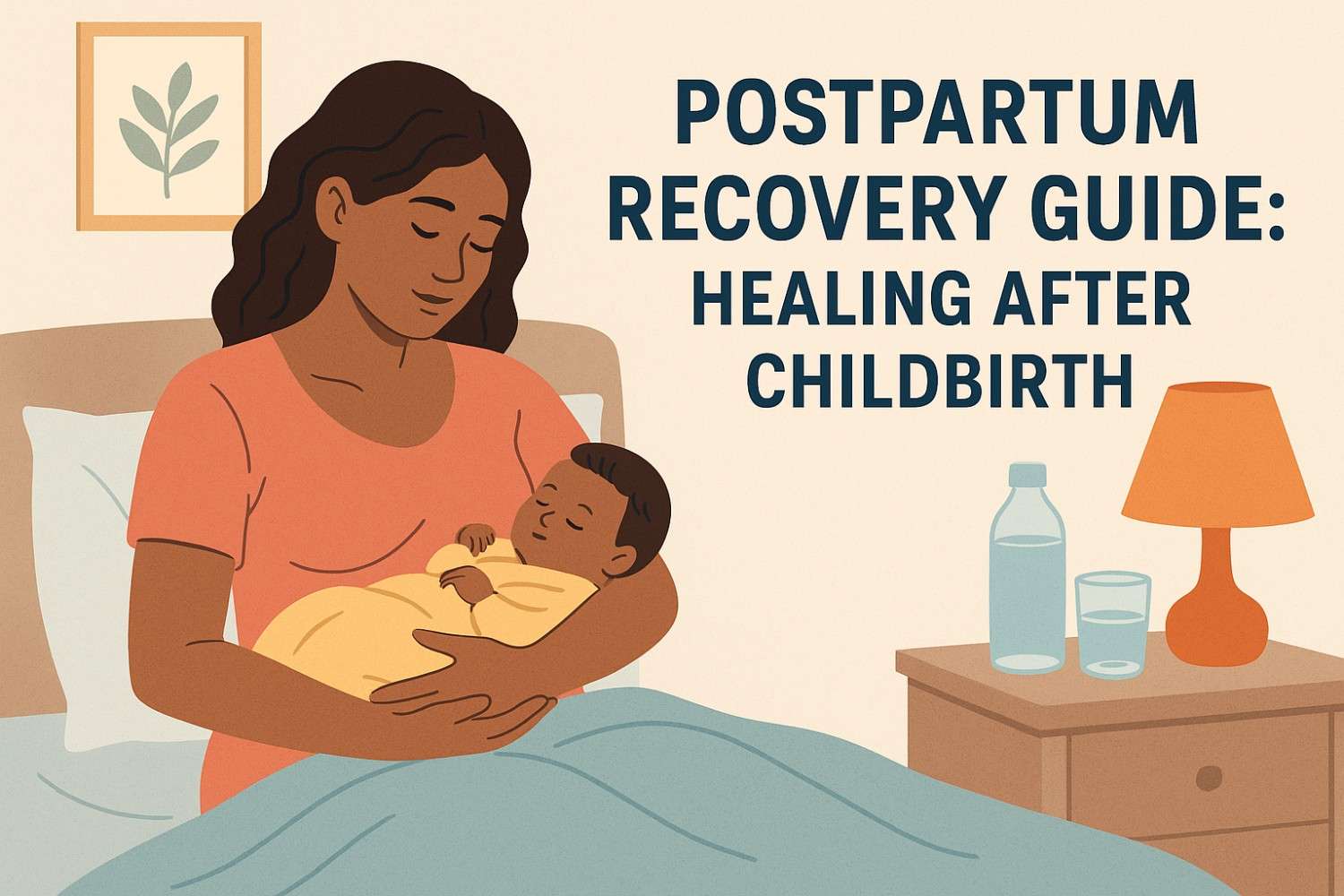
Once your baby arrives, it’s easy to forget that you’ve just been through a major medical event. The postpartum period is a crucial time for healing, but society often sets unrealistic expectations. Understanding what’s happening to your body can empower you to recover with grace. This guide explores the physical and emotional realities of life after pregnancy and the self-care strategies you need to heal.
Physical Changes and the Road to Healing
The first few weeks postpartum are a period of rapid physical transition. Your body, which spent nine months adapting to grow a life, is now working overtime to reverse those changes.

Uterine Involution and Afterpains
One of the most immediate changes involves your uterus. Immediately after delivery, it begins a process called involution, where it shrinks from the size of a watermelon back to the size of a pear. This process takes about six weeks. You might feel cramping, known as “afterpains,” particularly while breastfeeding. This is actually a positive sign that your uterus is contracting and clamping down to prevent excessive bleeding.
Postpartum Bleeding (Lochia)
Regardless of how you delivered, you will experience vaginal discharge known as lochia. This is how your body sheds the lining of the uterus.
- Days 1-3: Lochia rubra is dark red and heavy, similar to a strong period.
- Days 4-10: Lochia serosa becomes pinkish-brown and lighter in flow.
- Weeks 2-6: Lochia alba is a yellowish-white discharge that eventually tapers off.
If you notice large clots or if you are soaking through a pad in an hour, contact your healthcare provider immediately.
Perineal and C-Section Recovery
For vaginal deliveries, the perineum (the area between the vagina and anus) may be swollen, bruised, or torn. If you had stitches, keeping the area clean with a peri-bottle and using ice packs can reduce swelling. Sitting on a donut pillow can also alleviate pressure.
If you underwent a Cesarean section, you are recovering from major abdominal surgery. The incision site requires careful monitoring for signs of infection, like redness or oozing. Numbness around the scar is common and may last for months. Avoid heavy lifting and driving until cleared by your doctor to ensure the internal and external stitches heal correctly.
Long-Term Body Changes
Your abdominal muscles stretched significantly during pregnancy. Many women experience diastasis recti, a separation of the abdominal muscles that can cause a “pooch.” While specific exercises can help close this gap, patience is key. Your skin may also retain stretch marks or a loose texture.
For some mothers, the physical changes—such as stubborn pockets of fat or significant loose skin—persist long after the initial recovery phase. Once they have finished having children, some women choose to explore surgical options, commonly referred to as a mommy makeover, like those in Utah, to address these specific concerns. However, in these early months, your primary focus should simply be on rest and allowing your body’s natural healing processes to take over.
Navigating Emotional and Mental Well-being
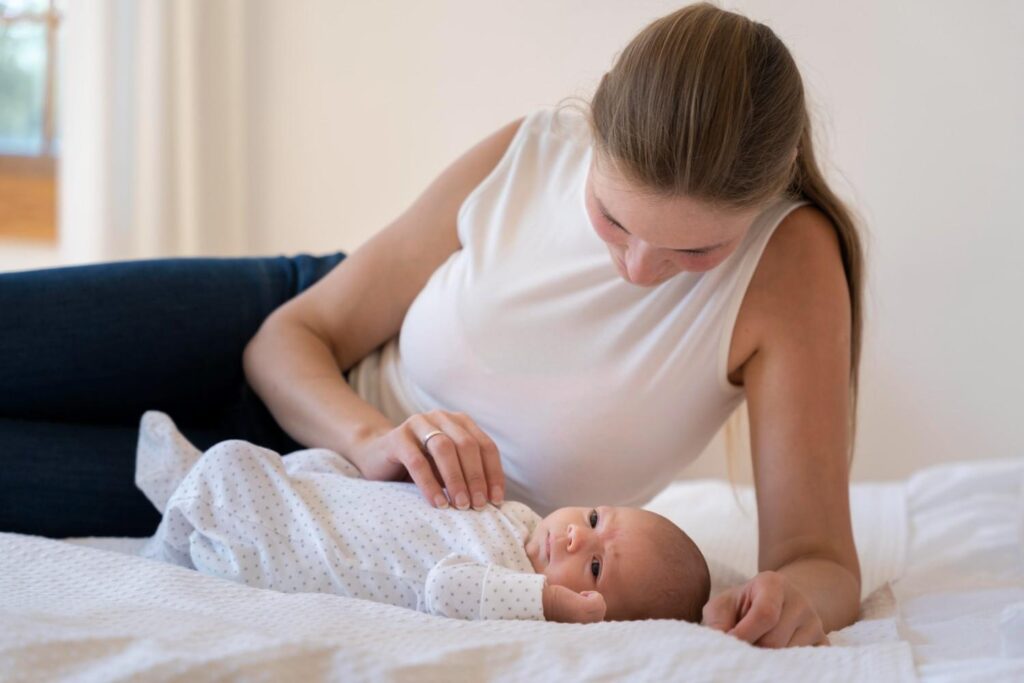
Hormones play a massive role in how you feel postpartum. After the placenta is delivered, levels of estrogen and progesterone plummet, which can trigger significant mood swings.
The “Baby Blues”
It is estimated that up to 80% of new mothers experience the “baby blues.” Symptoms include crying spells, anxiety, irritability, and restlessness. These feelings typically appear a few days after birth and resolve on their own within two weeks. They are a normal reaction to hormonal shifts and sleep deprivation, not a sign of failure.
Postpartum Depression and Anxiety
If feelings of sadness or anxiety persist past two weeks or interfere with your ability to care for yourself or your baby, it may be Postpartum Depression (PPD) or Postpartum Anxiety (PPA). Unlike the blues, these conditions require treatment.
- PPD symptoms: Severe mood swings, withdrawal from family, difficulty bonding with the baby, or thoughts of harming yourself or the baby.
- PPA symptoms: Constant worry, racing thoughts, or an inability to sit still or sleep even when the baby is sleeping.
Reaching out for help is an act of strength. Therapy, support groups, and medication are effective treatments that can help you feel like yourself again.
The Identity Shift
Beyond clinical definitions, there is a profound identity shift known as “matrescence.” You are getting to know a new baby, but you are also getting to know a new version of yourself. It is normal to grieve your old life—the spontaneity, the sleep, and the independence—while simultaneously loving your child. This emotional duality is a natural part of the process.
Fueling Recovery Through Nutrition and Movement
Your body has been through a marathon. Just as an athlete needs fuel to recover, so do you.

Nutritional Needs
Focus on nutrient-dense foods that promote healing.
- Protein: Essential for tissue repair. Include lean meats, beans, eggs, and tofu in your meals.
- Iron: You lost blood during delivery, so replenishing iron stores is vital to fighting fatigue. Leafy greens, red meat, and fortified cereals are good sources.
- Hydration: This is non-negotiable, especially if you are breastfeeding. Nursing burns roughly 500 calories a day and requires significant fluid intake. Keep a large water bottle nearby at all times.
- Fiber: Constipation is a common postpartum struggle, especially if you are taking iron supplements or pain medication. High-fiber foods like oats, fruits, and vegetables help keep things moving comfortably.
Returning to Exercise
The phrase “listen to your body” has never been more applicable. For the first few weeks, your only exercise should be short, gentle walks. Movement increases blood flow, which aids healing and boosts mood, but overdoing it can increase bleeding and delay recovery.
Once you receive clearance at your six-week checkup, you can slowly reintroduce other activities.
- Pelvic Floor Exercises: Kegels and specific breathing exercises can help strengthen the pelvic floor, which supports your bladder and uterus.
- Low Impact Cardio: Swimming (once bleeding stops) and stationary cycling are gentle on joints.
- Strength Training: Focus on bodyweight exercises first. Be mindful of your core; avoid traditional crunches if you have diastasis recti, as they can worsen the separation.
Prioritizing Sleep and Rest
Sleep deprivation is perhaps the most notorious aspect of early parenthood, but it is also a significant barrier to physical and mental recovery.
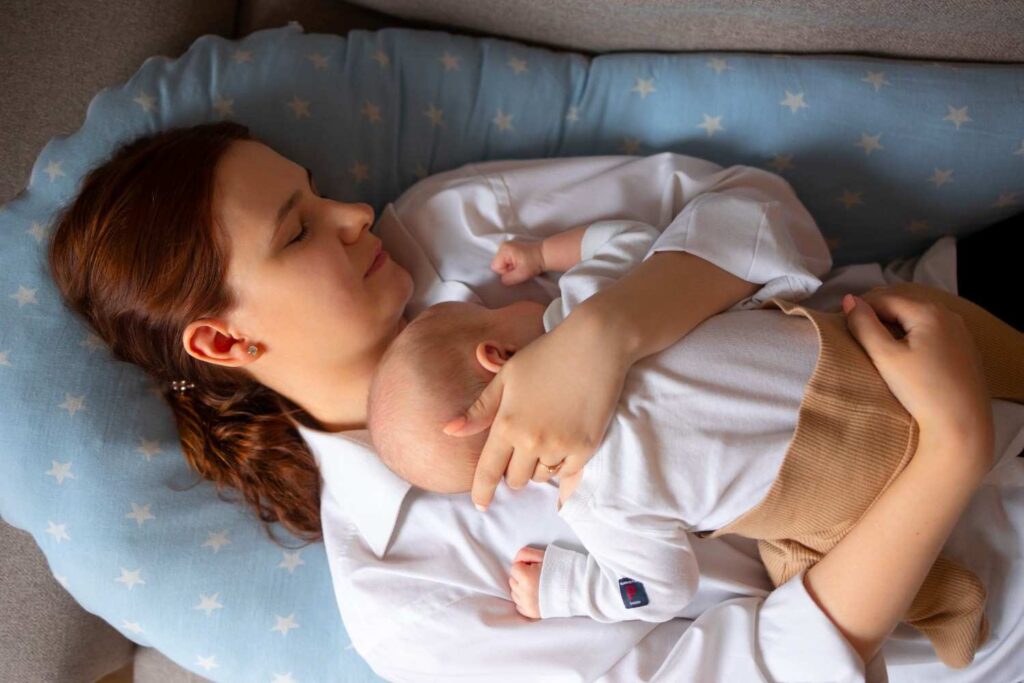
The Biology of Sleep Deprivation
Fragmented sleep affects your cognitive function, emotional regulation, and immune system. While getting eight consecutive hours might be impossible, prioritizing rest is essential.
Strategies for Rest
- Shift Work: If you have a partner, consider splitting the night into shifts. One person is “on duty” from 8 PM to 1 AM, and the other takes 1 AM to 6 AM. This guarantees each parent a solid block of uninterrupted sleep.
- The Nap Strategy: The advice to “sleep when the baby sleeps” is often met with eye rolls because it’s when most moms try to shower or clean. However, in the first month, try to dedicate at least one of the baby’s naps to your own rest, even if you just lie down with your eyes closed.
- Outsourcing: If friends or family offer to help, let them hold the baby while you nap. Do not use that time to host them or clean the kitchen. Your recovery is the priority.
Conclusion
Be patient with yourself. Treat yourself with the same care you give your newborn. Recovery is a season, not a race. By focusing on physical healing, honoring your emotions, and nourishing your body, you set the stage for a healthy, vibrant future for you and your child.