
Owning a vehicle is a significant investment. For many people, it is the second most expensive purchase they will make, right after buying a home.
Keeping that investment running smoothly for as long as possible makes financial sense. The secret to longevity is not just buying a reliable model but committing to a consistent maintenance routine.
Regular upkeep prevents minor issues from becoming major repairs and ensures that every system in your vehicle functions efficiently.
The Heart of the Vehicle: Engine Health
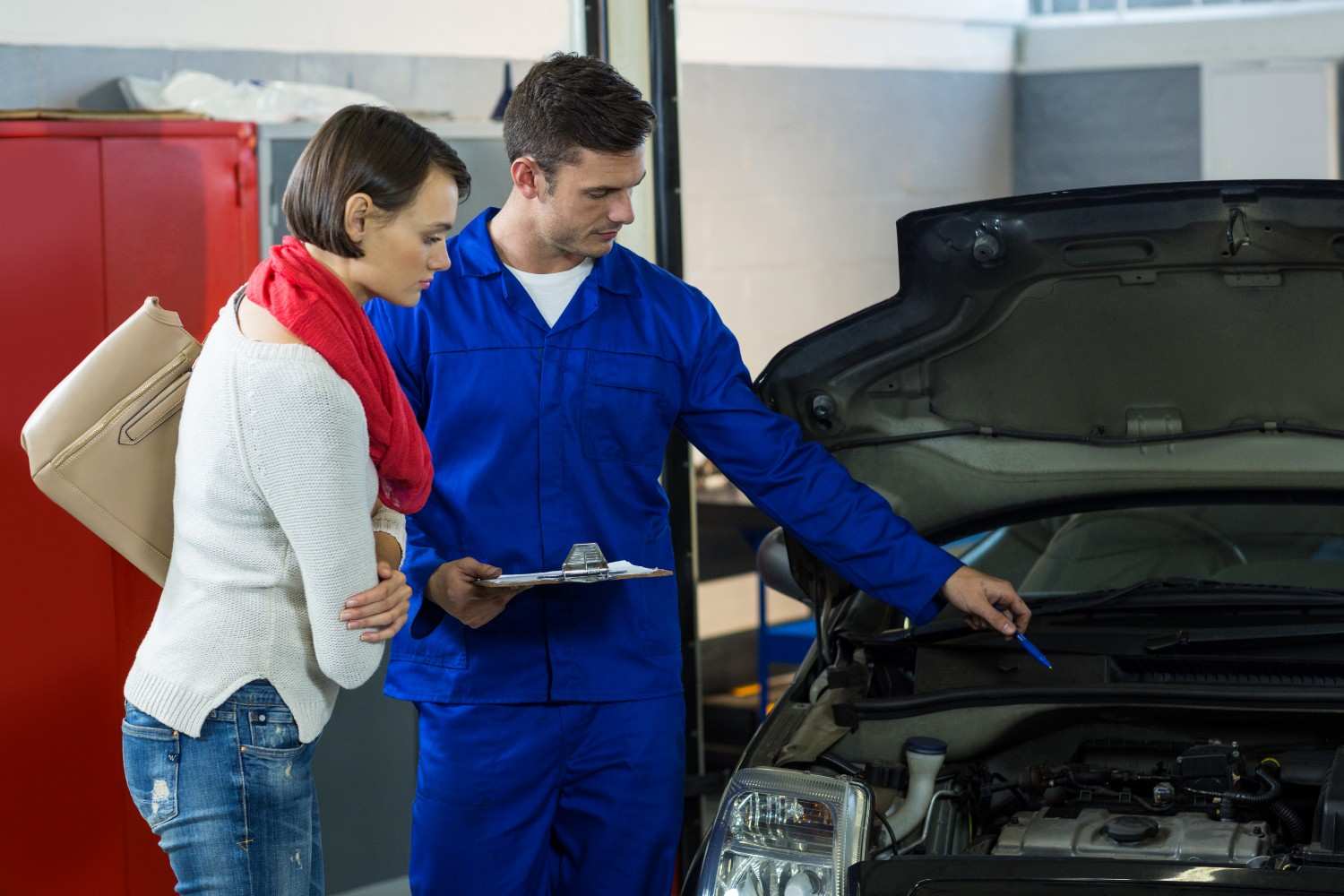
The engine is the most critical component of your car. Neglecting it is the fastest way to shorten the life of your vehicle.
Prioritize Oil Changes
Oil is the lifeblood of your engine. It lubricates moving parts, reduces friction, and helps regulate temperature. Over time, oil breaks down and becomes contaminated with dirt and debris.
If you do not change it regularly, this sludge can clog the engine, leading to increased wear and potential failure.
Following the manufacturer’s recommended schedule for oil changes is the single most effective step you can take to keep your engine running for hundreds of thousands of miles.
Monitor Fluid Levels
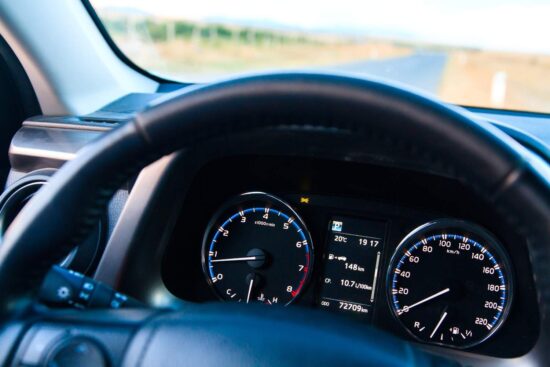
Beyond oil, your car relies on several other fluids to operate correctly. Coolant prevents the engine from overheating, while transmission fluid ensures smooth gear shifts.
Brake fluid and power steering fluid are equally vital for safety and control. Checking these levels regularly and topping them off when necessary prevents systems from running dry and suffering irreversible damage.
Safety and Stability: Tires and Brakes
Your car’s ability to move and stop safely depends entirely on the condition of your tires and brakes. These components endure constant stress and require regular attention.
Maintain Proper Tire Pressure
Under-inflated tires increase rolling resistance, which forces the engine to work harder and burn more fuel. This extra strain can wear down engine components prematurely.
Additionally, improper inflation leads to uneven tread wear, shortening the life of the tires themselves. Rotating your tires every 5,000 to 8,000 miles ensures they wear evenly, providing better traction and extending their usability.
Inspect Brake Components
Brake pads and rotors wear down with every stop. Ignoring the squealing or grinding sounds of worn brakes can lead to damage in other parts of the braking system, such as the calipers.
Regular inspections allow you to replace pads before they damage the rotors, saving you money and ensuring your vehicle remains safe to drive.
Addressing Exterior and Structural Integrity
While mechanical maintenance is obvious, the structural and exterior condition of your car also impacts its lifespan. Rust and body damage can spread if left unchecked, compromising the vehicle’s integrity.
Protect the Body and Glass

Washing your car regularly removes road salt, bird droppings, and tree sap, all of which can damage the paint and lead to rust. The glass components are just as important for structural safety.
A small chip in your windshield might seem minor, but temperature changes can quickly turn it into a large crack that impairs visibility and structural strength.
In some areas where road debris is common, services like windshield replacement in Tooele are essential for maintaining the safety integrity of the vehicle cabin. Addressing glass damage early prevents moisture from leaking into the car, which could damage the interior electronics and upholstery.
Listen to Your Car
Modern vehicles are equipped with sophisticated sensors that alert you to problems before they become critical. Never ignore a “Check Engine” light or other warning symbols on your dashboard. These alerts are designed to help you catch issues early.
Furthermore, pay attention to unusual noises, vibrations, or smells. A sweet smell could indicate a coolant leak, while a rhythmic clicking might suggest an axle issue. catching these symptoms early can save the car from catastrophic failure.
Conclusion
Extending your car’s lifespan is not about luck; it is about discipline. By staying on top of oil changes, monitoring fluids, caring for your tires, and addressing exterior issues promptly, you can keep your vehicle on the road for years longer than average.
A well-maintained car is safer, more reliable, and retains its value better than one that has been neglected. Treat your vehicle with care, and it will return the favor with reliable performance for many miles to come.