




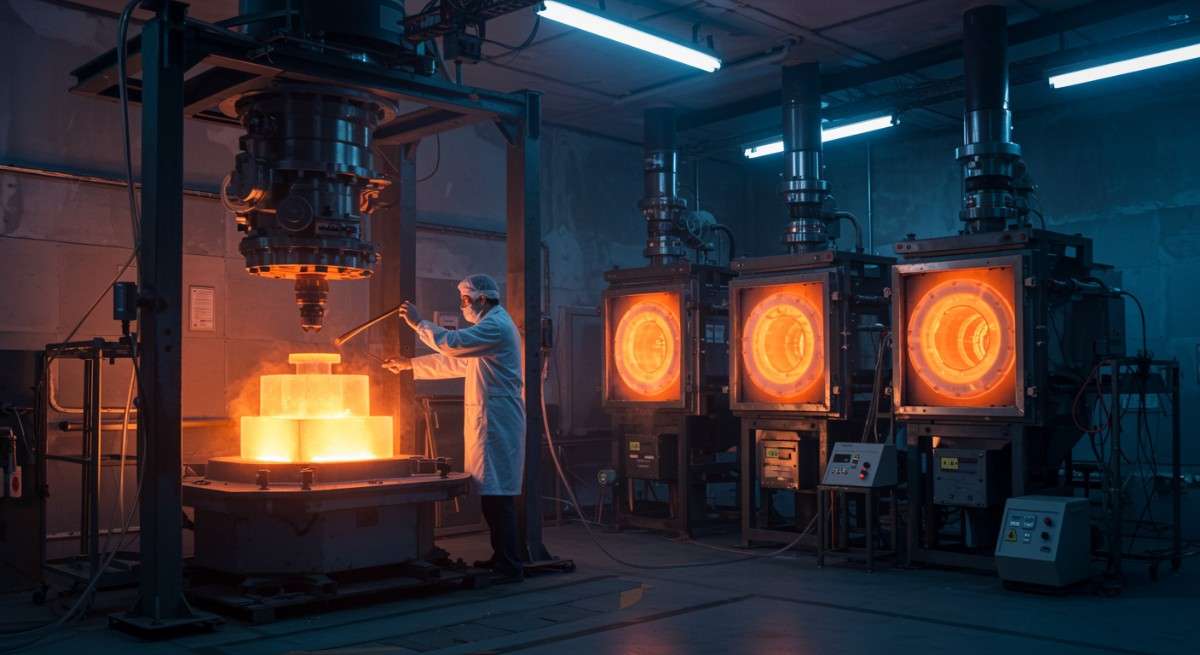
Modern manufacturing relies heavily on the building blocks used to construct heavy machinery, aerospace components, and electronic devices. Standard metals and plastics often fail under extreme stress or high temperatures. This reality drives engineers to develop materials that can withstand intense conditions while maintaining structural integrity.
This post explains the scientific principles behind these advanced elements. You will learn about their unique properties, how molecular structures dictate their function, and why they bring immense value to industrial applications.
What Defines High-Performance Materials
Engineers evaluate industrial materials based on specific operational criteria. Standard construction materials typically offer an average balance of strength and weight. High-performance components push these boundaries significantly. They provide exceptional resistance to heat, chemical corrosion, and physical wear. These enhanced properties allow factories to operate machinery at higher speeds and temperatures without experiencing frequent breakdowns.
Strength and Durability Factors
The secret to durability always lies in atomic bonds. Materials with tightly packed atomic structures resist physical deformation. When factories use these robust compounds, they drastically reduce maintenance costs and extend the lifespan of their expensive equipment.
The initial financial investment in superior components pays off quickly by minimizing unexpected operational downtime and reducing the need for constant part replacements. Manufacturers improve product longevity with stronger atomic structures.
The Role of Carbon in Advanced Manufacturing
Carbon serves as the foundation for some of the most impressive industrial materials available on the market. Its natural ability to form strong covalent bonds with other elements makes it incredibly versatile.
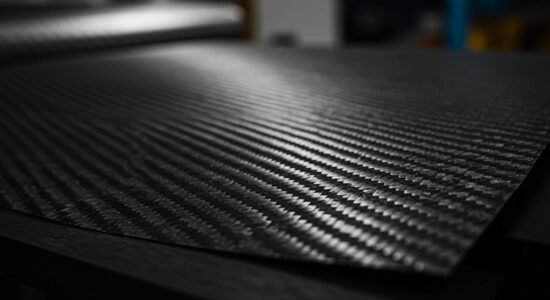
Carbon fibers, for example, offer a significantly higher strength-to-weight ratio than traditional steel. This specific characteristic is important for industries where reducing overall weight directly improves fuel efficiency and travel speed.
Understanding Molecular Structures
Creating superior carbon components requires specific raw ingredients and highly controlled manufacturing environments. Manufacturers often process heavy petroleum residues to create specialized precursors for carbon fibers. One highly valued precursor is mesophase pitch, which possesses a highly ordered molecular structure.
This orderly arrangement allows the resulting carbon fibers to conduct heat and electricity exceptionally well. By controlling the molecular alignment during production, scientists can dictate exactly how the final product will perform under extreme physical pressure.
Thermal Management and Conductivity
Industrial machinery generates massive amounts of thermal energy. If this heat stays trapped inside an engine or a circuit board, it can easily melt components or cause catastrophic system failures. Advanced materials address this persistent problem by providing superior thermal conductivity. They pull heat away from sensitive areas and distribute it safely into the surrounding environment.
Applications in Extreme Environments
You will find these heat-resistant compounds inside jet engines, power generation plants, and high-speed commercial braking systems. They maintain their physical shape and operational strength even when exposed to temperatures that would quickly liquefy standard commercial metals.
This incredible thermal stability ensures that critical safety systems remain fully functional during intense operations.
The Future of Industrial Efficiency
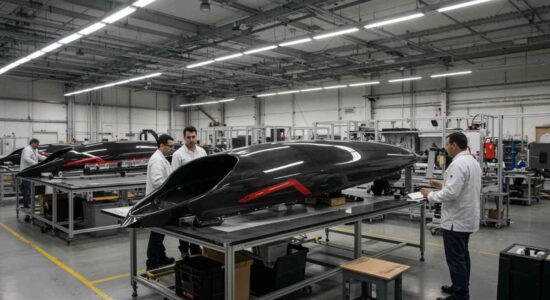
The continuous push for better mechanical efficiency drives material science forward. Researchers constantly experiment with new composite blends to achieve lighter, stronger, and more resilient products. As these advanced materials become easier to produce in large quantities, they will eventually replace conventional options in everyday manufacturing facilities.
Lighter parts require significantly less energy to move. Stronger parts require far fewer replacements over a ten-year cycle. Together, these practical benefits lead to a much more sustainable industrial sector. Factories can produce more commercial goods while using fewer natural resources and generating less physical waste.
Conclusion
Advanced materials form the backbone of modern industrial progress. Their unique atomic structures and incredible physical durability allow machines to operate safely in the most extreme environments imaginable.
Here is a summary of the key points:
- High-performance materials offer superior resistance to heat, caustic chemicals, and intense physical stress.
- Tightly packed atomic bonds provide the exceptional strength needed for heavy manufacturing machinery.
- Carbon-based materials provide an unmatched strength-to-weight ratio for the transportation and aerospace sectors.
- Proper thermal management prevents massive equipment failure during high-temperature factory operations.
- Investing in advanced components leads directly to better energy efficiency and greatly reduced maintenance costs.
Understanding the science behind these compounds helps facility managers make smarter engineering choices. The continuous improvement of material properties will keep driving innovation and safety across all manufacturing sectors.