
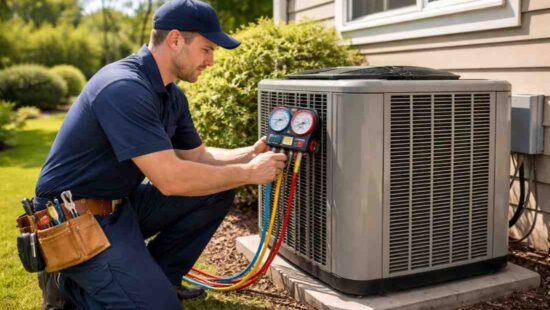
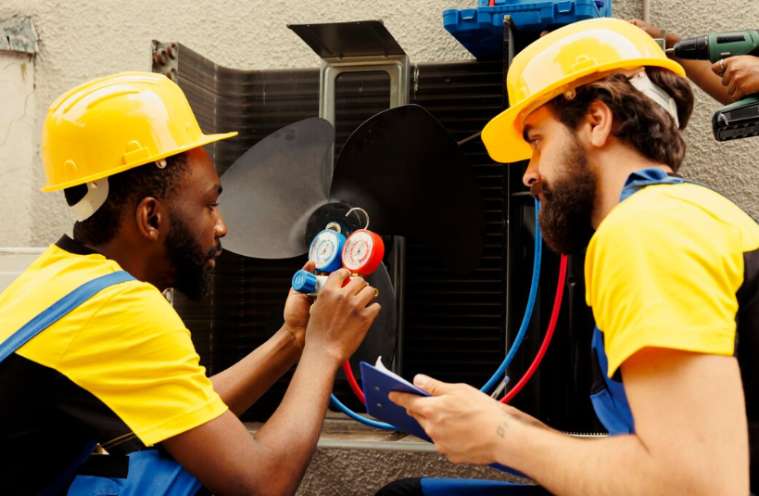
An HVAC system rarely breaks without a reason. Small issues tend to build quietly until they turn into noticeable problems. Regular upkeep keeps everything running as expected, but skipping it can lead to trouble. Many homeowners only realize the impact when comfort levels start to drop.
Higher Energy Bills Start to Show Up
Energy costs often rise when an HVAC system loses efficiency. Dust buildup and worn components force the unit to work harder than necessary. In many cases, systems maintained by providers like core hvac tend to highlight this shift through steady increases in monthly bills. The change may seem small at first but becomes hard to ignore over time.
When efficiency drops, the system uses more power to maintain the same temperature. This added strain can lead to further wear on internal components. Over time, the cost of wasted energy adds up quickly. Regular service helps prevent this cycle from developing.
Airflow Issues Affect Indoor Comfort
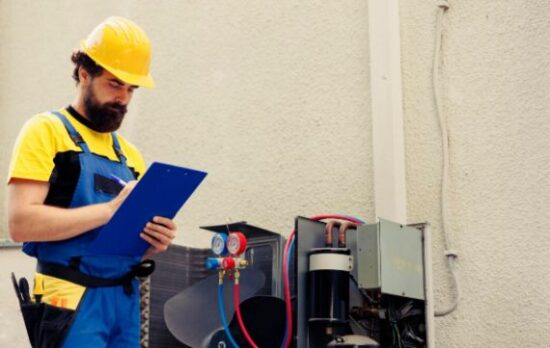
Weak airflow can make rooms feel uneven and uncomfortable. Some areas may feel too warm, while others remain cooler. This imbalance often points to clogged filters or blocked ducts. Without maintenance, these issues tend to worsen.
Poor airflow also affects how quickly a space reaches the desired temperature. The unit may run longer to achieve the same result. This can increase wear on key components. A simple checkup can help restore proper circulation.
Dirt and Debris Reduce System Efficiency
Dust and debris can collect inside the unit over time. This buildup affects how well each component performs its function. When parts become dirty, efficiency begins to decline. The system may struggle to keep up with regular demand.
How Buildup Affects Performance
Air filters, coils, and vents all play a role in HVAC efficiency. When these areas collect dirt, airflow becomes restricted. This forces the unit to work harder during each cycle. Clean components support smoother and more reliable operation.
Ignoring this buildup can lead to uneven cooling or heating. It may also affect indoor air quality. Over time, the system becomes less effective at maintaining comfort. Regular cleaning helps prevent these issues from taking hold.
Unexpected Breakdowns Become More Likely
A lack of maintenance increases the chance of sudden failure. Small problems that go unnoticed can turn into major faults. Components may wear out faster without proper care. This can lead to breakdowns at inconvenient times.
Here are common issues linked to skipped maintenance:
- Overheated components due to restricted airflow
- Worn belts or motors that fail without warning
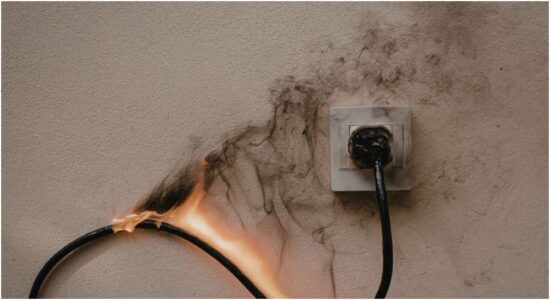
- Electrical connections that loosen over time
- Refrigerant levels that drop below normal
- Thermostat issues that affect system control
These problems often appear without clear warning signs. Routine checks can help catch them early. Many homeowners only realize the impact of skipped maintenance when comfort levels start to drop. Knowing what services you expect from an HVAC company—like thorough inspections, system cleaning, and performance checks—can help you stay ahead of issues before they escalate.
Shortened Lifespan of the HVAC System
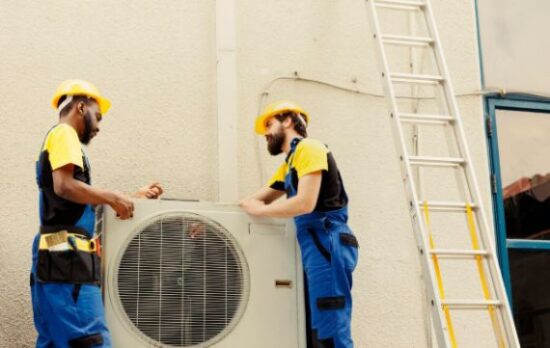
Every HVAC has a limited lifespan, and without maintenance, that lifespan can shorten significantly. Constant strain and unresolved issues speed up wear on internal parts. This can lead to early replacement.
A well-maintained system tends to last longer and perform better. Skipping service can reduce its reliability over time. Frequent repairs may become necessary as the system ages faster. Keeping up with maintenance helps extend its useful life.
Skipping regular service can affect comfort, efficiency, and system lifespan. Over time, these issues can lead to higher costs and frequent breakdowns. Many homeowners turn to premium services like core HVAC when these problems become noticeable. Staying consistent with maintenance helps avoid these setbacks and keeps the system working as expected.