

Property investors frequently search for strategies that improve rental income without increasing rent or adding new expenses. Tax planning plays a powerful role in this effort because it can reshape how income appears on annual returns. A carefully structured depreciation strategy allows property owners to keep more of their earnings while maintaining stable rental pricing.
Many investors overlook how Tax Depreciation Schedules influence short-term profitability. These schedules allocate the gradual decline in property value across several years, which creates deductions that reduce taxable income. Greater deductions translate into lower current-year tax obligations, which directly improves rental return on investment.
Depreciation Deductions Increase Immediate Cash Flow
Rental income may appear strong on paper, yet taxes can reduce the amount that actually stays in an investor’s pocket. Depreciation deductions change this equation because the tax system recognises the wear and aging of building components. Those deductions reduce taxable income even when rental payments remain steady.
Lower taxable income leads to smaller tax payments during the current financial year. Extra cash retained after tax improves operational flexibility and strengthens financial stability for property owners. Investors may redirect those savings toward maintenance, loan reduction, or expansion into additional rental properties.
Key Property Components That Qualify for Depreciation
Certain structural and non-structural elements qualify for depreciation deductions. Tax professionals classify these components into categories with different recovery timelines.

Structural building elements
Walls, roofing systems, foundations, and permanent fixtures usually fall into long-term depreciation categories.
Interior fittings and appliances
Items such as ovens, dishwashers, carpets, and blinds typically qualify for shorter depreciation periods.
Electrical and plumbing systems
Wiring, lighting infrastructure, and pipe networks receive depreciation treatment based on estimated service life.
Heating and cooling equipment
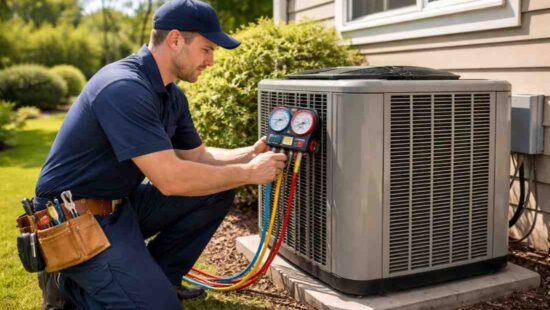
Air conditioning units, ventilation systems, and heating installations contribute to depreciation claims.
Strategic Tax Planning Enhances Annual Profitability
Depreciation works as a timing advantage within property taxation. Rental owners report lower taxable income while the property continues to produce consistent revenue. This balance between recorded expenses and steady rent payments strengthens the financial return from each unit.
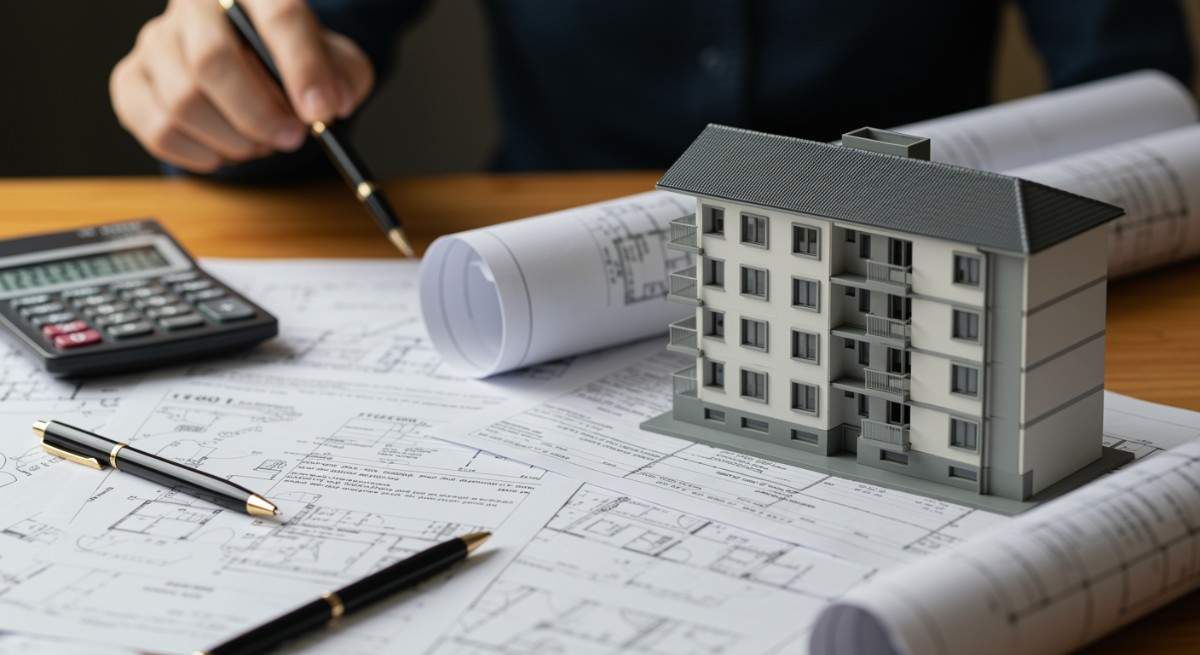
Accountants and quantity surveyors assist with accurate depreciation calculations. Their reports outline component values and expected life spans, which determine annual deduction amounts.
Reliable documentation ensures compliance with tax regulations while helping investors claim every eligible deduction. Depreciation strategies also help investors ease tax problems.
Financial Benefits Investors Gain from Depreciation Strategies
Rental property owners benefit in several ways when depreciation strategies to protect wealth to grow assets becomes part of their financial planning approach.

Reduced taxable rental income
Lower reported income leads to smaller tax liabilities within the current financial year.
Improved after-tax rental returns
Higher retained income increases the effective yield from the property.
Better loan service capacity
Extra cash flow helps investors meet mortgage obligations more comfortably.
Capital reinvestment opportunities
Tax savings provide funds that can support renovations or new acquisitions.
Long-Term Investment Strength Through Accurate Depreciation Records
Reliable depreciation documentation provides benefits beyond annual tax savings. Lenders and financial advisers review property performance when evaluating refinancing or expansion plans. Strong records demonstrate consistent income retention and responsible asset management.
Professional reports also support accurate financial projections. Investors gain a clearer picture of future deductions and tax obligations when structured documentation is available.
Proper planning that includes Tax Depreciation Schedules supports stable rental performance and more confident investment decisions for creating generational wealth.
So, depreciation deductions provide a practical method for improving rental investment performance. Reduced taxable income allows property owners to retain more earnings within the current financial year. Strong tax planning combined with accurate schedules transforms rental properties into more efficient income-generating assets.