



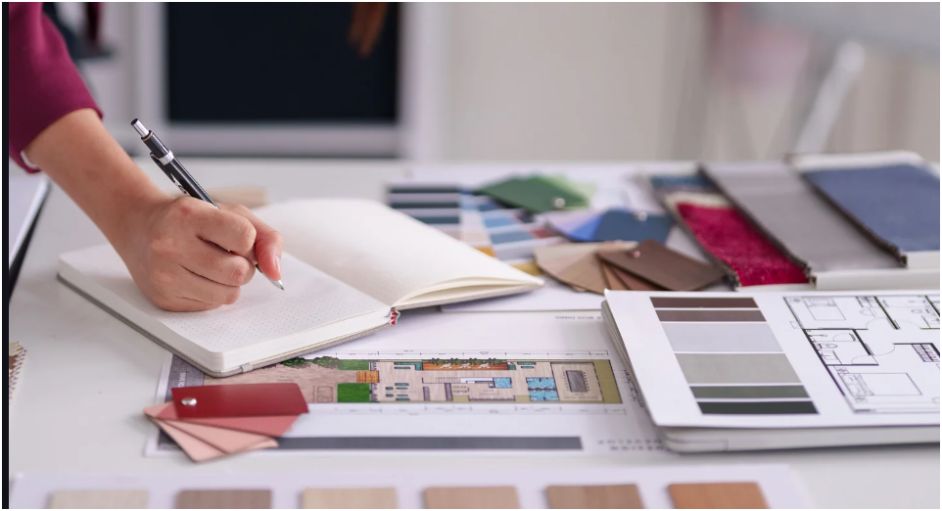
Hiring an interior designer is an exciting step toward creating a space that truly reflects your style and needs. However, the success of the project often depends on the quality of communication before the work even begins.
A designer cannot read your mind, so providing them with clear, comprehensive information is crucial. This preparation ensures that the design process runs smoothly and that the final result aligns with your vision.
To get the most out of your investment, you must be ready to share specific details about your lifestyle, budget, and preferences. Here is what you need to prepare before your first big meeting.
Define Your Functional Needs
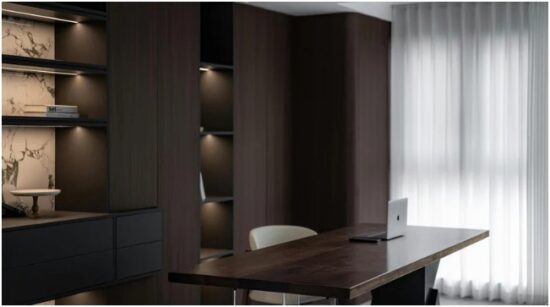
Before discussing colors or fabrics, a designer needs to understand how you live in your home. Aesthetics are important, but functionality is paramount. If a room looks beautiful but does not serve your daily needs, the design has failed.
Daily Routines and Traffic Flow
Think about your typical day. Do you host large dinner parties, or do you prefer quiet nights in? Do you have pets that shed or children who need durable surfaces? Sharing these details helps the designer choose materials that can withstand wear and tear. For example, a white linen sofa might look pristine in a magazine, but it is a nightmare for a family with a muddy golden retriever.
Storage Requirements
Clutter is the enemy of good design. Be honest about your storage needs. If you have a large collection of books, kitchen gadgets, or kids’ toys, let the designer know. They can incorporate built-in cabinetry or clever organizational solutions that keep your items accessible yet out of sight.
Establish a Realistic Budget

Money can be an uncomfortable topic, but transparency is non-negotiable here. A designer needs a clear budget to source appropriate items and manage labor costs effectively.
The Full Scope of Costs
Your budget should cover more than just furniture and paint. You must account for shipping, installation fees, and a contingency fund for unexpected issues. If you have a hard spending cap, state it upfront. This allows the designer to prioritize where to splurge and where to save. They might suggest investing in a high-quality sofa while choosing more affordable lighting fixtures.
Timeline Expectations
Time is money. If you have a strict deadline, such as hosting a holiday gathering or welcoming a new baby, this will influence the feasibility of the project. Custom furniture often has long lead times, so knowing your schedule helps the designer select in-stock items if speed is a priority.
Visualizing Your Style
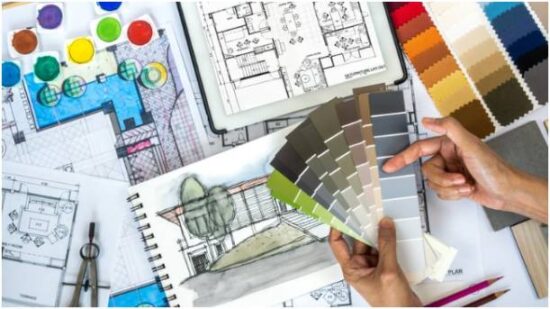
Describing your style with words can be tricky because terms like “modern” or “rustic” mean different things to different people. Visual aids bridge this gap effectively and prevent mistakes while choosing a flooring style.
Inspiration Images
Gather images from magazines, social media, or design websites that appeal to you. Point out specifically what you like in each photo. Is it the mood, the color palette, or a specific piece of furniture? Conversely, showing images of what you hate is just as valuable. Knowing you dislike heavy drapes or glass tables saves time and prevents unwanted proposals.
Existing Furniture and Heirlooms
If you plan to keep certain pieces, your designer needs to know immediately. A grandmother’s antique dining table or a large sectional sofa will dictate the layout of the room. Provide measurements and photos of these items so they can be integrated seamlessly into the new plan.
Architectural and Structural Considerations
Your home’s physical structure sets the boundaries for the design. Providing blueprints or floor plans is helpful, but you should also discuss any planned renovations.
Lighting and Electrical Needs
Lighting significantly impacts the mood of a room. Detailed input on how you use lighting is vital. Do you need bright task lighting for reading or cooking? Do you prefer soft, ambient light for relaxing? Mentioning preferences for smart home integration or specific outlet locations ensures the electrical plan supports your lifestyle.
Material Preferences
Some homeowners have strong feelings about materials due to allergies, sustainability concerns, or maintenance preferences. If you want eco-friendly paints or natural fibers, state this early.
Perhaps you are looking for a specific aesthetic element to anchor a room, such as a fireplace surround made from precast stone from Portland, to add a regional touch. These specific material requests help the designer source the right vendors and artisans.
Conclusion
Preparing for an interior design project requires more than just picking out paint chips. By clearly communicating your functional needs, budget constraints, style preferences, and structural limitations, you empower your designer to do their best work. This partnership relies on trust and information. The more you share upfront, the closer you get to a home that fits you perfectly.