




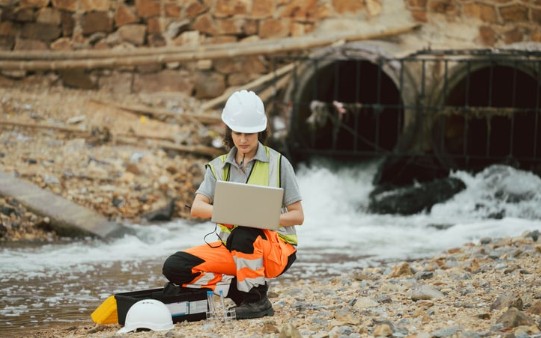
When rain falls on natural landscapes like forests or meadows, it soaks into the ground, where it is filtered by soil and plants before slowly replenishing aquifers and streams. In urban and suburban areas, this natural process is disrupted. Impermeable surfaces like pavement, rooftops, and sidewalks prevent water from being absorbed.
Instead, the rainfall becomes stormwater runoff, a powerful force that picks up pollutants and carries them directly into local waterways. Stormwater compliance is the framework of regulations and practices designed to manage this runoff, and its importance for environmental health cannot be overstated.
Following these regulations is not just about avoiding fines; it is about actively protecting our shared natural resources for future generations.
Preventing Water Pollution
As stormwater flows over developed land, it collects a wide range of contaminants. These include oil and grease from roadways, chemical fertilizers and pesticides from lawns, heavy metals from industrial sites, and bacteria from pet waste.
Unlike the water that goes down the drain in your home, stormwater is rarely treated at a wastewater plant. It is typically channeled through storm drains directly into rivers, lakes, and oceans.

This polluted runoff has severe consequences for water quality. It can make bodies of water unsafe for swimming and fishing, contaminate drinking water sources, and harm aquatic life.
Effective stormwater management plans use best management practices (BMPs) to capture and filter runoff before it reaches natural water systems. These practices help trap sediment and break down pollutants, ensuring that the water re-entering the environment is significantly cleaner.
Protecting Aquatic Ecosystems
The health of aquatic ecosystems is directly tied to water quality. When pollutants enter a stream or lake, they can disrupt the delicate balance of that environment. For example, excess nutrients from fertilizers can trigger massive algae blooms.
When these blooms die and decompose, they consume large amounts of oxygen in the water, creating “dead zones” where fish and other organisms cannot survive.
Sediment is another major threat. Runoff from construction sites and other disturbed land can carry large amounts of dirt and sand into waterways. This sediment clouds the water, which blocks sunlight from reaching aquatic plants.
It can also smother fish eggs and destroy the habitats of bottom-dwelling organisms. Stormwater compliance measures, such as installing silt fences and maintaining vegetation, are critical for keeping soil in place and protecting these fragile ecosystems from harm.
Reducing Flooding and Erosion
In developed areas, large volumes of stormwater are quickly funneled into drainage systems that can become overwhelmed during heavy rain events. When this happens, localized flooding can damage property and create public safety hazards.
The high velocity of concentrated runoff also causes significant erosion along stream banks. This erosion destabilizes the land, destroys habitats, and adds even more sediment to the water.
Modern stormwater management focuses on slowing down and spreading out runoff. Techniques like green infrastructure, which includes rain gardens, permeable pavements, and vegetated swales, help mimic the natural water cycle
. These systems allow water to soak into the ground close to where it falls, which recharges groundwater, reduces the volume of runoff, and mitigates both flooding and erosion.
The Role of Proper Planning
Effective stormwater management begins long before construction starts. It requires careful planning and a commitment to implementing and maintaining control measures.
A Stormwater Pollution Prevention Plan (SWPPP) is a site-specific document that outlines how a project will address runoff. Creating and following this plan is a key part of compliance.
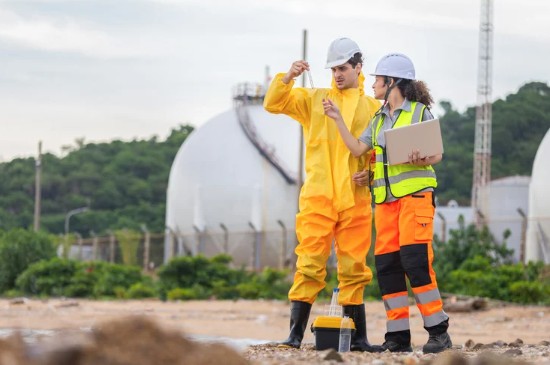
During a project, all control measures must be working correctly. This is why a qualified professional, such as a certified SWPPP inspector, performs regular site evaluations to identify and correct any deficiencies.
This oversight ensures that the plan is not just a document on a shelf but a living strategy that actively protects the environment throughout the project’s lifecycle.
Supporting Sustainable Communities
Stormwater compliance is a cornerstone of sustainable development. By managing runoff effectively, communities can protect their natural resources, enhance public spaces, and improve their resilience to the effects of a changing climate.
Clean rivers and healthy green spaces increase property values and provide recreational opportunities, which contributes to a higher quality of life for residents.
Making stormwater management a priority is a proactive choice to preserve the environment. It ensures that development and ecological health can coexist, creating communities that are not only prosperous but also responsible stewards of the natural world.