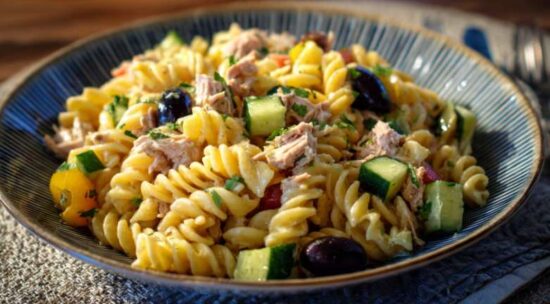





The phrase bhas attracted attention because it reads like a mix of something familiar and something entirely foreign. One part of the phrase is rooted in real language, while the other has no meaning in any linguistic, cultural, or technical context. This contrast creates a sense of mystery, leaving many to wonder whether the phrase is intentional or simply a digital artifact. This article explores what each component represents, why such mismatched combinations appear online, and what readers can take away from examining unusual text fragments like this.
What “Wagerl” Means in Austrian German
The second half of the phrase, wagerl, is grounded in everyday Austrian German. It is the diminutive of Wagen, meaning:
- A small cart
- A trolley
- A supermarket cart
- A pram or baby carriage
Austrian Germans use it casually, much like English speakers use “cart” or “little wagon.” The word is real, functional, and tied to a regional dialect. Its presence in the phrase gives the impression that the entire term might have meaning, which is part of why the combination catches attention.
Why “Blapttimzaq” Has No Meaning at All
Unlike wagerl, the word blapttimzaq does not belong to any known language. It has no dictionary entry, no cultural reference, and no recorded usage in gaming, slang, coding, marketing, linguistics, or online subcultures.
Its features suggest it originated from:
- Random string generation
- A corrupted data scrape
- An auto-created username
- Placeholder or SEO noise text
- Algorithmic content merging
The structure resembles the kind of phonetic cluster machines produce when generating text that only looks language-like. There is no connection between this string and the German noun next to it, which supports the idea that their pairing happened accidentally.
How Phrases Like This Appear on the Internet
Unusual word pairings usually come from environments where text is produced, scraped, or merged automatically. The phrase blapttimzaq wagerl falls neatly into these scenarios.
Auto-Generated SEO Pages
Low-quality sites sometimes publish thousands of pages filled with nonsense words paired with real terms to manipulate search engines. These pages often contain text fragments that look similar to this phrase.
Username and Content Collisions
If a user with a random username posts a comment or review, scraping tools might pull the username into the body text. That creates odd combinations such as a nonsense name followed by a real noun.
Data Scraping Errors
Automated scraping tools sometimes merge labels, descriptions, and surrounding text incorrectly. A fragment containing wagerl could have been concatenated with a corrupted string, producing the accidental phrase.
Is It a Hidden Message or Slang?

There is no indication that the phrase carries hidden meaning or belongs to any established terminology. Extensive checks across language databases, slang archives, technical forums, and niche online communities reveal no intentional use of it anywhere. The pairing of a legitimate word with a meaningless string is a common artifact of scraped text or automated content generation rather than coded communication. Such combinations often appear when data sources merge incorrectly or when low-quality algorithms attempt to mimic natural language. In this case, nothing suggests deliberate design or insider reference—only an accidental digital byproduct.
Breaking Down the Phrase
A closer look illustrates how the two components differ.
Linguistic Breakdown of “Blapttimzaq Wagerl”
| Component | Origin | Meaning | Notes |
| blapttimzaq | None | None | Likely machine-generated or corrupted text |
| wagerl | Austrian German | Small cart, trolley, or pram | Common in informal speech |
| Combined phrase | None | None | No semantic link; appears accidental |
This contrast explains why readers may feel the phrase almost makes sense but ultimately does not.
How Experts Interpret Nonsense-Looking Strings
Researchers and digital analysts classify words like blapttimzaq into several categories.
Machine-Generated Noise
Systems trained to mimic human language often create clusters of letters that resemble words but hold no meaning. These patterns appear in synthetic text, language testing models, and spam generators.
Input or OCR Distortion
Typos caused by keyboard slip, mobile autocorrect failure, or optical character recognition errors can also generate strange strings. The uneven structure of blapttimzaq supports this possibility.
Residual Cyber Footprints
Databases, forums, and automated tools sometimes leave behind random identifiers that later surface in web content through scraping. When paired with a real word, it creates the kind of hybrid fragment seen here.
Why the Two Words Appeared Together
Since wagerl is a legitimate Austrian German word, its appearance likely originated from a nearby sentence, product label, or descriptive tag during a scraping pass. The meaningless string beside it may have come from a username field, metadata snippet, or a corrupted line of text pulled in at the same moment. When automated scraping tools merge fields without clean boundaries, unusual pairings like this surface easily. There is no indication that the two terms were ever connected intentionally. In most cases, combinations like these are simply artifacts of automated data handling rather than purposeful language. They persist online only because scraped or duplicated content often circulates without manual review.
What Readers Can Learn from Text Fragments Like This

When encountering unfamiliar phrases online, readers can evaluate them using three simple checks.
Check for Real Language Elements
A basic dictionary or translation tool can quickly identify whether part of the phrase exists in a known language. In this case, only wagerl does.
Examine the Surrounding Context
Where the phrase appeared matters. If it surfaced on a scraped site, a low-quality blog, or a data-heavy repository, accidental generation is likely.
Consider Algorithmic Origin
If part of the phrase looks synthetic, the entire expression may be the result of machine automation or content merging rather than intentional writing.
FAQs
1. Is “blapttimzaq wagerl” a German phrase?
No. Only wager is German. The first part is not a word in any known language.
2. Could “blapttimzaq” be a distorted version of a real word?
There is no close match to any known English or German word. Its structure aligns with generated or corrupted text rather than a simple typo.
3. Why do real and nonsense words sometimes appear together?
This often happens in scraped content, auto-generated pages, or data collisions. A legitimate word may sit next to random text if two fields merge incorrectly.
4. Does the phrase have meaning in gaming, coding, or online slang?
No established usage appears in any major communities. Instances found online do not show thematic consistency.
Conclusion
The phrase blapttimzaq wagerl is best understood as an accidental combination of a real Austrian German word and a random, meaningless string. The only meaningful component is wagerl, which refers to a small cart or pram. The first part shows every sign of being generated by a machine, corrupted during input, or merged through automated scraping.
Understanding how such fragments form helps readers navigate today’s internet, where machine-generated content and data artifacts appear frequently. Recognizing the difference between deliberate language and accidental combinations makes it easier to evaluate the accuracy and reliability of what appears online.