

A healthy smile is more than just an aesthetic asset; it’s a sign of good overall health. However, many people struggle with common oral health issues like gum disease and tooth decay. These conditions can lead to pain, tooth loss, and even more serious health complications if left untreated.
Understanding Gum Disease and Tooth Decay
Before we explore prevention, it’s important to know what we’re up against. Tooth decay and gum disease are two of the most prevalent oral health problems, but they affect different parts of your mouth.
Tooth decay, also known as cavities or dental caries, is the destruction of your tooth’s hard outer layer, the enamel. It happens when bacteria in your mouth produce acids that eat away at the tooth structure. If not addressed, decay can progress deeper into the tooth, causing pain, infection, and eventually, tooth loss.
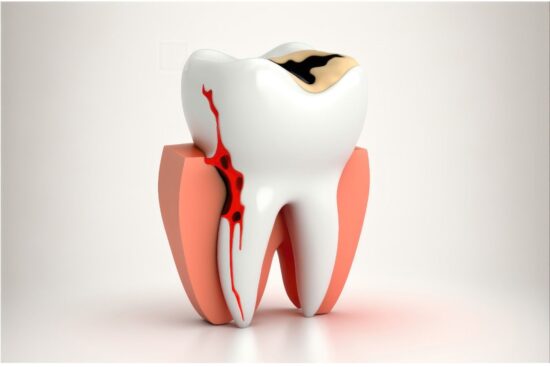
Gum disease, or periodontal disease, is an infection of the tissues that hold your teeth in place. It typically starts as gingivitis, which is the inflammation of the gums caused by plaque buildup. Symptoms include red, swollen, and bleeding gums. If gingivitis is not treated, it can advance to periodontitis, where the inner layer of the gum and bone pull away from the teeth, forming pockets. These pockets can collect debris and become infected, leading to the breakdown of bone and tissue that support the teeth.
Common Causes and Risk Factors
Both gum disease and tooth decay primarily stem from one main culprit: plaque. Plaque is a sticky, colorless film of bacteria that constantly forms on our teeth. When we consume sugary or starchy foods and drinks, the bacteria in plaque produce acids that attack tooth enamel. If plaque is not removed regularly, it can harden into tartar, which is much more difficult to remove and can lead to more serious gum problems.
Several risk factors can increase your likelihood of developing these conditions:
- Poor Oral Hygiene: Infrequent or improper brushing and flossing allow plaque to build up.
- Sugary and Starchy Diet: These foods provide fuel for acid-producing bacteria. Frequent snacking also increases the amount of time your teeth are exposed to acid.
- Smoking and Tobacco Use: Smoking weakens your immune system, making it harder to fight off gum infections. It also impairs blood flow to the gums, hindering their ability to heal.
- Dry Mouth: Saliva helps wash away food particles and neutralize acids. A lack of saliva leaves your teeth more vulnerable to decay.
- Hormonal Changes: Fluctuations in hormones, such as during pregnancy or menopause, can make gums more sensitive and susceptible to gingivitis.
- Genetics: Some people are simply more predisposed to gum disease and cavities.
- Chronic Illnesses: Conditions like diabetes can affect your body’s ability to fight infection, increasing your risk of gum disease.
Your Daily Defense: Effective Oral Hygiene
Consistent and correct daily care is your most powerful weapon in the fight against tooth decay and gum disease.
Brush Twice a Day, the Right Way
Brushing removes plaque and food particles from the surfaces of your teeth. For the best results, follow these guidelines:
- Use the Right Tools: Choose a soft-bristled toothbrush that fits your mouth comfortably. Hard bristles can damage your gums and enamel. Use a fluoride toothpaste, as fluoride helps to strengthen enamel and make it more resistant to acid attacks.
- Perfect Your Technique: Place your toothbrush at a 45-degree angle to the gums. Use short, gentle, tooth-wide strokes. Make sure to brush the outer, inner, and chewing surfaces of all your teeth.
- Don’t Rush: Brush for at least two minutes each time. To make sure you’re brushing long enough, try using a timer or an electric toothbrush with a built-in timer.
- Replace Your Brush: Change your toothbrush every three to four months, or sooner if the bristles are frayed. A worn-out toothbrush won’t clean your teeth effectively.
Floss Daily to Clean Between Teeth
Brushing can’t reach all the tight spaces between your teeth and under the gumline. This is where flossing comes in. Daily flossing is crucial for removing plaque and food particles from these areas.
- Use Enough Floss: Start with about 18 inches of floss. Wind most of it around one middle finger and the rest around the same finger on the other hand.
- Be Gentle: Guide the floss between your teeth using a gentle rubbing motion. Never snap the floss into your gums.
- Curve Around Each Tooth: When the floss reaches the gumline, curve it into a C shape against one tooth. Gently slide it into the space between the gum and the tooth until you feel resistance.
- Use a Fresh Section: As you move from tooth to tooth, use a clean section of floss.
The Role of Diet in Oral Health
What you eat has a direct impact on the health of your teeth and gums. A balanced diet is not just good for your body; it’s essential for your mouth.
- Limit Sugar and Starch: Reduce your intake of sugary drinks, candies, and starchy foods like chips and bread. When you do have them, try to eat them with meals rather than as snacks throughout the day.
- Drink Plenty of Water: Water helps rinse away food particles and keeps your mouth hydrated, stimulating saliva flow.
- Eat Tooth-Friendly Foods: Foods rich in calcium, like milk, cheese, and yogurt, help strengthen your teeth. Crunchy fruits and vegetables, such as apples and carrots, can help clean your teeth by stimulating saliva production.
- Choose Nutritious Snacks: If you need a snack, opt for cheese, nuts, or plain yogurt instead of sugary treats.
The Importance of Professional Dental Care

Even with the best at-home care, professional dental check-ups and cleanings are essential. Your dentist and hygienist have the tools and expertise to remove hardened tartar and spot problems before they become serious.
Regular dental visits allow professionals to:
- Perform a Thorough Cleaning: A professional cleaning removes plaque and tartar from places your toothbrush and floss might miss.
- Conduct a Comprehensive Exam: Dentists like those in Hutto, TX, can check for signs of tooth decay, gum disease, and other oral health issues, including oral cancer.
- Provide Preventative Treatments: Your dentist might recommend fluoride treatments or dental sealants to provide an extra layer of protection against decay.
- Offer Personalized Advice: Based on your oral health, your dental team can provide tailored recommendations for your daily hygiene routine.
Most dentists recommend a professional cleaning and check-up every six months. However, if you have a higher risk of oral health problems, you may need to visit more frequently.
Conclusion
Preventing gum disease and tooth decay is a lifelong commitment, but the payoff is a healthy smile that lasts. By combining a diligent daily oral hygiene routine, a balanced diet, and regular professional dental care, you can significantly reduce your risk of these common problems.