




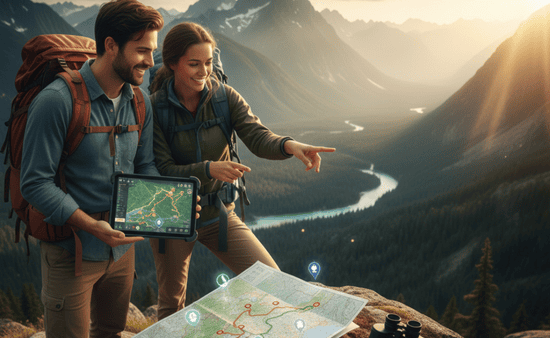
There is a profound sense of calm that settles in when you step away from the city and into the wild. The air smells different—crisp with pine or heavy with sea salt—and the noise of traffic is replaced by the rustle of leaves or the rush of a river.
But beneath the romantic idea of an outdoor escape lies a practical reality: nature is unpredictable. A truly great trip doesn’t just happen by accident; it is built on a foundation of careful preparation and local knowledge.
Whether you are aiming to summit a peak, camp in a dense forest, or simply hike a coastal trail, the difference between a miserable slog and a life-changing memory often comes down to logistics.
Many travelers make the mistake of relying solely on general internet searches, missing the nuanced, on-the-ground details that ensure safety and enjoyment. To truly experience nature’s wonders, you need to plan like a local.
The Power of Local Insight
When we scroll through social media feeds filled with breathtaking landscapes, we rarely see the planning that went into capturing that moment.
We don’t see the 4:00 AM wake-up call to beat the crowds, the specific gear needed for that terrain, or the hours spent studying trail maps.
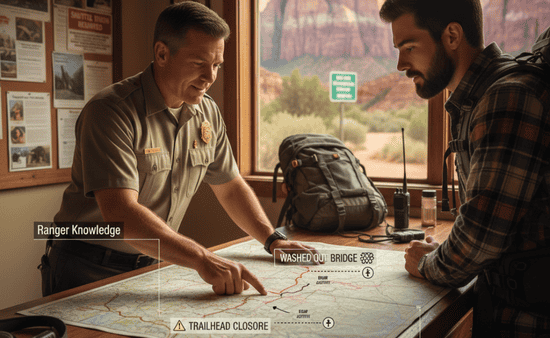
The most valuable resource for any outdoor trip is local knowledge. General travel guides provide a broad overview, but they often lack current conditions.
A trail guide written three years ago won’t tell you that a bridge washed out last winter or that a specific trailhead is now closed for restoration.
Before you go, dig deeper than the top ten lists. Look for forums where locals discuss current conditions. Call the ranger station nearest to your destination.
Rangers are an underutilized wealth of information; they can tell you about recent bear activity, water source availability, and road conditions that GPS might miss.
For instance, if you are planning a trip to the famous Utah national parks, a quick call to a visitor center can save you hours of frustration by alerting you to construction delays or shuttle reservation requirements that aren’t immediately obvious on a map.
Decoding the Weather
“Check the weather” is standard advice, but planning an outdoor adventure requires more than just looking at a temperature high and low. You need to understand the microclimates of your destination.
In mountainous regions, the weather at the trailhead can be vastly different from the conditions at the summit.
A sunny 70-degree day in the valley can turn into a freezing rainstorm at elevation in a matter of hours. Coastal areas often grapple with marine layers that drop visibility to near zero, transforming a scenic hike into a gray walk through the clouds.
To plan effectively, look at hourly forecasts and wind speeds. Understand the seasonal patterns. Is this the time of year for afternoon thunderstorms? Is flash flooding a risk in the slot canyons you plan to explore? Preparation means packing layers that handle moisture and cold, even if the forecast looks mild.
It means knowing when to turn back because the clouds gathering on the horizon signal danger, not just a photo opportunity.
Permits, Passes, and Regulations
As outdoor recreation grows in popularity, managing human impact has become a priority for land management agencies. This has led to an increase in permit systems, reservation slots, and timed-entry requirements.
There is nothing worse than driving hours to a destination only to be turned away at the gate because you didn’t have a reservation code.
This is becoming common in many popular destinations, including several Utah national parks and other high-traffic areas across the country.
Start your planning months in advance. Identify if you need a specific pass for parking or hiking. Some permits, like those for popular backpacking routes or iconic hikes (like Angels Landing or Half Dome), operate on a lottery system that opens months prior.
Mark these dates on your calendar. Furthermore, familiarize yourself with the specific regulations of the area. are campfires allowed? Do you need a bear canister for food storage? Are dogs permitted on the trails? Respecting these rules isn’t just about avoiding fines; it’s about preserving these wild spaces for the future.
Packing for Self-Sufficiency
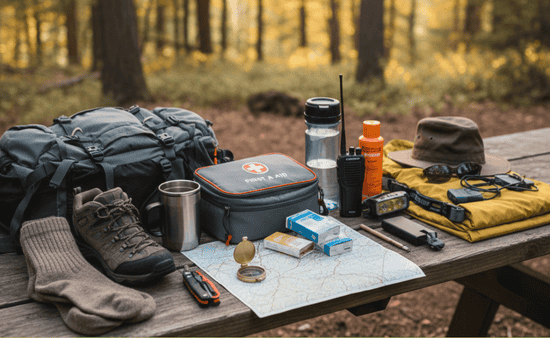
The golden rule of outdoor adventure is self-sufficiency. Even if you are visiting a well-trafficked park, you should be prepared to handle minor emergencies on your own.
This goes beyond having a first aid kit. It means carrying more water than you think you need, especially in arid climates. It means having a physical map and compass—and knowing how to use them—because cell service is rarely guaranteed in the wilderness.
Your packing list should change based on the specific location. A trip to a humid, tick-heavy forest requires different clothing and protection than a trek through high-altitude desert scrub.
Think about your footwear carefully; blisters are the number one trip ruiner. Break in your boots on local walks before tackling major elevation gains.
Leaving No Trace
Part of planning like a local is adopting the mindset of a steward. The philosophy of “Leave No Trace” is essential for protecting the environments we love.
This involves planning for waste disposal. In some sensitive environments, you are required to pack out all human waste. In others, you simply need to know where the trash receptacles are located. It also means staying on designated trails to protect fragile soil crusts and plant life.
When you plan with conservation in mind, you ensure that the wonders you are visiting remain wonderful. It shifts the focus from conquering nature to coexisting with it respectfully.
Embrace the Detour
While rigorous planning is essential, the beauty of nature often lies in the unexpected. A closed trail might lead you to a secluded lake you hadn’t considered. A sudden rainstorm might force you into a cozy local diner where you meet interesting characters.
Use your plan as a framework, not a cage. If you have done your research—checked the weather, secured your permits, packed the right gear, and consulted local resources—you have the freedom to adapt safely. You can pivot to Plan B without panic because you already know the lay of the land.
Nature rewards the prepared. By taking the time to understand the local nuances of your destination, you strip away the stress of logistics and leave room for awe.
You stop worrying about where to park or whether you have enough water, and start noticing the light filtering through the trees. That is when the real adventure begins.