





Buying a vehicle is a major financial commitment, often ranking as the second largest expense for a household after housing. Once you drive a car off the lot, the costs do not stop there.
Fuel, insurance, and taxes all add up quickly. Because of these ongoing expenses, it is tempting to skip a scheduled service or delay a minor repair to save a few dollars in the short term.
However, this approach is often a false economy. Neglecting regular maintenance almost always leads to higher costs down the road. Regular servicing is not just about keeping your car running; it is a strategic financial decision that protects your wallet from massive repair bills, excessive fuel consumption, and rapid depreciation.
Prevention Is Cheaper Than Repair

The primary financial argument for regular servicing is simple: preventative maintenance costs a fraction of what major repairs cost. A routine service gives mechanics the chance to spot small issues before they spiral into catastrophic failures.
Think of your car’s engine like a complex ecosystem. If a timing belt is worn, replacing it is a standard and regular maintenance task with a predictable cost. If you ignore it and the belt snaps while driving, it can destroy the entire engine, leading to a bill that could be thousands of dollars.
Similarly, a small coolant leak is cheap to fix, but if left unattended, it can cause the engine to overheat and warp the cylinder head. By paying for regular check-ups, you are essentially paying a small insurance premium to avoid a financial disaster later.
Maximizing Fuel Efficiency
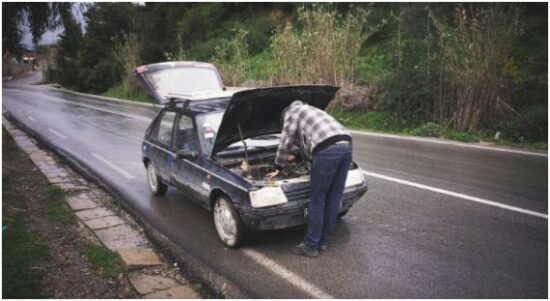
Gas prices fluctuate, but fuel remains a constant expense for every driver. A poorly maintained car is an inefficient car, meaning it burns more fuel to travel the same distance. Over the course of a year, this inefficiency can quietly drain hundreds of dollars from your bank account.
Several factors contribute to this. Old, sludgy oil increases friction inside the engine, forcing it to work harder. Clogged air filters restrict airflow, throwing off the fuel-to-air mixture and wasting gas. Under-inflated tires increase rolling resistance, which acts like a constant brake on the vehicle’s momentum.
During a standard service, these components are checked, cleaned, or replaced. keeping the engine tuned and the tires properly inflated ensures you are getting the maximum possible mileage out of every gallon of gas.
Preserving Resale Value

Unless you plan to drive your car until it falls apart, you will likely sell or trade it in one day. When that day comes, a complete service history is one of the most valuable assets you can have.
Prospective buyers and dealerships look for evidence that a car has been cared for. A stamped service book or a folder full of receipts proves that the vehicle has been maintained according to the manufacturer’s schedule.
This documentation builds trust and justifies a higher asking price. Conversely, a car with gaps in its history raises red flags about potential hidden problems.
You might save a small amount by skipping a service today, but you will lose significantly more in resale value when you try to sell a neglected vehicle.
Critical Areas That Impact Your Wallet
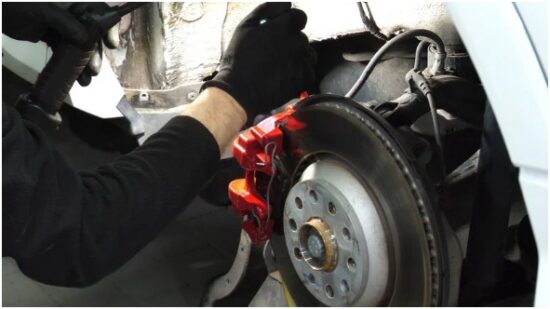
Understanding which specific parts of the car contribute to savings helps prioritize maintenance.
Engine Oil and Fluids
Oil is the lifeblood of your car. It lubricates moving parts and carries heat away from the engine. Over time, oil breaks down and loses its effectiveness.
Failing to change it leads to sludge build-up and increased wear on expensive internal components. Regularly changing transmission fluid, brake fluid, and coolant is equally important to prevent corrosion and system failure.
Tires and Brakes
Your tires are the only point of contact between your vehicle and the road. Regular rotation and alignment checks ensure they wear evenly, extending their life significantly.
Replacing a set of tires prematurely because of poor alignment is a waste of money. Brake pads are another consumable item. Replacing pads is affordable, but if you let them wear down to metal, they will destroy the brake rotors, doubling the cost of the repair.
Emissions and Environmental Systems
Modern vehicles have complex systems designed to reduce pollution. If these systems clog or fail due to lack of maintenance, the repair costs can be substantial. Furthermore, maintaining these systems is crucial for legal compliance in many regions.
For example, if your check engine light is on due to a faulty oxygen sensor, you may struggle to pass a mandatory emissions test in Orem or other areas with strict environmental standards. Fixing these issues early prevents fines and ensures your vehicle remains road-legal without expensive last-minute repairs.
Conclusion
Viewing car servicing as an optional expense is a mistake. It is an investment in the longevity and efficiency of your asset.
The math is clear: the cost of routine oil changes, filter replacements, and inspections is significantly lower than the cost of engine replacements, poor fuel economy, and lost resale value.
By staying proactive with your vehicle’s care, you keep your car safe, reliable, and significantly cheaper to own in the long run.