



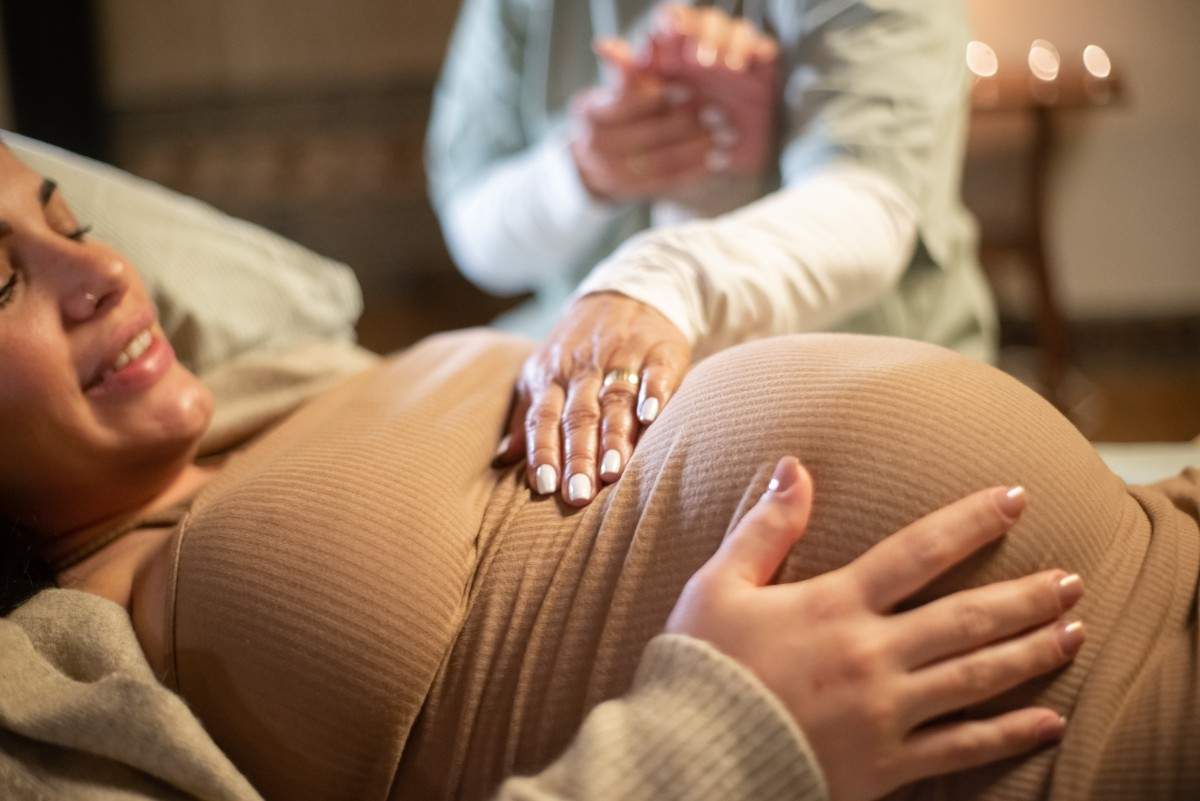
Pregnancy is a transformative journey marked by significant physical and biological changes. From conception, the body undergoes a cascade of events to support the growing baby, affecting systems like the cardiovascular system, metabolism, and skin.
While every pregnancy is unique, most women follow a general roadmap of changes throughout the trimesters.
First Trimester: The Invisible Work
The first trimester is often described as the period of “invisible” pregnancy. To the outside world, you might look exactly the same, but internally, your body is running a marathon.
The rapid increase in hormones is responsible for maintaining the pregnancy, but it also triggers a host of intense physical symptoms.
Why do I feel so tired and nauseous?
Morning sickness and fatigue are the hallmarks of the first trimester. Despite the name, morning sickness can strike at any time of day or night.
It is largely driven by the rapid rise in human chorionic gonadotropin (hCG) and estrogen. These hormones are essential for the baby’s development but can wreak havoc on your digestion.
Simultaneously, your body is working hard to build the placenta, which is your baby’s life support system. This construction project takes a massive toll on your energy levels.
Your blood sugar levels may dip, and your blood pressure might drop, leading to that overwhelming sense of exhaustion where even getting off the couch feels like a monumental task.
Listen to your body during this phase—naps are not a luxury; they are a physiological necessity.
How will my breasts change early on?
One of the very first signs of pregnancy for many women is tenderness and swelling in the breasts.
Hormonal changes increase blood flow and modify the breast tissue in preparation for breastfeeding, even this early in the game.
You might notice your breasts feel fuller, heavier, or sensitive to the touch. The areolas (the dark area around the nipple) may become darker and larger, and you might see more visible veins under the skin.
What is happening with my hormones?
The hormonal fluctuations in the first trimester are dramatic. Progesterone levels soar to stop the uterus from contracting and to suppress your immune system so it accepts the baby.
While necessary, high progesterone can also slow down your digestive tract, leading to bloating, gas, and constipation.
It can also contribute to mood swings, making you feel weepy or irritable without a clear reason. Understanding that this emotional rollercoaster has a biological basis can help you (and your partner) be more patient with the process.
Second Trimester: The “Golden Period” and Structural Shifts
For many, the second trimester brings a welcome relief. The nausea typically subsides, and energy levels often rebound.
However, this is also the time when your pregnancy becomes visible. As the baby grows, your body’s center of gravity shifts, leading to new physical challenges related to weight and posture.

How much weight should I expect to gain?
Weight gain is a vital part of a healthy pregnancy, but the distribution of that weight might surprise you.
It isn’t just the baby; your body is storing fat reserves for breastfeeding, increasing blood volume, and growing the uterus and placenta.
Most women gain between 1 to 2 pounds per week during the second and third trimesters.
This extra weight is concentrated in your midsection, which pulls your center of gravity forward. To compensate, many women instinctively lean back, which can strain the lower back muscles.
This leads to the characteristic “waddle” often seen in later pregnancy, but in the second trimester, it usually manifests as a dull ache in the lower back or hips.
Why does my back hurt?
Back pain during the second trimester is caused by a combination of weight gain and the hormone relaxin.
As the name suggests, relaxin loosens the ligaments and joints in your pelvis to prepare for childbirth..
While this is helpful for delivery, it makes your pelvis less stable during pregnancy, leading to pain in the lower back and the sacroiliac joints.
Maintaining good posture becomes crucial during this phase.
Wearing supportive shoes, avoiding heavy lifting, and sleeping with a pillow between your knees can help align the hips and reduce strain on your back. Prenatal yoga or gentle stretching can also help strengthen the muscles supporting your spine.
What are these changes to my skin?
You may have heard of the “pregnancy glow,” which is a real phenomenon caused by increased blood circulation and oil production.
However, skin changes aren’t always positive. The surge in hormones can stimulate pigment-producing cells, leading to melasma, often called the “mask of pregnancy.”
This appears as dark, blotchy patches on the face, particularly on the forehead and cheeks.
You might also notice a dark line running down the center of your belly, known as the linea nigra. Stretch marks may begin to appear on your abdomen, breasts, hips, or thighs as your skin stretches to accommodate rapid growth.
While genetics play a large role in whether you get stretch marks, keeping your skin hydrated can help reduce itchiness and discomfort.
Third Trimester: The Home Stretch
The third trimester is all about growth and preparation. Your baby is getting bigger and stronger, and your body is gearing up for the athletic event of labor.
This final phase is often characterized by physical crowding, as the baby occupies more space in your abdomen, pushing against your organs.
Why are my feet and ankles swelling?
Edema, or swelling, is very common in the third trimester. Your body is holding onto more fluid than usual, and your growing uterus puts pressure on the veins that return blood from your legs to your heart. This can cause fluid to pool in your extremities, particularly your feet and ankles.
Swelling tends to be worse at the end of the day or during hot weather. elevating your feet, staying hydrated (counterintuitively, drinking water helps flush out retained fluids), and wearing compression socks can provide relief.
However, sudden or severe swelling in the face or hands can be a sign of preeclampsia, a serious condition that requires immediate medical attention.
What are Braxton Hicks contractions?
As you get closer to your due date, you may start to feel your abdomen tightening and hardening. These are Braxton Hicks contractions, often referred to as “practice contractions.”
Unlike true labor contractions, they are usually irregular, infrequent, and painless (though they can be uncomfortable).
Braxton Hicks are your uterus’s way of toning the muscles in preparation for birth. They can be triggered by dehydration, physical activity, or a full bladder.
Changing positions or drinking a glass of water will often make them stop. If the contractions become regular, painful, or don’t stop with rest, it could be a sign of preterm labor.
Why is sleeping so difficult now?
Sleep can become elusive in the third trimester. Finding a comfortable position is challenging with a large belly, and you might be dealing with heartburn, leg cramps, or the need to urinate frequently.
The baby is also pressing on your bladder, meaning mostly nightly trips to the bathroom.
To maximize rest, try sleeping on your side with pillows propped behind your back and under your belly for support. Establishing a calming bedtime routine and limiting fluids right before bed can also help you snatch a few more hours of precious sleep before the baby arrives.
Preparing for Labor and Postpartum
As your due date approaches, the physical changes you experience are all geared toward one goal: bringing your baby into the world.
Your cervix may begin to soften and dilate, and the baby will likely “drop” lower into your pelvis, a process called lightening.
This can make it easier to breathe as pressure is taken off your diaphragm, though it often increases pressure on your bladder.

Once the baby arrives, the physical journey isn’t over. The postpartum period, often called the fourth trimester, involves significant recovery as your uterus shrinks back to size and your hormones regulate.
It is a time to be gentle with yourself. Recovery looks different for everyone, and it encompasses mental health as well as physical healing.
If you are struggling with mood changes that feel like more than just the “baby blues,” looking for postpartum depression help in Glenview or your local area can connect you with the specialized support you need.
Pregnancy is a testament to the incredible strength and adaptability of the female body. While the aches, pains, and swellings are real challenges, they are also signs of the miraculous work your body is doing.
Listen to your body, seek support when you need it, and remember that these physical changes are temporary steps on the path to meeting your child.
Conclusion
Now that you have a better understanding of postpartum depression and its potential causes, symptoms, and treatment options, please remember that seeking help is not a sign of weakness.
It takes strength and courage to acknowledge when we need support, especially during major life transitions like becoming a mother.