




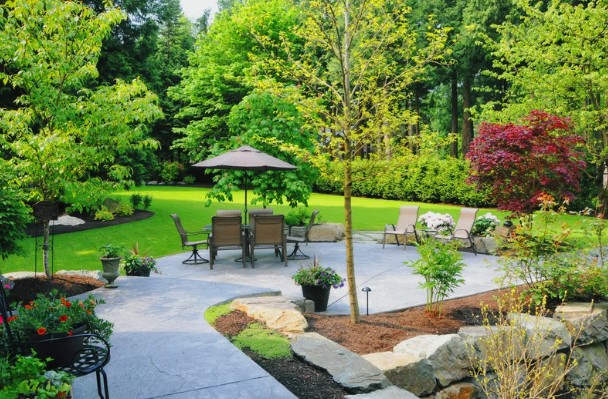
Many homeowners desire a beautiful yard but are overwhelmed by the constant upkeep. Low-maintenance landscaping offers a practical solution to save time, water, and effort while enhancing curb appeal. Through strategic design choices, such as selecting appropriate plants, redesigning the layout, and utilizing technology, it’s possible to create a yard that requires minimal care. This guide will explain how to create a more effortless outdoor space.
Understanding Your Local Climate and Soil
The first rule of low-maintenance gardening is working with nature rather than against it. Trying to grow tropical ferns in a desert or sun-loving succulents in a shady, damp forest is a recipe for constant struggle. To create a self-sustaining landscape, you must first understand the specific conditions of your property.
Start by identifying your USDA Plant Hardiness Zone. This standard tells you which plants are most likely to survive the winter temperatures in your area. However, you also need to consider microclimates within your own yard. Do you have a spot that gets scorched by the afternoon sun? Is there a low-lying area that stays boggy after a rainstorm? Mapping these out helps you place plants where they will be happiest.
Soil health is equally critical. Is your soil sandy and fast-draining, or is it heavy clay that holds water? A simple soil test can reveal your pH balance and nutrient levels. Amending your soil to suit a specific exotic plant is labor-intensive and rarely sustainable long-term. Instead, choose plants that love the soil you already have. When plants are in their preferred environment, they grow stronger, resist pests better, and require fewer fertilizers and interventions.
Plant Selection: Native and Drought-Resistant Options
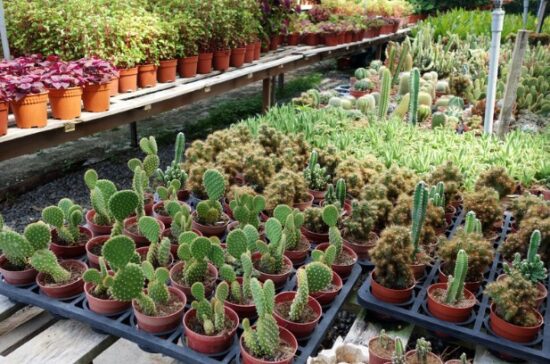
Once you know your site conditions, the fun part begins: choosing your greenery. For a garden that essentially takes care of itself, native plants are the gold standard.
Native plants have evolved over thousands of years to thrive in your specific region’s climate and soil. They are accustomed to local rainfall patterns and have developed natural defenses against local pests. This means you can say goodbye to frequent watering and harsh chemical pesticides.
Here are a few categories of plants to consider for a hands-off approach:
Perennials over Annuals
Annuals, like petunias and marigolds, provide a burst of color but die after one season, requiring you to replant every year. Perennials, on the other hand, come back year after year. Plants like cone-flowers, hostas, and daylilies are robust, spreading to fill gaps and effectively crowding out weeds.
Drought-Tolerant Varieties
Xeriscaping isn’t just for desert dwellers. Incorporating drought-resistant plants like lavender, sedum, and ornamental grasses can drastically cut down your water bill and your time spent holding a hose. These plants have deep root systems or water-retaining foliage that allow them to survive dry spells with ease.
Evergreens for Structure
Deciduous shrubs drop leaves that need raking. Evergreens keep their foliage year-round, providing constant structure and color without the autumnal mess. Dwarf varieties of boxwood or juniper grow slowly, meaning they won’t need constant pruning to keep them in check.
Hardscaping: The Backbone of Low-Maintenance Design
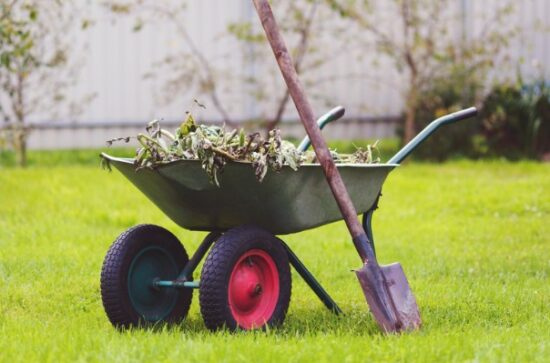
One of the most effective ways to reduce yard work is to reduce the amount of “yard” you actually have. Lawns are notoriously high-maintenance, often requiring weekly mowing, watering, fertilizing, and aeration. Hardscaping offers a stylish and functional alternative.
Hardscaping refers to the non-living elements of your landscape: patios, walkways, retaining walls, and decks. By expanding these areas, you create more usable living space while simultaneously shrinking the green space that needs tending.
Consider replacing a struggling patch of grass with a gravel courtyard or a flagstone patio. Permeable pavers are an excellent choice as they allow rainwater to soak into the ground, reducing runoff and watering needs for nearby plants.
If you aren’t ready to give up greenery entirely, consider “soft” hardscaping options like clover lawns or moss pathways. These alternatives stay low to the ground, require no mowing, and stay green even when water is scarce.
Irrigation Strategies: Efficient Watering Techniques
If you are still dragging a hose and sprinkler around the yard, it’s time for an upgrade. Inefficient watering is not only bad for the environment; it’s a major time sink.
Drip Irrigation
Drip systems deliver water directly to the base of the plant where it’s needed most. Unlike overhead sprinklers, which lose a significant amount of water to evaporation and wind, drip lines soak the root zone slowly. This keeps foliage dry, reducing the risk of fungal diseases, and discourages weeds by not watering the empty spaces between plants.
Smart Controllers
Modern technology has revolutionized garden care. Smart irrigation controllers connect to local weather stations via Wi-Fi. If rain is in the forecast, the system will automatically skip a watering cycle. If a heatwave is coming, it can adjust to give your plants a little extra drink. This “set it and forget it” approach ensures your plants get exactly what they need without you lifting a finger.
Maintenance Tips: Seasonal Tasks and Long-Term Care
Even a low-maintenance landscape requires some attention, but the goal is to work smarter, not harder. By staying on top of a few seasonal tasks, you can prevent small chores from turning into weekend-long projects.
Mulch is Magic: Applying a layer of organic mulch (like wood chips or shredded bark) is the single best thing you can do for your garden. It suppresses weeds by blocking sunlight, retains soil moisture, and adds nutrients to the soil as it breaks down. A 2-3 inch layer applied in spring can save you hours of weeding and watering in summer.
Pruning: Choose plants that don’t need constant shaping. If you do have shrubs, prune them at the right time of year (usually late winter or early spring) to encourage healthy growth.
Weed Control: Tackle weeds early in the season when they are small and roots are shallow. A quick 10-minute walk-through once a week is far easier than trying to clear a jungle in August.
Case Studies: Examples of Successful Low-Maintenance Landscapes
To visualize how these principles come together, let’s look at two distinct approaches to low-maintenance design.
The Modern Minimalist
This design replaces the front lawn with a geometric layout of river rocks and large concrete pavers leading to the front door. Architectural succulents like agave and yucca are planted in strategic clusters, requiring water only once a month. The result is a sleek, contemporary look that requires virtually zero maintenance aside from blowing leaves off the stones in autumn.
The Wildflower Meadow
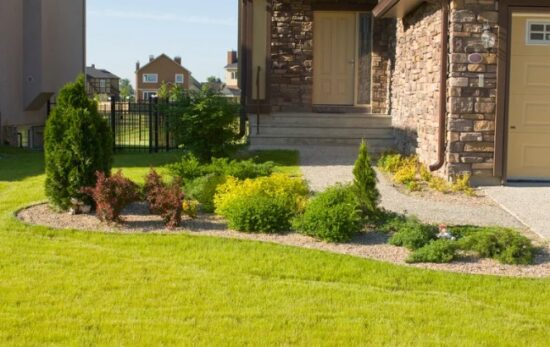
For a softer, more cottage-style look, this approach utilizes a mix of native wildflowers and ornamental grasses. Instead of defined beds that need edging, the plants are allowed to grow together in drifts. This density prevents weeds from taking hold. The diverse mix of plants attracts pollinators and provides visual interest through all four seasons with minimal intervention.
Whether you live in a temperate coastal town or a high-altitude mountain region, the principles remain the same. Homeowners dealing with particularly challenging environments—such as heavy snowfall or rocky terrain—often find that consulting professionals helps bridge the gap between vision and reality. For instance, seeking out landscape design services in Park City can provide specialized insights into high-altitude native plants that survive harsh winters, but the foundational concept of “right plant, right place” applies universally.
Conclusion
Creating a low-maintenance landscape is an investment in your quality of life. It shifts the focus from obligation to enjoyment. By understanding your local environment, choosing resilient plants, and embracing hardscaping, you can build an outdoor space that serves you, rather than the other way around.