
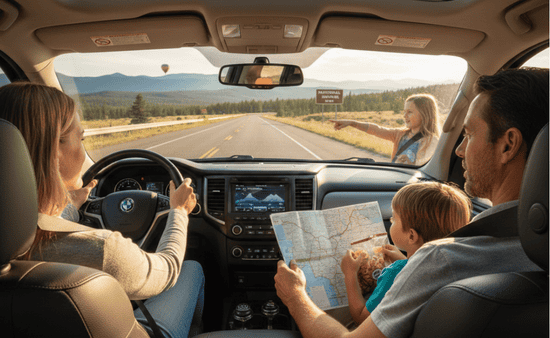
Family road trips create some of our most cherished memories. Singing along to playlists, sharing snacks, and marveling at roadside attractions bring us closer together. However, these journeys also come with serious responsibilities. Keeping everyone safe requires more than just buckling up; it demands a high level of family awareness.
When you’re behind the wheel with your loved ones, the dynamic changes. Distractions multiply, emotions run higher, and the stakes feel infinitely greater. It’s not just about you anymore—it’s about the passengers who trust you to get them to their destination safely.
Understanding the importance of awareness on the road can transform how your family travels, ensuring that the only surprises you encounter are the fun kind.
This post explores why staying alert is crucial for family safety, how passengers can contribute to a safer drive, and what steps to take if the unexpected happens.
The Reality of Distracted Driving

We often think of distracted driving as texting or calling, but with a car full of family members, distractions take on many forms. A crying baby, arguing siblings, or a spouse trying to navigate can all pull a driver’s focus away from the road.
According to the National Highway Traffic Safety Administration (NHTSA), taking your eyes off the road for just five seconds at 55 mph is like driving the length of an entire football field with your eyes closed.
Family awareness starts with recognizing these unique distractions. It means understanding that the driver’s primary job is operating the vehicle, not mediating disputes or finding dropped toys. By acknowledging these risks, families can work together to minimize them.
The Co-Pilot’s Crucial Role
The person in the passenger seat isn’t just along for the ride; they are the co-pilot. This role is vital for maintaining safety and reducing driver stress. A proactive co-pilot manages navigation, controls the music, handles communications, and assists with the needs of children in the back seat.
By taking on these tasks, the co-pilot allows the driver to keep their eyes on the road and hands on the wheel. This division of labor creates a safer environment for everyone. It also sets a positive example for younger passengers, teaching them that road safety is a team effort.
Teaching Kids to Be Safe Passengers
Children learn by observation, but direct instruction is also powerful. Teaching kids how to be safe passengers is an investment in your family’s safety. Explain why sudden loud noises or throwing objects can be dangerous. Create games that encourage quiet observation of the road or scenery.
Older children and teens can be enlisted as safety monitors. Give them the responsibility of checking seatbelts or spotting road signs. This not only keeps them engaged but also instills a sense of responsibility regarding road safety that will serve them well when they eventually learn to drive.
Emotional Awareness Behind the Wheel

Road rage and stress are significant hazards. Long drives can fray nerves, leading to aggressive driving behaviors that endanger everyone. Family awareness includes monitoring the emotional climate inside the car.
If the driver feels overwhelmed or angry, it’s time for a break. Pulling over to stretch, get fresh air, or switch drivers can reset the mood. Recognizing when fatigue or emotion is compromising safety is a key component of responsible family travel. It shows that you value safety over speed or schedule.
Preparing for the Unexpected
Even the most vigilant families can find themselves in difficult situations. Accidents happen, and being prepared is part of being aware. This preparation involves knowing what to do immediately following an incident to ensure everyone’s physical and legal safety.
First, check for injuries and move to a safe location if possible. Call emergency services and exchange information with other drivers. Documenting the scene with photos and notes is also essential. However, the aftermath can be confusing, especially when dealing with insurance companies and legal requirements in unfamiliar territories.
For instance, understanding local laws is vital if you are traveling out of state. If you find yourself in a collision while visiting the Beehive State, knowing how to deal with insurance after accident in Utah can save you significant stress. Laws regarding fault and coverage vary by state, and navigating them without local knowledge can be tricky. Being aware that you might need professional advice is a smart proactive measure.
Routine Maintenance Checks
Awareness isn’t limited to what happens while driving; it extends to the condition of your vehicle. A family aware of safety risks ensures their car is road-ready before every trip. This means checking tire pressure, fluid levels, brakes, and lights.
Involving the family in these checks can be educational. It demonstrates that vehicle maintenance is a non-negotiable part of driving. When everyone understands that a well-maintained car is a safe car, they are more likely to respect the vehicle and the rules of the road.
The Impact of Fatigue
Drowsy driving is a silent killer. On long family trips, the urge to push through to the next stop can be strong, but it’s dangerous. A tired driver has slower reaction times and impaired judgment.
Family members should watch out for signs of driver fatigue, such as frequent yawning, drifting lanes, or heavy eyelids. Empowering passengers to speak up when they notice the driver looks tired can prevent accidents. Establish a rule that allows anyone to call for a break without argument. This collective vigilance acts as an extra safety net.
Building a Culture of Safety
Ultimately, family awareness on the road is about building a culture of safety that travels with you. It’s about shifting the mindset from “me vs. the road” to “us keeping each other safe.” It requires open communication, shared responsibility, and a commitment to patience.
When every family member plays a part in road safety, the journey becomes smoother and more enjoyable. You reduce the risk of accidents and ensure that the memories you make are happy ones. So, before you pull out of the driveway on your next adventure, take a moment to remind your crew that safety is a team sport.