





For millennia, the allure of gold has driven explorers and entrepreneurs to the farthest corners of the Earth. Whether you are an artisanal prospector searching riverbeds or a large-scale operator developing a deep-seated deposit, the path to success is defined by precision, efficiency, and the right equipment. The pursuit of this glittering treasure begins with selecting the right gold mining equipment to match the specific geological environment.
The Essential Kit for Small-Scale Prospecting
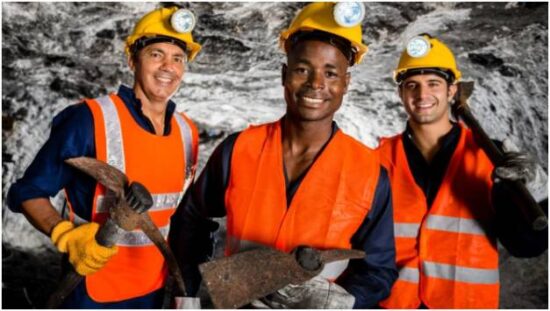
Successful gold hunting often begins with low-impact, high-efficiency tools. For those working in artisanal or small-scale mining (ASM), the goal is to process as much material as possible while maintaining a high recovery rate.
- Gold Pans: The most iconic tool in the industry, used to manually swirl sediment and reveal heavy minerals like gold.
- Sluice Boxes: These are vital for filtering large amounts of sediment quickly by using flowing water to catch heavy particles in specialized riffles.
- Classifiers and Sieves: These help separate larger rocks from finer material, ensuring that only the most promising sediment reaches the pan or sluice.
- Maintenance: To prevent the loss of fine flakes, it is essential to rinse tools after every use to remove sediment build-up.
Industrial Extraction and Heavy Machinery
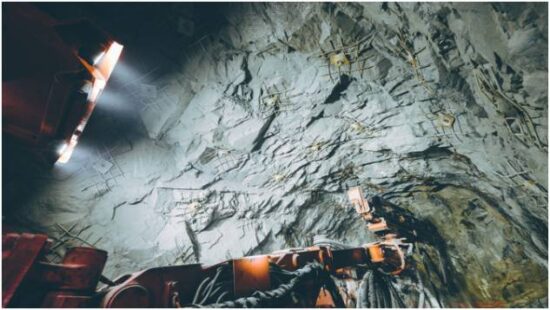
When a deposit is deemed economically viable through exploration and test drilling, the operation transitions to heavy machinery. These machines form the backbone of any large-scale extraction project.
- Drilling Rigs: Used for both exploration and the creation of blast holes, these rigs vary by rock type, including rotary drills for hard rock and percussion drills for softer formations.
- Excavators: These heavy-duty machines are indispensable for moving large volumes of earth (overburden) to reach the mineral-rich ore beneath.
- Haul Trucks: Large-capacity trucks transport the extracted ore from the site to the processing facility. Rigid dump trucks are favored for high-capacity, long-haul operations.
Core Mining Techniques
The method of extraction is determined by the location and depth of the gold deposit.
Placer Mining
This technique involves extracting gold from loose sediments in riverbeds and streams. It relies on gravity, as gold is significantly heavier than the surrounding sand and gravel. Tools like dredges and sluices are common here.
Hard Rock and Underground Mining
When gold is trapped within solid rock, hard rock mining is required. This often involves underground operations where miners create tunnels and shafts to reach the ore. Modern underground mining employs advanced stages: exploration, development of infrastructure (like ventilation), production, and eventual reclamation. Businesses are looking for smart outsourcing solutions for every stage emplyees.
The Recovery and Refining Process
Extraction is only the beginning. Once the ore reaches the surface, it must undergo beneficiation to separate the gold from waste rock.
- Crushing and Grinding: The ore is broken down into tiny particles to liberate the gold.
- Concentration: Techniques such as gravity separation or flotation are used to isolate the target minerals.
- Chemical Processing: In many operations, cyanidation is used, where a cyanide solution separates gold from other minerals.
- Refining: The final step involves melting the gold to remove any remaining impurities, reaching up to 24-karat purity.
Prioritizing Safety and Sustainability
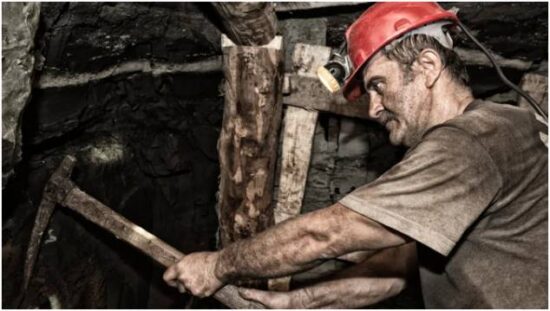
Mining is inherently hazardous, making safety a moral and operational imperative. Proper training is the first line of defense, ensuring that every worker understands the correct operation of machinery and emergency protocols. Consistent use of personal protective equipment (PPE)—including hard hats, steel-toed boots, and respiratory masks—is non-negotiable.
Furthermore, modern mining must embrace environmental responsibility. Sustainable practices, such as recycling water, managing tailings carefully to prevent contamination, and reclaiming mined land, help preserve ecosystems for future generations.
In Conclusion
Success in gold mining is not merely a product of luck; it is the result of thorough preparation, the right technical knowledge, and a commitment to safety and right to have a workers’ compensation attorney. By understanding these core tools and techniques, miners can navigate the complexities of the earth to unearth the treasures within while maintaining a sustainable and profitable operation.