




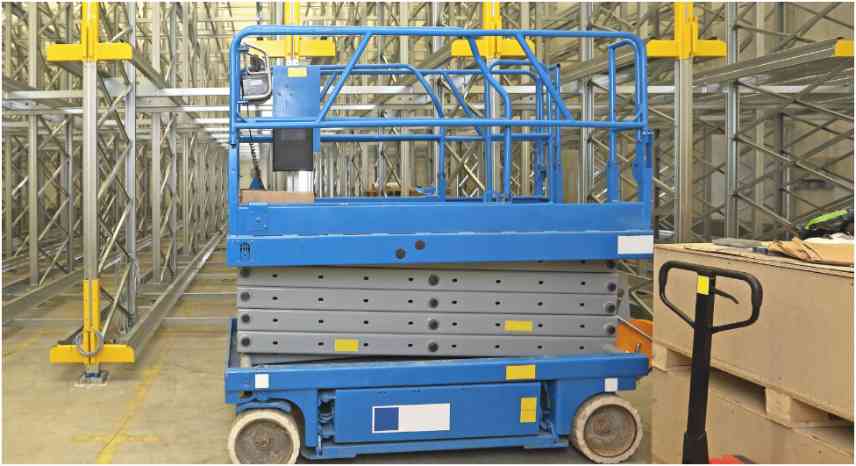
In a fast-paced warehouse environment, heavy machinery is the lifeblood of daily operations. Forklifts, pallet jacks, scissor lifts, and order pickers move thousands of pounds of inventory continuously across expansive concrete floors. Because these machines are built to endure grueling, high-capacity shifts, operators tend to trust their structural stability implicitly. If a lift turns on and moves forward, it is generally assumed to be safe for operation.
This assumption overlooks a critical, internal vulnerability: weak hydraulic pressure. Unlike a broken tire or a smoking engine, low hydraulic pressure is often a quiet, invisible malfunction. It doesn’t always cause an immediate, dramatic machine shutdown.
Instead, it degrades the system subtly over time, introducing a margin of instability that places operators, inventory, and facility infrastructure at extreme risk. Understanding the underlying physics of pressure loss is vital to keeping warehouse operations secure.
1. The Phenomenon of Subtle Load Drifting
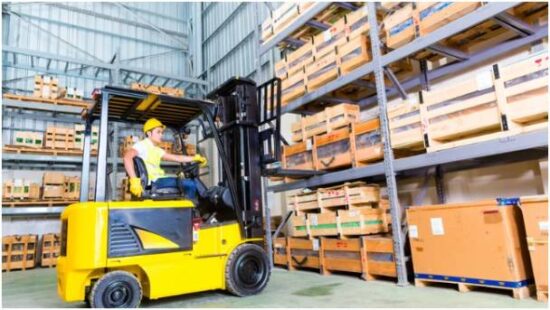
Hydraulic lift systems function by pushing specialized fluid into a sealed cylinder, forcing a piston to extend and raise the platform or forks. Once the desired height is achieved, a series of check valves lock the fluid in place, maintaining constant pressure to keep the load suspended safely.
When a system suffers from weak pressure—whether due to an internal valve leak, a failing pump, or fluid degradation—the system can no longer maintain that rigid volumetric hold. This leads to a dangerous condition known as load drifting. A pallet raised twenty feet in the air may begin to sink a fraction of an inch every minute.
To a busy operator focused on matching a rack coordinate, this slow descent is almost impossible to notice visually until the center of gravity shifts, causing the load to tilt, destabilize, and potentially cascade down into the aisle below.
2. Erratic Command Response and Operator Compensation
A properly pressurized hydraulic system delivers instant, predictable feedback. When an operator moves a control lever, the lift should react smoothly and proportionally. Low pressure disrupts this direct relationship between input and mechanical execution.
When system pressure drops below nominal operational levels, the lift may experience delayed responses or sudden, jerky movements as the weak pump struggles to build the threshold energy required to move the load. Operators frequently attempt to compensate for this sluggish behavior by over-correcting—pushing control levers harder or holding them down longer.
This erratic cycle of delayed movement followed by a sudden surge of power makes precision maneuvering near high-density storage racks incredibly difficult, dramatically increasing the risk of accidental structural impacts.
3. Cavitation and Internal Component Erosion
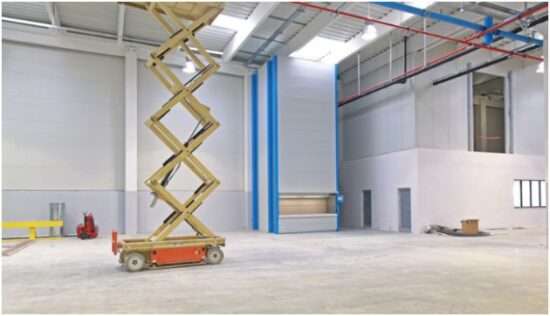
Weak pressure is rarely a localized issue; it is typically a symptom of an underlying systemic failure that actively destroys the machinery from the inside out. One of the primary drivers of low pressure is fluid aeration or system restriction, which leads directly to a destructive process known as cavitation.
When a hydraulic pump cannot draw fluid efficiently due to a low reservoir level or an internal blockage, it creates a partial vacuum. This low-pressure void causes vapor bubbles to form within the hydraulic oil. As these bubbles travel into high-pressure zones within the pump and cylinders, they violently collapse.
Each microscopic explosion releases intense shockwaves and localized heat, physically tearing away tiny particles of metal from the interior walls of your components. Over time, this internal erosion contaminates the fluid and permanently destroys the machine’s lifting capacity.
4. Accelerated Structural Strain and Seal Fatigue
When a warehouse lift operates with inadequate hydraulic pressure, the physical physics of the load don’t disappear—they are simply redistributed to places they don’t belong. Instead of being supported by a stable column of pressurized fluid, the weight of the cargo places uneven mechanical stress on the lift’s structural framework.
The mast, chains, guide rails, and scissor linkages are forced to absorb the vibrations and uneven forces generated by a struggling, low-pressure system. Furthermore, the remaining hydraulic seals are subjected to irregular friction profiles as the piston rods hitch and shudder during extension.
For facilities experiencing these systemic malfunctions, waiting to address the issue is a high-liability gamble. Securing expert heavy equipment repair in Utah or your local industrial hub is necessary to evaluate the hydraulic integrity before the combination of structural strain and seal fatigue results in a total mechanical failure.
5. Unintended Safety Brake Engagement
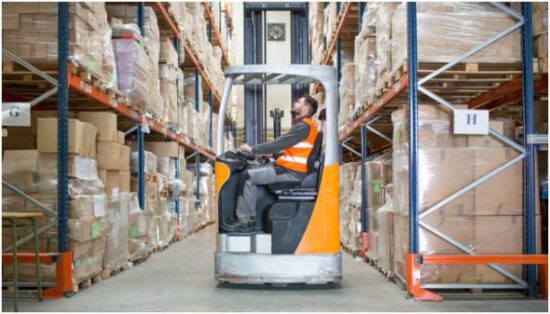
Modern warehouse lifts are engineered with redundant, fail-safe mechanical braking systems designed to lock the lift structure in place if a catastrophic loss of control occurs. Many of these emergency brakes are held open continuously by active hydraulic pressure.
When the primary system pressure drops below a specific engineering threshold, the safety mechanisms can become confused. The drop in pressure can cause the emergency brakes to partially engage or drag while the vehicle is in motion or actively lifting.
This unintended friction generates extreme heat, rapidly wears down the braking materials, and can cause the machine to stop abruptly mid-shift. A sudden, uncommanded halt while carrying a heavy load at height creates an immediate pendulum effect, threatening to tip the entire machine over.
Conclusion
Weak hydraulic pressure is a silent hazard precisely because it allows a machine to keep working while progressively steering it toward a catastrophic failure point. The loss of a few hundred pounds per square inch of pressure transforms a precise piece of warehouse machinery into an unpredictable liability capable of dropping inventory, ignoring operator inputs, or collapsing entirely.
Preventing these workplace disasters requires a strict culture of proactive maintenance, including daily pre-shift inspections, regular fluid analysis, and immediate suspension of any equipment exhibiting signs of slow lifting or load drift. In the world of industrial material handling with core tools and techniques, pressure is not just an operational metric—it is the foundational boundary that separates a safe, efficient warehouse from a high-risk hazard zone.