




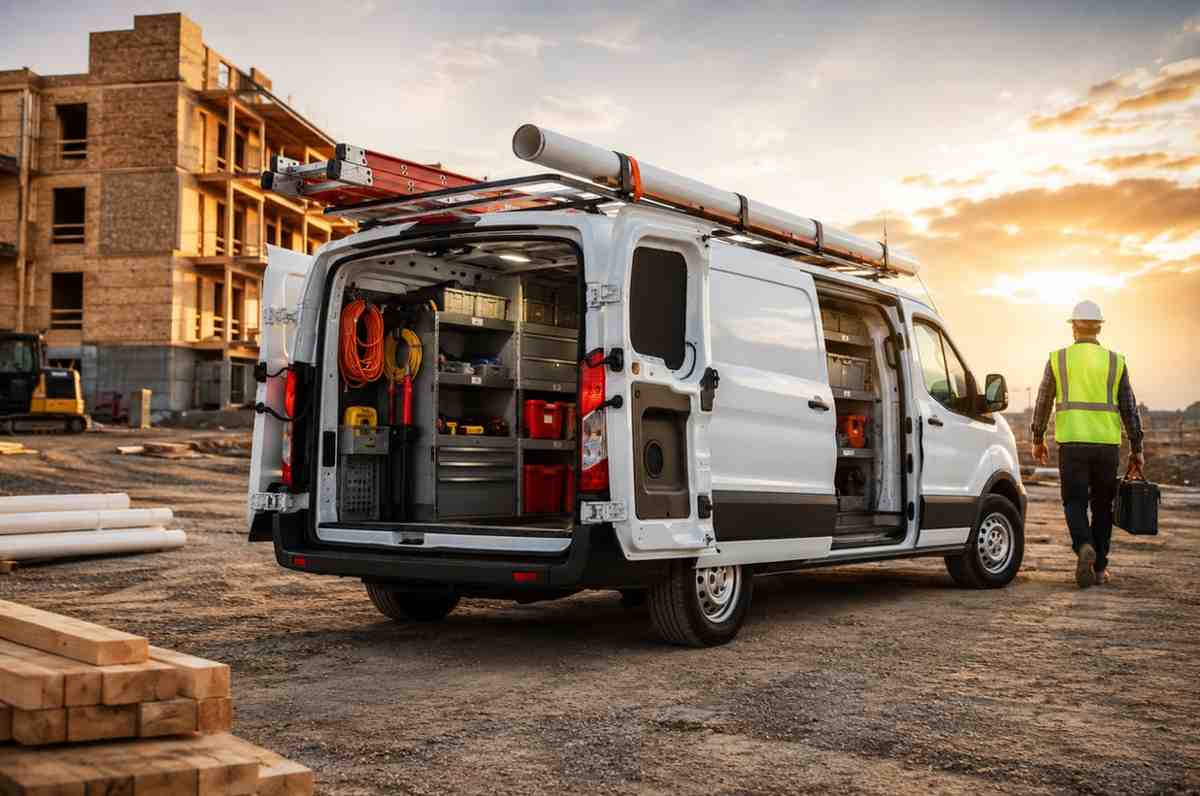
Buying a commercial truck or an emergency vehicle straight from the dealership is only the first step. Out of the box, a standard factory vehicle is a blank slate. It is designed to haul cargo or transport people, but it is not optimized to handle the punishing demands of specialized field work.
To transform a standard vehicle into a highly functional, safe, and efficient mobile workstation, you need professional vehicle upfitting. Upfitting is the process of customizing a vehicle with specialized tools, shelving, electronics, and safety gear. When done by experts, this transformation changes absolutely everything for fleet managers and operators alike.
1. Maximizing Daily Operational Efficiency
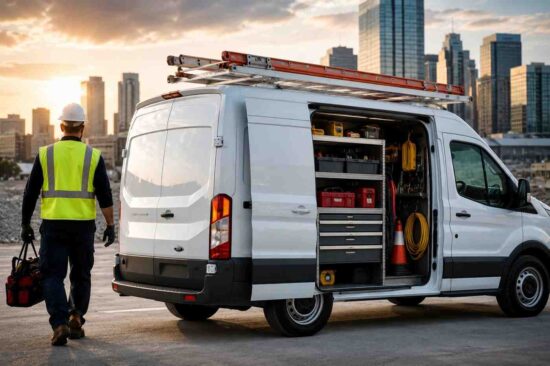
In the field, time is money, and lost seconds quickly add up. If a technician or first responder has to spend five minutes digging through an unorganized pile of tools in the back of a van to find a specific wrench or diagnostic tool, productivity plummets.
Professional upfitting solves this problem by engineering a vehicle around the operator’s exact workflow. Custom shelving units, pull-out drawers, and specialized tool racks ensure that every piece of equipment has a dedicated, secure home. When workers know exactly where their gear is, they can grab it instantly, complete the job faster, and move on to the next task without frustration.
2. Elevating Worker and Roadside Safety
Safety should never be an afterthought, especially for crews working on the shoulders of busy highways or in active construction zones. A poorly equipped vehicle increases the risk of accidents and workplace injuries. Objects left loose in a cabin can become dangerous projectiles during a sudden stop, and a lack of proper visibility can lead to catastrophic rear-end collisions.
Upfitters install robust partitions to protect drivers from moving cargo. They also map out high-visibility warning systems to protect the crew from oncoming traffic. Integrating heavy-duty LED light bars for trucks gives service vehicles the intense visual presence needed to cut through severe weather, dense smoke, or total darkness. This high-output visibility creates a protective barrier around the vehicle, letting motorists know to slow down and give the workers plenty of room.
3. Protecting Your Long-Term Mobile Investment
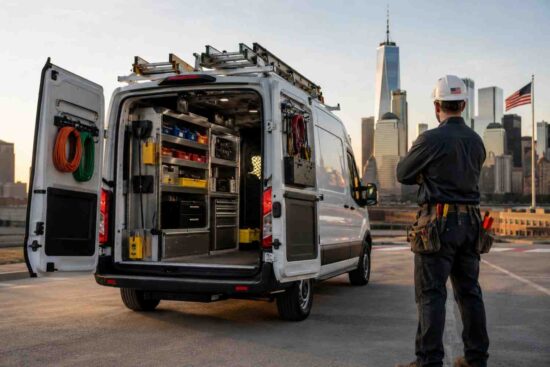
Commercial vehicles represent a massive financial commitment. Tossing heavy, sharp equipment into an unprotected truck bed or van interior will quickly dent panels, scratch paint, and invite rust. Over a few short years, this unmitigated wear and tear drastically reduces the resale and trade-in value of the asset.
Professional upfitting acts as a shield for your fleet. Installers utilize durable bulkheads, heavy-duty floor liners, and custom storage bins that absorb the daily impact of rugged work. By isolating your tools and preventing physical damage to the vehicle’s body, upfitting keeps your fleet looking professional and performing structurally sound for much longer.
4. Engineering Clean and Reliable Power Systems
Modern work vehicles are essentially mobile offices and power stations. From charging cordless tool batteries and running laptops to powering high-draw strobe lights and air compressors, the electrical demands on a work truck are immense. Simply splicing into factory wiring to power these accessories is a recipe for blown fuses, dead batteries, and electrical fires.
Professional upfitters look at a vehicle’s electrical framework as a complete ecosystem. They install auxiliary batteries, isolated power distribution blocks, and heavy-duty inverters completely independent of the factory system. This ensures you have all the power required to run your specialized tools without ever risking the reliability of the vehicle’s primary starting battery.
5. Ensuring Strict Regulatory and Legal Compliance
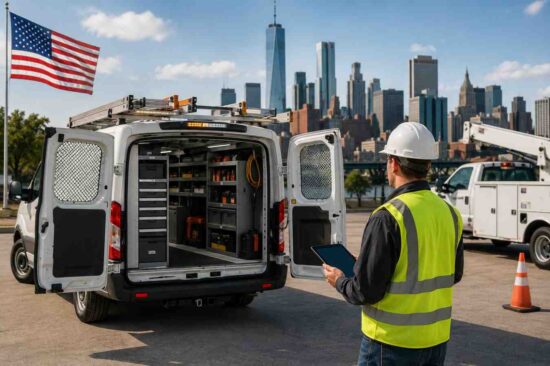
Every industry is governed by specific safety standards, whether mandated by OSHA, local Department of Transportation (DOT) guidelines, or municipal rules. Navigating these requirements can be a legal minefield for a business owner trying to modify a vehicle on their own.
Experienced upfitting professionals understand the nuances of these regulations. They know exactly how much weight a specific chassis can handle, where safety markings must be placed, and what color combinations of warning lights are legally permitted in your jurisdiction. Letting professionals handle the build guarantees that your vehicles arrive on the job site fully compliant, saving you from expensive fines, changes that improve daily comfort, and reducing legal liability.
Conclusion
Professional vehicle upfitting is far more than a simple cosmetic upgrade; it is a fundamental reconfiguration that unlocks a vehicle’s true operational potential. By sharpening worker efficiency, building a fort of safety through high-visibility lighting, and engineering reliable auxiliary power, expert customization turns an ordinary truck into a tailored powerhouse. Ultimately, a professionally upfitted vehicle stops being a simple transportation expense and becomes an active partner in your daily success on the job.